Have you ever wondered why baby elephants are so remarkably intelligent and capable from the moment they are born? The answer lies in one of nature’s most extraordinary processes: the elephant gestation period.
Elephants carry their babies longer than any other mammal on Earth, with a gestation period for an elephant between 18 and 22 months. This gestation period for an elephant allows them to develop the physical strength and mental abilities needed to thrive in their complex social worlds. Understanding the gestation period of an elephant helps us appreciate just how special elephants truly are.
Key Takeaways
- Elephant gestation period lasts 18-22 months, making it the longest pregnancy of any land mammal.
- Female elephants typically give birth to 3-5 calves throughout their lifetime, with intervals of 4-5 years between births.
- Newborn elephants weigh around 90-120 kilograms and stand approximately 90 centimeters tall at birth.
- Asian elephants typically carry their babies for 18-20 months, while African elephants may go slightly longer at around 22 months.
How Long Does Elephant Gestation Period Last?
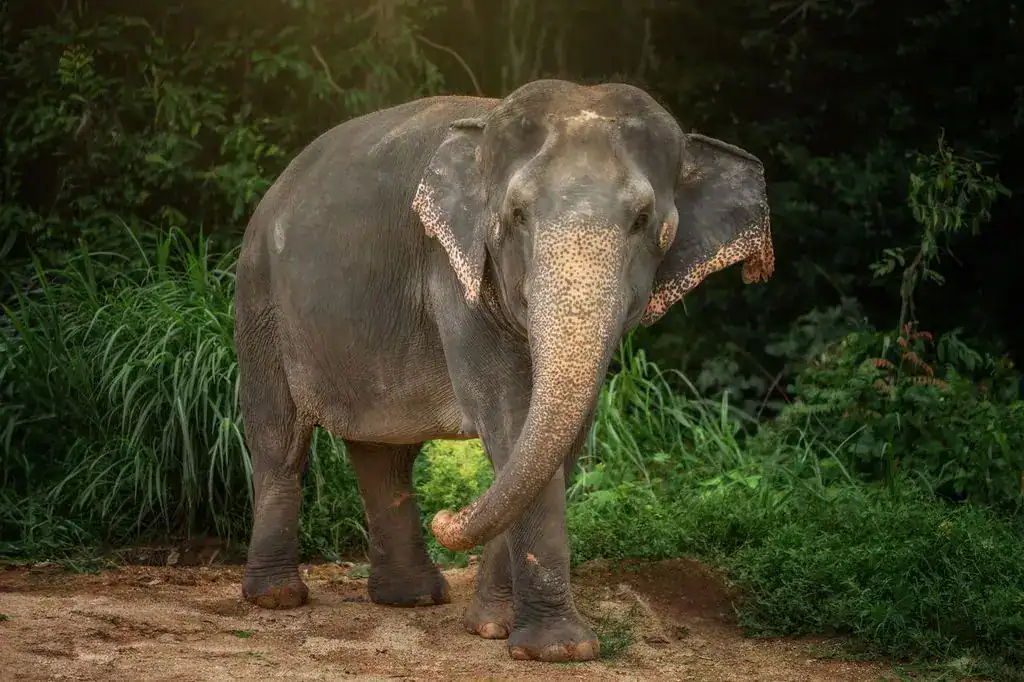
The elephant gestation period is the longest of any land mammal, lasting an impressive 18 to 22 months. This means a mother elephant carries her baby for nearly two full years before giving birth. This extended timeline is necessary to allow the calf to develop fully inside the womb, emerging ready to face the challenges of life in the wild.
There are slight differences between species. Asian elephants generally have a gestation period of around 18 to 22 months, while African elephants tend to carry their calves for closer to 22 months. These variations are influenced by factors such as genetics, environmental conditions, and the health and nutrition of the mother.
- Discover why these majestic ivory tusks are essential tools for survival in the wild : Elephant Tusk
Why Elephant Gestation Period Takes So Long?
You might wonder why the gestation period in elephant mothers takes so much time. There are three primary reasons:
- Brain Development: Elephants are highly intelligent. The long stay in the womb allows the brain to develop fully, giving the calf the instincts it needs to survive and keep up with the group of elephants immediately.
- Massive Size: Building a 100 kg body with a complex elephant trunk and skeletal structure requires a massive amount of energy and time.
- Hormonal Support: Elephants have a unique ovarian structure called multiple Corpora Lutea. This specialized system provides the hormonal support necessary to maintain such a long-term pregnancy.
When Is Sexual Maturity for Elephants?
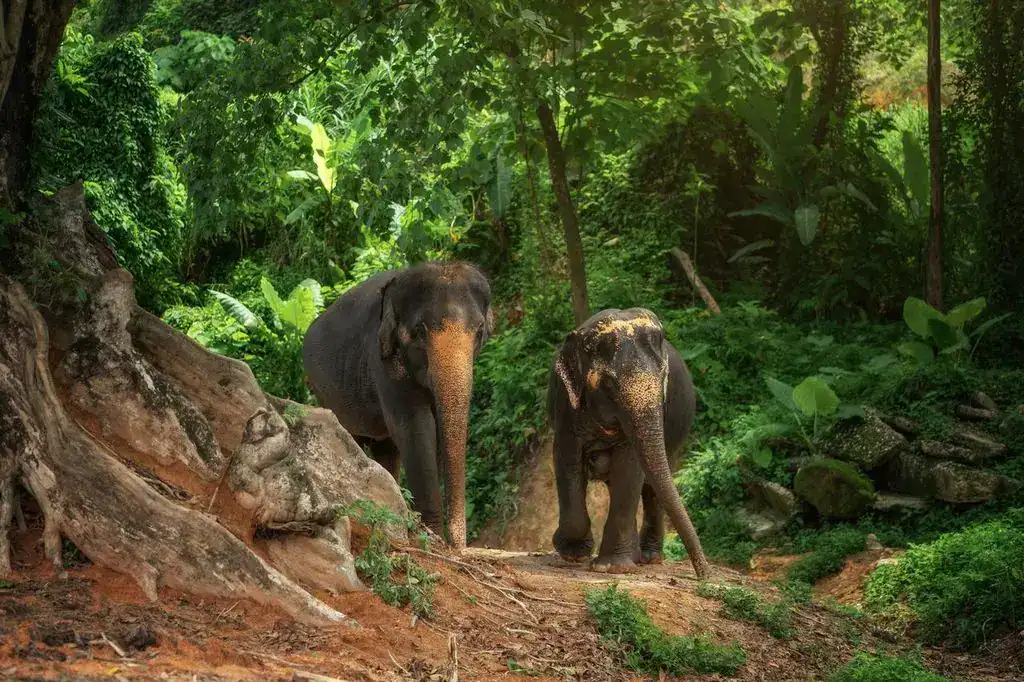
Before the elephant gestation period even begins, these animals must reach maturity. Female elephants generally reach sexual maturity between the ages of 10 and 14. While male elephants reach a similar stage around the same time, they rarely begin breeding until they are over 20 years old. This is because they need to be physically strong enough to compete with older, larger males.
In the wild and at an Ethical Elephant Sanctuary, breeding can happen year-round. However, activity often peaks during the rainy season when food is most abundant. For males, this process is closely tied to “Musth,” a period of high testosterone levels where they become more active and ready to find a mate. Observing these natural behaviors is a vital part of life for mahouts and caretakers who look after an elephant in Thailand.
- From forest bark to juicy fruits, explore the massive daily diet of these giants : What Do Elephants Eat
How Many Babies Can Elephants Have?
Because the gestation period for elephant mothers is so demanding, they do not have large litters. Over a lifetime, a healthy female may give birth to between 3 and 5 calves. This relatively modest number is due to the extended gestation period and the intensive care required to raise each calf. Female elephants invest tremendous time and energy into each offspring, nursing them for several years and teaching them essential survival skills.
The spacing between births is usually about 4 to 5 years. This interval allows the mother to fully recover her physical condition after the demanding pregnancy and to dedicate adequate attention to raising her current calf before welcoming a new one. During this time, the calf learns critical behaviors from its mother and the extended family group, including how to find food, use their trunk effectively, and navigate social relationships within the herd.
Female elephants remain fertile until around 50 years of age, after which their reproductive capacity declines. Given their long lifespan of 60 to 70 years in the wild, elephants spend a significant portion of their adult lives raising and nurturing their young. This extended parental investment is one reason why elephants develop such strong family bonds and complex social structures.
- Learn how simple waste plays a vital role in growing and sustaining lush ecosystems : Elephant Dung
How Many Babies Can Elephants Have at Once?
In almost every case, the gestation period for an elephant results in a single calf. Nature focuses on quality over quantity here! While “elephant twins” can occur, they are incredibly rare, accounting for only about 1% of all births. In the wild, it is very difficult for a mother to provide enough milk and protection for two calves at once, making the survival of both twins a rare and celebrated event.
How Big Are New Born Elephants?
When a baby elephant is born, it is already an impressively large animal. Newborn elephants’ weight are between 90 and 120 kilograms, making them some of the heaviest babies in the animal kingdom.
In terms of height, baby elephants stand around 90 centimeters tall at the shoulder, which is roughly the height of an average adult human’s waist. Despite their size, newborns appear somewhat wobbly and vulnerable immediately after birth, but this changes quickly.
One of the most remarkable aspects of newborn elephants is their rapid development of motor skills. Within just one to two hours after birth, a baby elephant can stand on its own legs and begin walking. This ability is essential for survival, as a group of elephants is often on the move, and the calf must be able to keep pace with the group to stay safe from predators and access food and water sources.
- Do they really sleep standing up? Uncover the unique and surprising resting habits of elephants : Elephant Sleep
Frequently Asked Questions (FAQs)
Which animal has the longest pregnancy?
The African elephant gestation period holds the record for the longest pregnancy among land mammals, with a gestation period of up to 22 months. However, some marine mammals have even longer pregnancies. For instance, certain species of sharks can carry their young for over two years. Among commonly known animals, elephants remain unmatched in the length and complexity of their reproductive cycle on land.
How long is the maximum lifespan for elephants?
In the wild, elephants typically live between 60 and 70 years, although some individuals have been known to reach their mid-70s under optimal conditions. In protected environments such as well-managed sanctuaries, elephants may live even longer due to access to consistent veterinary care, nutrition, and freedom from natural predators. Their long lifespan allows them to form deep bonds with family members and pass down knowledge across generations.
The Miracle of the Elephant Gestation Period
The elephant gestation period is one of nature’s most fascinating processes, reflecting the intelligence, complexity, and remarkable biology of these gentle giants. From the 18 to 22 months of pregnancy to the birth of a 90-kilogram calf ready to walk within hours, every stage of elephant reproduction showcases the incredible adaptations that have allowed elephants to thrive for millions of years.
At Elephant Jungle Sanctuary, we are deeply committed to the well-being of elephants at every stage of life. Our approach focuses on providing Elephant Welfare, a safe environment where elephants can live with dignity. Visitors to EJS have the unique opportunity to feed, enjoy elephant bathing under the guidance of our experienced guides and dedicated mahouts.
Come experience the magic of elephant life and contribute to a brighter future for these incredible creatures.