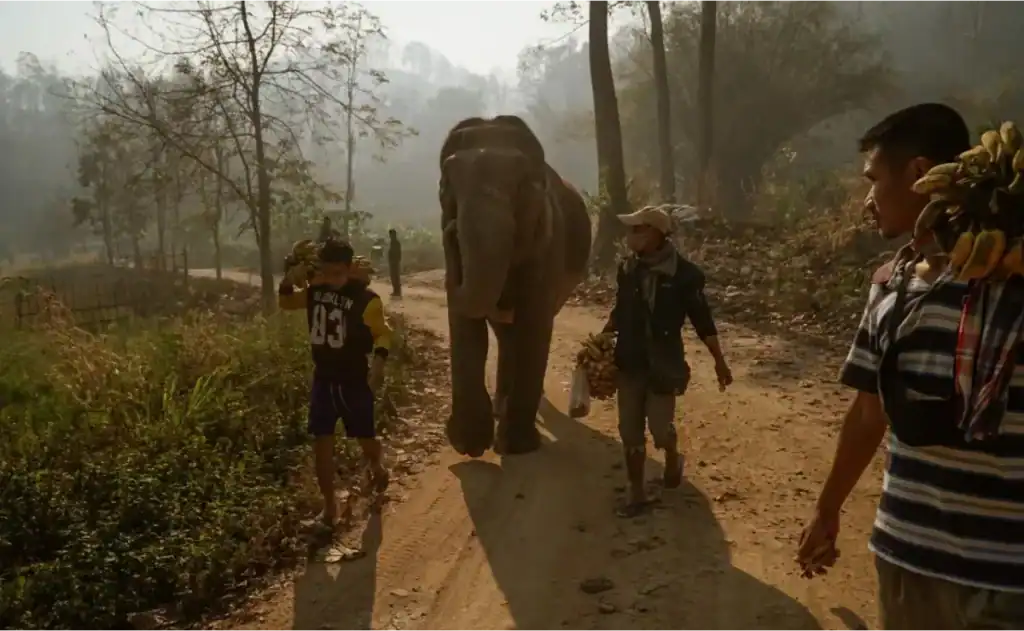
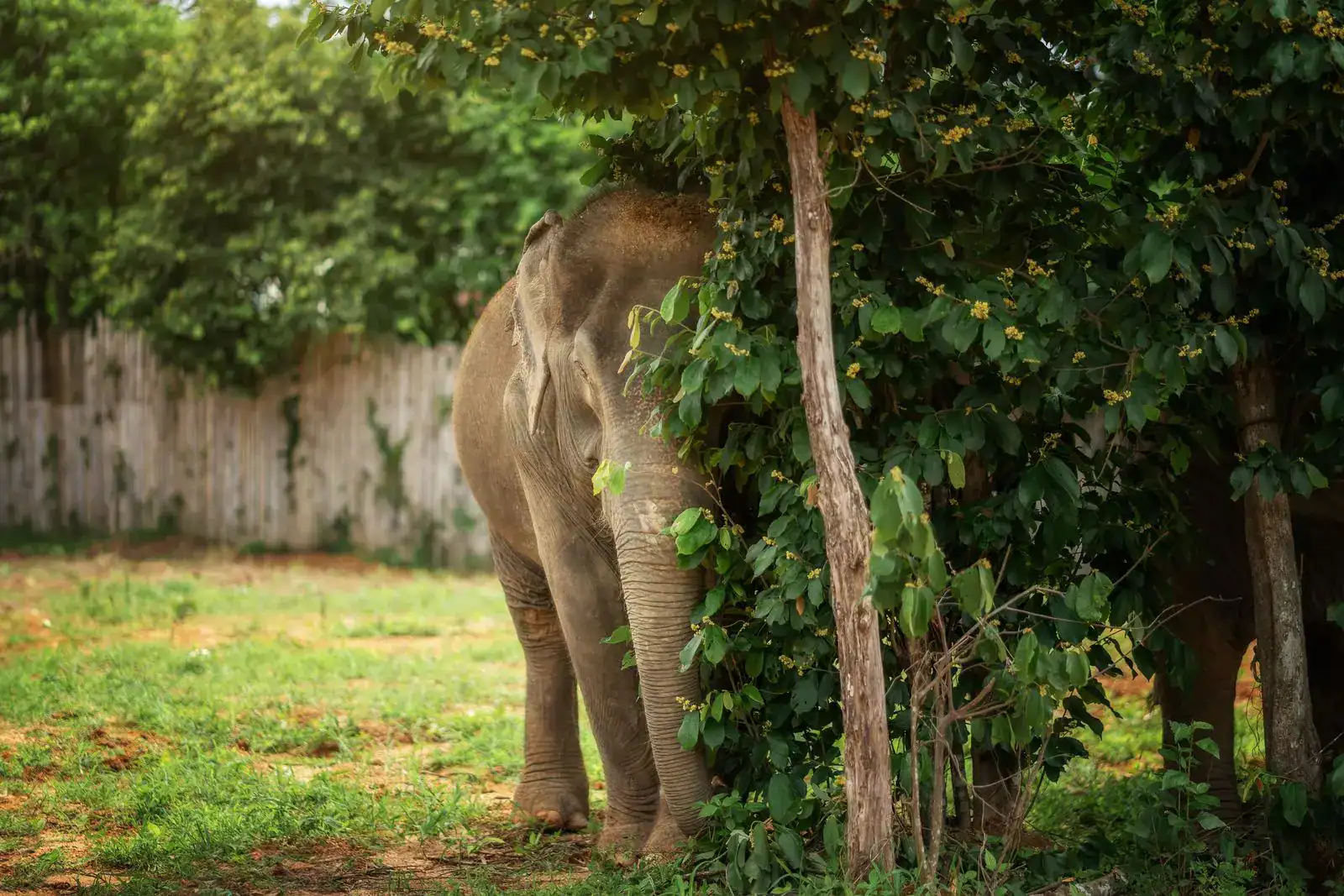
Have you ever wondered how the world’s largest land mammals manage to get enough rest? While we humans usually look forward to a long night of eight hours under the covers, the world of elephant sleep is much more mysterious and surprising than you might think.
Elephants have developed unique ways to recharge their massive bodies while staying safe in the wild. From standing naps to dreaming only once every few days, understanding their rest gives us a beautiful window into their lives.
Key Takeaways
- Wild elephants are the world’s shortest-sleeping mammals, averaging only about 2 hours of sleep per 24-hour period.
- The short sleep duration is necessary because they must spend 18-20 hours a day foraging to meet their massive dietary needs (eating up to 300 kg of food).
- Elephants only enter deep REM (dreaming) sleep every 3-4 days, and must lie down flat to do so because their muscles relax completely.
- For safety in the wild, elephants use a “sentinel” system, where one or two members stay awake as guards while the rest of the herd naps.
- The sleep needs of elephants vary significantly with age. A baby elephant sleeps much longer (3-4 hours) than an adult to support its rapid growth.
An Elephant Sleep for How Many Hours?
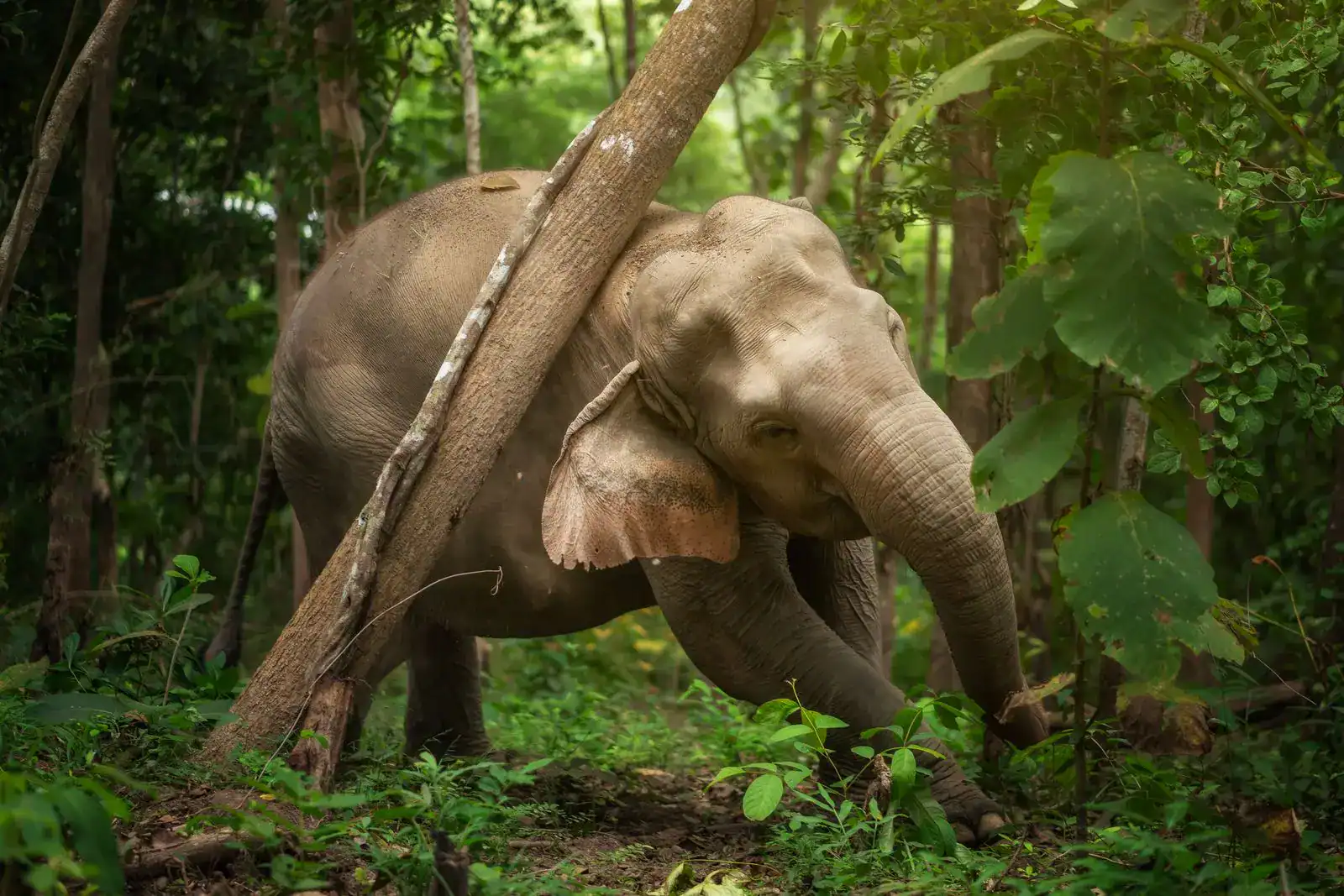
While most humans choose to sleep for about 6 to 8 hours every night, wild elephants are the shortest-sleeping mammals in the world, often averaging only about 2 hours of rest in a 24-hour period. This tiny amount of elephant sleep usually happens in short bursts during the middle of the night, specifically between 2:00 AM and 6:00 AM, when the world is at its quietest.
The main reason for this short rest is simply a matter of “mouth and stomach.” Because an Asian elephant or African elephant is so large, their bodies have massive energy requirements that must be met every single day. A large male, known as a bull, can have an elephant weight between 4,000 and 6,000 kilograms, and to maintain this size, he needs to eat approximately 300 kilograms of food daily. Collecting such a huge amount of vegetation takes a very long time, leaving them with very few hours left for how much sleep does an elephant need.
Because their digestive systems are not very efficient, they must spend nearly 18 to 20 hours a day just foraging and eating. In the caring environments, they are provided with high-quality food that is nutrient-dense, meaning they don’t have to spend all day searching for it. As a result, these lucky elephants often have much more free time and can sleep for 4 to 6 hours or even longer.
Do Elephants Need REM Sleep?
REM sleep is the deep stage of rest where humans and other mammals usually dream, and it is thought to be important for memory. Another fascinating discovery in elephant sleep research is that they do not experience REM (Rapid Eye Movement) sleep every day.
Interestingly, even though an elephant has a famous long-term memory and uses their elephant trunk for complex tasks, they only enter REM sleep once every 3 or 4 days. To reach this deep state, an elephant must be able to “lie down flat” on its side.
The reason elephants can’t dream while standing up is because of biology. During REM sleep, the muscles of mammals lose their tone and become completely relaxed. If an elephant tried to dream while standing, its legs would simply give way under its massive weight, unless it happened to be leaning firmly against a very large tree or a rock.
Does an Elephant Sleep As a Group?
In the deep wilderness, safety is always the top priority, which is why you will rarely see an entire group of elephants sleeping at the same time. Because they face threats from predators like lions, as well as humans, they have developed a “sentinel” system for safety.
While most of the herd takes a quick nap, at least one or two members will stay awake to act as guards. These guards often continue to use their elephant trunk to sniff the air for danger while the others rest nearby. If the guard senses any threat, they will immediately alert the others, allowing the sleeping elephants to wake up and react quickly.
The leader of the group, usually the oldest and largest female called the matriarch, takes her responsibility very seriously. She may go for several days without any elephant sleep at all to ensure her family is safe, especially if they are traveling through dangerous areas. She will only allow herself to take a nap once she is absolutely certain that every baby elephant and adult in her care is in a secure and worry-free environment.
What Can Affect Elephant Sleep Habits?
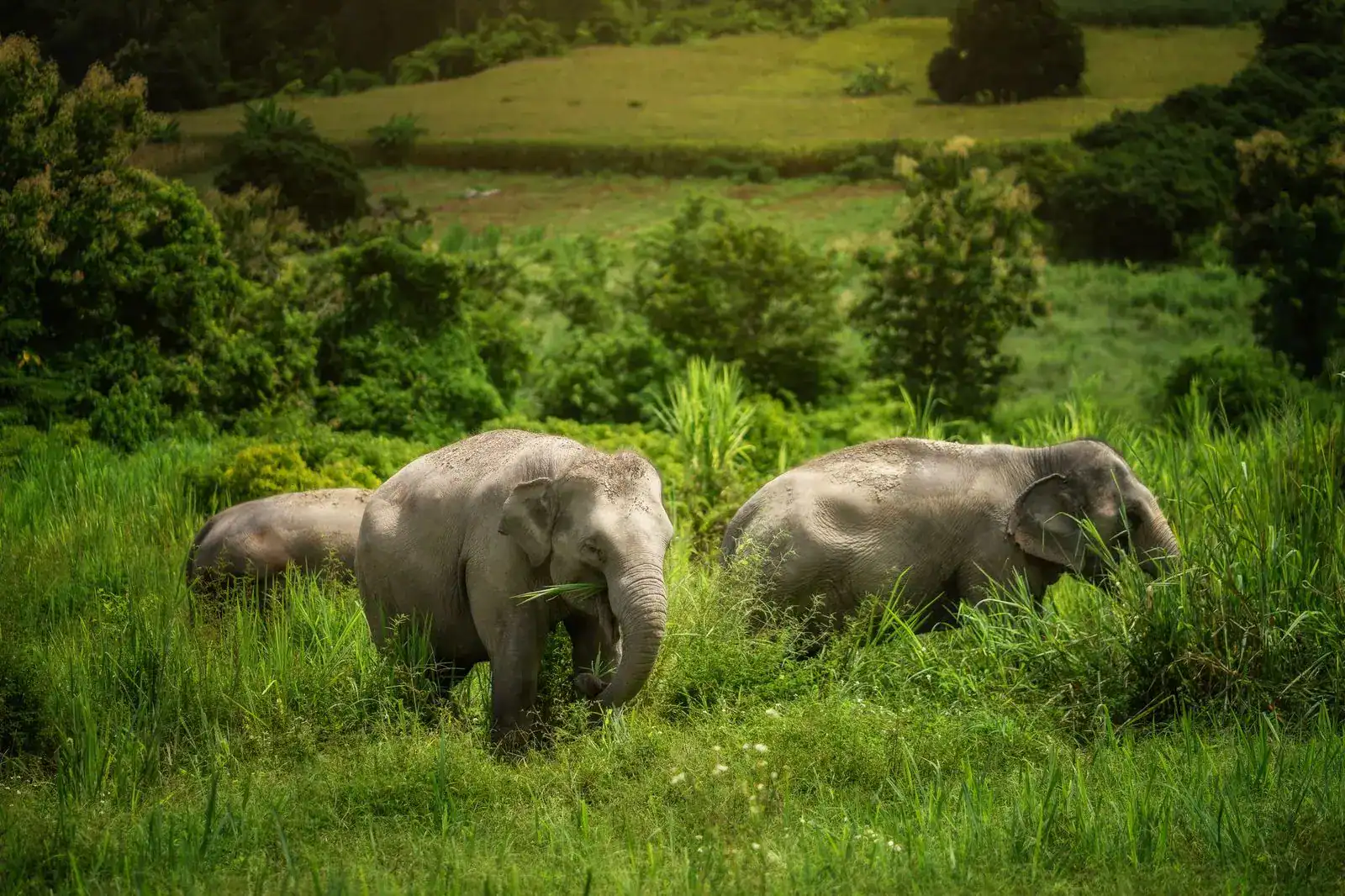
Just like us, an elephant’s rest isn’t always the same every night. Many different factors can change how long elephants sleep or where they choose to lay their heads. Whether they are in the wild or at a sanctuary, their environment and physical health play a huge role in their comfort.
Environment
Environmental conditions like temperature and humidity are actually more important than sunlight for how elephants sleep. Research shows that elephants often decide to wake up or fall asleep based on the “real feel” of the weather. They generally prefer to sleep during the coolest parts of the night to avoid the heat of the day.
Age and Development
A baby elephant’s sleep schedule is much longer than that of an adult. While adults only need a few hours, a baby elephant may spend 3 to 4 hours a day resting to support their rapid growth and development. You will often see them lying down flat on their sides, tucked safely between the legs of their mothers.
Comfort and Health
Physical health is vital for good rest. Older elephants or those with joint issues might find it hard to lie down and get back up. At EJS, we make sure they have access to soft soil, sand piles, or mud pools which make it much easier for them to rest their heavy limbs comfortably.
Predators Threats
The presence of danger is the quickest way to ruin an elephant’s sleep. If they sense predators or poachers, they can sacrifice sleep entirely and may trek for up to 30 kilometers to find a safer location. They only choose to lie down for deep rest when they feel completely undisturbed.
Feeding Requirements
As mentioned before, the need to find food is a constant pressure. During the dry season when food is scarce, they have to spend even more time walking and searching, which naturally reduces the time they have available for how long an elephant sleeps.
Frequently Asked Questions (FAQs)
Why does an elephant sleep so little?
An elephant sleeps for a few hours mainly because of their massive size and diet. They need to consume hundreds of kilograms of food every day to survive. Since they are herbivores and their food is low in calories, they must spend nearly all their time eating, leaving only about 2 hours for rest.
What position do elephants usually sleep?
Elephants are famous for being able to sleep standing up, which they do for light dozing and quick naps. This allows them to stay alert to danger. However, for deep REM sleep, they must lie down on their sides, which usually only happens every few days when they feel very safe.
Experience the Magic of Elephant Sleep at Elephant Jungle Sanctuary
Understanding elephant sleep helps us appreciate just how hard these animals work to survive and care for their families. Whether it’s a baby elephant dreaming in the grass or a matriarch standing guard, their rest is a vital part of their elephant welfare. At Elephant Jungle Sanctuary, we are dedicated to providing a peaceful home where the elephant in our care can rest naturally without any stress or fear.
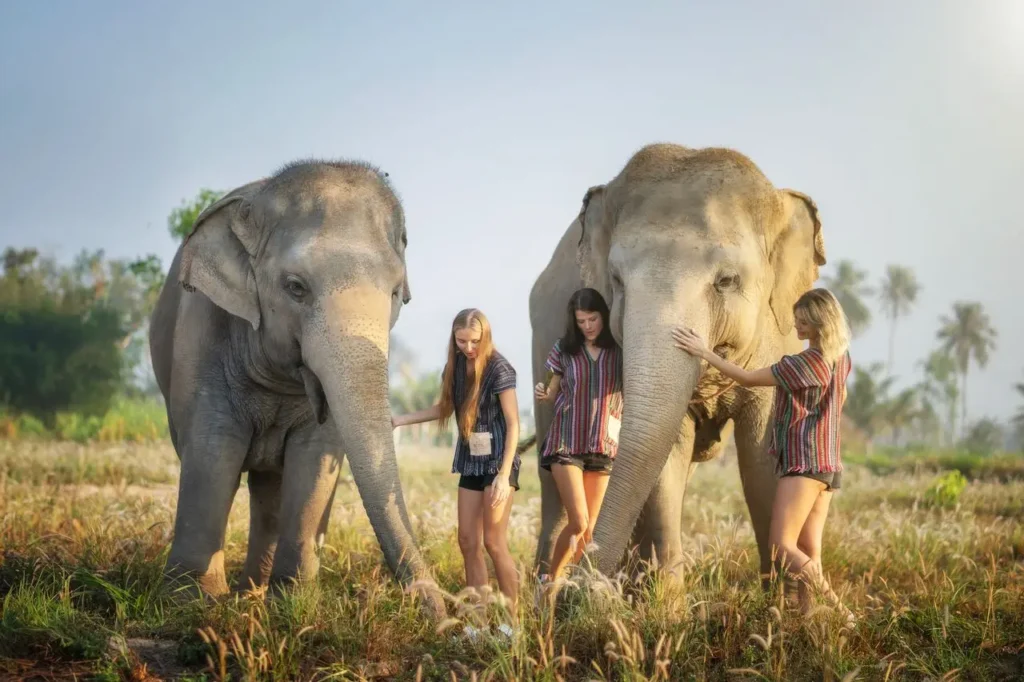
We invite you to visit us and see these beautiful habits for yourself. When you join us at our ethical elephant sanctuary, you can observe our elephants enjoying their mud baths or napping under the trees. All our hands-on activities are carefully supervised by our experienced mahouts and guides to ensure the happiness of both our guests and our elephants. Come and learn more about the lives of these giants in the heart of an elephant in Thailand!