Elephants are more than just the largest land mammals, they are the heart of our planet’s forests and savannas. But today, a critical question looms over their future: are elephants endangered? Sadly, these endangered elephants face a variety of human-made challenges that threaten their very existence.
At Elephant Jungle Sanctuary, we believe that education is the first step toward lasting protection. By understanding the beauty and the struggle of endangered elephants, we can work together to ensure that every baby elephant born today has a safe and free future.
Key Takeaways
- The three distinct endangered elephant species are all on the IUCN Red List, with the African Forest Elephant classified as “Critically Endangered.”
- Elephant populations are severely threatened by poaching (especially for ivory), vast habitat loss, escalating human-wildlife conflict, emerging diseases (like EEHV), and the effects of climate change (droughts).
- Responsible models like Ethical Elephant Sanctuaries (e.g., EJS) provide safe havens, fund critical veterinary care, and foster education and sustainable human-elephant coexistence.
- Protecting endangered elephants requires multi-faceted efforts, including creating wildlife corridors, supporting sustainable (FSC-certified) products, reducing human-elephant conflict with innovative deterrents like beehive fences, and increasing habitat preservation.
Get to Know Elephant Species
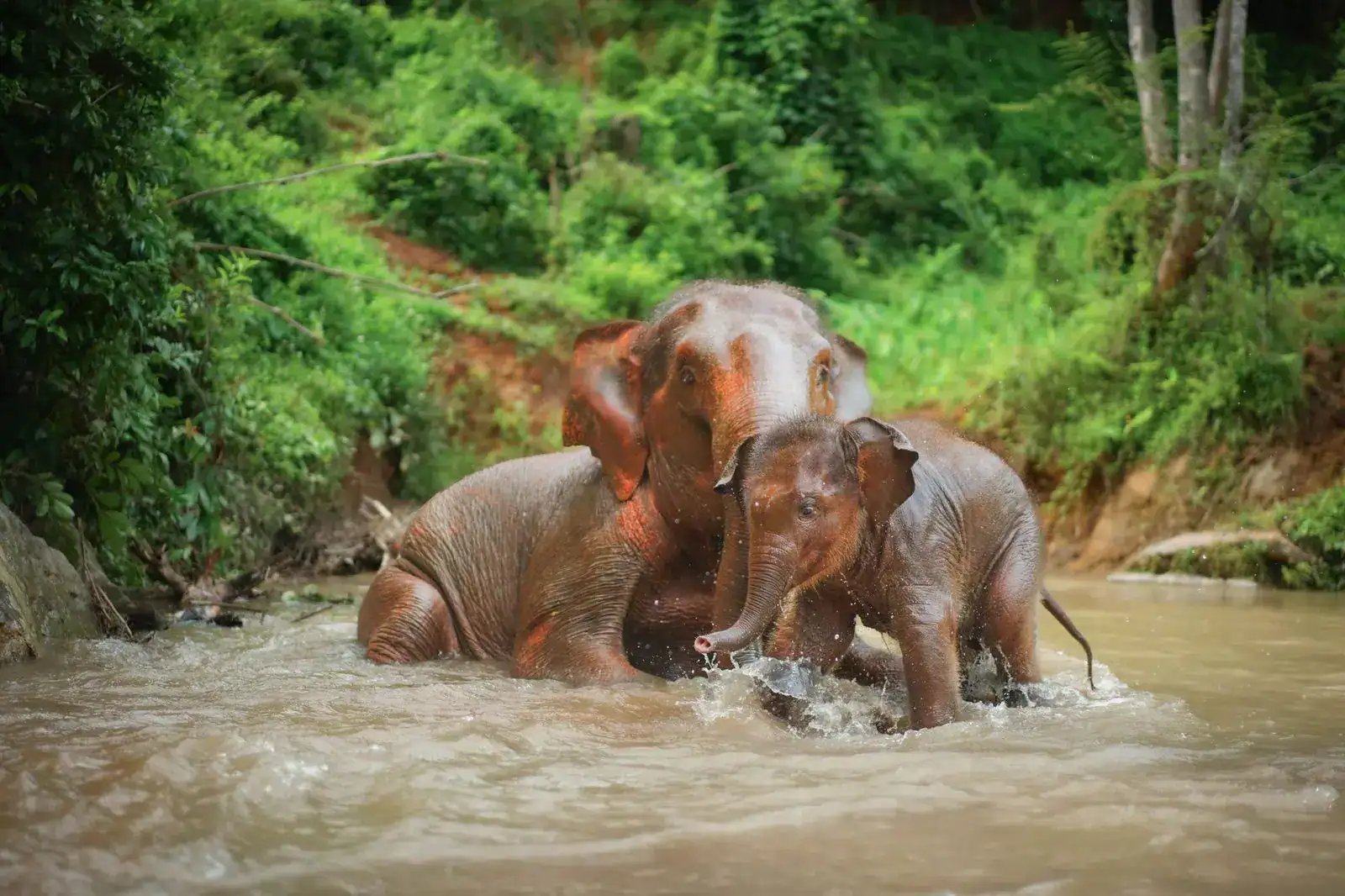
To grasp why endangered elephants require aid, we must know the three distinct species, each a vital “ecosystem engineer” in its unique African or Asian habitat. Their role in maintaining biodiversity is irreplaceable. All three are on the IUCN Red List, ranging from “Endangered” to “Critically Endangered.” World Elephant Day is celebrated every August 12th to raise awareness of threats and honor the human-elephant bond.
If you are wondering how many elephants are left in the world, current estimates suggest there are roughly 415,000 African elephants and between 40,000 to 50,000 Asian elephants remaining in the wild. When asking which elephants are endangered, the answer is unfortunately all of them, though the degree of risk varies by species.
1. Asian Elephant (Elephas maximus)
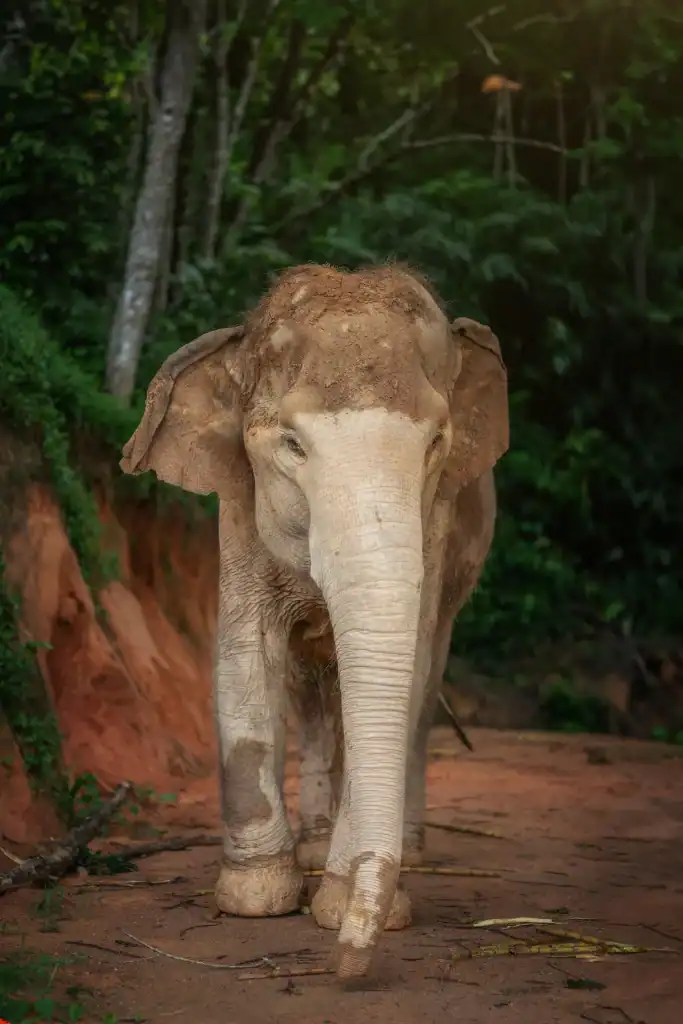
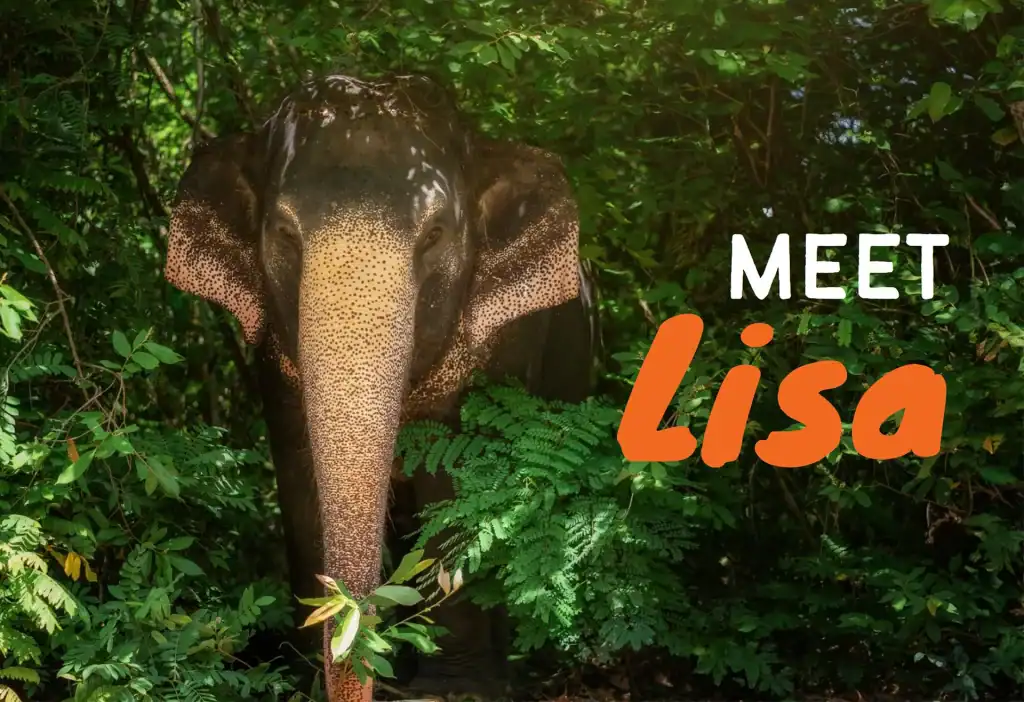
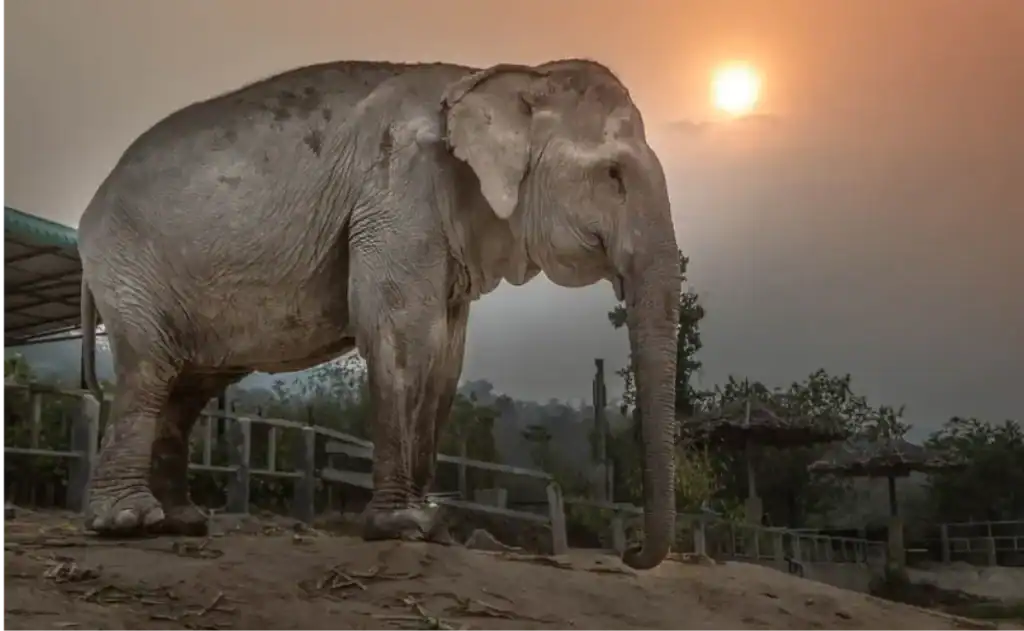
The Asian elephant In Thailand, a symbol of wisdom and strength, is currently “endangered elephants.” The main threats are habitat loss, fragmentation from urbanization and agriculture, and resulting human-elephant conflict. Ethical Elephant Sanctuaries provide safe havens for rescued elephants.
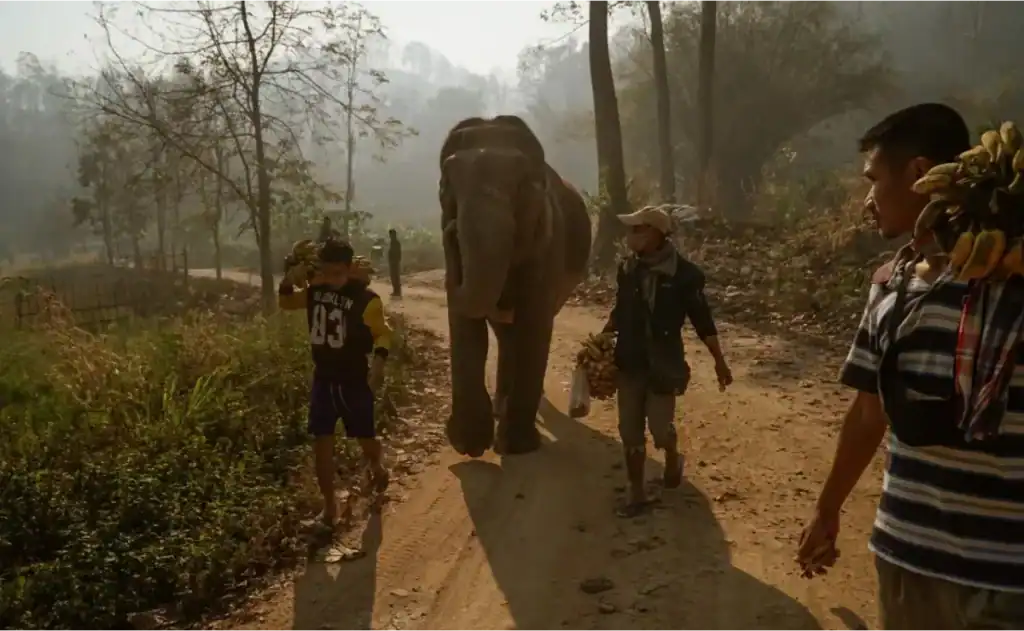
Compared to African elephants, Asian elephants in Thailand have a twin-domed head and smaller, rounded ears. Dedicated mahouts and veterinarians ensure high elephant welfare through care and observation. Supporting responsible tourism funds the necessary medical care and nutrition for these rescued giants to thrive.
2. African Savanna Elephant (Loxodonta africana)
The African Savanna Elephant, the largest living land animal, roams sub-Saharan African grasslands and is listed as “endangered elephants.” The primary threat is poaching for the illegal ivory trade, as both male and female elephants are targeted for their tusks (modified, continuously growing incisor teeth).
They are recognized by their large, Africa-shaped ears, which aid in heat dissipation. These endangered elephants live in complex matriarchal societies, led by the oldest female who uses her long memory to locate water.
3. African Forest Elephant (Loxodonta cyclotis)
The African Forest Elephant is the smallest of the three species and perhaps the most at risk. They inhabit the dense rainforests of Central and West Africa. In 2021, the IUCN officially classified them as “critically endangered elephants” after their populations declined by more than 86% over 31 years.
Forest elephants, the “gardeners of the forest,” disperse seeds vital for rainforest diversity. Their straighter, downward-pointing tusks aid movement through thick vegetation. Recovery is slow due to their low reproductive rate. Protecting their dense habitats and supporting community based tourism are essential to prevent their extinction.
Causes of Endangered Elephants
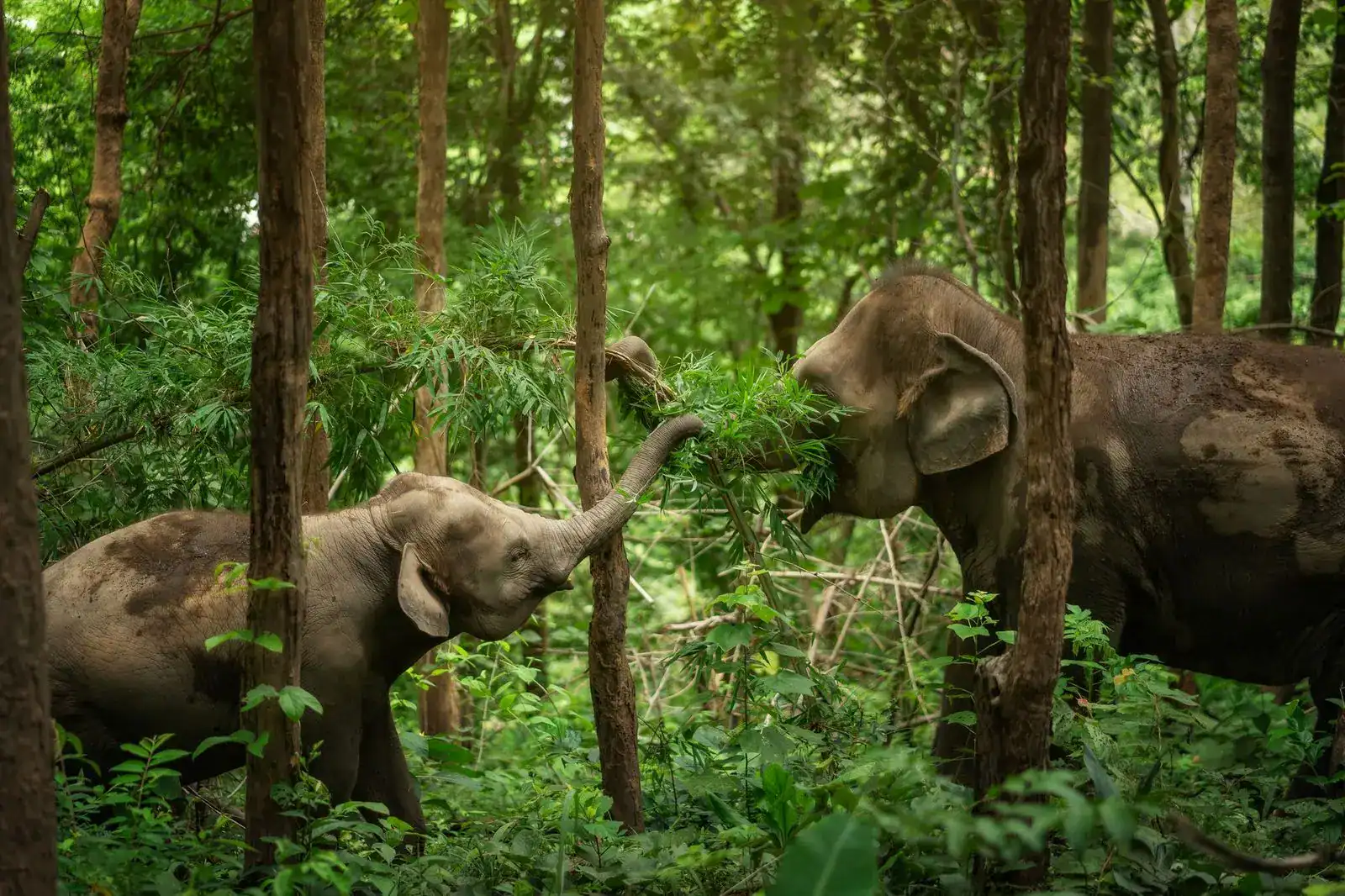
Understanding why elephants are endangered requires looking at a complex mix of human activity and environmental shifts. These majestic animals are facing pressure from every side, making our conservation efforts more urgent than ever. Below are the five primary factors that explain how are elephants endangered in the modern world.
1. Habitat Loss
Habitat loss is the primary long-term threat to endangered elephants. Expanding human populations convert vast forests and savannas into fragmented ecosystems through agricultural expansion (especially for palm oil, rubber, and durian) and infrastructure development like roads and dams.
This is why African elephants are endangered, by limiting the massive territories they need for food and water. This often forces a group of elephants into human settlements for survival, escalating conflict. Resolving this requires sustainable land-use planning, increased protected areas, and wildlife corridors.
2. Poaching
The illegal ivory trade (Elephant Tusk) is the main threat to African elephants, with roughly 20,000 poached annually. This loss is devastating: poachers target large, knowledgeable elders, leaving younger elephants without vital survival knowledge, increasing stress and death rates, especially during droughts. Modern efforts against traffickers include drones, strict patrols, and severe legal penalties.
3. Human-Wildlife Conflict
As human and elephant territories increasingly overlap, competition for vital land and water resources intensifies. When endangered elephants enter agricultural areas in search of food, it can lead to significant crop damage, often resulting in defensive measures that threaten the safety of both the local community and the elephants.
Innovative solutions, such as using “beehive fences,” can help. Since elephants have a natural fear of bees, the hives act as a non-violent deterrent while providing honey income for the local community.
4. Emerging Diseases
Infectious diseases are a major cause of death for elephants, particularly baby elephants. Primary threats include Elephant Endotheliotropic Herpesvirus (EEHV), often fatal to calves, and Tuberculosis (TB), which is transmissible between humans and elephants. Stress from habitat loss and proximity to humans or livestock compromises elephant immunity.
To protect endangered elephants, we must focus on regular health checks for wild and captive populations, vaccine research, and strict bio-hygiene to stop the spread of these pathogens.
5. Climate Change
Rising temperatures and longer droughts are making it much harder for elephants to find the 100 liters of water they need daily. Heat stress is a leading cause of death for Asian endangered elephants, and drought can cause mothers to miscarry or fail to produce enough milk for their young. This pressure forces them to travel even further into human areas, increasing the risk of conflict.
We can help by restoring water sources deep within the forest and building “connectivity” corridors that allow herds to migrate safely as weather patterns change.
Thailand’s Solution for Endangered Elephants Situation

Thailand is at a unique intersection of conservation, home to both wild herds and a large population of captive elephants. By balancing responsible tourism, community support, and habitat protection, the country is leading the way in showing how we can help endangered elephants thrive once more.
Raising Awareness
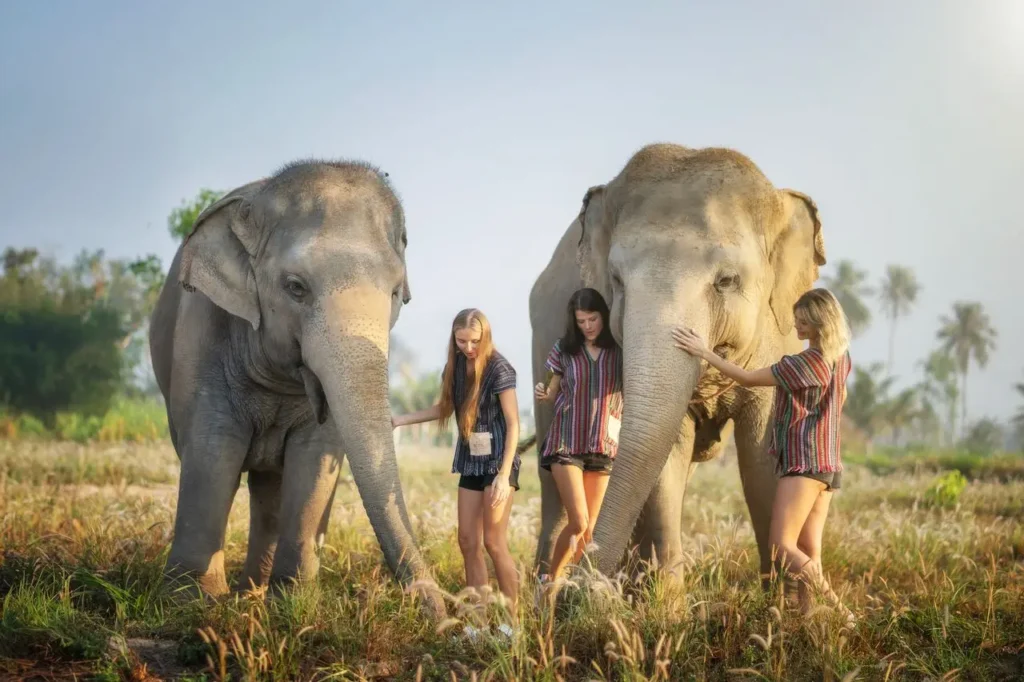
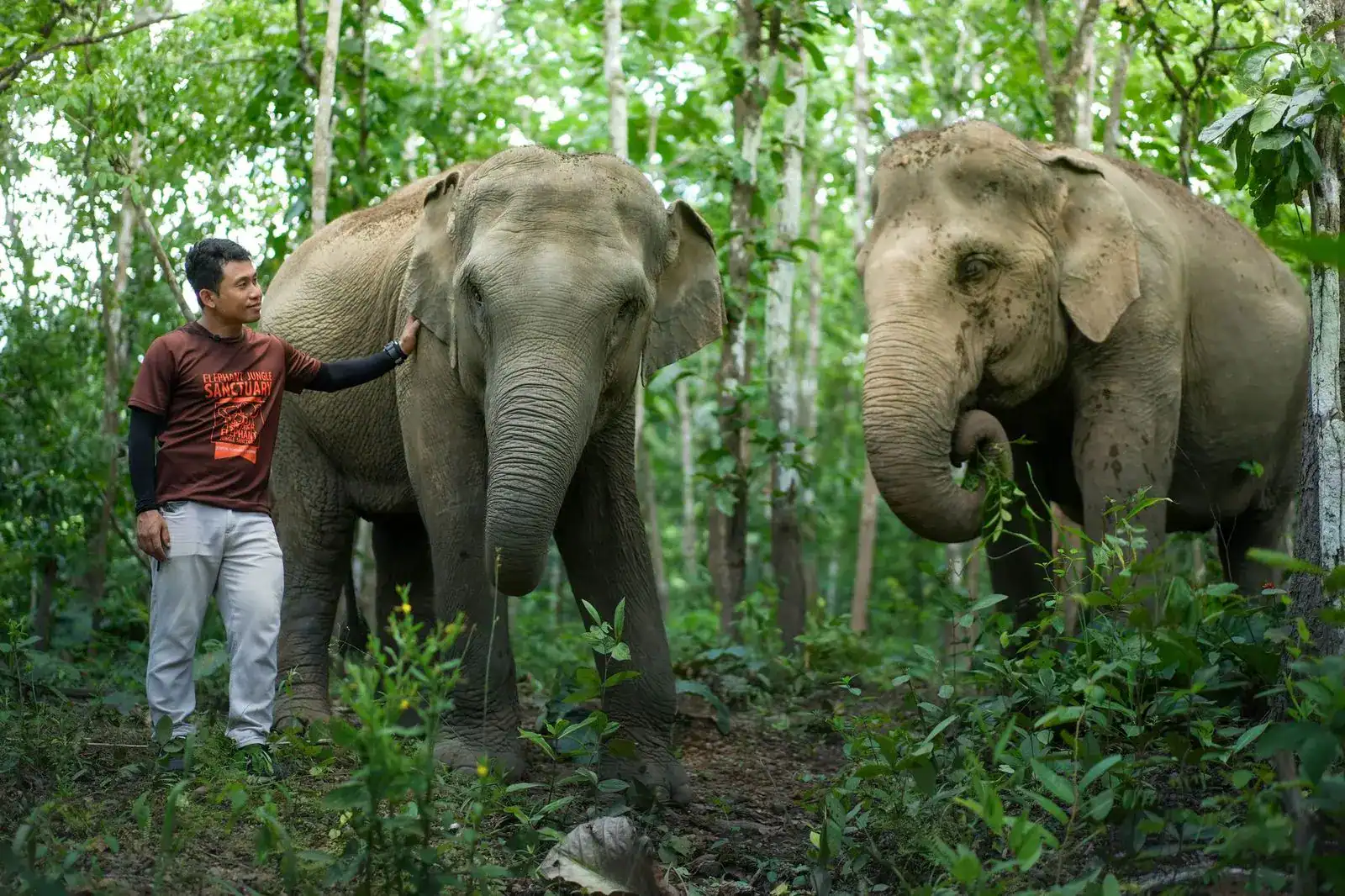
Raising awareness through an ethical elephant sanctuary is highly effective. At Elephant Jungle Sanctuary (EJS), we educate visitors by involving them in hands-on, consent-based care, such as preparing food. Supervised by professional mahouts and guides, visitors observe endangered elephants behaving naturally. This fosters a deep understanding of elephant welfare and encourages long-term conservation support.
Habitat Preservation
Protecting endangered elephants’ habitats is crucial for their safety. Thailand is actively managing forests and reducing destructive practices like slash-and-burn farming and fires to preserve food sources. Maintaining rich forest resources within national parks keeps wild elephants from needing to enter villages, thereby minimizing human-elephant conflict.
Supporting Sustainable Products
Supporting products with the Forest Stewardship Council (FSC) certification is a simple way you can help from home. FSC-certified forests are managed to protect biodiversity, and research shows they can host nearly three times more elephants than non-certified forests because they have better anti-poaching controls. When you choose sustainable wood or rubber, you are helping to stop the deforestation that takes away the natural homes of the Asian elephant.
Community-Based Conservation
Community Based Tourism protects wildlife by engaging locals in eco-tourism. This approach shifts endangered elephants from “crop-raiders” to valuable community assets, generating income through activities like guided tours or beehive fences. This responsible tourism model fosters peaceful, sustainable human-elephant coexistence.
Frequently Asked Questions (FAQs)
What is the most endangered elephant?
The African forest elephant (Loxodonta cyclotis) is critically endangered, having lost over 86% of its population in three decades. The Sumatran elephant, the most threatened Asian subspecies, has fewer than 2,800 individuals left. Both face extreme extinction risks due to specialized habitats and intense poaching.
Why are elephants so endangered?
Endangered elephants stem from five major threats: poaching for ivory, habitat loss due to agriculture, human-wildlife conflict, emerging diseases (like EEHV), and climate change impacts such as drought. These combined pressures severely damage the herds’ critical social structures.
Protecting the Future of Endangered Elephants
Endangered elephants are the “landscape architects” of our planet, yet they face a complex crisis from habitat loss and poaching. At Elephant Jungle Sanctuary (EJS), we are dedicated to a future where these giants thrive through sustainable tourism and education. We invite you to participate in hands-on activities, always under the expert care of our professional guides and mahouts. Your visit directly supports a safe, forested haven for rescued elephants.