Thailand is a vibrant home to some of the world’s most spectacular wildlife, ranging from wild animals, majestic jungle giants to mysterious deep-sea dwellers. Animals in Thailand are various due to the country’s diverse landscape of lush rainforests and crystal-clear oceans providing a perfect habitat for many unique species.
What animals are in Thailand? In this guide, we will explore the fascinating mammals, marine life, and reptiles that make Thailand’s ecosystem so special and learn how we can appreciate them responsibly.
Key Takeaways
- Elephants are Thailand’s national symbol, and you can observe them ethically at sanctuaries that prioritize animal welfare and professional care.
- Visitors can experience a meaningful connection with elephants at Elephant Jungle Sanctuary (EJS) through hands-on activities like feeding and bathing, all under the care of professional mahouts and guides.
- Mammals animals in Thailand are diverse from acrobatic gibbons to rare Indochinese tigers and scaly pangolins, Thailand’s jungles are filled with unique animals that maintain the forest’s health.
- What marine life animals live in Thailand? The Thai oceans host incredible creatures like the pink Irrawaddy dolphin, peaceful dugongs, and the massive whale shark, the world’s largest fish.
- Thailand is a haven for reptiles, including the gliding Flying Lizard, the world’s longest venomous snake (King Cobra), and helpful Tokay geckos.
Mammals in Thailand
Thailand is home to many amazing animals. From deep jungles to high mountains, these mammals play a big role in the country’s nature and culture. If you are a nature lover, learning about animals in Thailand is a great way to understand Thailand’s wildlife.
1. Elephants
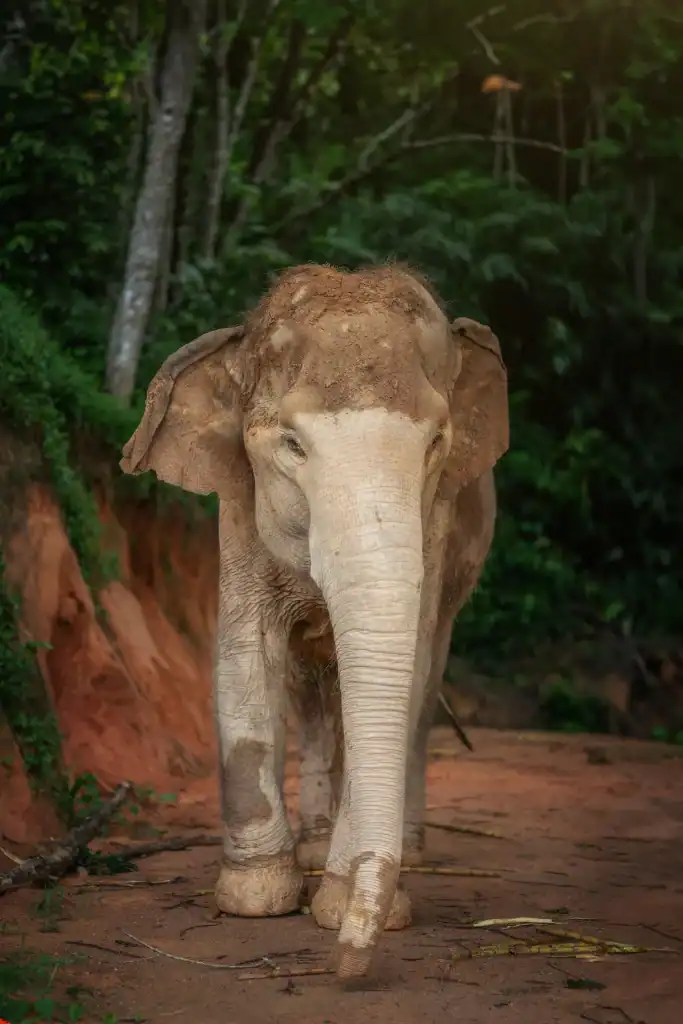
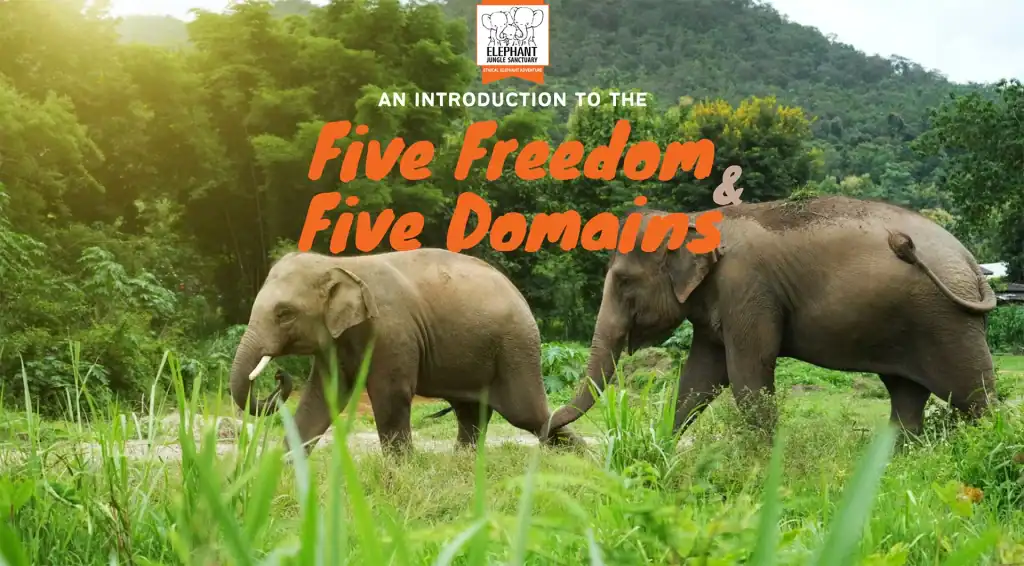
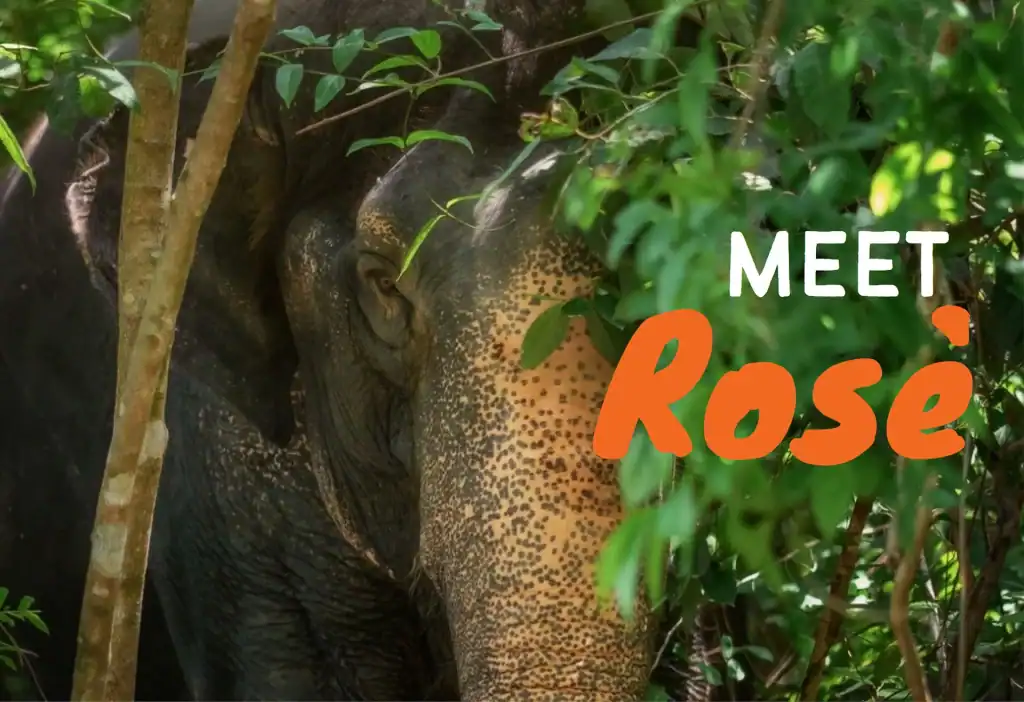
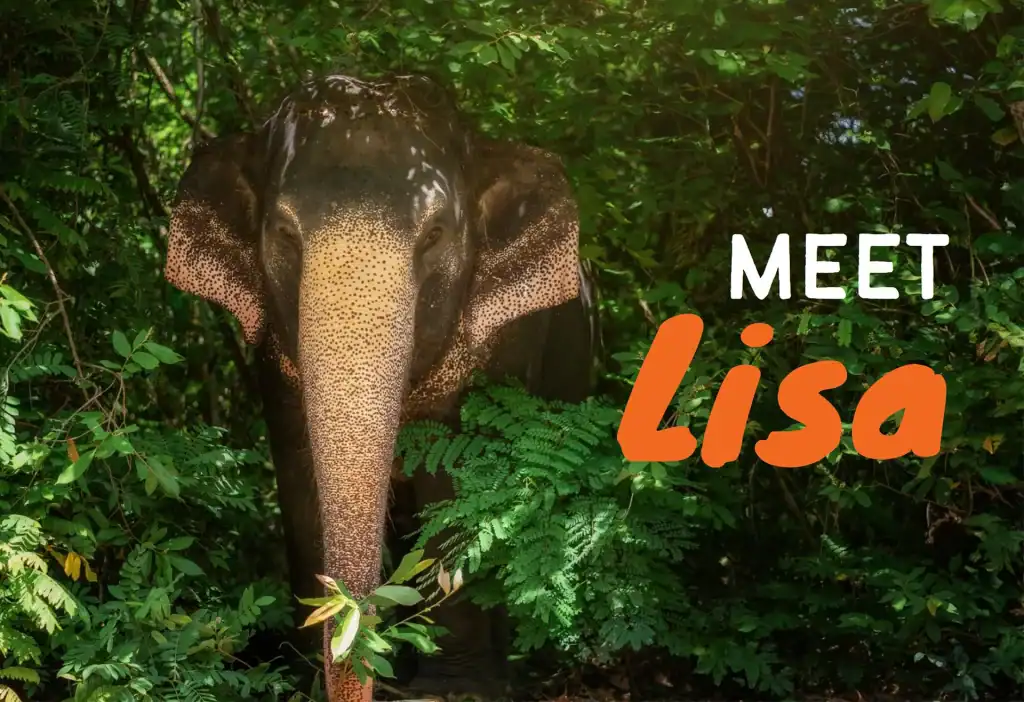
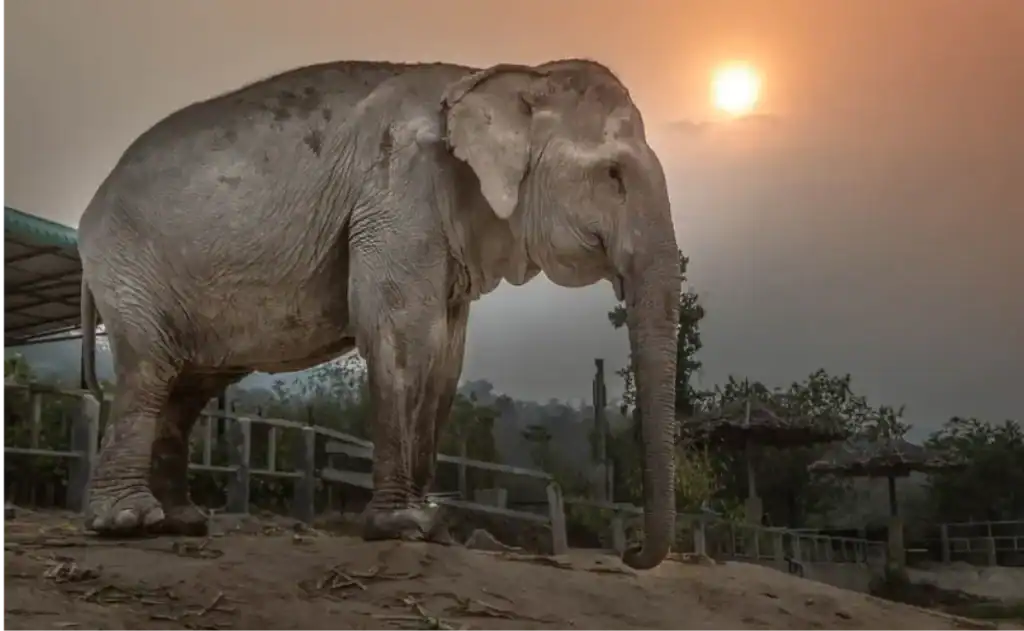
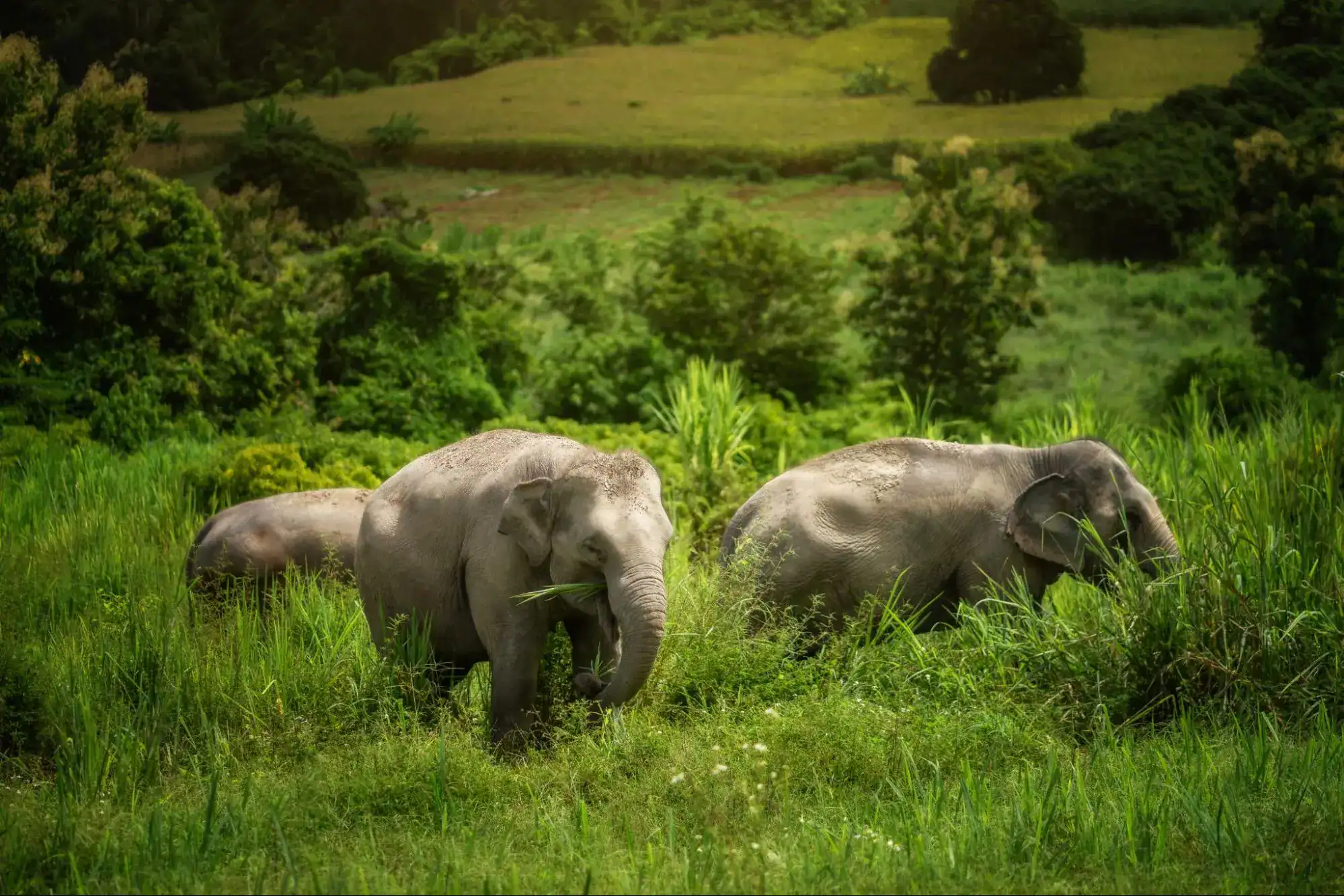
The Asian Elephant is the national animal of Thailand, representing strength and honor. These huge animals usually stand about 2.7 meters tall and weigh between 3,000 to 5,000 kg. They have grey skin and very little hair. You can find them in the wild at Khao Yai or Kui Buri National Park. They love eating grass, bark, and fruits. Today, many live in ethical sanctuaries in Chiang Mai or Phuket, where they are protected and cared for by humans.
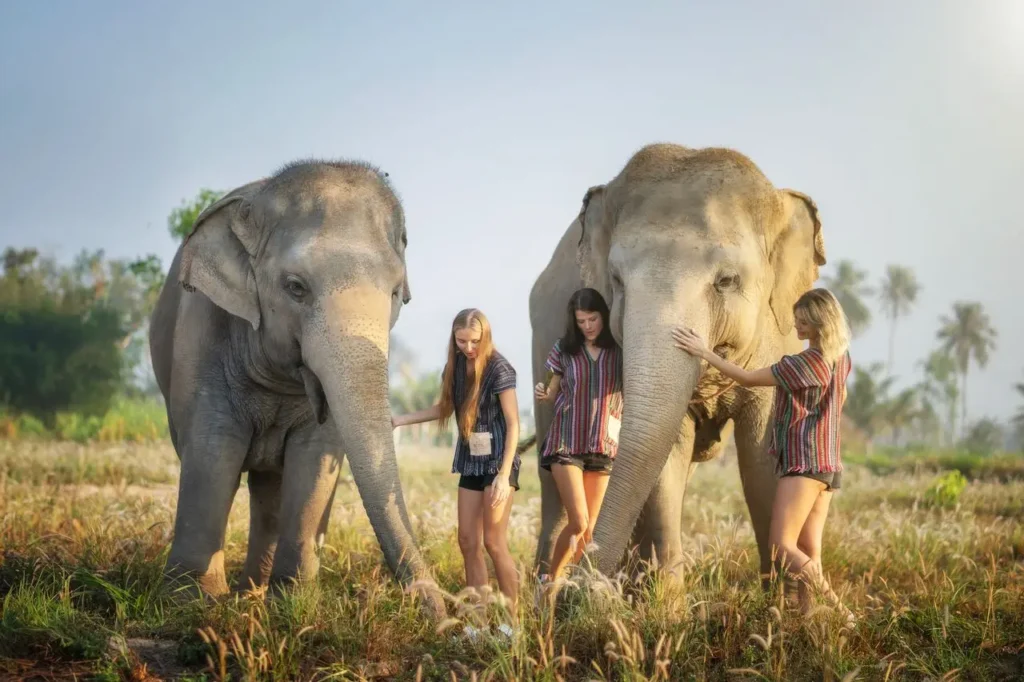
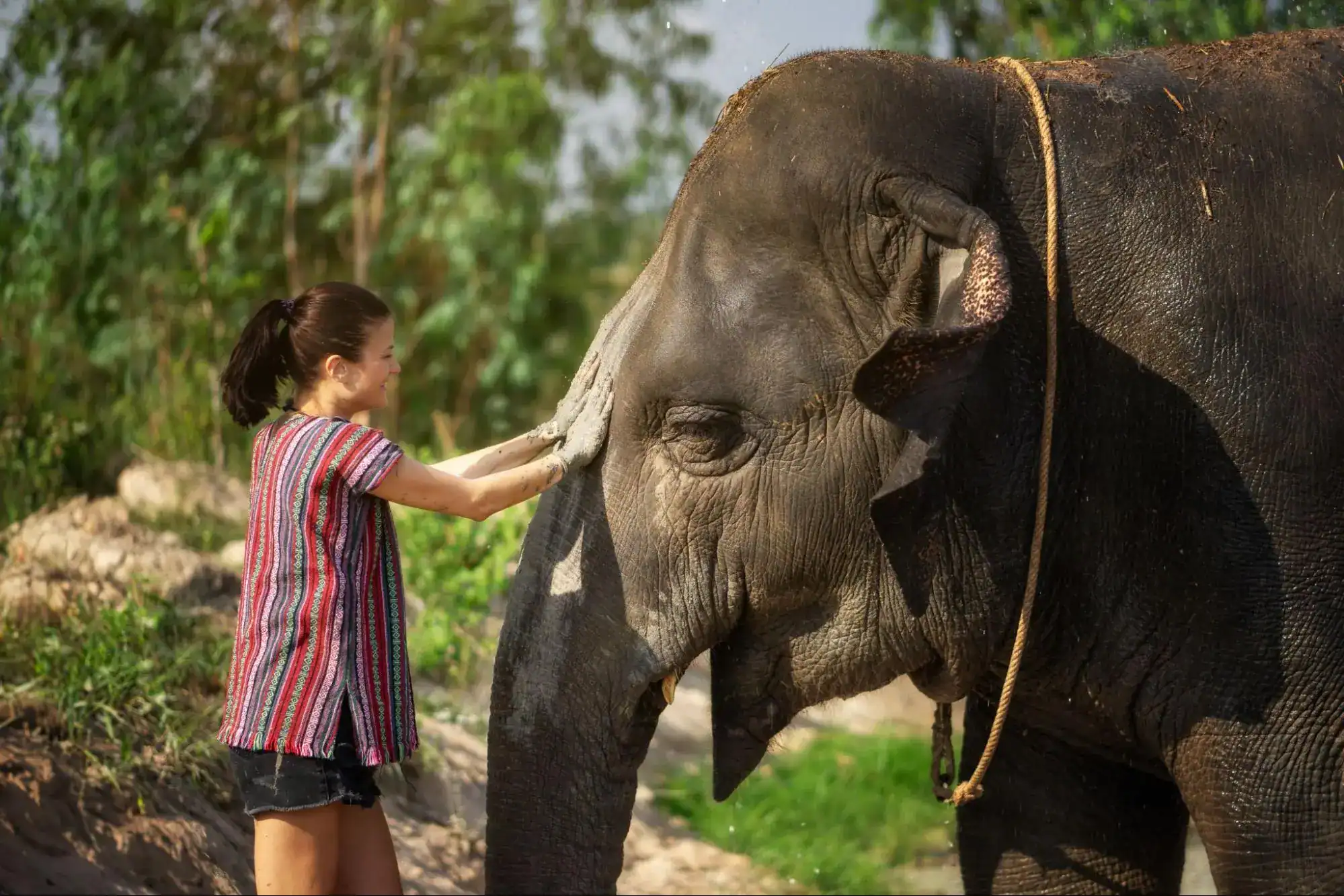
You can experience a special connection with Elephant In Thailand in a responsible tourism way at Elephant Jungle Sanctuary (EJS). Here, guests can enjoy hands-on activities like feeding the elephants and helping them with their daily bath. All interactions are safe and respectful, led by experienced guides and professional mahouts who have been trained by veterinarians to ensure the animals’ well-being. It is a bright and happy place to interact with elephants closely in a responsible environment.
2. Gibbons
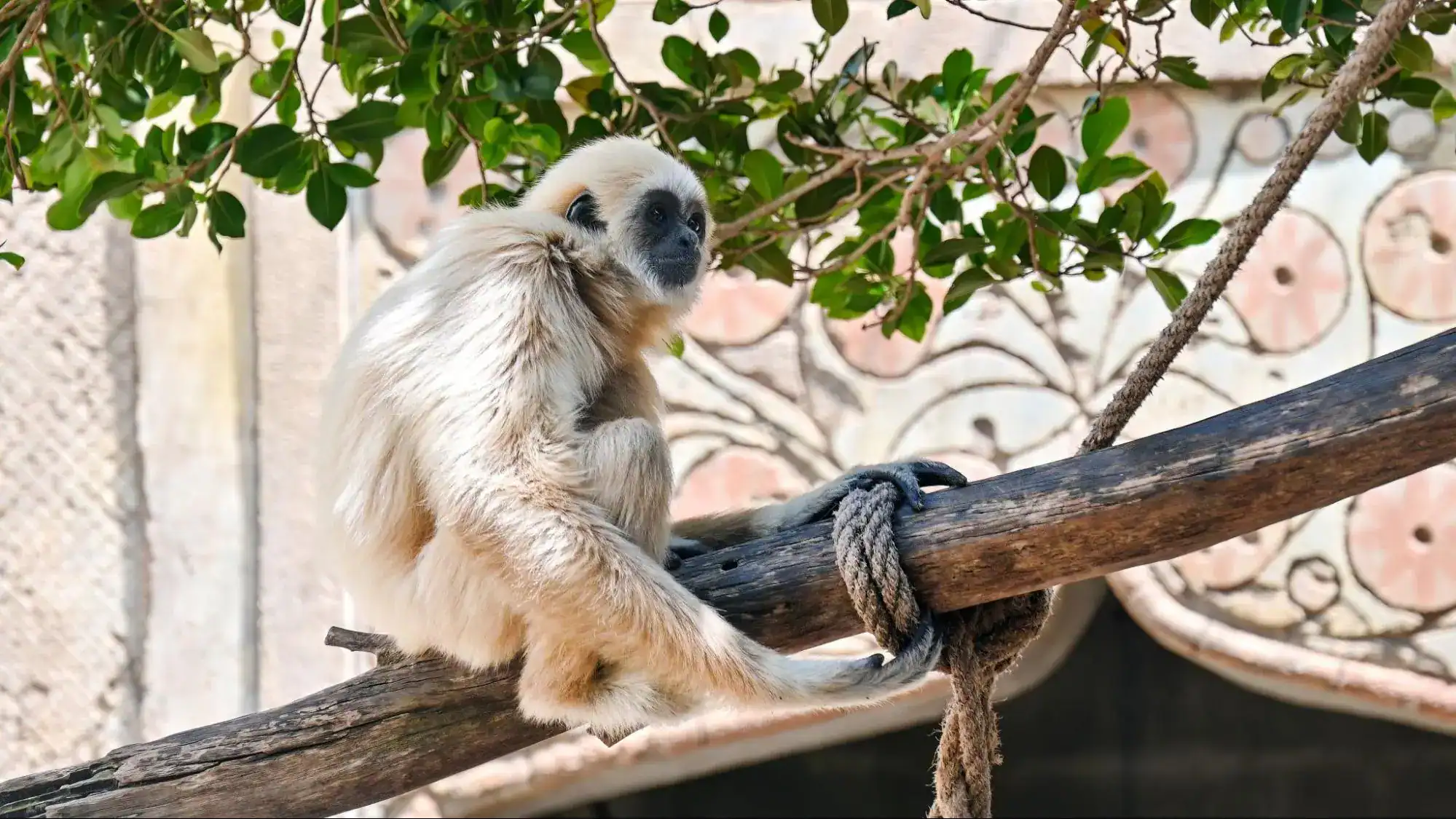
Gibbons are famous as the “acrobats of the jungle” because of their long arms and amazing ability to swing through trees. In Thailand, the White-handed Gibbon is very common. These small apes come in black or light brown colors, but they always have a circle of white fur around their faces and hands. Usually weighing between 5 to 7 kg, they prefer living high up in the forest canopy in places like Khao Sok National Park to stay safe.
These animals in Thailand spend almost their entire lives high above the ground. They move quickly by swinging from branch to branch to find their favorite foods, such as sweet fruits and green leaves. Besides their movement, they are well-known for their loud, musical songs that echo through the forest every morning.
- Support local villages and experience authentic Thai life through meaningful community-based travel experiences. Learn more here Community-Based Tourism
3. Bears
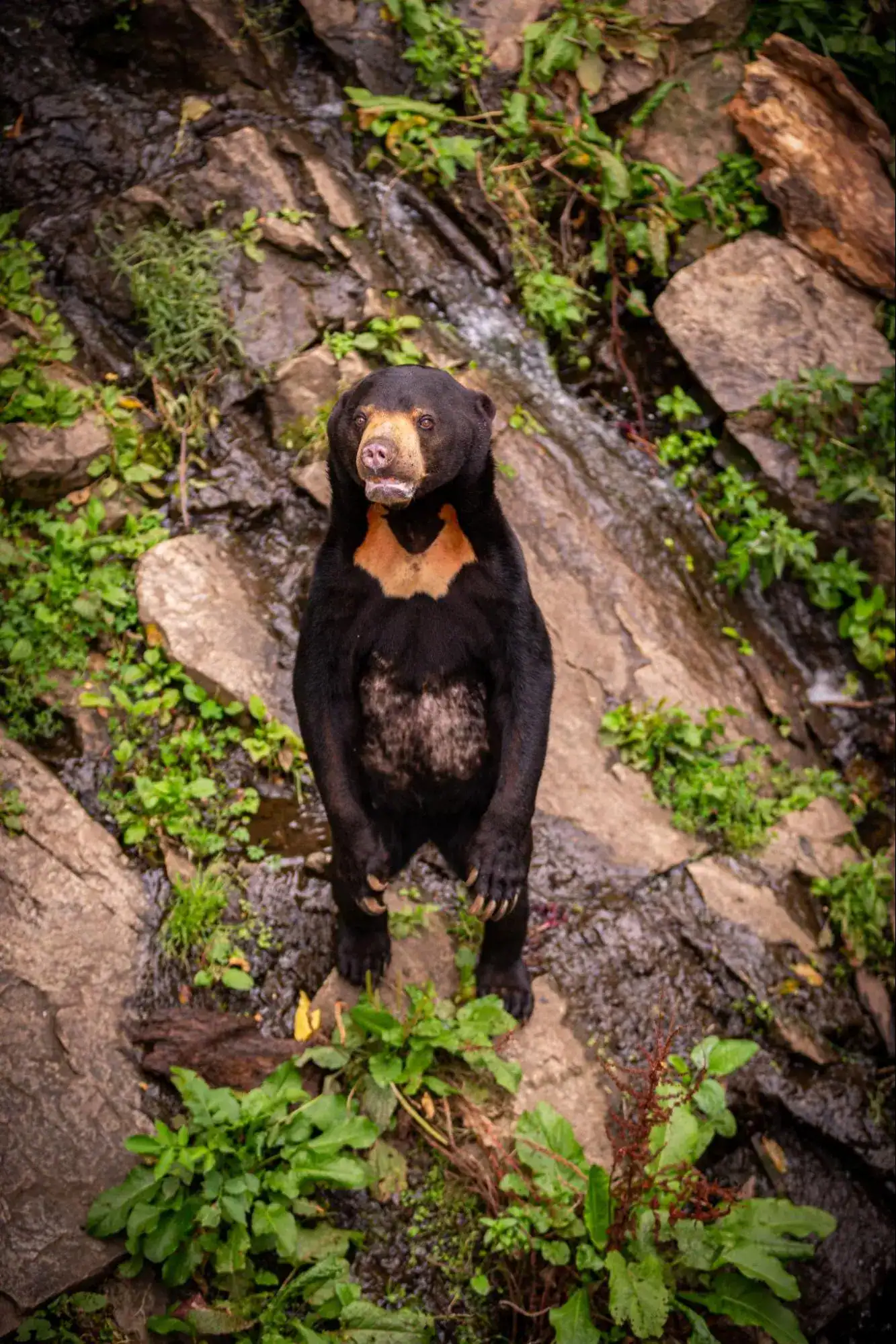
Thailand is home to two bear species: the Asiatic Black Bear and the Malayan Sun Bear. The Sun Bear is the smallest bear in the world, typically weighing between 25 to 65 kg. They are easily recognized by their short black fur and a unique pale patch on the breast. This chest mark varies for each bear, with colors can vary from light cream and dirty white to a rich, golden ochreous. These bears thrive in dense forests like Doi Inthanon.
These forest dwellers are excellent climbers and use their exceptionally long tongues to reach honey and insects inside tree trunks. The Asiatic Black Bear, which is larger, also shares these habitats. Both species play a vital role in Thailand’s ecosystem by acting as seed dispersers and controlling insect populations.
4. Tigers

Tigers are also an animal in Asia too. The Indochinese Tigers are a rare animal in Thailand that is a powerful predator with beautiful orange fur and black stripes. Males can weigh up to 180 kg. These wild animals in Thailand are very rare now and live deep in the forests of Huai Kha Khaeng and Thung Yai Naresuan Wildlife Sanctuaries. You can also find them in the east within the Dong Phayayen-Khao Yai Forest Complex (DPKY), where they roam large territories in search of prey like wild pigs or deer.
As apex carnivores, tigers are vital for a healthy ecosystem, but they face many serious threats today. Their numbers have declined significantly due to habitat loss and poaching, which are the biggest challenges to their survival. Additionally, prey depletion makes it harder for them to find food, sometimes leading to human-tiger conflict as they wander near local communities.
- Explore Thailand while protecting nature to ensure our beautiful planet stays green for future generations. Learn more in this article Sustainable Tourism: Environment, Social & Economic Growth
5. Pangolin
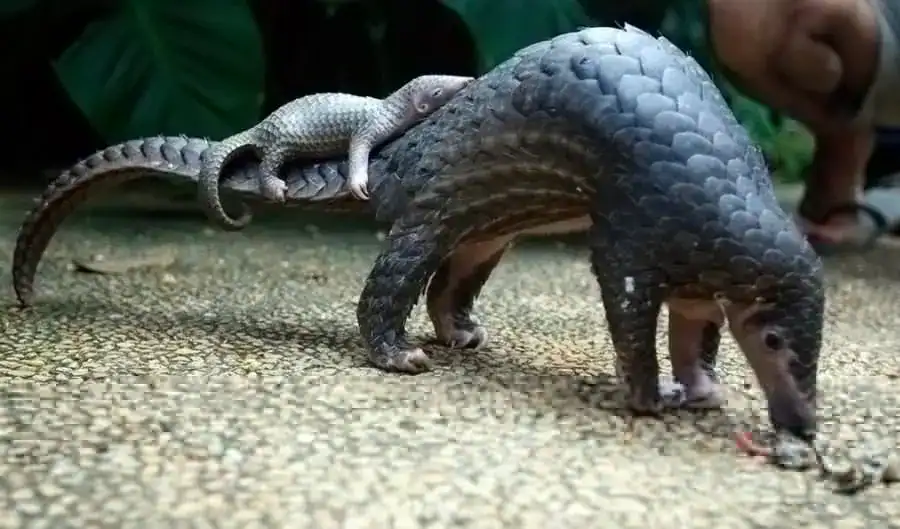
The Sunda Pangolin are covered in hard, brown scales made of keratin (the same as our fingernails). They are small, usually weighing about 5 to 7 kg. They live in hollow trees or burrows in places like Kaeng Krachan. Pangolins are shy and active at night. They use their long, sticky tongues to eat ants and termites.
Sadly, they are endangered animals in Thailand due to threats such as poaching and trafficking, driven by a high demand for their scales and meat. Additionally, the loss of habitat due to deforestation, human intrusions into their natural territory, and the growing impact of climate change have made it increasingly difficult for them to survive.
- Discover the heart of Thailand by diving into its unique traditions, ancient history, and colorful festivals in this article Thai Culture: Unveiling the Land of Smiles’ Unique Traditions
Marine Life in Thailand
Thailand’s oceans are just as exciting as its jungles. The warm waters of the Gulf of Thailand and the Andaman Sea are home to some of the most beautiful sea creatures in the world. From giant sharks to rare pink dolphins, the underwater world here is full of color and life.
1. Pink Dolphins (Indo-Pacific Humpback Dolphin)
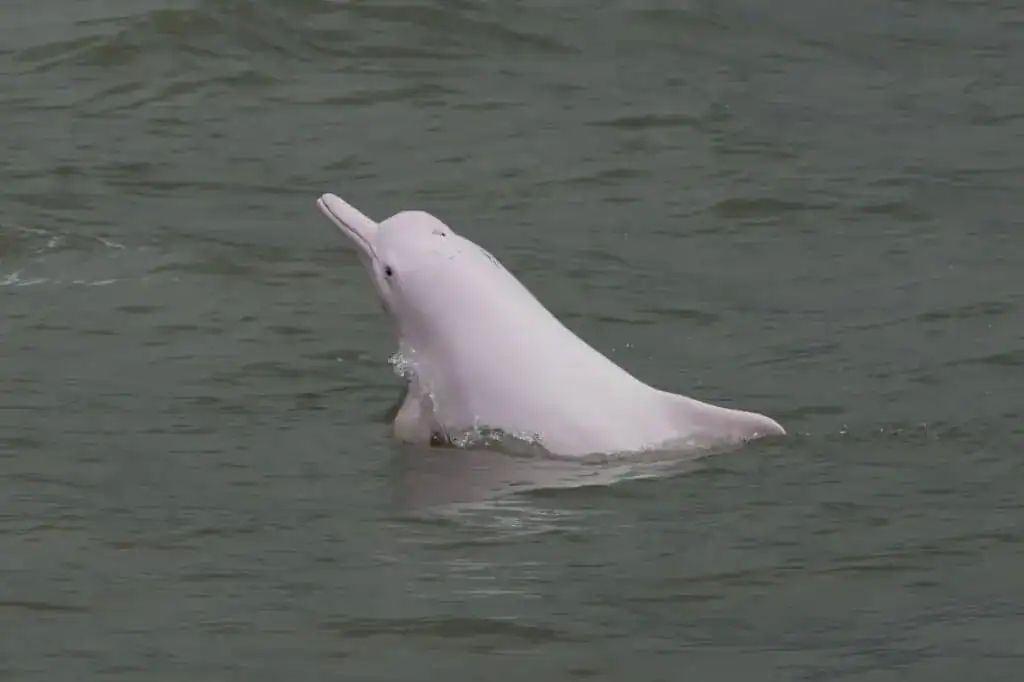
The Indo-Pacific humpback dolphin is the specific species known as the rare “The Pink Dolphin” These unique marine mammals are a spectacular sight, famous for their changing colors. While they are born dark grey, their skin gradually fades to a beautiful pinkish-white or speckled pink as they mature. This coloration isn’t from pigment, but from blood vessels coming close to the skin surface to help the dolphin cool down.
Typically growing between 2 to 2.5 meters in length and weighing up to 200 kg, these dolphins prefer shallow coastal waters. You can best spot these amazing animals in Thailand in the central west of GOT (Donsak, Surat Thani Province and Khanom, Nakhon Si Thammarat Province).. They enjoy eating small fish and squid and like to live in groups near the shore.
2. Dugong
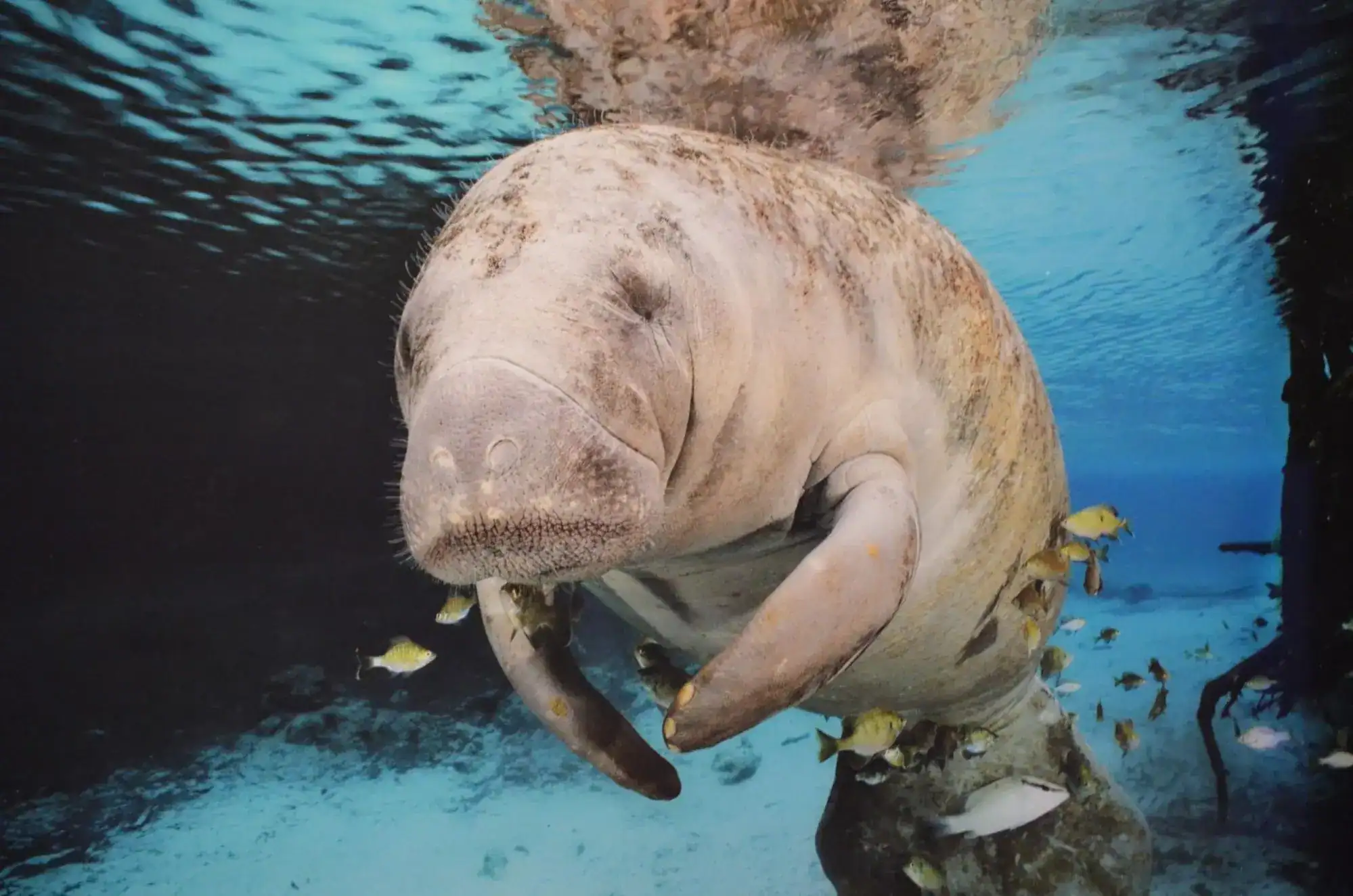
The Dugong is commonly known as the “Sea Cow” is a peaceful mammal famous for its slow movements and love for seagrass. These gentle giants can reach lengths of up to 3 meters and weigh approximately 400 kg. They are easily identified by their thick, grey skin and a unique tail that resembles that of a whale.
In Thailand, these quiet creatures thrive in the lush seagrass beds around Trang province and Phang Nga Bay. They spend the majority of their lives underwater, grazing on aquatic plants and maintaining the health of the ocean’s floor. Their calm nature makes them one of the most beloved marine animals in the region.
3. Whale Sharks
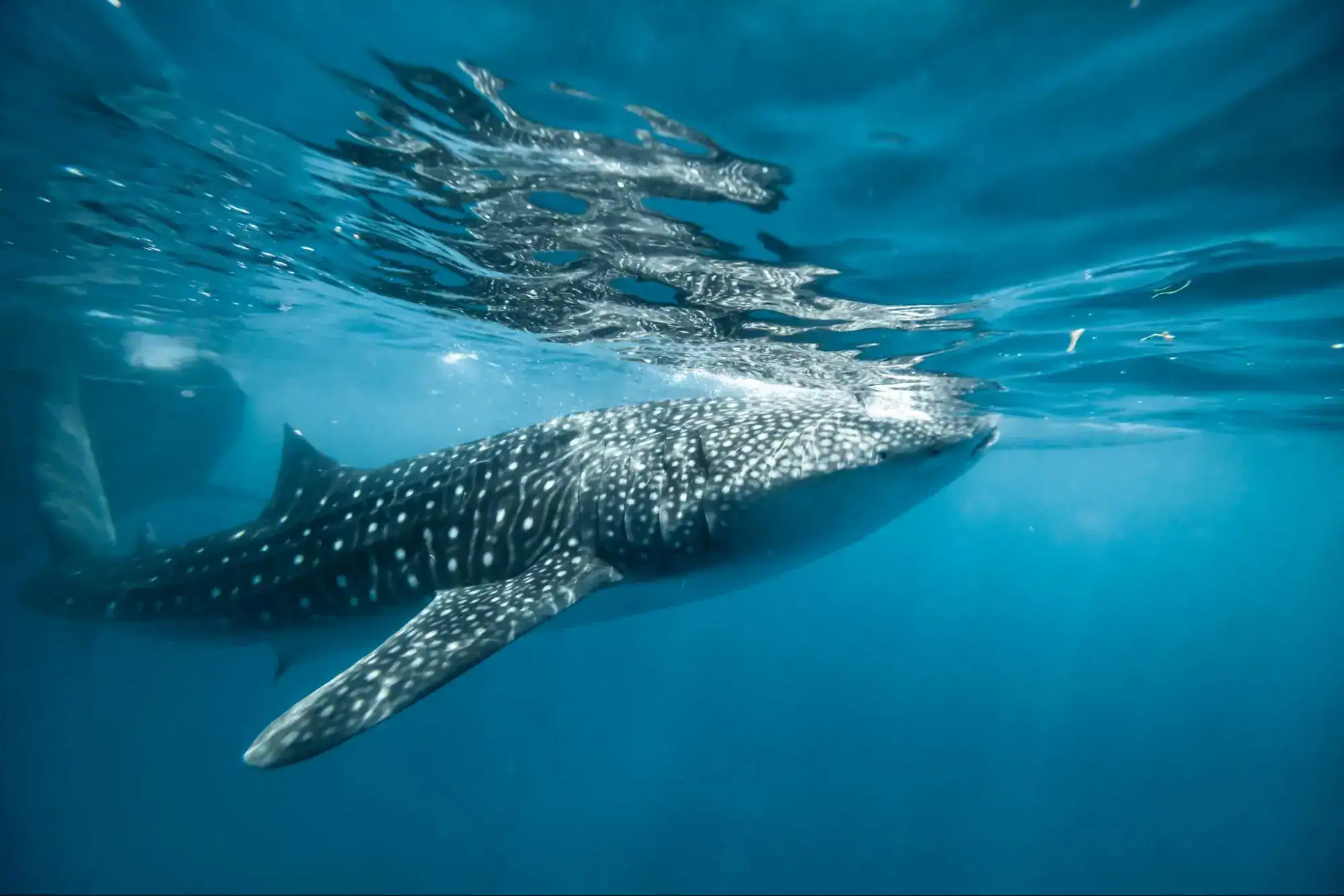
The Whale Shark is the largest fish in the ocean, reaching incredible lengths of up to 12 meters, roughly the size of a large bus! Despite their massive scale, these animals in Thailand are completely harmless to humans. They are easily recognized by their dark blue or grey skin, which is covered in a beautiful, unique pattern of white spots and stripes.
In Thailand, divers often encounter these majestic creatures in the Andaman Sea or around popular islands like Koh Tao. Unlike other sharks, they don’t hunt large prey. Instead, they cruise slowly through the water with their wide mouths open, filtering tiny plankton and small fish. Their calm presence makes them a bucket-list sighting for anyone exploring Thailand’s underwater world.
4. Leatherback Sea Turtle
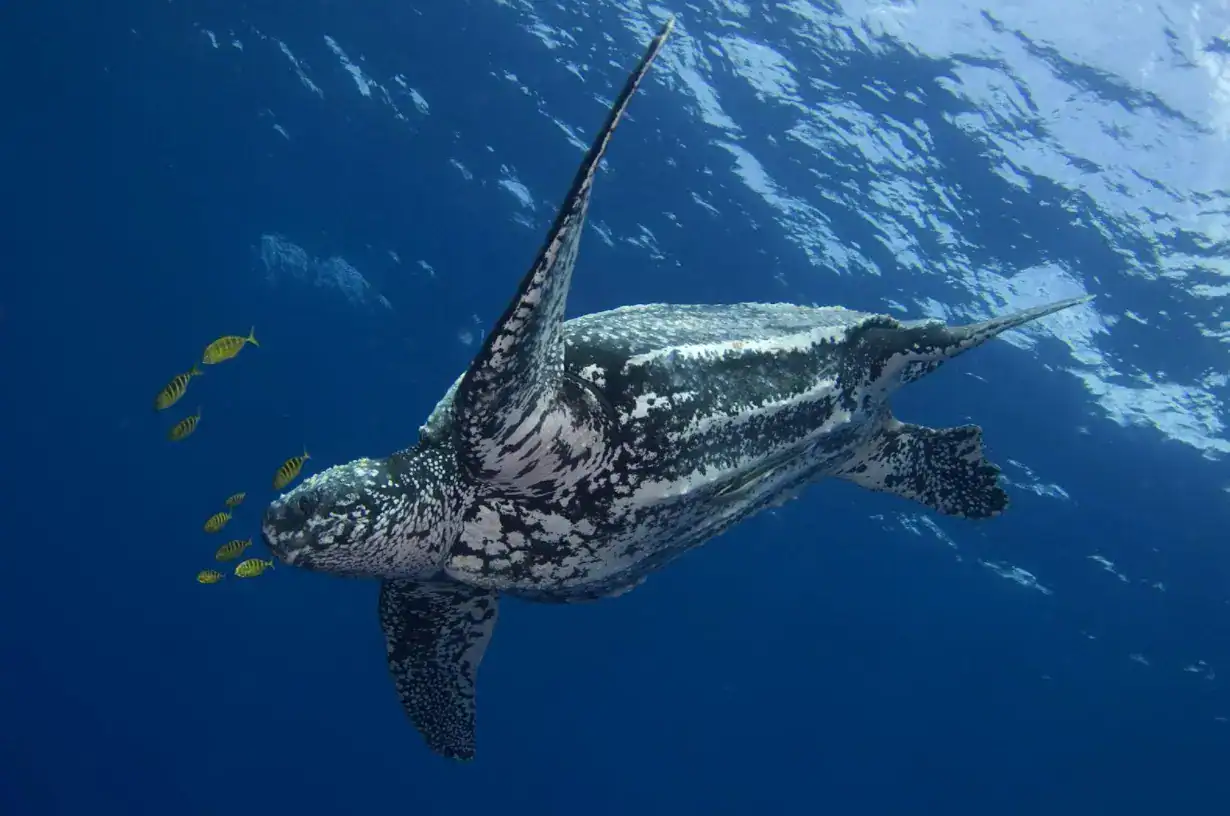
The Leatherback is the largest turtle on Earth, standing out because of its unique, rubbery shell rather than the hard plates found on other species. These massive reptiles are typically dark grey or black with white spots and can weigh up to 600 kg. Despite being great travelers of the deep ocean, they return to the quiet, sandy beaches of Phang Nga and Phukhet to lay their eggs, continuing a vital life cycle.
In the wild, their favorite food is jellyfish, a diet that helps keep the ocean’s ecosystem healthy and balanced. Because they often mistake plastic bags for food, they are a vulnerable species that needs our protection. Seeing one of these ancient giants in the waters of Thailand is a rare and special experience, reminding us of the incredible diversity found within our seas.
5. Manta Rays
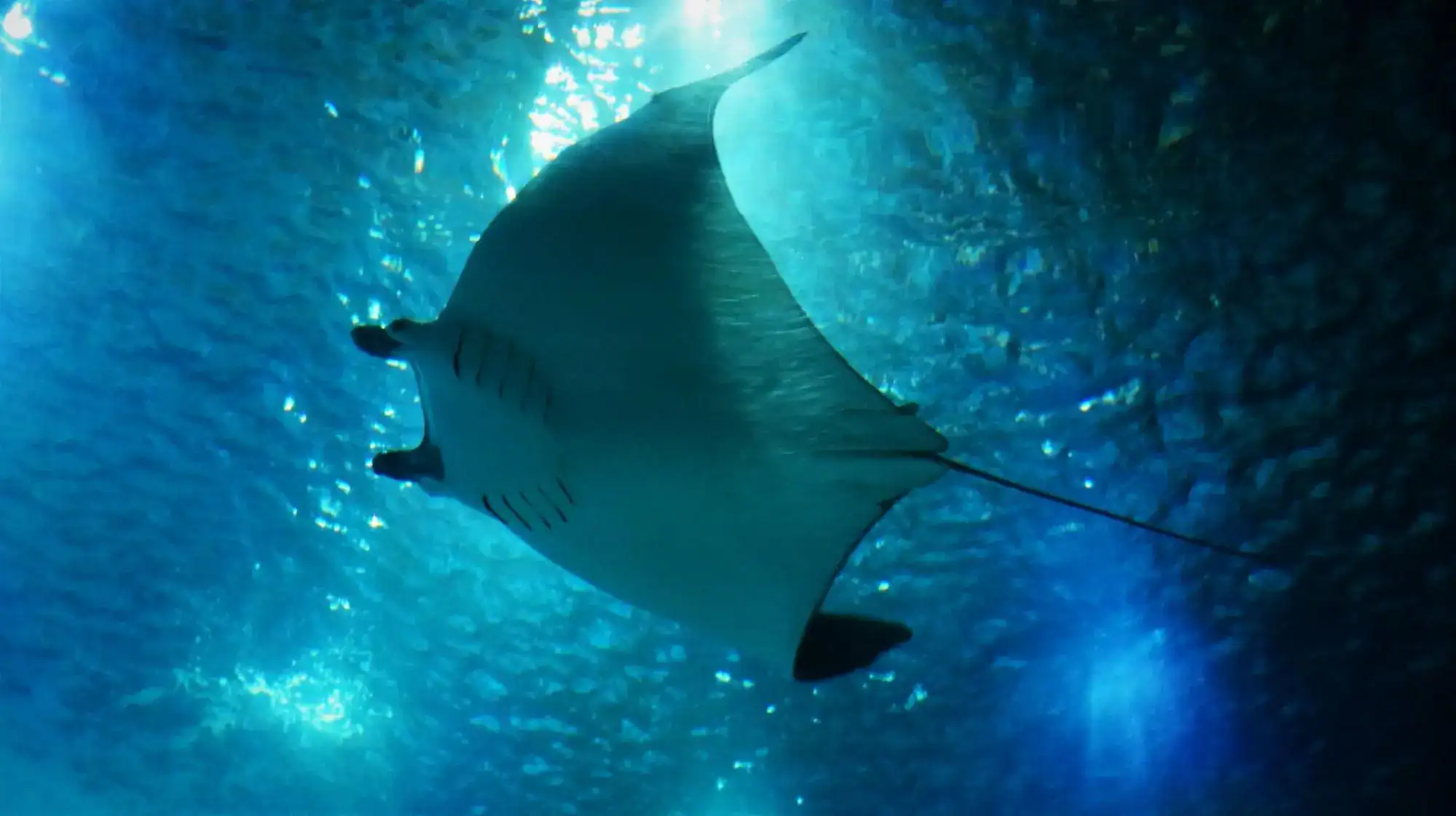
Manta Rays are famous for their huge “wings” that look like they are flying through the water. These are some of the most unique animals in Thailand found under the sea. The Giant Manta Ray can have a wingspan of up to 7 meters.
They are usually black on top and white underneath. The best places to see them are the Similan Islands and Hin Daeng. Manta Rays are very smart and curious creatures. They eat tiny plankton and often visit “cleaning stations” which are specific spots on the reef where they hover patiently. Here, small fish like wrasses act as “cleaners,” picking parasites and dead skin off the Manta Ray’s body, a perfect example of nature working together.
Reptiles in Thailand
Thailand is a paradise for reptile lovers. Because the weather is warm and humid, many different species can thrive here. You can find these cold-blooded animals everywhere, from the busy parks of Bangkok to the deep, quiet corners of the rainforest.
1. Tokay Gecko
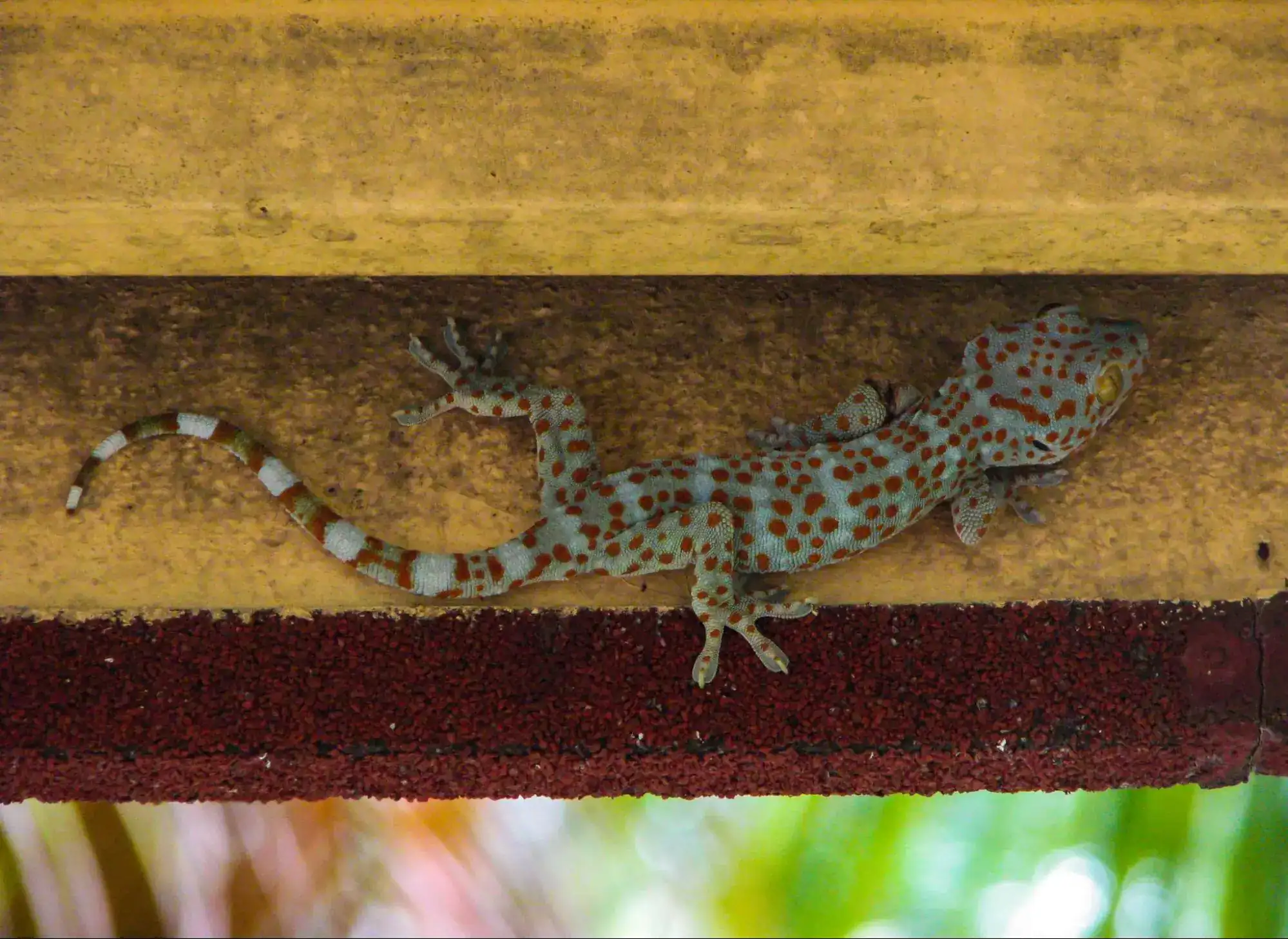
The Tokay Gecko is one of the most vibrant and colorful lizards found throughout Thailand. Its distinctive light blue or grey body is covered in striking, bright orange spots, making it easy to identify. These geckos usually grow between 25 to 35 cm in length. While they naturally inhabit lush forests, they are also very common residents inside Thai homes, where they hide behind picture frames or in dark corners.
They are most famous for their loud, barking “To-Kay” call, which echoes through the night and gives them their name. These animals in Thailand are incredibly helpful to homeowners because they act as natural pest control, eating insects like cockroaches, moths, and even small mice. However, they are known to be quite protective and territorial, so it is best to admire their beautiful colors from a distance!
2. False Gharial
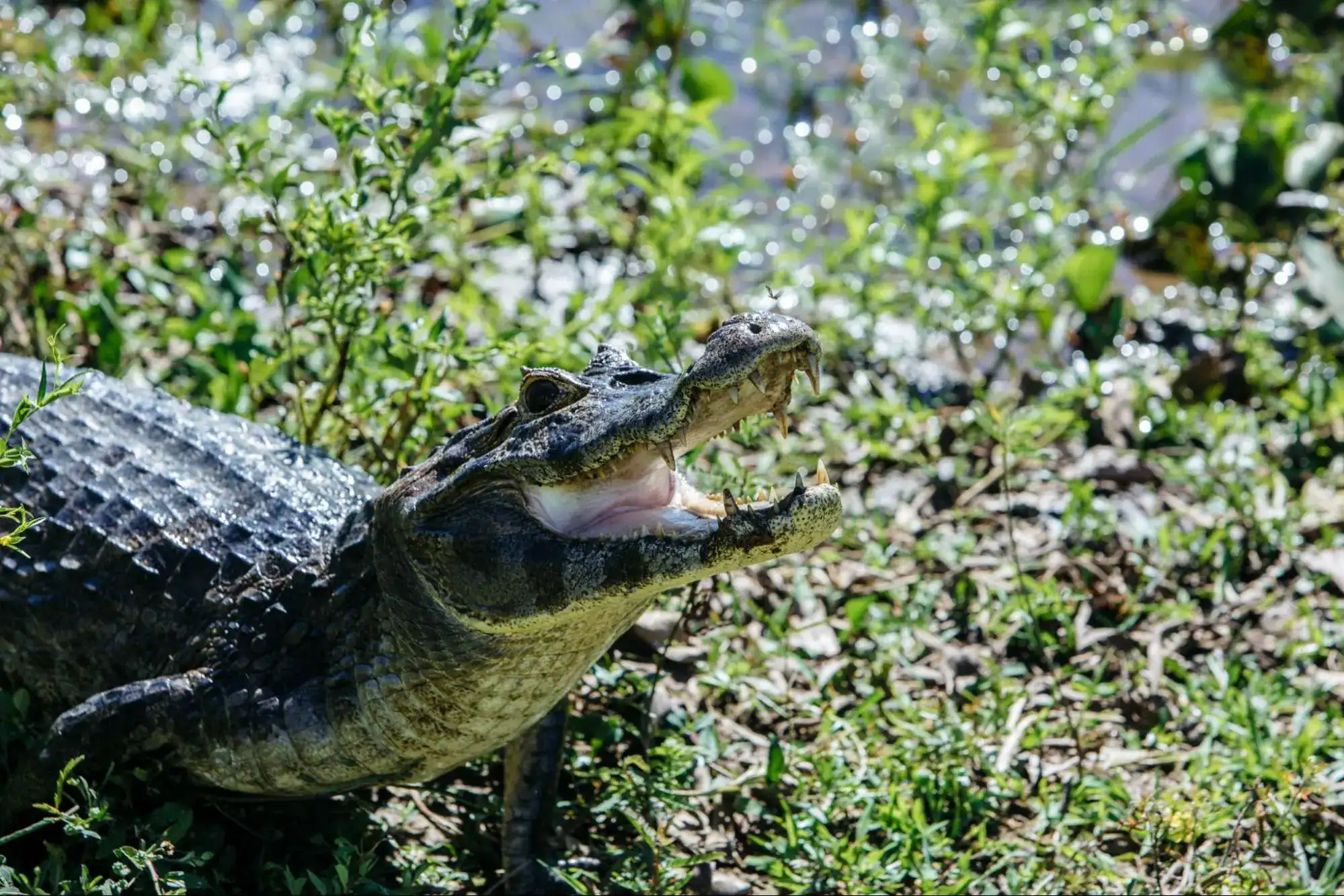
The False Gharial is a unique freshwater crocodile known for its exceptionally long and thin snout. Reaching lengths of 3 to 4 meters, they feature dark brown skin marked with black bands. While these animals in Thailand were once found in the swamps and rivers of the South, they are now sadly considered extirpated from the country. They remain native to Peninsular Malaysia, Sarawak, and parts of Indonesia, where they inhabit quiet rivers, swamps, and lakes.
These shy creatures are specialized hunters, using their slender snouts to snap up fish with lightning speed. They prefer secluded, watery habitats far away from human activity. Although they have vanished from the Thai wilderness, they remain a significant part of the region’s natural history. Conservation efforts across Southeast Asia are now critical to protecting the remaining populations in Malaysia and Indonesia, ensuring this ancient and distinctive species does not disappear entirely.
3. King Cobra
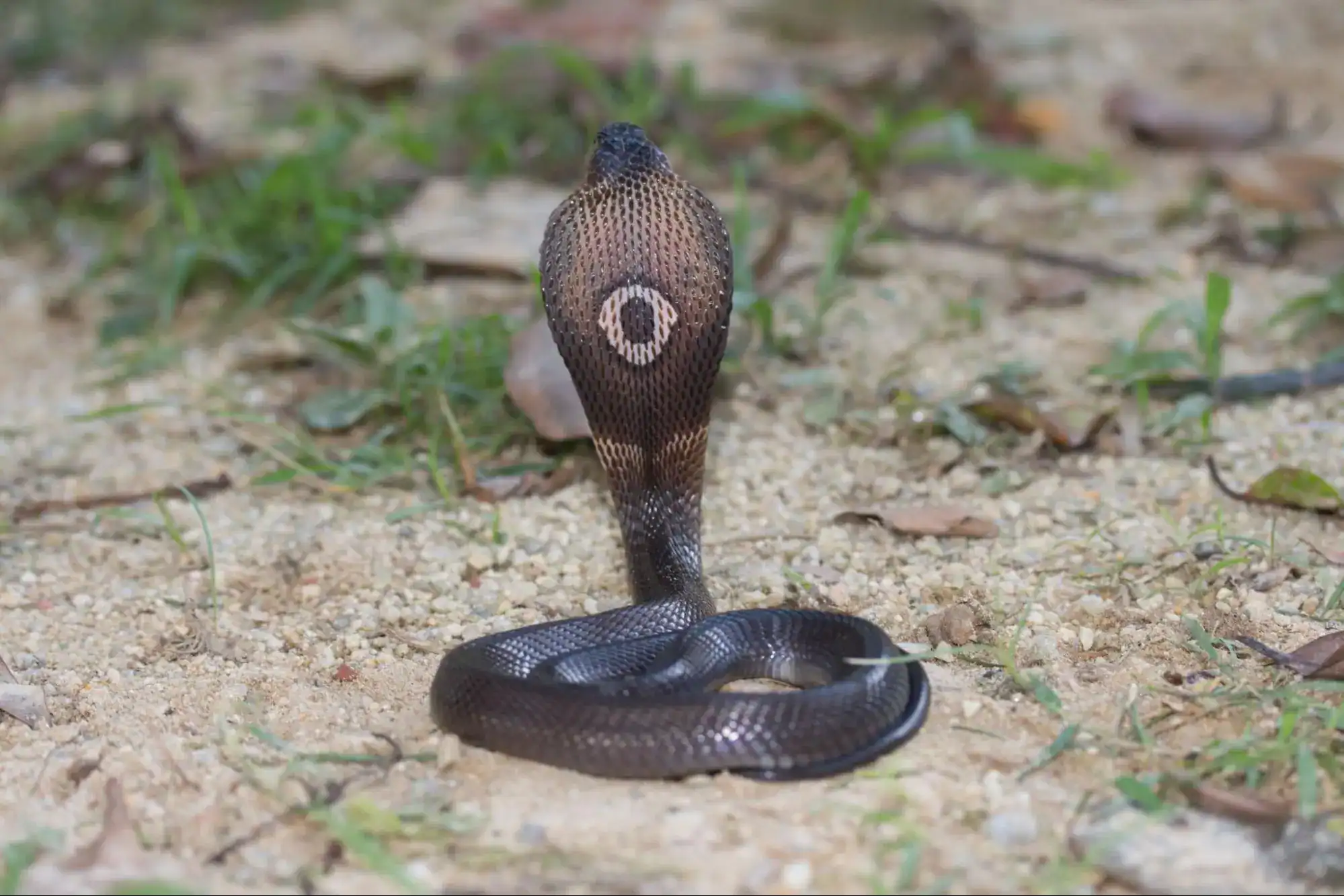
Let’s move to dangerous animals in Thailand. The King Cobra is the longest venomous snake in the world, reaching lengths of up to 5.5 meters. It is known as one of the most dangerous animals in Thailand because of its strong venom. They are usually olive green, brown, or black with pale yellow bands.
You can find these poisonous animals in Thailand in forests and grasslands across Thailand, especially in Khao Yai or Khao Sok. What makes them interesting is that they mostly eat other snakes. While they are dangerous, they are usually shy and will try to avoid people unless they feel trapped.
4. Flying Lizard
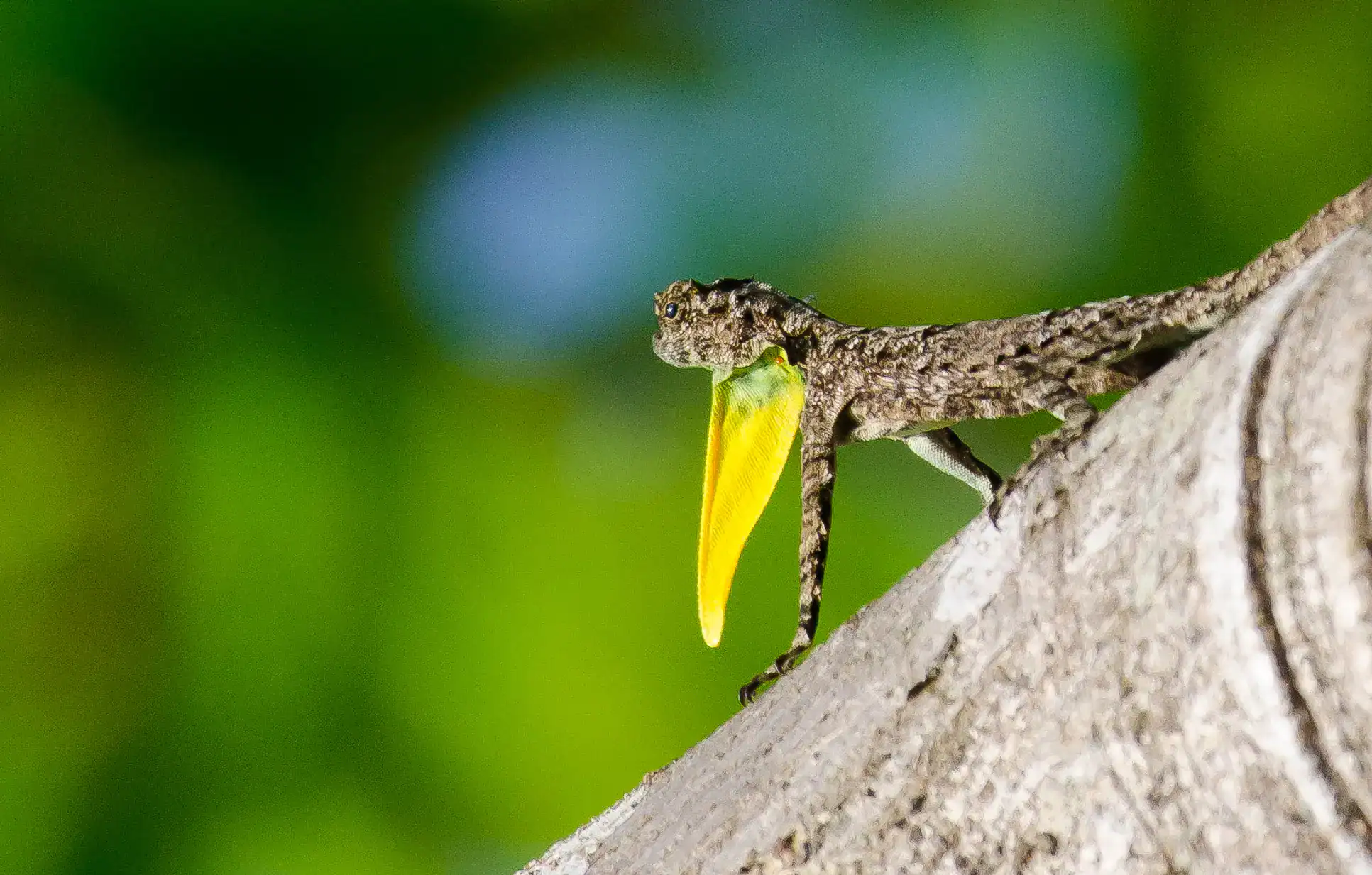
Commonly known as the “Draco,” the Flying Lizard is a remarkable reptile famous for its ability to glide through the air. These small lizards grow to about 20 cm in length and feature brown or grey skin, which acts as perfect camouflage against tree bark. Their most incredible feature is a set of “wings” made from expanded skin folds. When opened, these wings reveal vibrant flashes of yellow or orange, which they use to signal to other lizards.
Living high in the trees throughout Thailand’s lush forests, they are experts at arboreal life. They don’t fly by flapping like birds; instead, they leap from high branches and glide gracefully between trees to travel or escape predators. This unique way of moving allows them to quickly forage for their favorite meals, such as ants and termites. Seeing a Draco in motion is like watching a tiny, colorful kite dancing through the canopy.
5. Asian Water Monitor Lizard
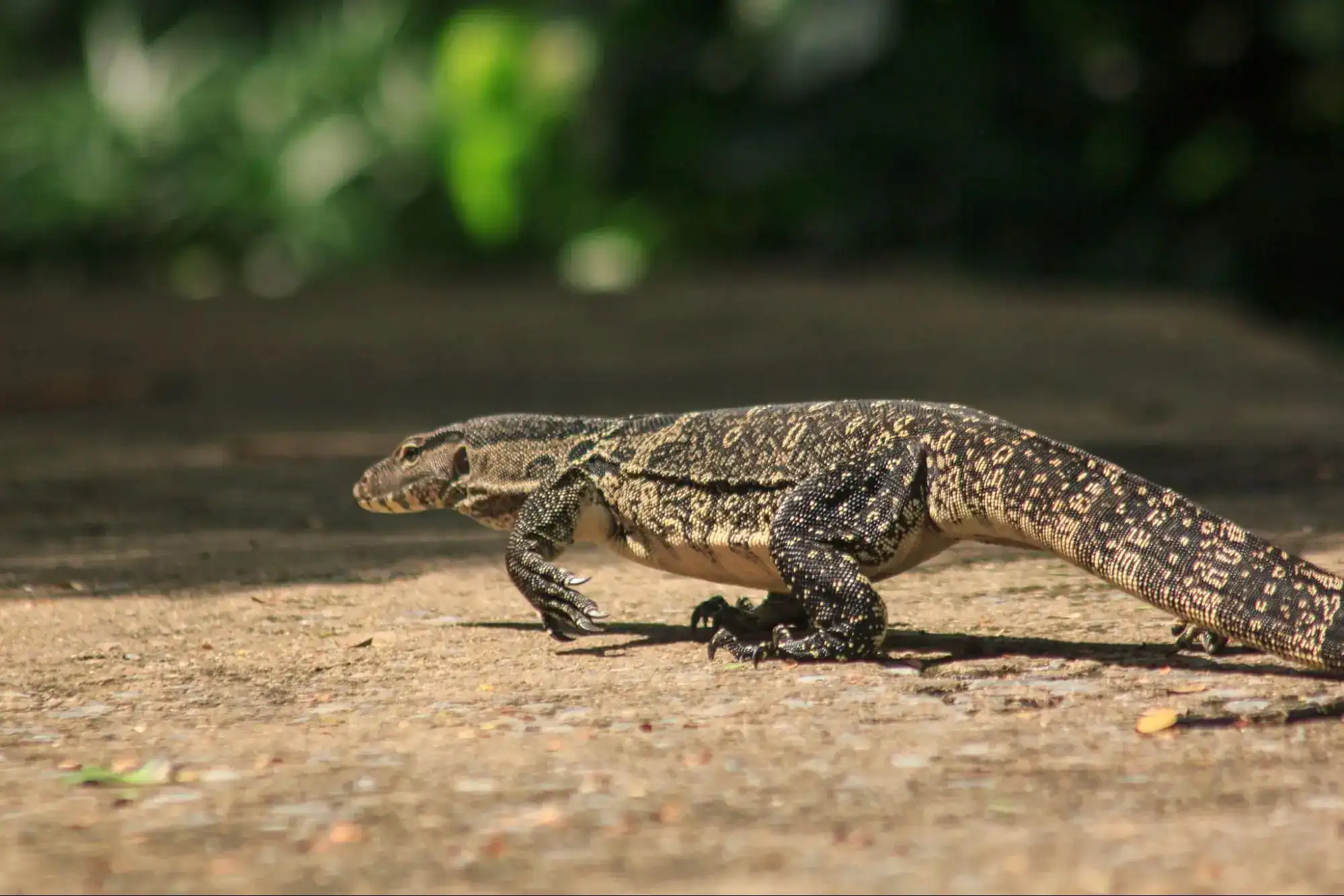
The Asian Water Monitor is the largest lizard species in Thailand, frequently reaching lengths of up to 2 meters and weighing nearly 20 kg. These impressive reptiles are covered in dark, scaly skin adorned with small yellow spots and possess incredibly long, powerful tails. They are highly adaptable and are a common sight in wetlands, rivers, and even urban green spaces like Bangkok’s Lumpini Park, where they have become a famous attraction for visitors.
As their name suggests, they are exceptional swimmers and spend much of their time near water. They are opportunistic hunters with a very diverse diet, consuming everything from fish and frogs to birds and small mammals. While their size can be intimidating, they generally prefer to avoid conflict with humans.
Frequently Asked Questions (FAQs)
What is Thailand’s main animal?
The elephant is the national symbol and most famous animal of Thailand, representing strength and wisdom. Historically, these majestic creatures have played a vital role in Thai culture and are now protected in national parks and ethical sanctuaries.
Does Thailand have snakes?
Yes, Thailand is home to many snake species, including the King Cobra, which is the world’s longest venomous snake. Snakes are common in various habitats such as forests, grasslands, and even urban areas like Bangkok’s parks.
What animals are mostly found in Thailand?
Thailand is rich in biodiversity, featuring common mammals like elephants, gibbons, and macaques. You will also frequently see reptiles like the Tokay gecko and Asian water monitor lizard, along with diverse marine life like dolphins and sea turtles.
Animals in Thailand – Exploring Diverse Species at Land of Smiles
Thailand’s wildlife is an essential part of its natural heritage, offering a glimpse into a world of incredible biological diversity. These animals in Thailand, whether it is the intelligent mammals in the canopy, the gentle giants of the sea, or the colorful reptiles on the forest floor, each animal plays a vital role in the environment.
If you want to support ethical wildlife tourism, visiting EJS, the Ethical Elephant Sanctuary, is a perfect choice. Our ethical elephant sanctuary provides a happy and safe home for elephants, where they are treated with love and respect. You can participate in hands-on activities like preparing food and bathing these gentle giants in a natural setting. With the guidance of professional mahouts and experienced guides, you will gain a deep understanding of elephant conservation in a bright, friendly environment.
Elephant Jungle Sanctuary (EJS) has several locations across Thailand, you can visit us at