Thailand is globally known as the “Land of Smiles,” a name perfectly capturing the warmth and graciousness of its people. To truly appreciate this incredible destination, understanding the core of Thai culture is essential. It’s a rich tapestry woven with deep-seated respect, ancient spiritual beliefs, and unique social customs that differ significantly from many Western norms.
Whether you’re planning a visit or simply curious about this captivating Southeast Asian nation, delving into the nuances of Thai traditions will enrich your perspective and prepare you for an unforgettable, respectful journey.
Key Takeaways
- Thailand is a constitutional monarchy located in Asia, bordered by Laos, Cambodia, Myanmar, and Malaysia, with Bangkok as its capital city.
- The foundation of Thai Culture is Theravada Buddhism, influencing everything from architecture and Thai tradition to daily social interactions.
- Elephants are the National Animal and hold immense cultural and historical significance.
- Showing respect for the monarchy, elders, the sanctity of the head, and the uncleanliness of the feet are fundamental aspects of courtesy for Thai men and women.
Get to Know Thailand
Where is Thailand located? Thailand is a country located in the heart of Southeast Asia. It is not an island and Thailand is often placed on a map next to countries like Laos, Cambodia, Myanmar (Burma), and Malaysia. The country’s full name is the Kingdom of Thailand, with its vibrant capital city of Thailand being Bangkok (Krung Thep Maha Nakhon).
Thai people are predominantly Buddhist (Theravada), which is inextricably linked to every facet of Thai Culture. The deep respect for Buddhism is evident in the thousands of ornate temples (wats) found across the nation, making religious sites a key component of the tourism industry.
With a current Thailand population of approximately 70 million, the nation is renowned for its hospitality. The official Thailand currency name is the Thai Baht (THB), and the official language is Thai, though various dialects are spoken regionally. This blend of strong national identity, ancient religion, and historical independence.
10 Things You Should Know about Thai Culture
Thai culture is complex, nuanced, and beautiful. For visitors to truly appreciate their time in the Land of Smiles, understanding these fundamental cultural elements will create more meaningful experiences and help you connect authentically with Thai people. Let’s explore the essential aspects that define Thai traditions and daily life.
1. Elephants, Thailand National Animal
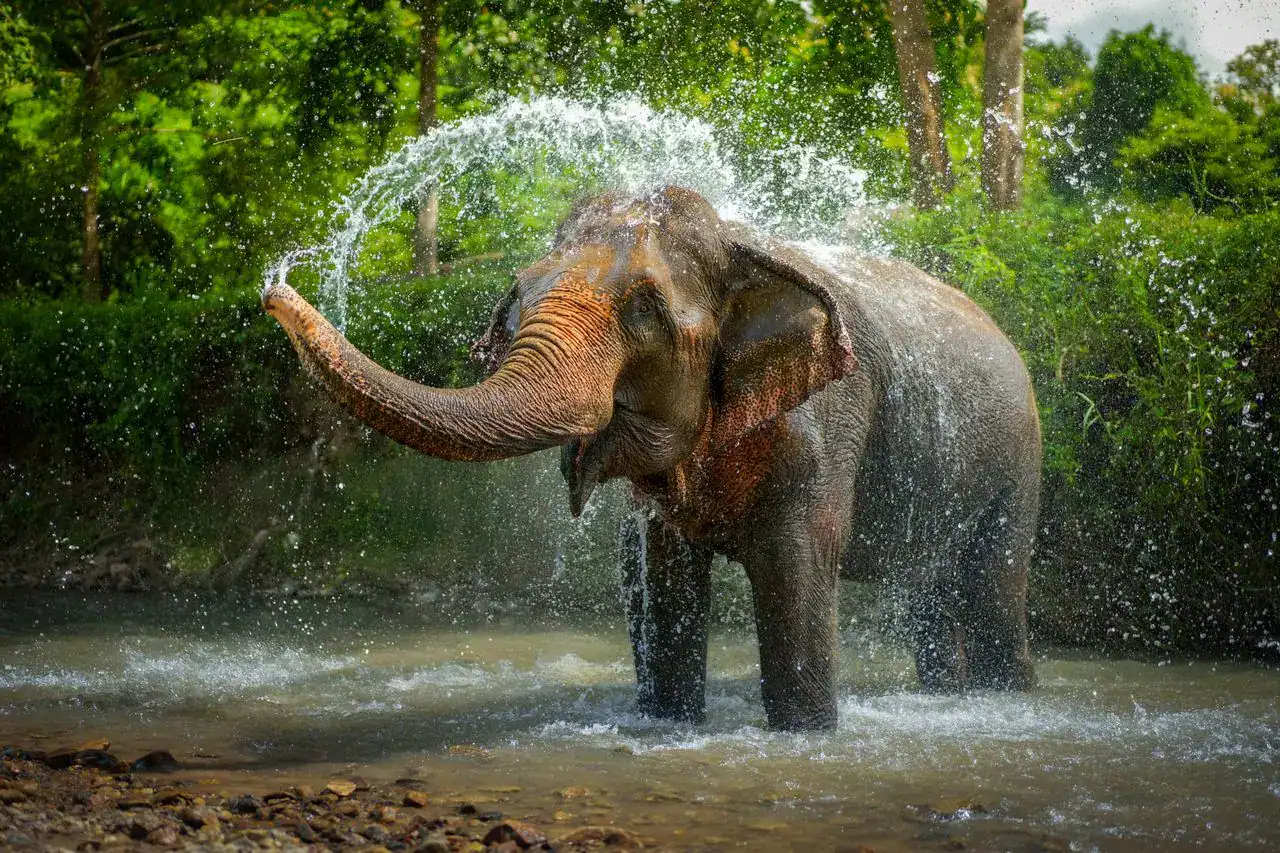
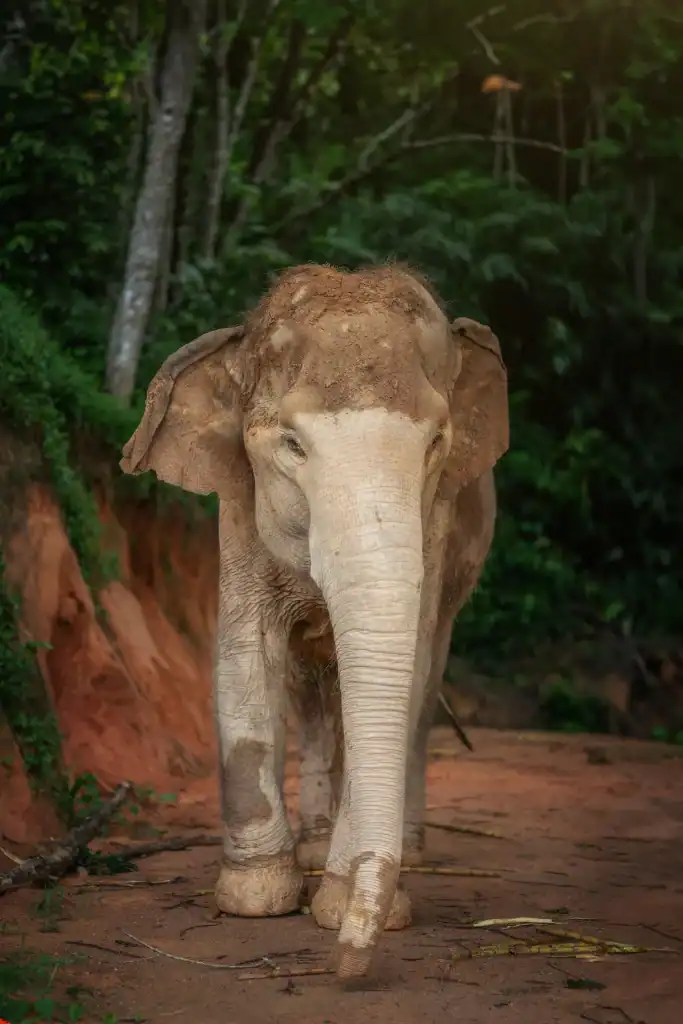
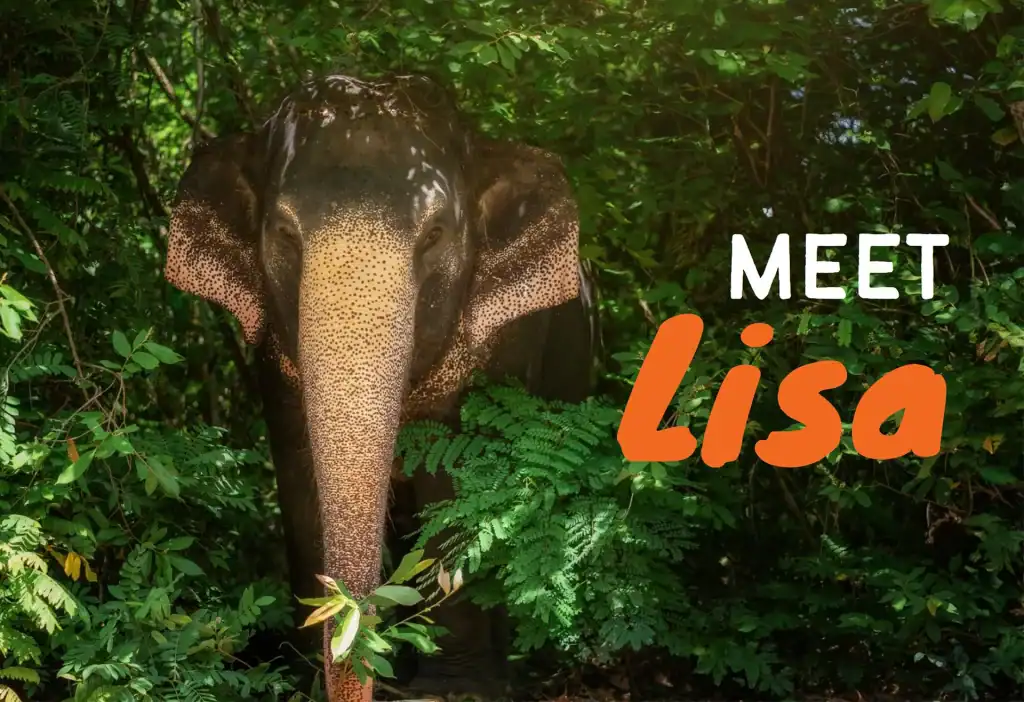
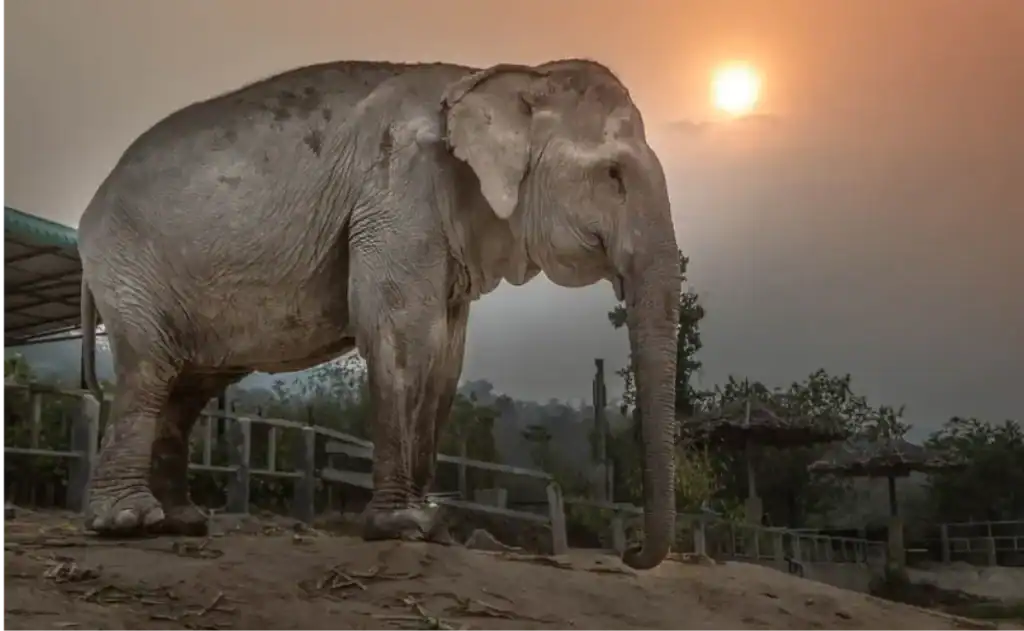
Elephants, or Chang in Thai, are historically and spiritually vital to Thai Culture. For centuries, they have been symbols of royalty, strength, and religious iconography. This profound connection is why conservation and ethical interaction are so important today.
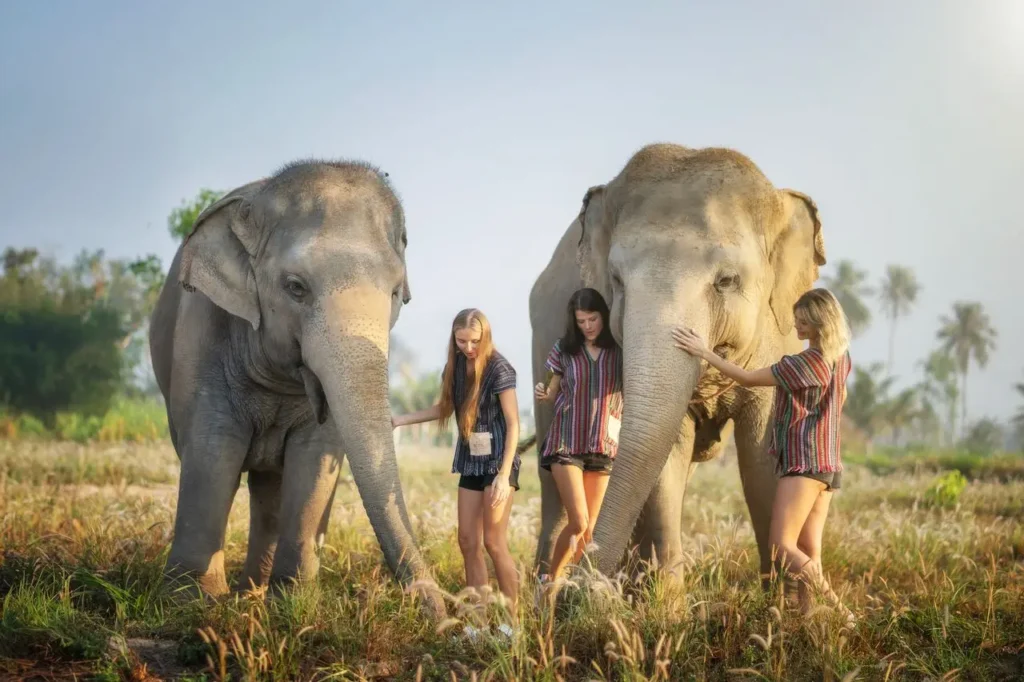
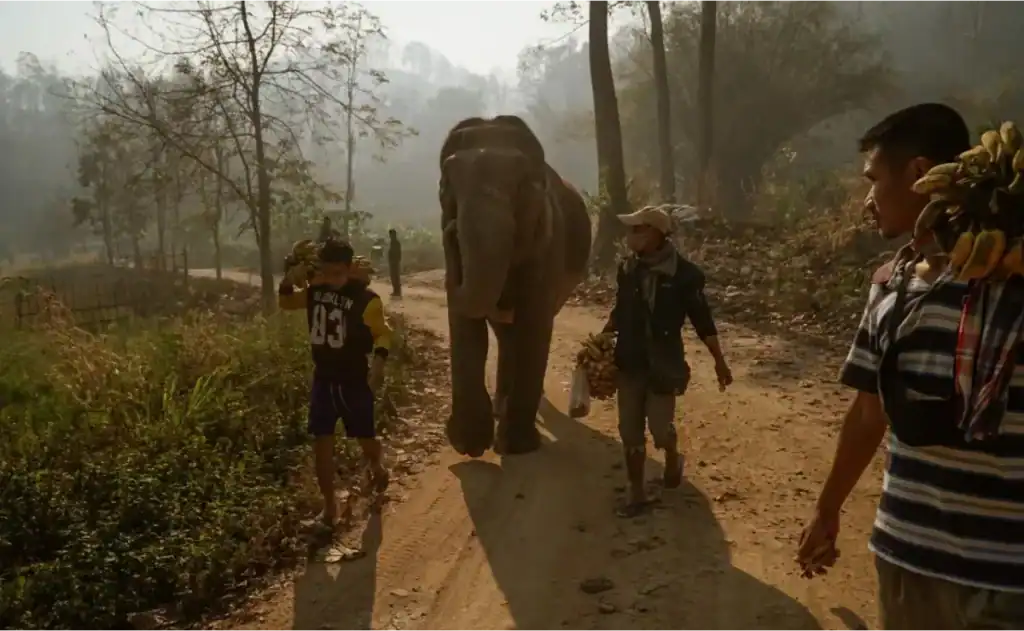
At Elephant Jungle Sanctuary (EJS), we embody this respect by operating a true Ethical Elephant Sanctuary. Our focus is solely on the well-being of the elephants under the care of dedicated mahouts and veterinarians. We prioritize allowing these magnificent creatures to live naturally, fostering genuine, respectful interactions. When we mention activities like bathing the elephants, it is always framed as care and enrichment for the animal, and ensuring the activity benefits the elephant first.
2. Family Comes First

In Thai society, the family unit, often an extended one, is central. There is a strong emphasis on filial piety and honoring one’s parents and elders. Siblings and cousins are often referred to using terms that denote their birth order (older or younger brother/sister), even when speaking of non-relatives, emphasizing the societal importance of respect and hierarchy.
3. Social Status is Important
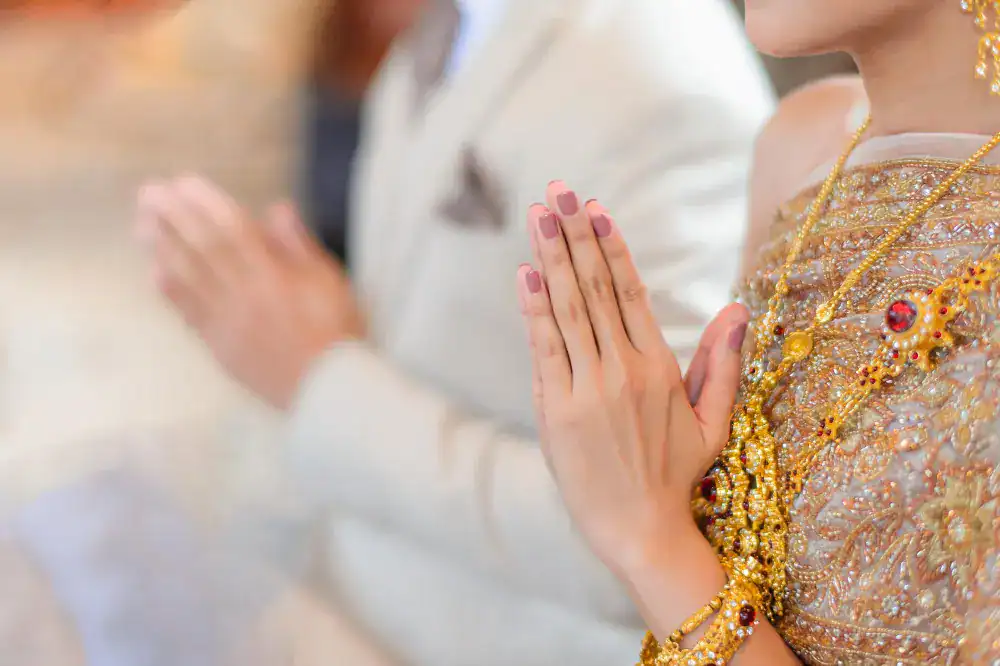
Social status plays a significant role in interactions. It is primarily determined by age, family relationships, occupation, education, and income level. This hierarchy informs how people speak and act towards one another, with deference shown to those in a higher position. You will often see this reflected in the depth of the Wai (greeting).
4. Respect are Big Deals

Concepts like respect, “saving face”, and avoiding shame are paramount. Saving face means maintaining dignity and honor, both for yourself and others. Thais will often communicate indirectly or avoid confrontation to prevent someone from being embarrassed or “losing face.” Showing a lack of respect, especially to the elderly or a monk, is considered a serious breach of Thai tradition.
5. The Many Meanings of Smiles
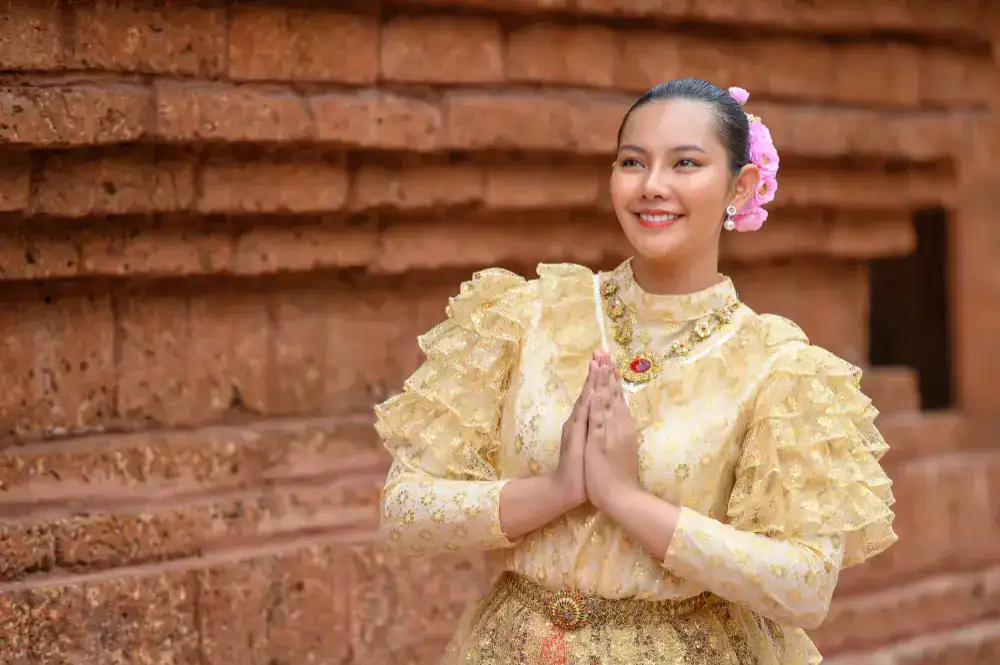
Thailand is known as the “Land of Smiles,” but a smile doesn’t always indicate happiness. Smiles are a versatile tool in Thai Culture. A smile can be used to politely mask confusion, apologize, manage an awkward situation, express gratitude, or gently say no which is all to help maintain “face” and social harmony.
6. Mai Pen Rai Culture
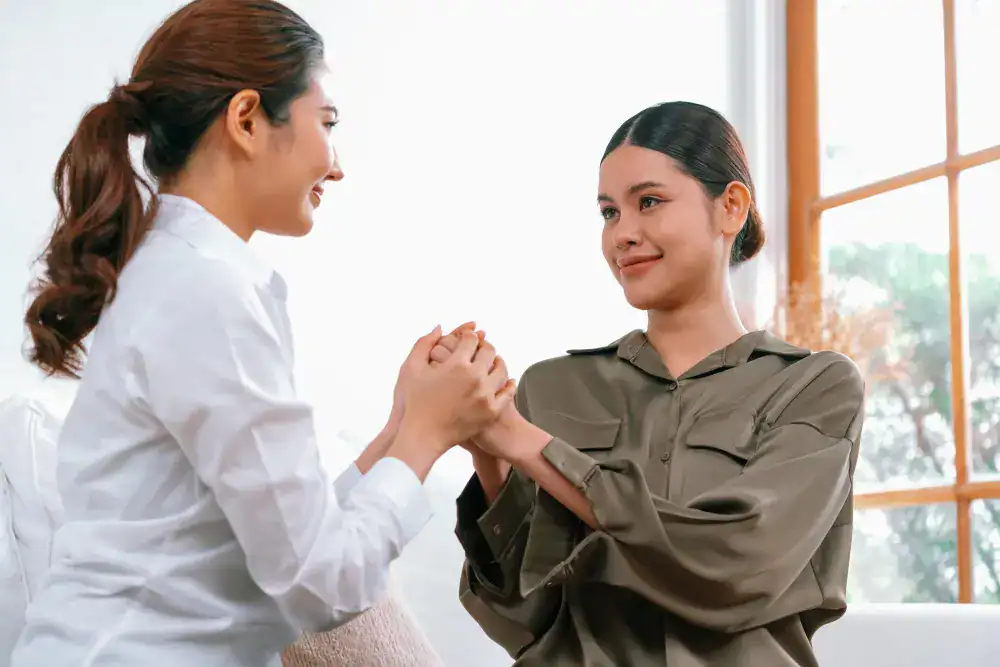
The phrase “Mai Pen Rai” translates roughly to “never mind,” “it’s alright,” or “no worries.” This attitude embodies the Thai tendency to avoid strong displays of negative emotion in public and to accept minor inconveniences with grace. It reflects a relaxed, non-confrontational approach to life.
7. Sabai Sabai Culture
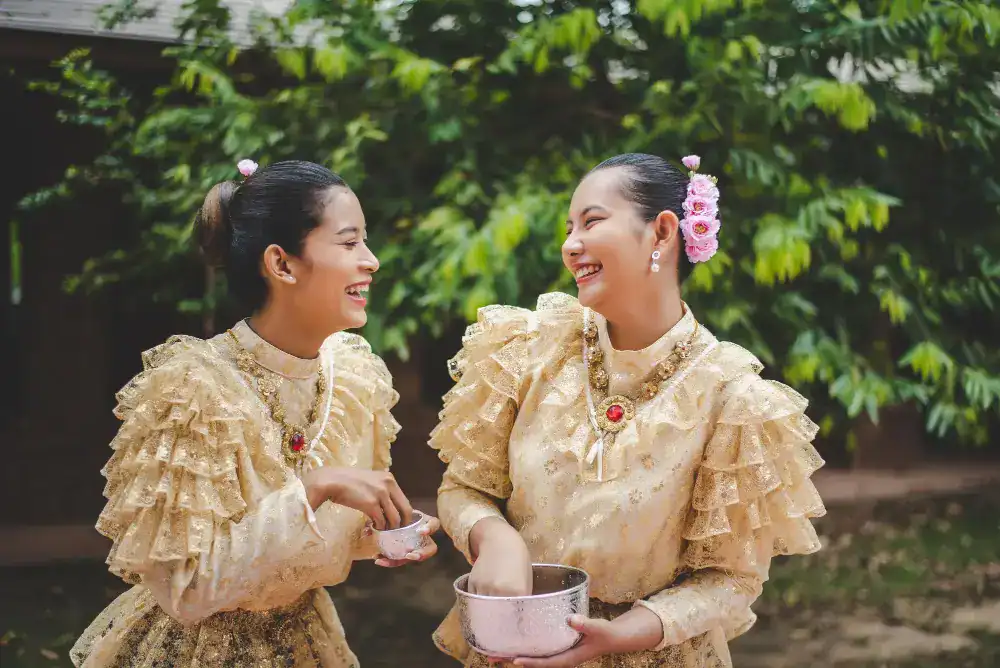
“Sabai Sabai” refers to a feeling of being relaxed, comfortable, and content. It’s the goal of Thai living, a desire to live at an unhurried, easy pace, free from stress. When someone feels sabai sabai, they are happy and naturally inclined to be genial and smiling.
8. Patriotism
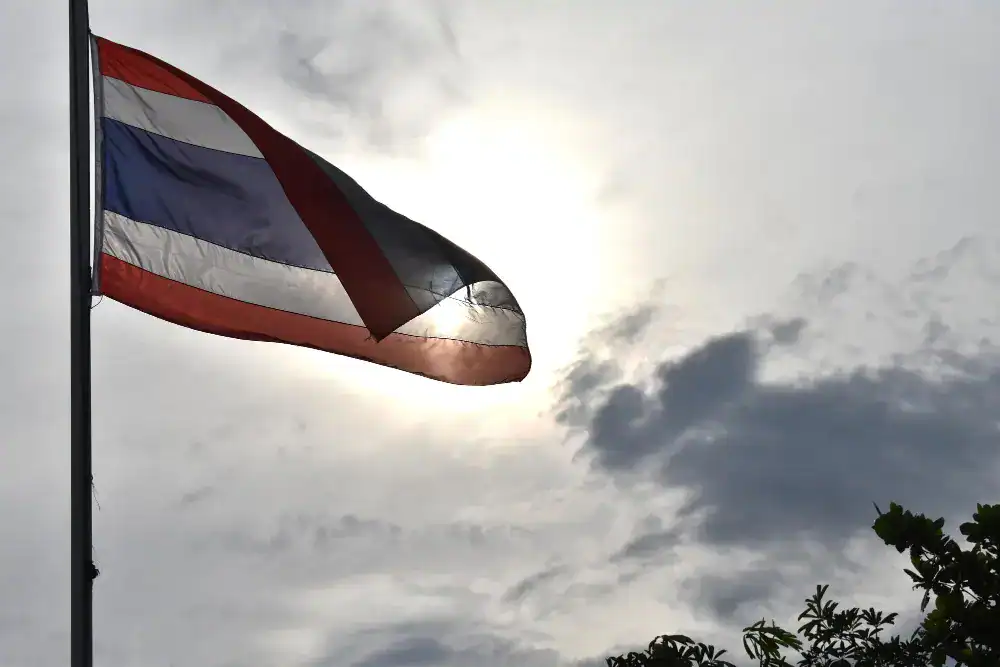
Thai people are immensely patriotic, deeply proud that Thailand was never colonized. This national pride is tied to a profound respect for the monarchy and the nation. Visitors should always show the utmost respect for the King, Queen, and all royal family members.
9. Body Awareness
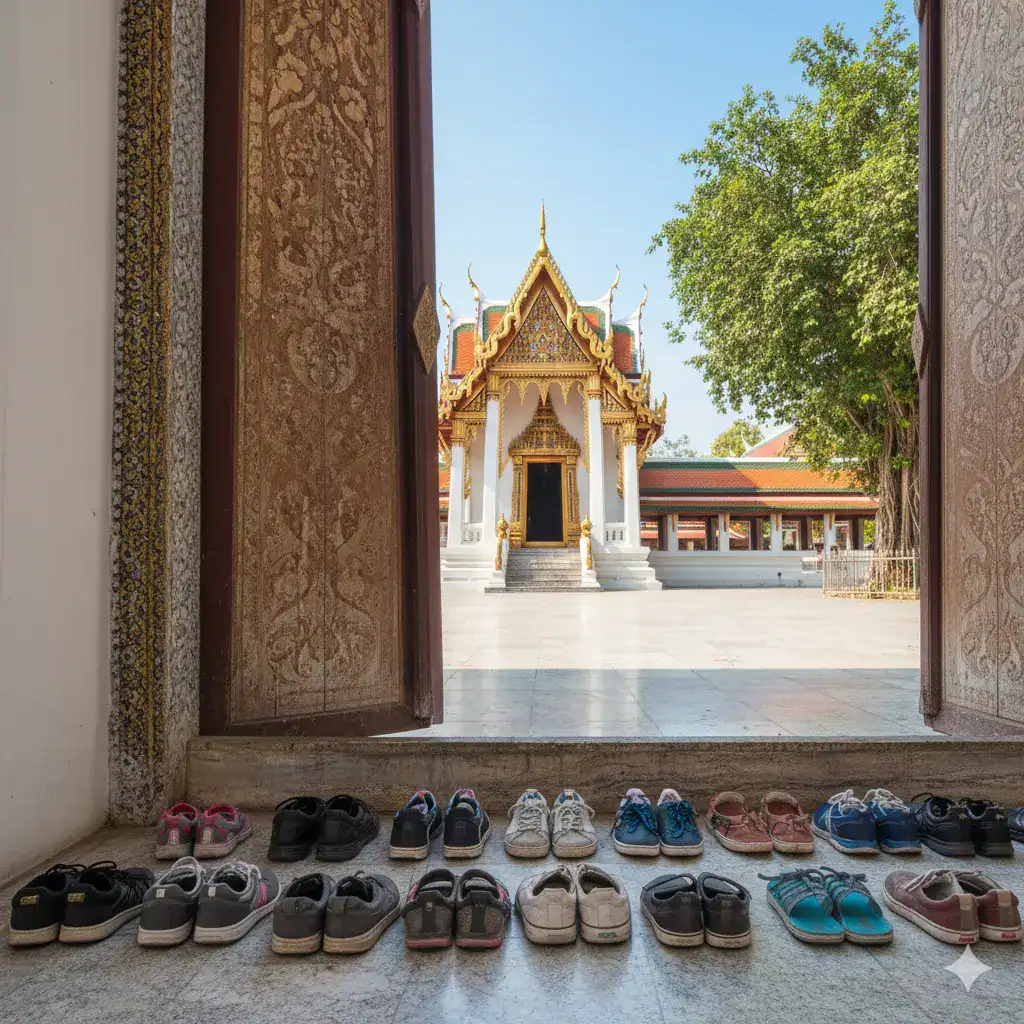
Physical etiquette carries significant meaning in Thai culture. The head is considered the most sacred part of the body, housing the soul, while the feet are viewed as the lowest and least clean. Never touch someone’s head, even children, as it’s deeply disrespectful. Similarly, pointing feet at people, Buddha images, or respected objects is offensive.
When sitting, Thai people avoid pointing their feet toward others or religious objects. Remove shoes before entering homes and temples. These body awareness practices show respect for Thai traditions and help visitors avoid unintentionally offensive behavior.
10. Strong Believe about Superstitions
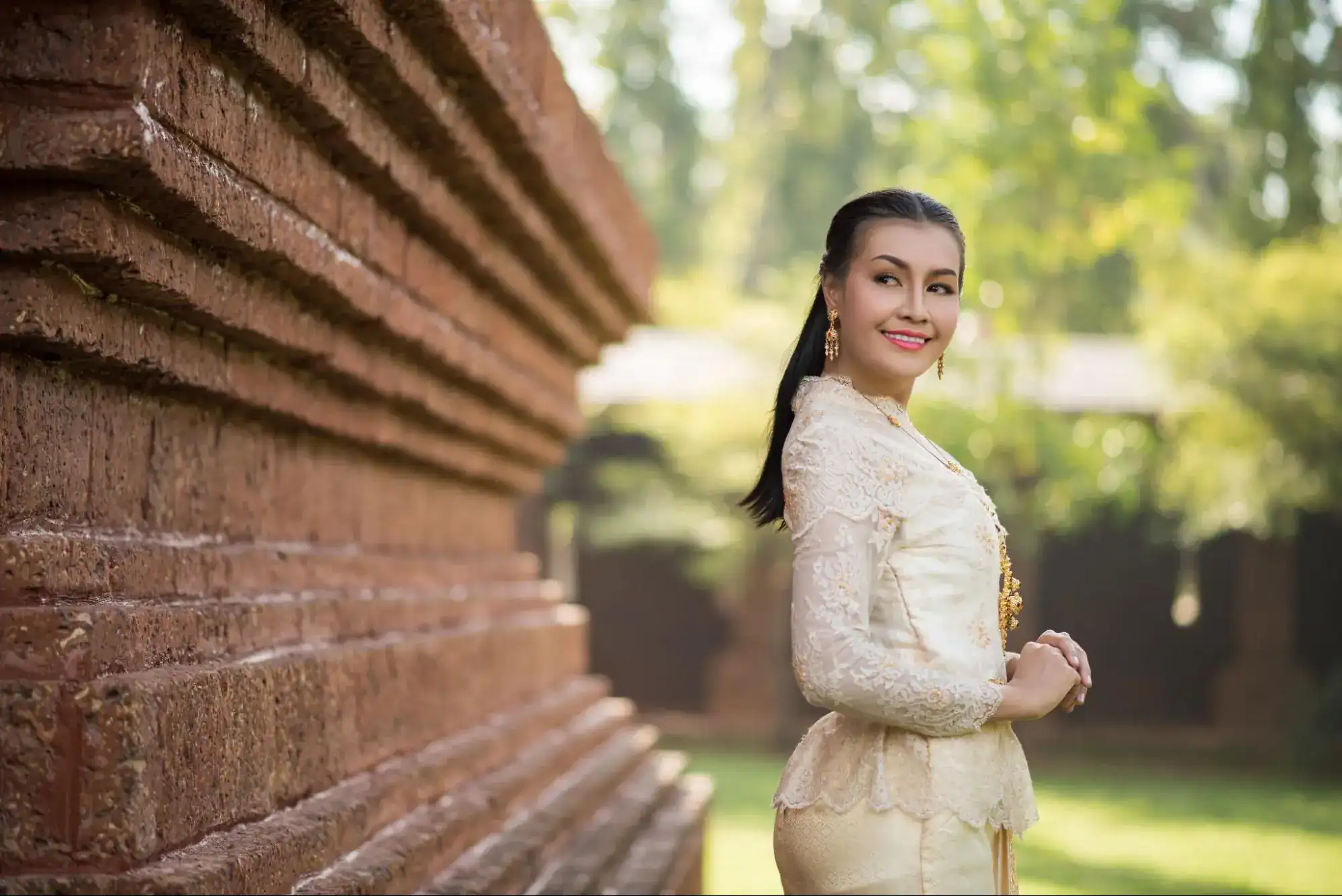
Beliefs in ghosts, spirits, and good or bad luck are widespread and deeply integrated with Buddhism and Animism. You’ll see miniature spirit houses (san phra phum) outside homes and businesses, built to house and appease local spirits for good fortune and protection. Important events often involve consulting fortune tellers or monks for an auspicious date.
Frequently Asked Questions (FAQs)
How to greet in Thai?
The traditional greeting is the “Wai.” This involves pressing your palms together in a prayer-like gesture and bowing your head. The height of your hands and the depth of your bow depend on the social status of the Thai person you are greeting.
How to dress in Thailand?
When visiting temples or other sacred sites, you must dress respectfully. This means covering your shoulders and knees. In general, avoid overly revealing clothing in public, especially in rural areas or when visiting government offices.
What is ‘Thai Smile’?
The “Thai smile” is multifaceted, expressing more than simple happiness. In Thai culture, smiles can indicate friendliness, agreement, embarrassment, uncertainty, or a desire to avoid conflict.
In Thailand, people use smiles to maintain pleasant interactions and help others save face. When something goes wrong, a smile helps defuse tension rather than expressing amusement. Understanding this complexity helps visitors interpret Thai social interactions accurately.
Respecting Thai Culture: A Journey of Mindful Connection
Thai culture embodies a beautiful balance of deep spiritual values, strong family bonds, and genuine warmth toward visitors. From respecting the sacred status of elephants to understanding the nuances of Thai smiles, these cultural elements create the unique experience that draws millions of visitors to Thailand annually.