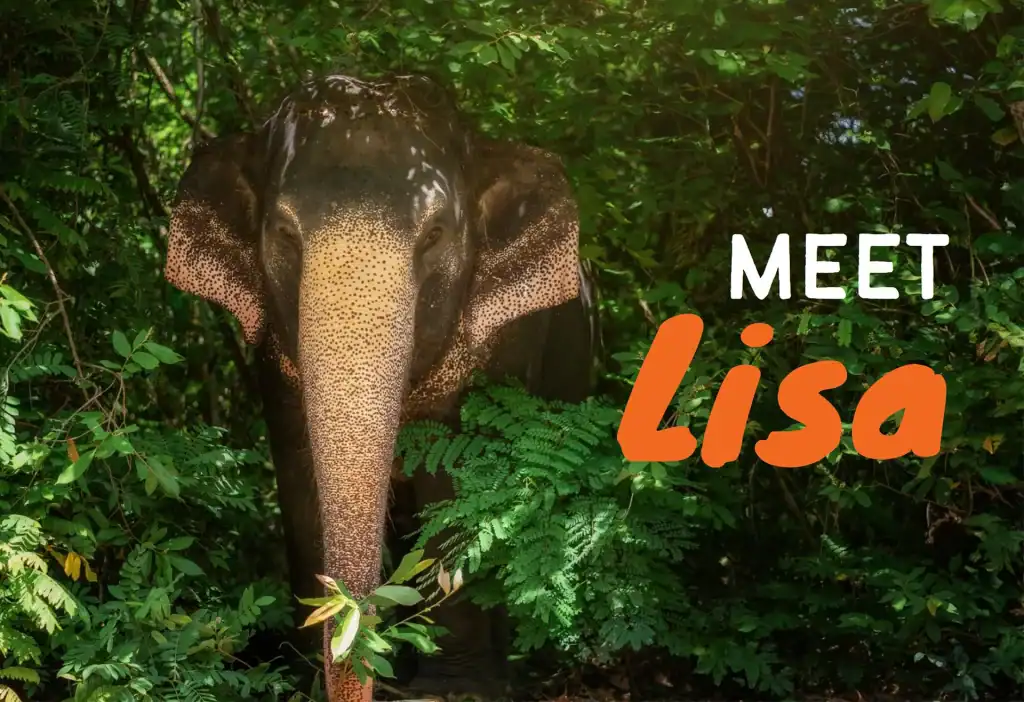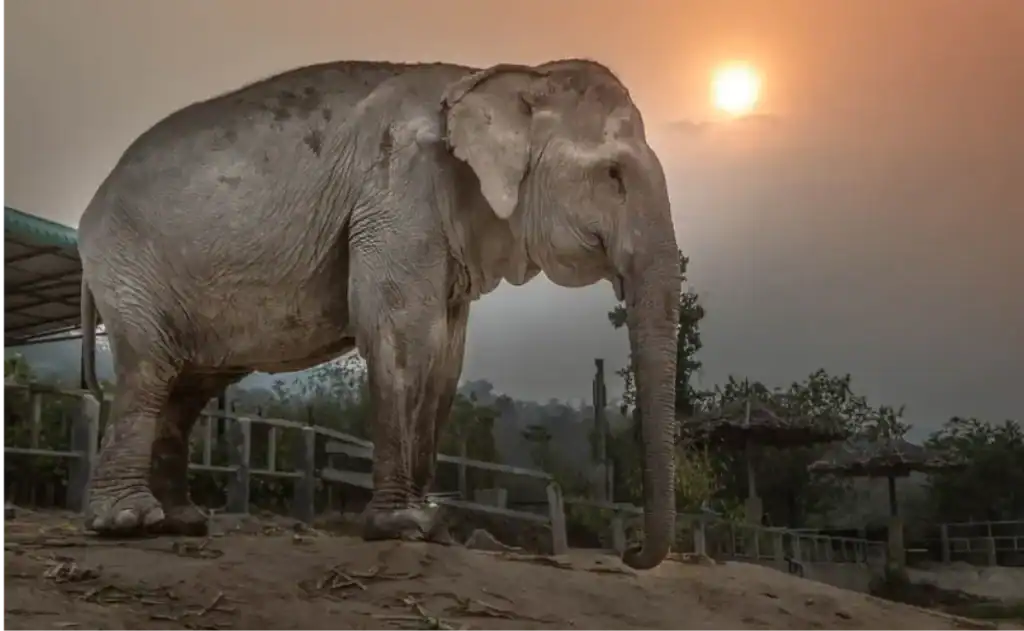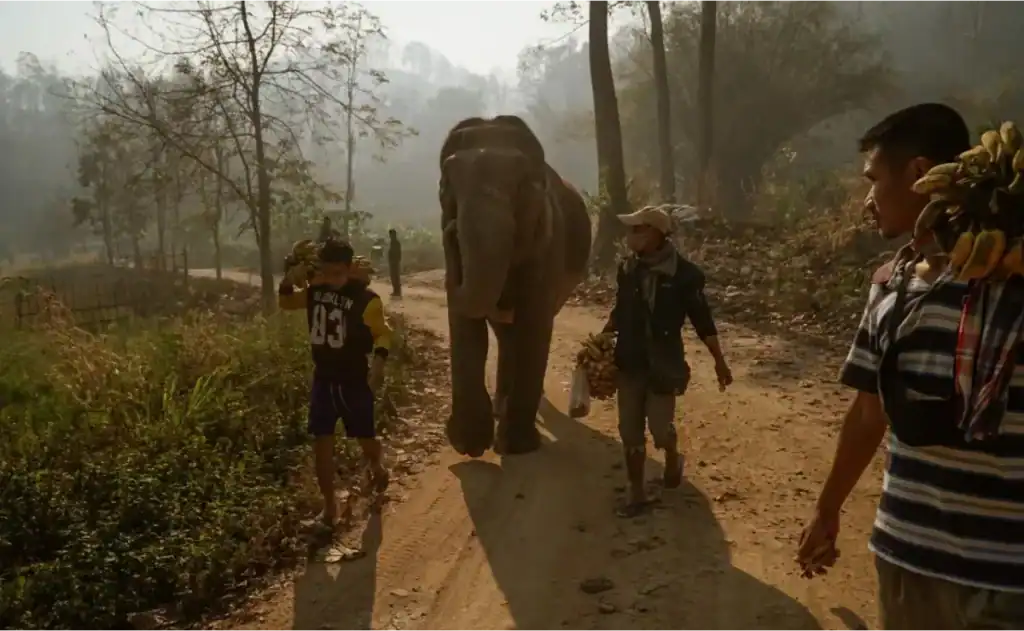
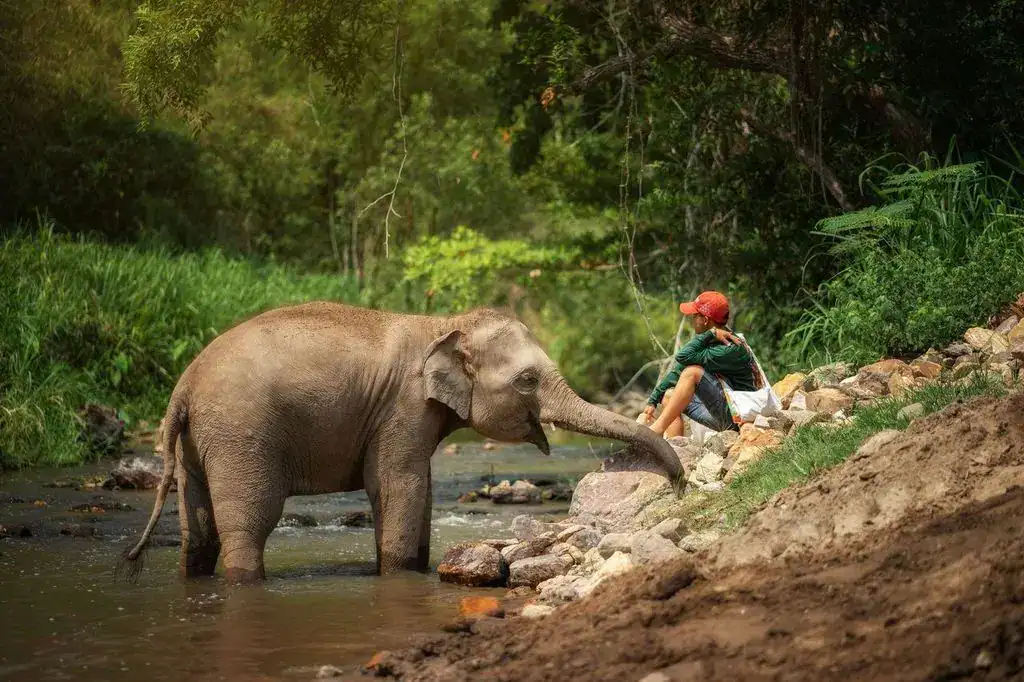
For centuries in Thai culture, the relationship between mahouts and elephants has been a profound partnership built on centuries of tradition and mutual trust. Far more than just trainers, mahouts are lifelong companions and guardians who play an indispensable role in elephant welfare.
This bond has evolved significantly, moving from traditional work to a crucial role in modern conservation and ethical tourism. Understanding this unique connection is key to appreciating the future of elephants in Thailand.
Key Takeaways
- The relationship between mahouts and elephants is a deep, familial bond built on mutual trust and respect. Mahouts are crucial guardians who ensure the elephants’ daily care and well-being.
- Modern, responsible sanctuaries like Elephant Jungle Sanctuary prioritize elephant well-being. Mahouts help promote the elephants’ physical health and natural, relaxed behavior.
- The role of mahouts has evolved from traditional work to conservation and tourism. They are essential to providing a safe and dignified life for captive elephants, ensuring their survival and health.
- When visiting Elephant Jungle Sanctuary, tourists should take a moment to appreciate the people who dedicate their lives to elephants alongside the beautiful elephants.
What is A Mahout in Thailand?

Mahouts, also known as elephant drivers who train and care for an elephant. In Thailand, the role of a mahout definition is deeply rooted in the country’s history and Thai culture, dating back thousands of years. Originally, elephants in Thailand were domesticated for practical purposes like agriculture and transportation. Over time, the relationship between mahouts and elephants evolved into a profound and familial bond.
The term “mahout” comes from the ancient Gwi people, a tribe of elephant trainers. This profession is often passed down through generations, and mahouts spend their lives with elephants. They learn to understand the elephant’s emotions and needs, and in return, the elephant trusts its mahout completely.
What is mahout and elephant relationship? The mahout-elephant relationship is a deep partnership built on mutual respect, patience, and compassion. While elephants were historically used for work, in many areas of Thailand, the focus has shifted entirely. Elephants are no longer used for personal gain but are cared for as part of the family in conservation efforts. Today, mahouts are crucial guardians of the elephants’ well-being, playing a vital role in elephant conservation and sustainable tourism, ensuring the health and safety of these magnificent animals.
What Are The Duties of A Mahout?
Duties of mahouts are vital for an elephant’s health and safety. Their day begins at dawn, providing food and clean water before working with the elephant. After a day of work, they find a safe place for the elephant to rest and graze. . A mahout fulfills the elephant’s daily needs, provides guidance, and offers a sense of security.
The relationship between a mahout and an elephant is lifelong – like best friends who understand each other without words. This special connection, built on trust and respect, is what allows humans to safely interact with these magnificent animals and ensures they receive proper care, including health checks and guidance, when needed.
How Should Tourists Treat Mahout?
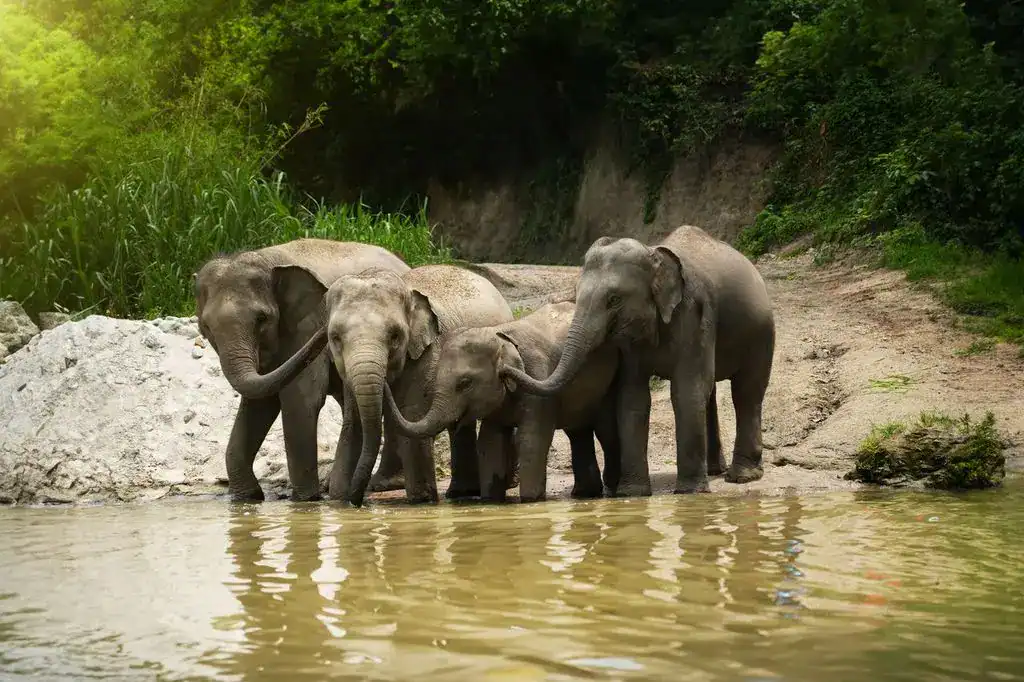
Interacting with mahouts is a unique part of an ethical elephant sanctuary or mahouts elephant foundation visit. By showing respect and understanding their deep connection to the elephants, tourists can help make a meaningful and positive impact.
Understand the Mahout’s Role and History
For centuries, mahouts, traditionally men from indigenous tribes, have been the caretakers of elephants, a revered animal in many Asian cultures. This multi-generational elephant-mahout relationship was deeply impacted by a significant economic shift. With the ban on commercial logging, many mahouts and their elephants transitioned into tourism as a means of survival.
Today, while the mahout’s role remains a noble vocation, it is also one of immense responsibility and physical demand. They are the sole guardians, fully responsible for the health, safety, and well-being of the elephants under their care, often having to manage several animals. By engaging respectfully with mahouts and recognizing the dignity of their essential work, you help make their difficult, yet honored, job more pleasant and sustainable.
Direct Interactions with Mahouts
When visiting a responsible tourism elephant sanctuary, tourists have a unique opportunity to connect with a mahout. It’s a chance to meet someone with a deep, historical bond to these incredible animals. Approaching these interactions with genuine curiosity and empathy means recognizing that one is speaking with someone who carries a rich cultural heritage.
Visitors can engage with them by asking about their lives and their relationship with the elephants. Understanding their role requires an open mind and a willingness to appreciate the many layers of their daily lives.
By choosing to support an ethical elephant sanctuary, tourists are helping to create a better, more sympathetic care system for both mahouts and elephants, and they are empowering them to earn a living in a sustainable and dignified way.
Consider This Issue Deeply And Critically.
When visitors see elephants in Thailand, a common question arises: why are elephants in captivity in Thailand? The answer reveals a complex reality that challenges common assumptions about conservation and elephant welfare.
Thailand is home to approximately 3,000-3,500 wild elephants living in protected forests across 91 natural areas, where they display their full range of natural behaviors and form complex family herds led by experienced matriarchs. These wild elephants are classified as “preserved wildlife” and receive the highest legal protection under the Wild Animal Reservation and Protection Act.
However, approximately 3,700 domestic elephants live under human care. These elephants are legally classified as “working animals” under the Elephant Act B.E. 2482, which provides a different framework of protection and management. This legal distinction reflects generations of human-elephant coexistence in Thai culture and history.
For domestic elephants who have lived alongside humans for their entire lives—often across multiple generations—sudden release into the wild is not viable. These elephants have formed strong bonds with their mahouts and depend on them for food, water, veterinary care, and protection. They lack the survival skills and social structures that wild elephant herds possess, making reintroduction extremely challenging and often unsuccessful.
Additionally, for the elephants’ own care and the safety of local communities, responsible management measures are necessary. These measures prevent elephants from the increasing number of human-elephant conflicts.
Frequently Asked Questions (FAQs)
Are There Female Mahouts?
In many modern elephant sanctuaries, female mahouts are increasingly common. They undergo the same training and form the same deep, trusting bonds with elephants, demonstrating that dedication and compassion are not limited by gender.
How Do Mahouts Control Elephants?
Mahouts control elephants primarily through a bond of mutual trust, consistent commands, and positive reinforcement. To ensure safety for both the elephants and people, particularly with powerful animals, responsible mahouts use management tools for guidance.
These tools are used as a final measure of control, allowing them to provide necessary care and prevent the elephant from harming itself or others.
Why Do Elephants Have Mahouts?
Mahouts are responsible for an elephant’s health, safety, and emotional well-being. They provide food, water, and veterinary care, acting as a crucial guide and guardian. This partnership ensures the elephant’s survival and care, offering a sense of security that a domestic elephant depends on.
Do Thai People Respect Elephants?
Yes, elephants hold a place of deep respect and reverence in Thai culture. Historically, they have been symbols of royalty, power, and religious significance, especially the revered white elephant.
Elephants are considered a national animal and are woven into the country’s history, art, and religion, reflecting a strong cultural appreciation and admiration for these majestic creatures.
What Are The Laws on Elephants in Thailand?
The laws on elephants in Thailand are complex. Wild elephants are protected under the Wild Animal Reservation and Protection Act. Domesticated elephants, however, are legally classified as livestock and are governed by the Elephant Act B.E. 2482.
While this legal status can be debated, new laws and policies promoting ethical tourism and conservation are emerging to improve the welfare and protection of all elephants in Thailand.
Mahouts Play a Big Role in Elephant Welfare
The relationship between mahouts and elephants in Thailand is a profound bond built on centuries of tradition and mutual respect. They are more than just handlers; they are lifelong companions and guardians whose traditional knowledge ensures proper care, safety, and a sense of security for the elephants.
The profound relationship between mahouts and elephants has evolved, with ethical sanctuaries like Elephant Jungle Sanctuary leading the way. By choosing ethical practices, we provide a safe and dignified life for these magnificent animals. Your visit directly supports this compassionate approach, empowering mahouts to continue their vital work and ensuring a sustainable future for both this unique bond and the elephants themselves.