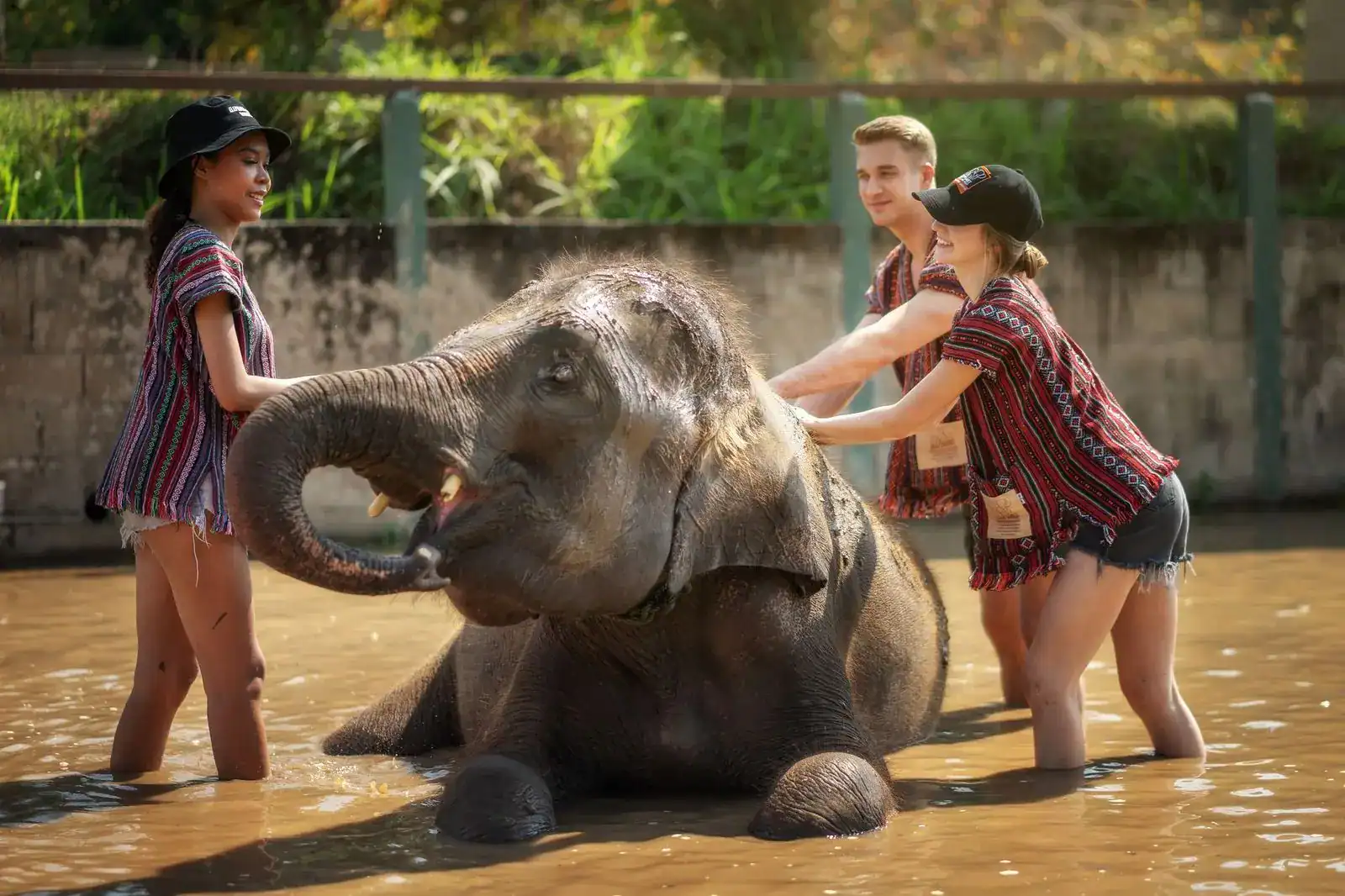
We know you love to explore, seek genuine connection, and aim to leave the world better than you found it. As travelers, you share a vital commitment to making mindful choices when visiting new destinations. When planning your next incredible adventure, especially one involving the elephants in Thailand, understanding Responsible tourism is crucial.
At Elephant Jungle Sanctuary (EJS), We believe the ultimate goal of travel is creating positive impacts while forging meaningful bonds with local communities and magnificent creatures. This pivotal movement champions destinations that prioritize nature, culture, and, most importantly for us, the respectful care of the Elephant.
Key Takeaways
- Responsible tourism focuses on concrete, measurable actions taken now by all stakeholders (governments, operators, locals, and tourists) to minimize negative impacts and maximize local benefits.
- Responsible tourism encompasses social, economic, and environmental accountability, aiming to create “better places for people to live in and better places for people to visit.”
- Achieving responsible tourism requires collective effort; tourists must make conscious choices, governments must set policy, and operators/communities must prioritize ethical practices, local employment, and conservation.
What Is Responsible Tourism?

Responsible tourism (RT), established by the 2002 Cape Town Declaration, aims to create “better places for people to live in and better places for people to visit.” It mandates that all stakeholders, including operators, governments, locals, and tourists, actively work toward sustainability.
Responsible tourism focuses on tangible actions to minimize negative economic, environmental, and social impacts while maximizing benefits for local communities, improving their well-being, and involving them in decision-making.
Responsible tourism definition differs from sustainable tourism, which is the abstract, long-term goal. RT is the present-day action and policy taken by producers and consumers to achieve sustainability, ensuring measurable results. For example, adopting community based tourism (CBT) helps conserve natural and cultural heritage while financially benefiting locals, thus championing positive contributions to global diversity.
Agenda of Responsible Tourism
The responsible tourism movement has focused on a holistic agenda aimed at transforming the very nature of travel. The core tenets of the responsible tourism agenda include:
- Minimize Negative Impacts: Reduce tourism’s adverse economic, environmental, and social effects, addressing issues like overcrowding.
- Generate Local Economic Benefits: Ensure tourism creates greater economic advantages and well-being for local residents, improving jobs and access, especially for marginalized groups.
- Involve Local Communities: Actively include local people in decisions affecting their communities and future opportunities.
- Conserve Heritage and Diversity: Positively contribute to preserving natural and cultural heritage, maintaining global diversity and lived cultures.
- Enhance Visitor Experience: Provide tourists with more enjoyable experiences through meaningful connections with locals and a deeper understanding of local issues.
- Ensure Inclusivity: Offer practical access and opportunities for people with disabilities and other disadvantaged groups.
- Promote Cultural Sensitivity and Respect: Ensure tourism is culturally sensitive, fostering mutual respect, local pride, and confidence, thereby supporting Thai culture.
Thai Responsible Tourism
In Thailand, the approach to responsible tourism has been formally adopted and promoted by organizations like the Tourism Authority of Thailand (TAT). The definition established by the Thai Responsible Tourism Association (TRTA) focuses on practical, national goals. Thai responsible tourism is explicitly defined as travel that does not result in negative impacts on the Thai social fabric, Thai Culture, economy, or environment.
Furthermore, this form of travel is expected to yield advantages for the overall Thai Tourism Industry, promoting development and fostering mutual awareness among all stakeholders. The aim is to create an environmentally and socially conscious form of travel that offers both enriching experiences for You and genuine benefits for the local communities, ensuring sustainable preservation of nature.
Responsible Tourism vs Sustainable Tourism Differences
While often used interchangeably, Responsible Tourism and Sustainable Tourism are distinct concepts, particularly concerning who is driving the action. Here are the key distinctions between the two concepts:
- Sustainable Tourism (The Goal): Focuses on the strategic management of environmental resources to achieve the maximum benefit across multiple dimensions. It is the long-term aspiration, aiming to meet the needs of the present without compromising future generations.
- Responsible Tourism (The Action): The necessary actions taken by producers and consumers to realize the goal of sustainability. It requires both the visitor and the host (local population) to take ownership, acknowledge the necessity of sustainability, and cooperate to minimize negative environmental and natural impacts to conserve resources.
Roles in Driving Responsible Tourism
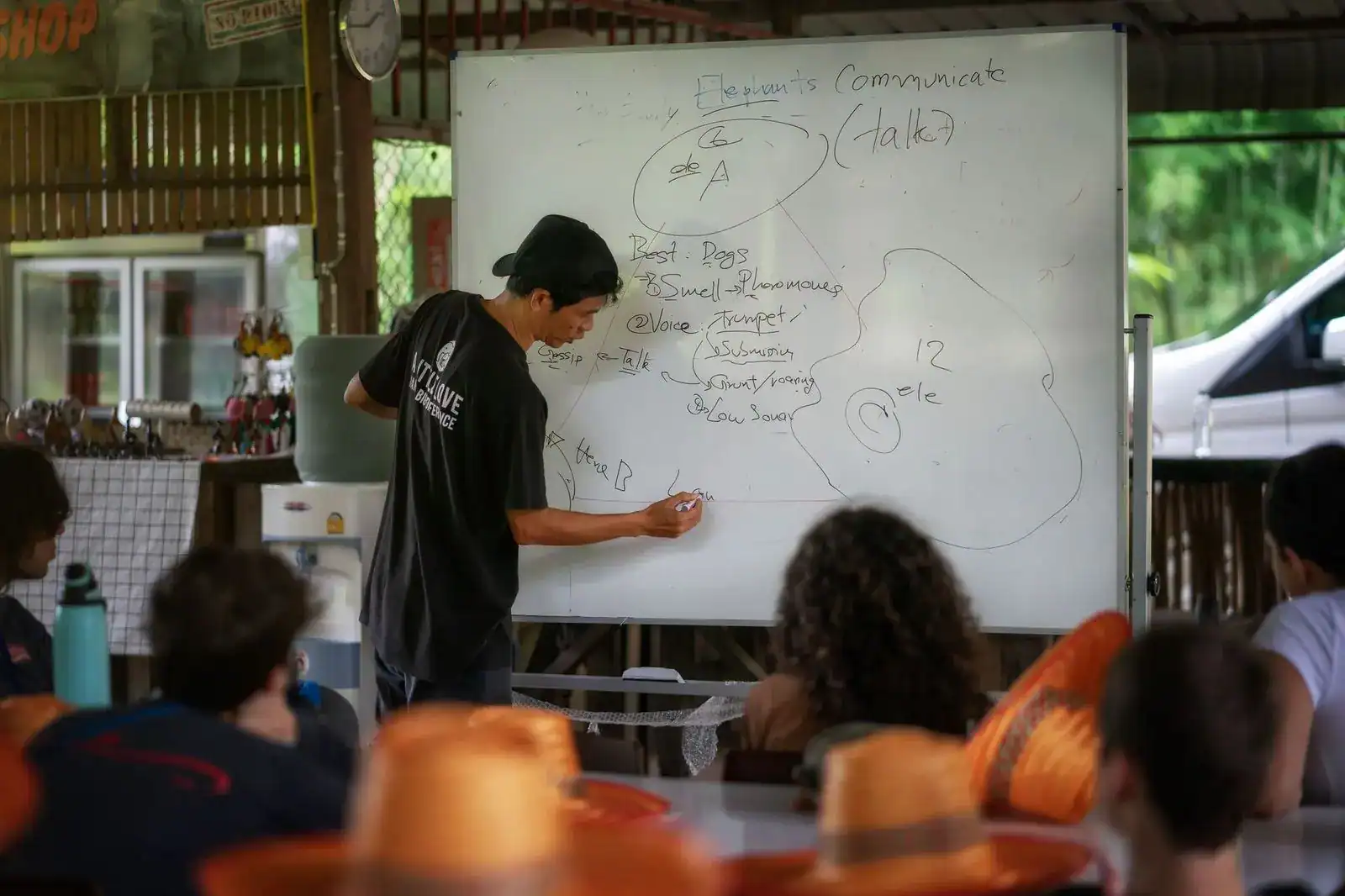
Achieving the goals of Responsible Tourism requires a collaborative effort; no single group can accomplish it alone. Every sector serves as a crucial component in ensuring tourism is both beneficial and lasting.
1. The Government
The Government (national and local) is the pivotal, often unseen, mediator in sustainable tourism development. It sets the policy environment for responsible action by the private sector and individuals.
Key responsibilities include:
- Policy and Enforcement: Defining comprehensive Responsible Tourism policies and enforcing strict laws on safety, waste, and wastewater to prevent negative destination impacts.
- Infrastructure and Planning: Providing essential land use planning, infrastructure, and maintaining social/environmental services.
- Support and Promotion: Strengthening local communities through technology and knowledge transfer, and promoting eco-friendly tourism technologies for both tourists and operators.
2. Operators, Community, and Locals
As primary hosts, Operators, Community, and Locals (residents, transport, restaurants, and Mahouts at EJS) have immense collective responsibility.
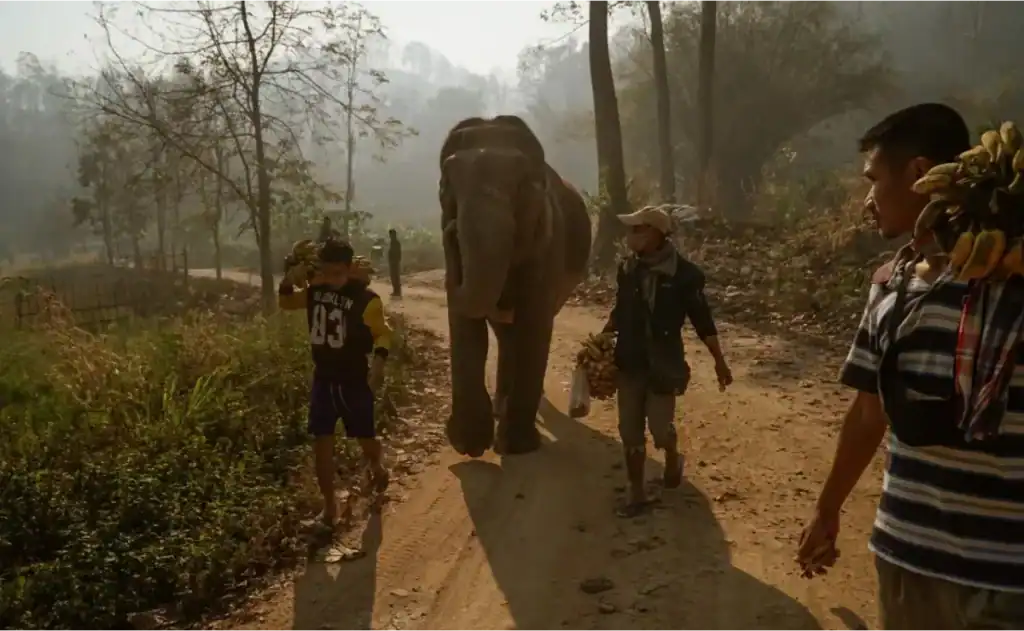
- Responsible tourism examples: EJS prioritizes elephant welfare and ethical standards, providing a permanent, safe, and healthy home. Our Mahouts are trained in basic veterinary care for daily Ethical Elephant Physical Examination routines, ensuring well-being. We uphold Sustainable Tourism and responsible tourism by offering a respectful, genuine experience aligned with the elephants’ natural routine.
- General Operator/Community Responsibilities: Services must be based on sustainability, honesty, and not violating the rights of visitors or neighbors. Communities should collaborate on effective waste/wastewater management, use local/biodegradable materials, and prioritize local hiring.
3. The Tourist
You, the responsible tourist, are vital for successful sustainable tourism, as your choices drive industry demand.
Your commitment involves three phases:
- Preparation and Planning: Minimize waste and environmental impact by choosing low-carbon transport (public transit, bicycles) and considering carbon offsets for flights.
- During the Journey: Respect local culture, hosts, and sacred places by following rules and dress codes. Support the local economy by buying from craftspeople and eating at local restaurants. Do not purchase souvenirs made from endangered species (e.g., elephant ivory).
- Returning Home: Reflect on your trip, ensuring you have left no pollution, rubbish, or problems for the hosts, contributing to the destination’s sustainability.
Elephant Jungle Sanctuary with Responsible Tourism
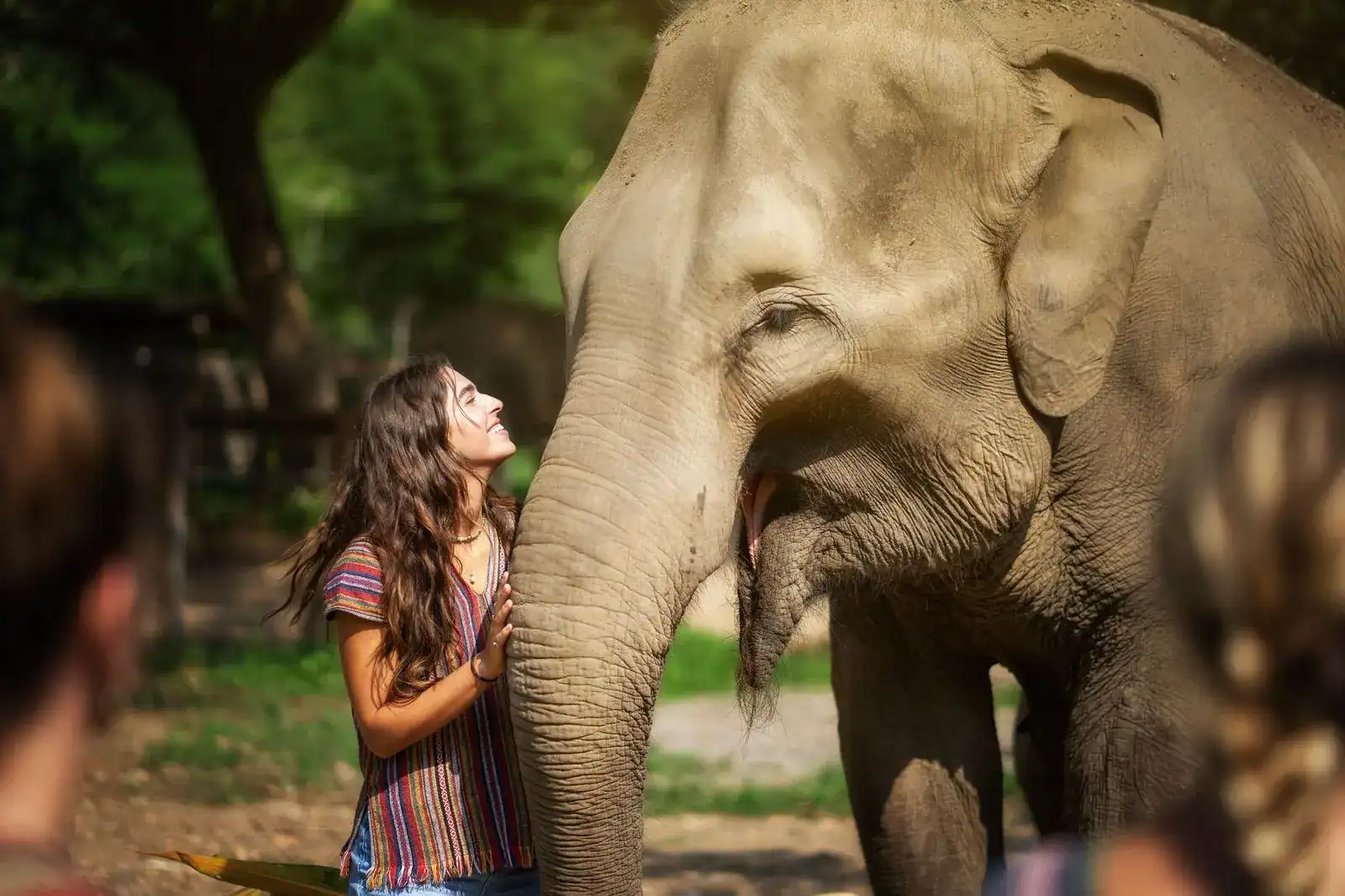
Elephant Jungle Sanctuary (EJS) is built on the principles of responsible tourism, ensuring travel benefits the destination, environment, and local inhabitants.
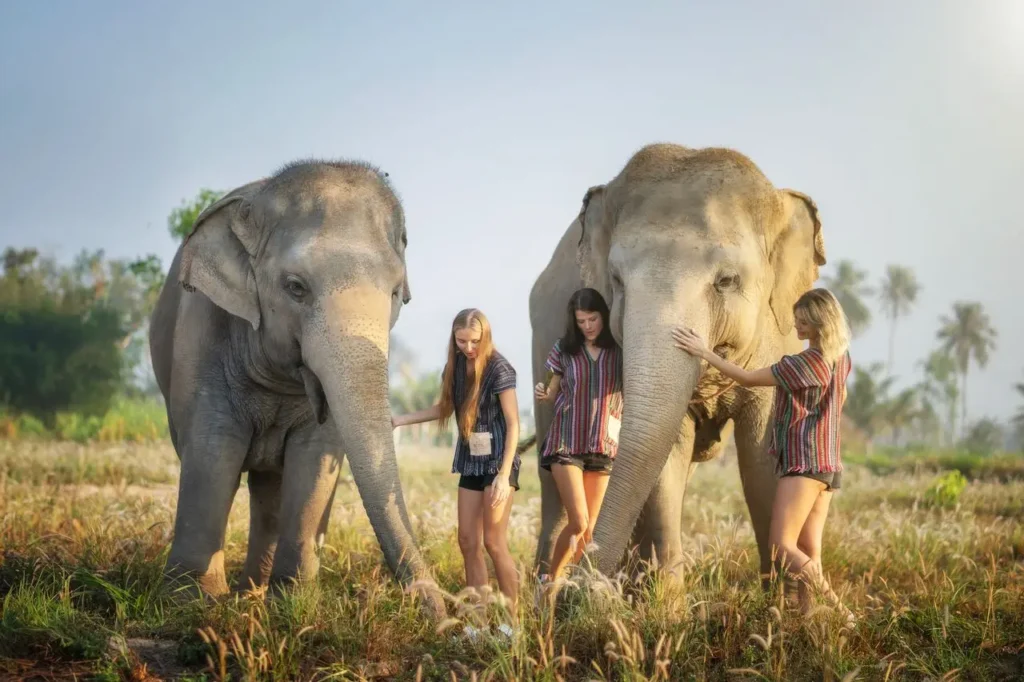
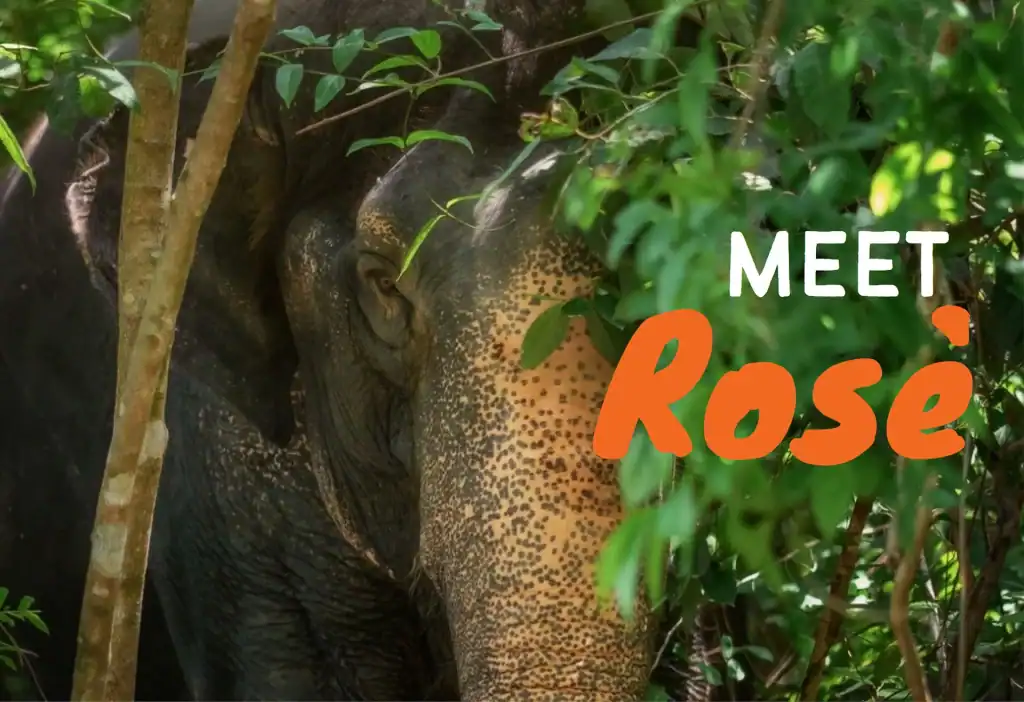
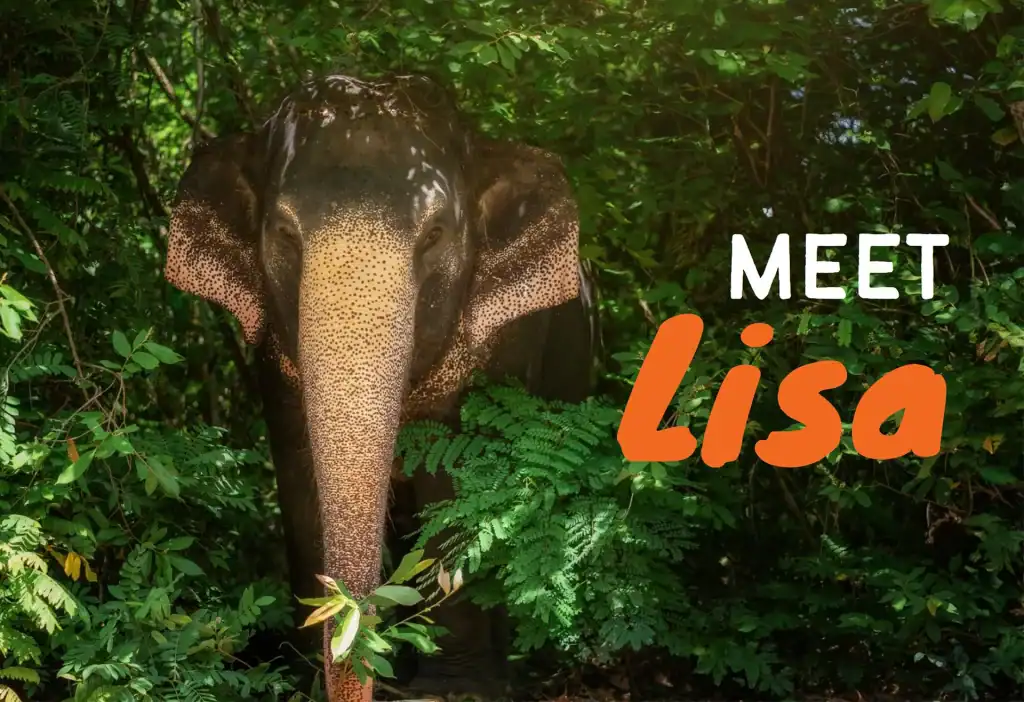
- Ethical Elephant Experience: EJS is dedicated to offering a truly ethical experience with elephants. No riding has been permitted since day one, ensuring the elephants live in a safe, healthy, and permanent home.
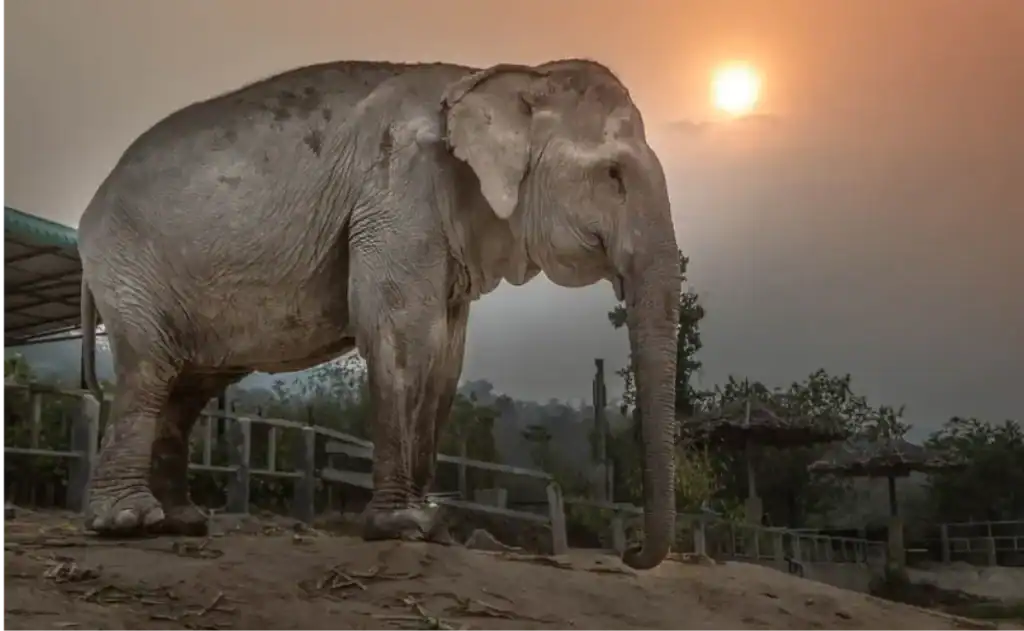
- Veterinary Care: Elephant welfare is paramount, supported by comprehensive proactive health measures, including an on-site veterinarian and teamwork with other elephant hospitals in Thailand to ensure the best possible care and treatment.
- Socio-Economic Impact: EJS strongly supports the local community by generating over a hundred jobs for locals and mahouts, purchasing 5,000+ tons of fresh food yearly from local farmers, and providing valuable learning opportunities for children from surrounding schools.
- Inspire and Educate: We are committed to inspiring and educating our visitors both online and offline (onsite) to promote better conservation of elephants and the environment.
Frequently Asked Questions (FAQs)
Which is the best example of responsible tourism?
Responsible Tourism, an ongoing process often seen in Community Based Tourism (CBT), includes a successful example like EJS, minimizing negative effects while providing economic benefits and enhancing the welfare of local people and wildlife.
Who is responsible for responsible tourism?
All stakeholders must share the responsibility for sustainable tourism including the responsible tourist (you), governments (national/local), private sector/operators (like EJS), and host communities. This collective responsibility is essential for driving sustainability and improving tourism.
Responsible Tourism: A Commitment to Action
The journey toward Sustainable Tourism is ongoing, but Responsible Tourism provides the blueprint for action, minimizing impacts and maximizing benefits across all dimensions—environmental, social, and economic.
Elephant Jungle Sanctuary, Ethical Elephant Sanctuary in Thailand, embodies this ethos. Our mission is to PROTECT the magnificent Ethical Elephant, CONNECT with our communities for local prosperity, and INSPIRE You, the conscious traveler, toward better conservation. We invite You to join us in this movement, turning the aspiration of sustainability into tangible reality, ensuring a bright future for the Elephant In Thailand and their caretakers.