Community based tourism represents a fundamental shift in tourism culture, moving power and profit from external companies back to the local people. This model utilizes tourism as a tool for sustainable development, ensuring that unique cultural heritage and natural environments are preserved for the future. By placing communities in control, community based tourism offers travelers real, unique experiences that fit today’s focus on meaningful and responsible travel.
Key Takeaways
- Community based tourism gives local residents ownership and management control over tourism activities, ensuring that financial benefits are going directly back to the community.
- Community based tourism is important because it connects earning money directly with keeping the environment and local traditions safe. This creates a strong and real way to keep tourism healthy for a long time.
- Community based tourism in Thailand offers travelers unique, less-crowded, and culturally enriching experiences that align perfectly with modern demand for responsible and meaningful travel.
Get to Know Community Based Tourism
What is community based tourism? Community based tourism (CBT) is an alternative travel model where the local community takes ownership and control of the tourism activities in their area. The main point of CBT is making sure the money and good things earned go straight back to the villagers. This turns tourism into a helpful tool for improving the local area.
Besides the money, CBT helps people share their culture (Thai Culture), keeps old traditions alive, and encourages everyone to protect the environment. The community gets to decide how they spend the money, which builds pride and keeps their way of life strong, while travelers get a real, special and Responsible Tourism experience.
History of Community Based Tourism
While local communities have long hosted travelers, the specific term “community based tourism” was only recently adopted by academics. It was primarily viewed as a tool for development and poverty alleviation, especially within indigenous communities.
Early initiatives were often established by Non-Governmental Organizations (NGOs), with the long-term goal of the communities eventually taking over management. However, many of these projects were unsuccessful. Failures often stemmed from a lack of market understanding, poor sales channels, and insufficient consultation with the communities. Some projects were built in locations inaccessible to tourists, resulting in very low occupancy rates (a 2009 study found an average of only 5%).
The crucial lesson learned is that NGOs must seek market advice and build partnerships from the outset, rather than simply constructing facilities and only later figuring out how to market them. Although many of those initial efforts failed, since the 2000s, community based tourism projects that understand the market and are well-managed have demonstrated sustainable growth.
Importance of Community Based Tourism

Community based tourism is an increasingly model that shifts the traditional power balance in travel. It is crucial because it ensures that tourism truly benefits the places and people being visited, fostering resilience, sustainability, and authentic cultural exchange in a way that mass tourism often fails to achieve. Its importance is best understood through its impact on local governance, empowerment, and its suitability for current travel trends.
Solution for Sustainable Tourism
Community based tourism based in Thailand offers a robust solution for achieving sustainable tourism. Because local residents are the main decision-makers regarding their tourism development and are the primary recipients of the profits, they have the strongest incentive to protect their assets.
As long-term residents, the community inherently aims to balance economic growth with potential negative social, cultural, and environmental impacts caused by tourism activities. Since the local area is their “home,” the community is motivated to maintain its integrity, ensuring that natural resources and cultural heritage are preserved for future generations, ultimately making the business model inherently sustainable.
Community Empowerment
Community based tourism is more than just “village tourism”; it is a management structure that places the local community at the very center of the development process. The core value of this model is empowerment. It provides a mechanism for local people to gain control over their resources and their future, enabling them to enhance their own quality of life and well-being.
By giving community members the authority to run the businesses, manage the finances, and dictate the terms of visitor interaction, CBT validates their knowledge, boosts their confidence, and provides tangible pathways for self-determination outside of external control.
Post-Pandemic Opportunities
The current trends in global travel strongly align with the offerings of community based tourism. Travelers are increasingly opting for smaller groups, seeking less-crowded destinations, prioritizing nature retreats, and searching for unique, authentic experiences, including wellness activities. These preferences perfectly match the intimate, off-the-beaten-path experiences that CBT provides.
Future of Community Based Tourism
To ensure community based tourism thrives and achieves genuine sustainability, it must adapt and collaborate across sectors. Key focus areas were identified in workshops involving local leaders, NGOs, and government agencies to chart a path forward.
- Expand Beyond Leisure: CBT should move beyond simple sightseeing to offer learning experiences, such as community-based environmental conservation and waste management. This taps into opportunities from Corporate Social Responsibility (CSR) and Thailand’s Bio-Circular-Green (BCG) Economy model.
- Develop Next-Gen Leaders: It is critical to build the next generation of CBT leaders. Providing involvement and clear incentives for young community members ensures successful transition and future sustainability.
- Bottom-Up Planning: Planning and decision-making must be a collaborative, bottom-up process involving both the government and local communities. This avoids poorly-fitting projects, like abandoned tourism apps, that don’t meet real local needs.
- Multisectoral Support: Crucial support is needed from various sectors: the private sector can aid in digital transformation, while academia can develop relevant curricula for young leaders.
- Improve Funding Models: Funding mechanisms must evolve, shifting from informal arrangements to structured models like establishing social enterprises or dedicated CBT development funds.
Elephant Jungle Sanctuary (EJS) with Community Based Tourism Principle

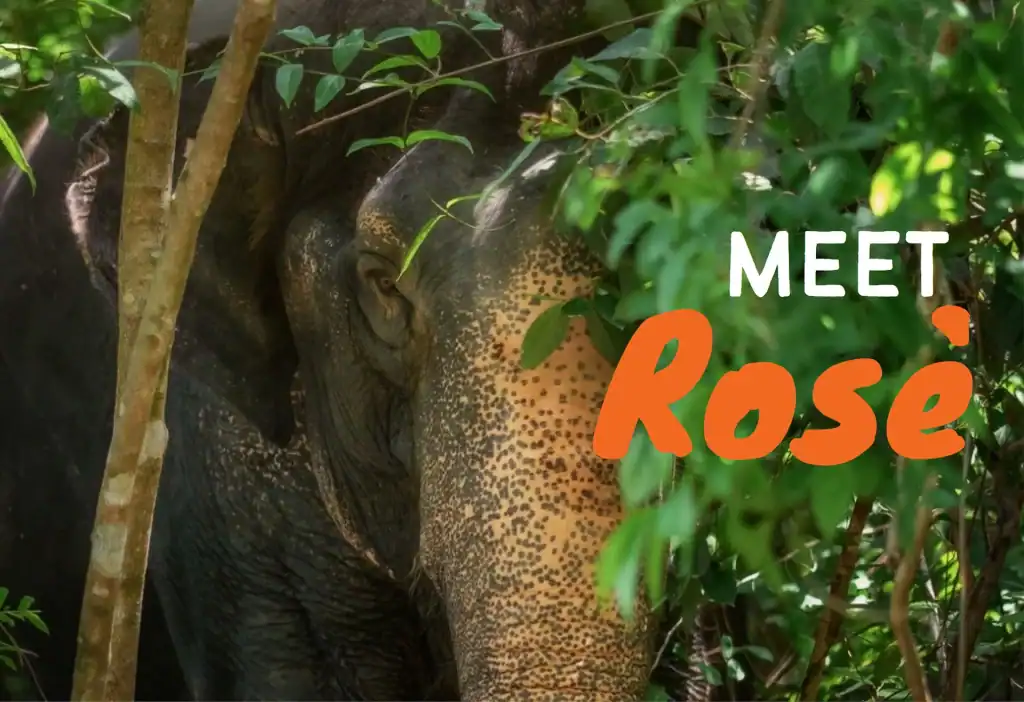
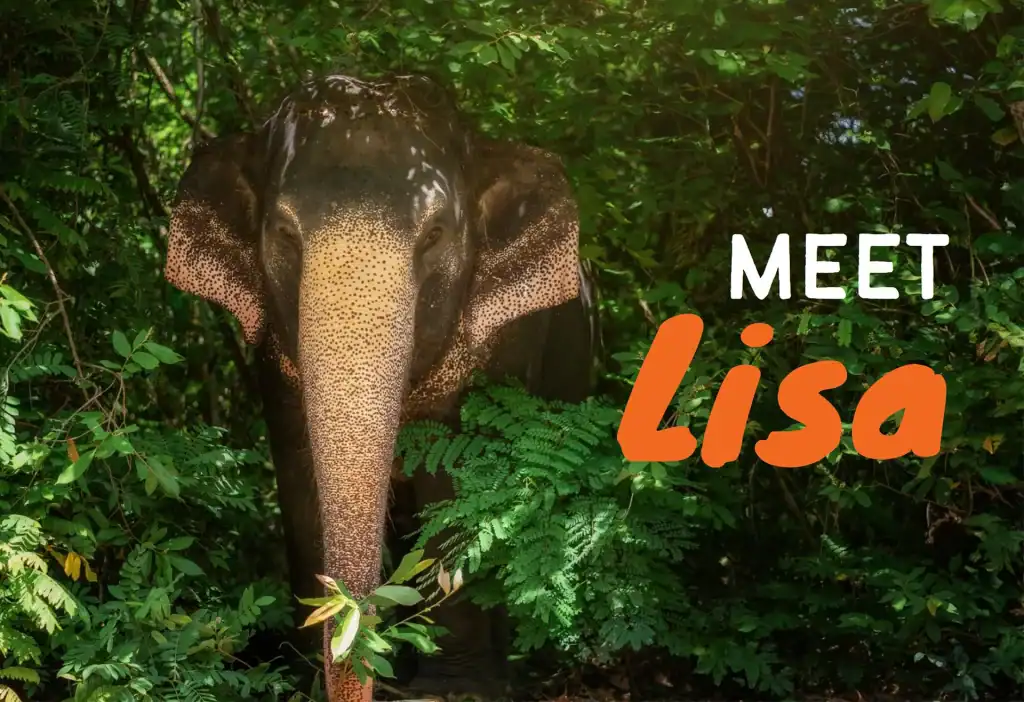
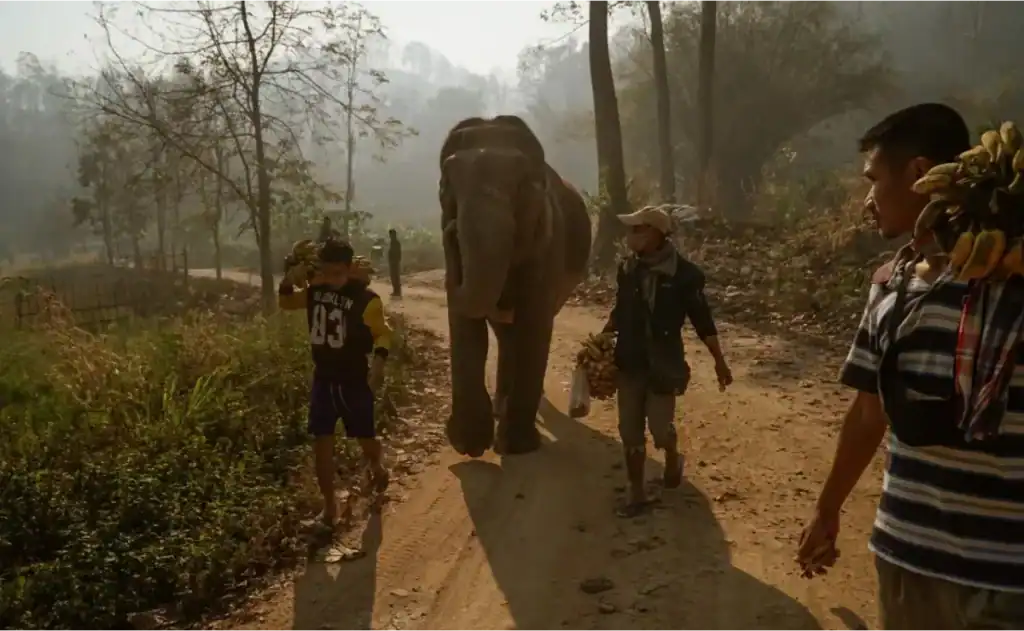
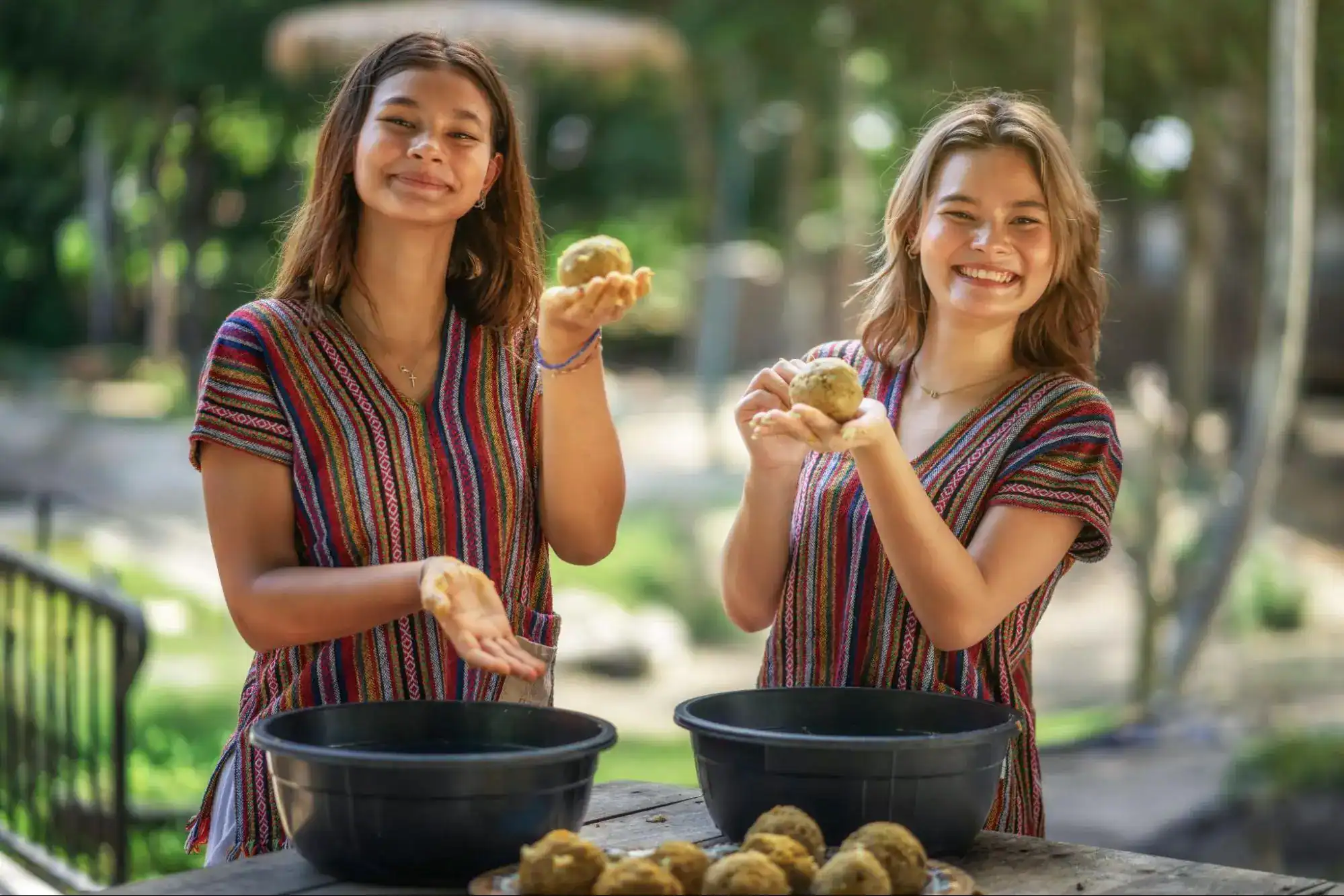
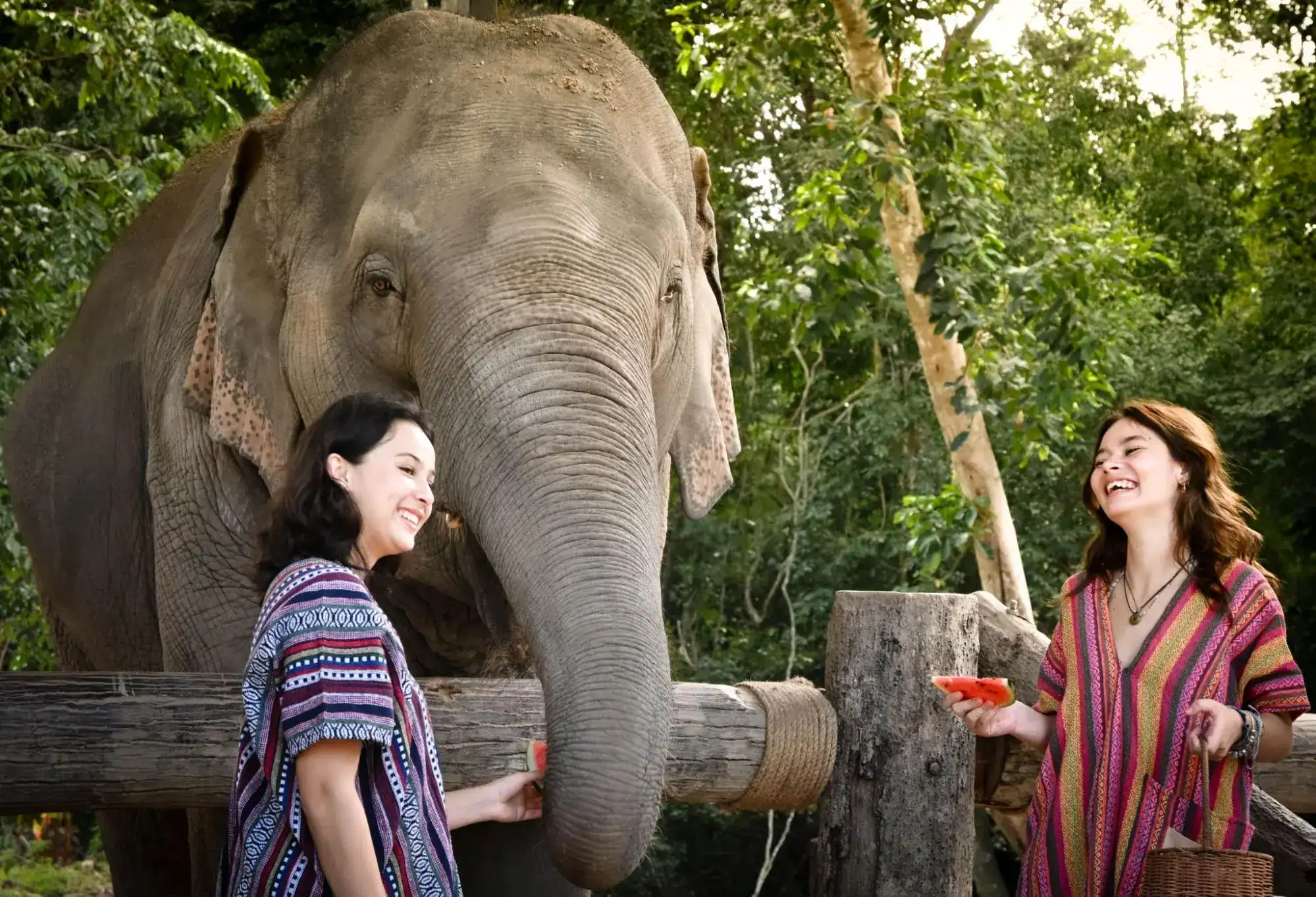
The Elephant Jungle Sanctuary (EJS) is an Ethical Elephant Sanctuary located in Thailand. EJS’s primary mission is to allow elephants in Thailand to live naturally in a safe and free environment. Visitors get to learn about elephant behavior and participate in close-up activities like feeding, bathing, and walking with the elephants in the forested area.
The Elephant Jungle Sanctuary (EJS) was founded by a local in Chiang Mai with a clear mission: to provide elephants with a safe, free, and natural environment while simultaneously preserving the traditional culture of local mahouts (Karen hilltribe).
While EJS may not strictly operate as Community Based Tourism (CBT), it makes a strong effort to integrate its operations with the local community. The sanctuary works to:
- Support the Local Economy: EJS supports the local economy by purchasing products from community members for use in their operations.
- Prioritize Local Employment: The sanctuary prioritizes hiring residents, offering stable job opportunities as staff and guides.
- Community Engagement: EJS collaborates with local schools, provides donations, and organizes involvement activities designed to empower the surrounding communities.
Frequently Asked Questions (FAQs)
What is the difference between CBT and other forms of tourism?
The key difference lies in control and benefit. In traditional mass tourism, external private companies typically own and manage the operations, and most profits leave the local area.
Community based tourism, however, puts the local community in charge of decision-making and management. This ensures that the majority of the financial benefits and profits are retained by the community itself. While other tourism forms may employ locals, CBT grants the community ownership and autonomous control over their resources and development.
Is CBT limited to “village tourism” in rural areas?
No, community tourism is not strictly limited to rural or “village tourism.” While many successful models are found in villages because of their distinct cultural and natural assets, community based tourism is fundamentally about the management model.
It can be applied to any geographic setting, coastal towns, urban neighborhoods, or indigenous territories, as long as the local residents are the primary owners, decision-makers, and beneficiaries of the tourism enterprise. The core definition rests on community empowerment and control, not location.
H3: How does CBT benefit the community?
Community based tourism provides multiple benefits beyond income. Financially, it offers direct revenue streams and creates local jobs, curbing rural-to-urban migration. Socially, it empowers residents by giving them control over their own development and boosts cultural pride, encouraging the preservation of local traditions and heritage. Environmentally, because the community relies on its natural resources for tourism, CBT fosters a strong incentive for conservation and sustainable resource management, ensuring long-term well-being.
Community Based Tourism Practices at Elephant Jungle Sanctuary
Community based tourism is crucial because it fundamentally re-routes power and profit to local residents, creating a model that is both ethical and sustainable. By granting communities ownership, community based tourism ensures that tourism revenues boost local economies, foster cultural preservation, and generate incentives for environmental protection.
While the Elephant Jungle Sanctuary (EJS) may not strictly identify as a Community Based Tourism (CBT) operation, it actively strives to support and integrate with the local community. This effort is vital for the preservation of culture and the sustainability of the area.
EJS is committed to honoring and preserving the traditional culture of elephant keeping while simultaneously providing education on modern, ethical elephant care to improve elephant welfare standards. By doing this, EJS helps ensure that the traditional culture remains a lasting part of the community, allowing future generations the opportunity to experience and learn about this heritage.