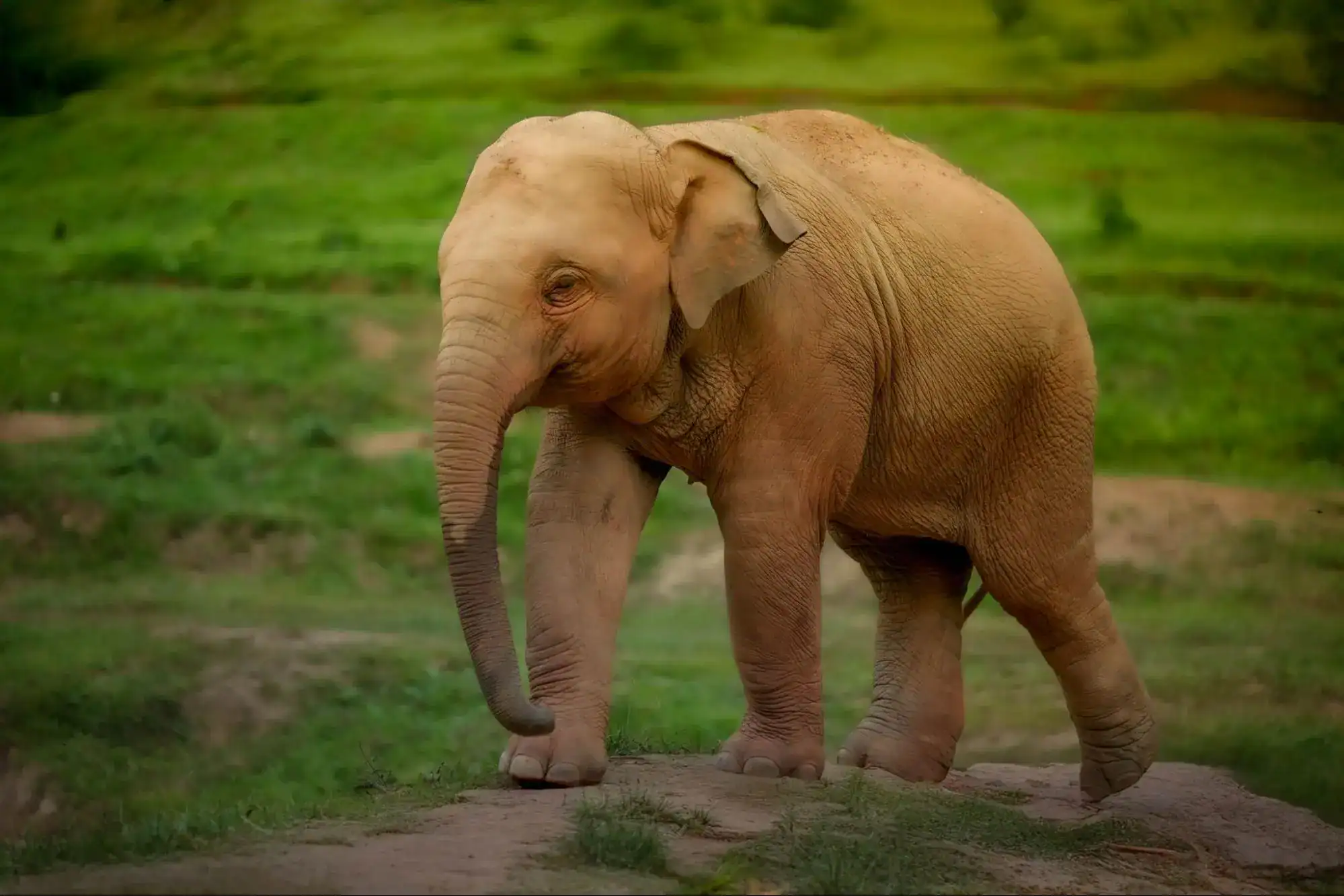
The survival of the world’s largest land mammals hangs in a delicate balance. Understanding how many elephants are left in the world is the first step toward meaningful change. Beyond statistics, we must address the historical pressures and modern challenges these creatures face. By choosing responsible engagement, we can transform the future of both African and Asian species through collective action.
Key Takeaways
- While hundreds of thousands of elephants remain, their numbers have plummeted drastically from historical millions, with African forest elephants now facing an extreme risk of extinction.
- Decades of intense poaching and inconsistent international trade policies have left populations fragile, making the current recovery period vital for their long-term survival.
- Travelers hold significant influence to increase how many elephants are left in the world by supporting sanctuaries that focus on education. Understanding elephant lives firsthand fosters a deep connection, inspiring people to protect these majestic animals and their natural habitats for the future.
- Supporting reforestation projects. By expanding protected natural areas and connecting fragmented forests, we give elephants the space they need to roam, forage, and maintain healthy populations.
How Many Elephants Are Left in The World?
Understanding the current status of the global elephant population is a critical step in wildlife conservation. Today, these majestic land mammals continue to face significant challenges from habitat loss and poaching, which have kept their numbers at historically low levels. To grasp the scale of the situation, we must look at the specific figures for each species across their remaining ranges in Africa and Asia.
The following table provides the latest estimates and conservation status for each major elephant species, reflecting the precarious reality of how many elephants are left in the world.
| Elephant Species | Population (Latest Estimate) | Conservation Status | Population Trend |
| Asian Elephant (Elephas maximus) | 40,000 – 50,000 | Decreasing | Endangered |
| African Elephant (Loxodonta africana) | 415,000 | By subspecies below | By subspecies below |
| African Savanna Elephant (Loxodonta africana) | 350,000 | Decreasing | Endangered |
| African Forest Elephant (Loxodonta cyclotis) | <100,000 | Decreasing | Critically Endangered |
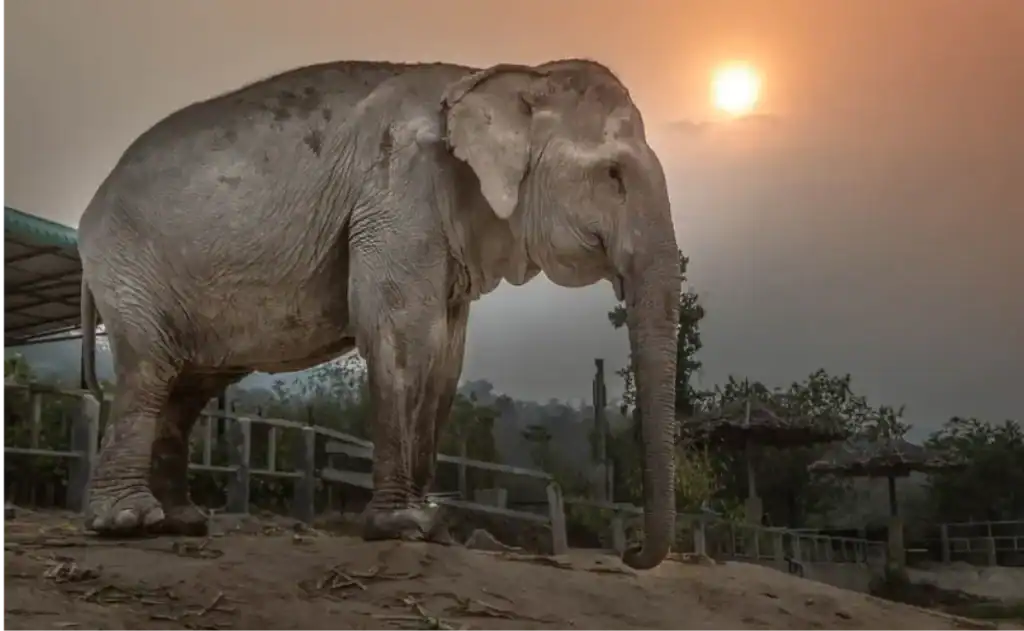
When asking how many elephants are left in the world, the answer is complex because it varies significantly by species and region. Currently, there are fewer than 500,000 individuals remaining globally. The African group of elephants population, which once flourished across the continent, has now dwindled to roughly 415,000 in the wild. These African elephants are categorized into two distinct species: the savanna elephant and the critically endangered forest elephant.
The situation for Asian elephants is even more critical, with Asian elephants estimated at a mere 40,000 to 50,000 individuals. Within this group, Indian elephants are a major focus for conservationists, as India remains a primary stronghold for the species, hosting approximately 22,446 wild individuals.
- Travel with purpose by choosing experiences that protect ecosystems and ensure a vibrant future for our planet : Sustainable Tourism
Situation of Elephant Population
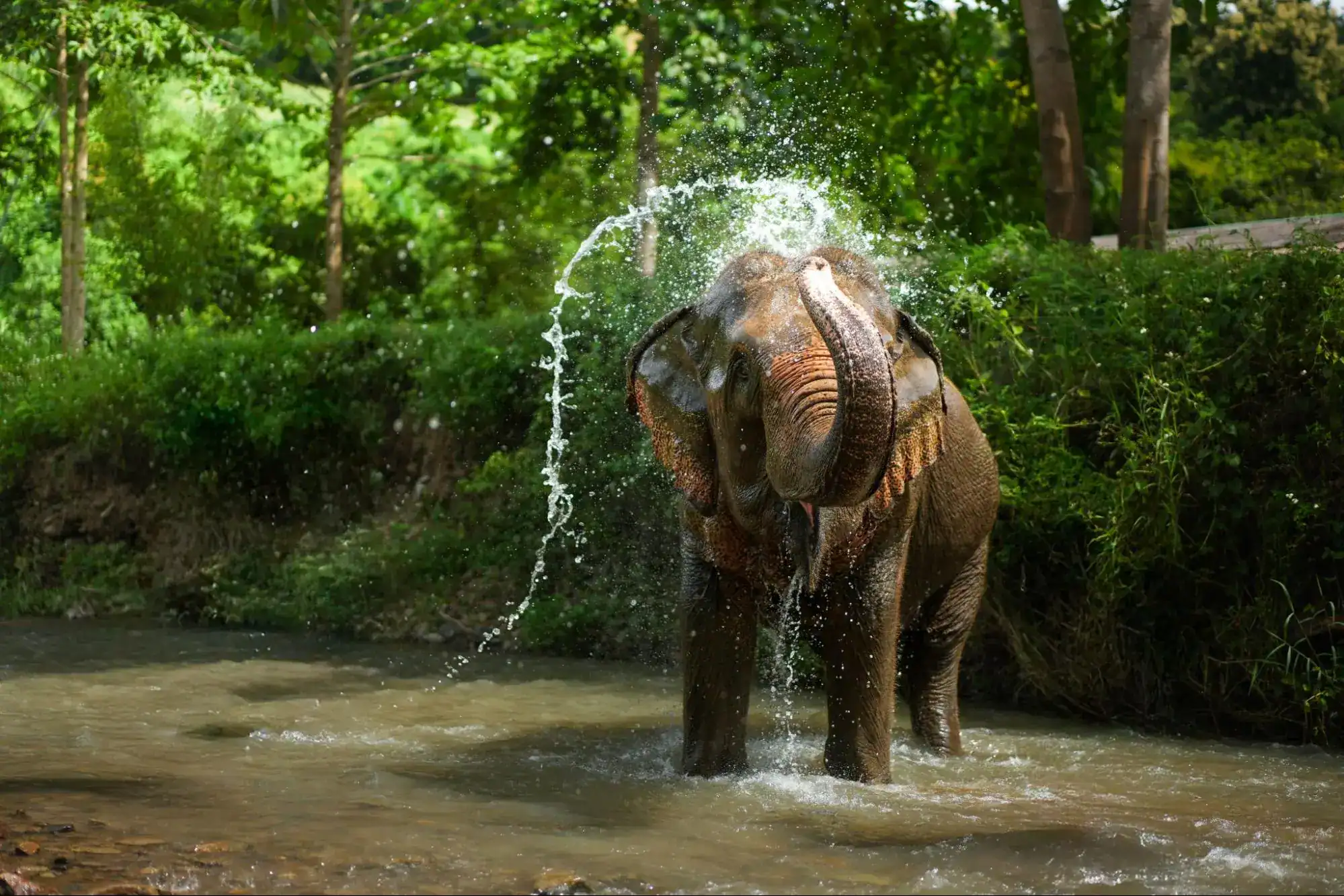
Determining the extinction risk of these elephants requires looking beyond a simple headcount; the true story lies in the “direction and rate of change.” Even a population in the hundreds of thousands is deeply concerning if it is plummeting rapidly.
- African Elephants: Currently, there are about 10 times more individuals in Africa than in Asia, yet their numbers have dropped drastically from the 1.1–1.3 million estimated in 1979. IUCN data since 1995 confirms a continuous downward trend.
- Asian Elephants: With a population 10 times smaller than their African cousins, Asian elephants are significantly more fragile and at higher risk due to their low total numbers.
Both species face a grim outlook as the African forest elephant is critically endangered, while the savanna and Asian elephant remain endangered elephants, with all populations steadily decreasing.
- Support local livelihoods and preserve rich cultural heritage through authentic, community-led travel experiences that give back : Community Based Tourism
Why Is The Number of Elephant Population So Low?
How many elephants are left in the world remain critically low due to a combination of historical devastation and ongoing challenges:
- Lingering Effects of Poaching: The primary reason populations are so low is that we are only just emerging from the most severe period of poaching in human history; although instances have dropped from their peak, the last few decades have been catastrophic.
- Habitat Loss and Deforestation: Vast areas of natural forests are being cleared for agriculture, logging, and infrastructure. This deforestation shrinks the elephants’ living space, forcing them into smaller, fragmented pockets of land that cannot sustain their massive dietary needs.
- Policy Inconsistency: Following the ivory ban, the population remained vulnerable because CITES backtracked several times, allowing various African countries to sell ivory to high-demand markets like China and Japan.
- Economic Incentives: Poaching remains a persistent threat because an elephant tusk is worth a fortune; for those in poverty-stricken areas, it can appear to be a lucrative investment for their families.
- Human-Wildlife Conflict: As natural habitats are lost to agricultural expansion, elephants sometimes find food in farming areas, creating unintended tension with local communities as they strive to protect their crops and livelihoods, making harmonious coexistence a significant challenge for both people and wildlife.
- Discover the heartwarming journey of a baby elephant and why their survival is key to herd longevity : Baby Elephant
How to Preserve Elephant Population?
Preserving how many elephants are left in the world requires a collective effort that spans from global policy to individual choices. While conservationists work on the front lines to combat poaching and habitat loss, travelers and wildlife enthusiasts play a crucial role in determining the future of these majestic animals.
By supporting initiatives that prioritize welfare and community involvement, we can help ensure that elephants thrive for generations to come.
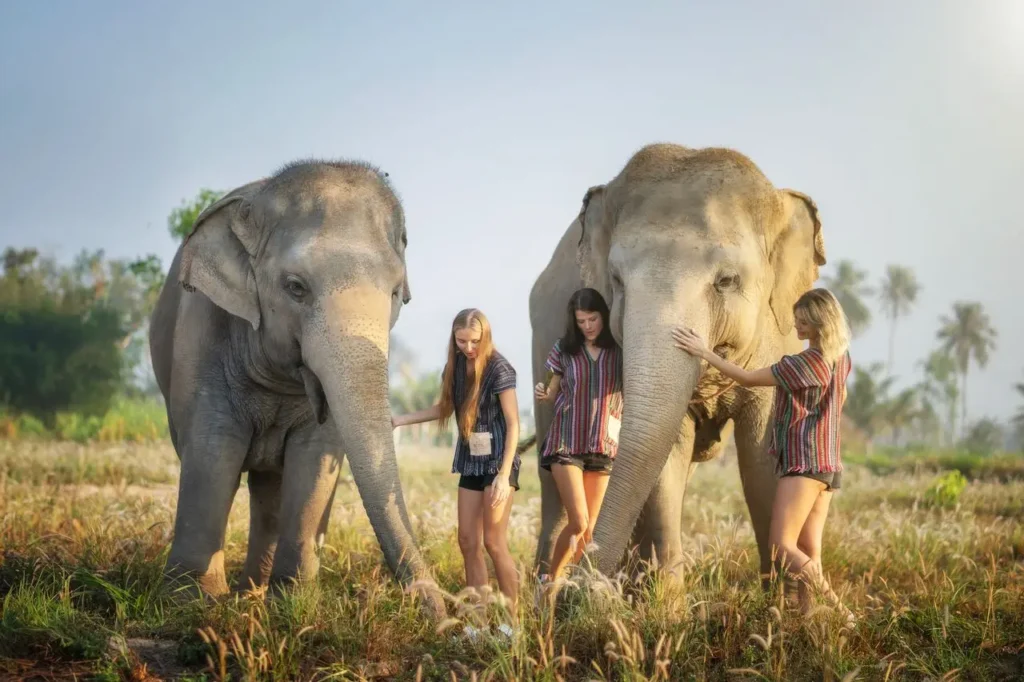
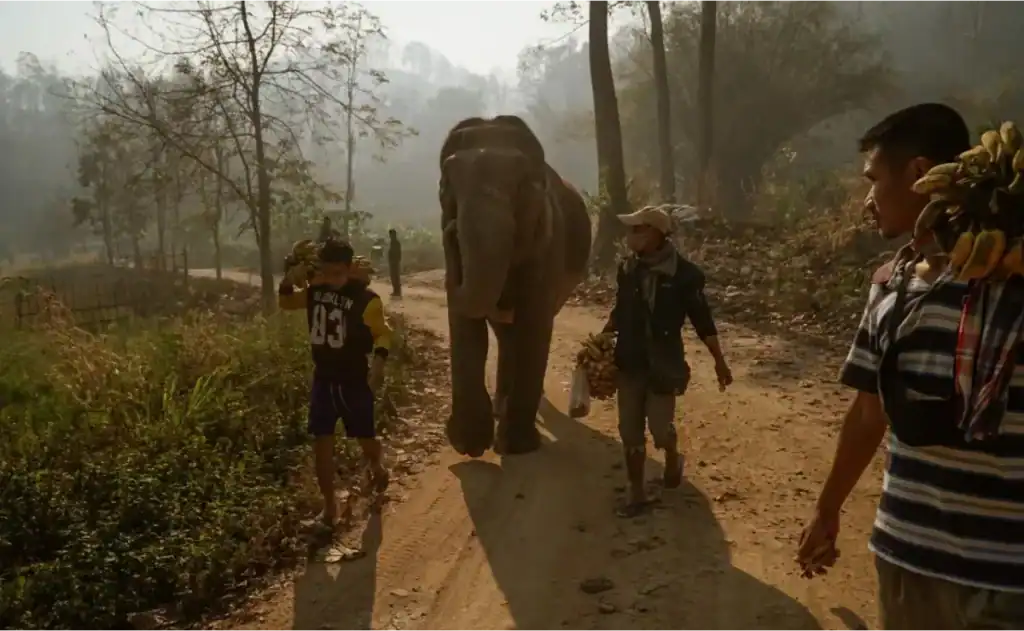
- Support Ethical Tourism: Visit Ethical Elephant sanctuaries that prioritize Elephant Welfare and invite you to truly learn about and understand elephants. By interacting with their natural behaviors and studying their lives under the guidance of expert Mahouts, you gain a deeper appreciation for their existence.
- Say No to Ivory: Refusing to purchase any products made from ivory directly reduces the market demand that fuels illegal poaching.
- Raise Awareness: Sharing information about the challenges elephants face helps keep conservation at the forefront of global conversations.
- Support Local Communities: Encouraging programs that help local people live harmoniously with wildlife reduces human-elephant conflict.
- Join the global movement this World Elephant Day to raise awareness and secure a future for giants : World Elephant Day
Frequently Asked Questions (FAQs)
Are elephants endangered?
Yes, all three species face significant threats. The African forest elephant is listed as Critically Endangered, while both the African savanna elephant and the Asian elephant are classified as Endangered. Their survival is currently under significant threat due to the continuous retreat of their natural habitats and historical poaching.
Where do elephants live?
Elephants are found across diverse landscapes in sub-Saharan Africa and South/Southeast Asia. African elephants inhabit a range of environments from dense tropical rainforests to arid savannas. Meanwhile, Asian elephants primarily live in forested regions and grasslands, with India currently serving as a major stronghold for the species.
How fast are elephant populations growing?
Unfortunately, most populations are not growing; they are in a steady or rapid decline. For instance, African elephants have seen a massive drop from over a million in the late 1970s to roughly 415,000 today. Recovery is slow because elephants have long gestation periods and face ongoing human-wildlife conflict.
Understanding How Many Elephants Are Left in The World with EJS
The question of how many elephants are left in the world reveals a landscape of both crisis and hope. While historical poaching and habitat loss have significantly thinned their ranks, modern conservation efforts are beginning to show promise. Protecting these species requires a global commitment to ending the ivory trade and fostering environments where humans and elephants can coexist safely.
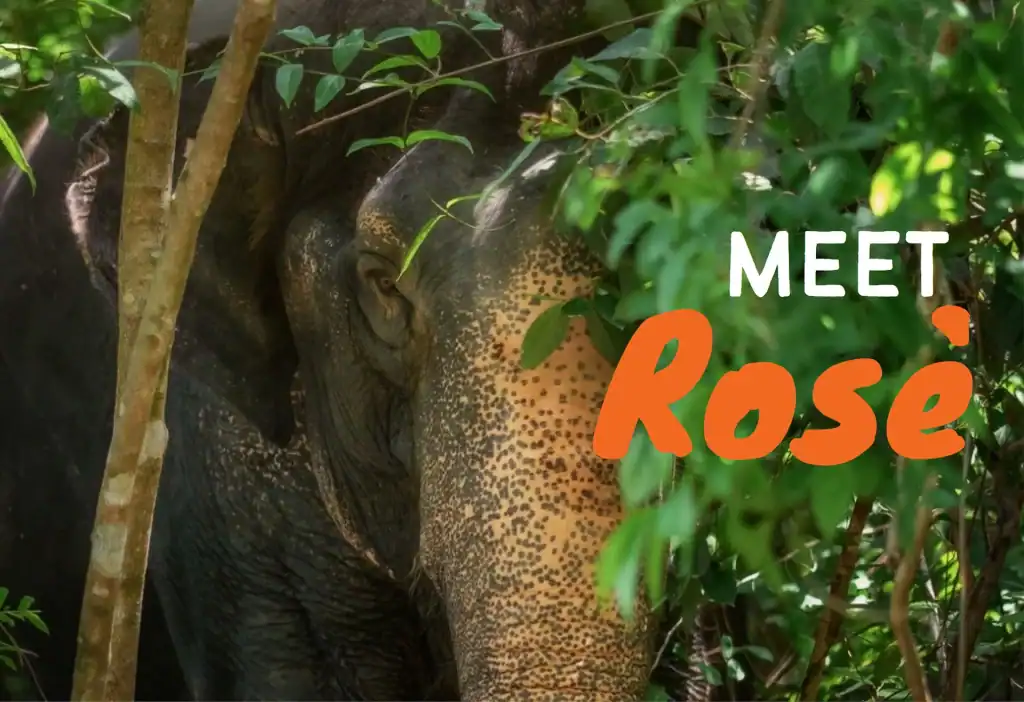
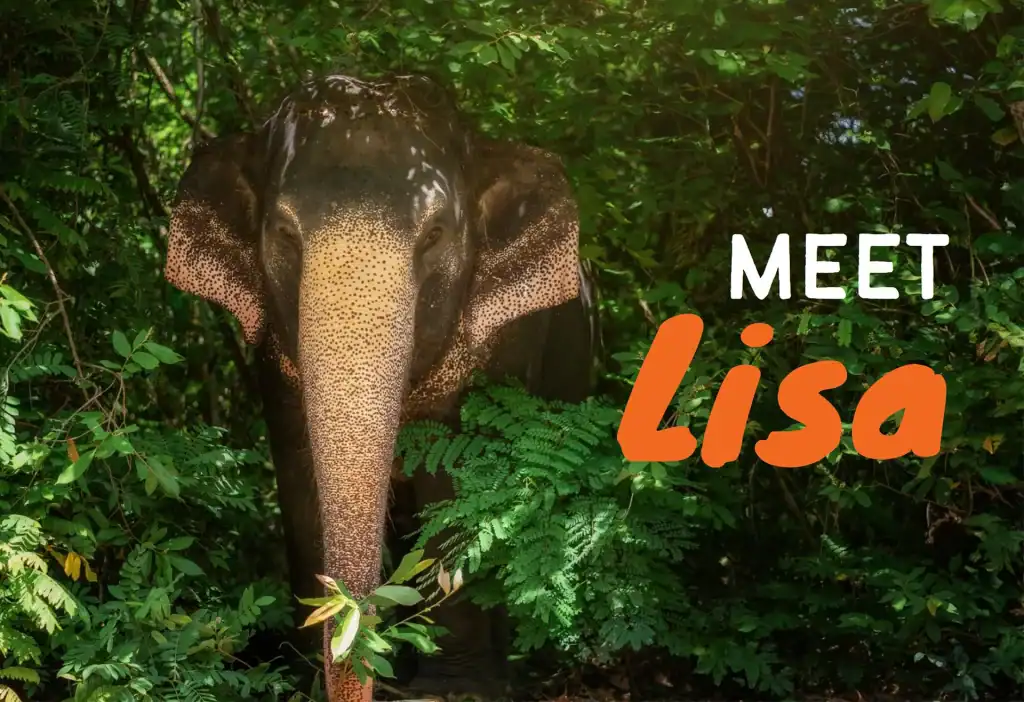
Visit Elephant In Thailand at Elephant Jungle Sanctuary (EJS), we are an Ethical Elephant Sanctuary that provides a meaningful way to support these conservation goals through ethical tourism. Visitors can interact with rescued elephants in a respectful setting, participating in activities like preparing natural dietary supplements or enjoying a mud spa under the professional supervision of our guides and mahouts. Your visit at our Responsible Tourism directly funds the welfare and long-term protection of the beloved Asian elephant.