Welcome to the enchanting world of the national animal of Thailand. In this guide, we invite you to journey through the lush history and vibrant culture of the kingdom, where one magnificent creature stands above the rest as a symbol of pride. Whether you are exploring the misty mountains of the north or the tropical jungles of the south, the presence of the elephant is felt everywhere.
Key Takeaways
- The Thai elephant (Chang Thai), is the national animal of Thailand, symbolizing strength, intelligence, and longevity.
- The Asian elephant is categorized into four main subspecies; Indian elephant, Sri Lanka Elephant, Sumatra Elephant, and Borneo Elephant. The majority of the elephants in Thailand are Indian elephant (Elephas maximus indicus)
- Thailand’s elephants are officially listed as endangered, with current populations split between wild (3,000-4,400) and domesticated (3,800) individuals.
- Habitat loss due to deforestation is the major threat, leading to “Human-Elephant Conflict” (HEC) as elephants encroach on farmland.
What Is the National Animal Of Thailand?
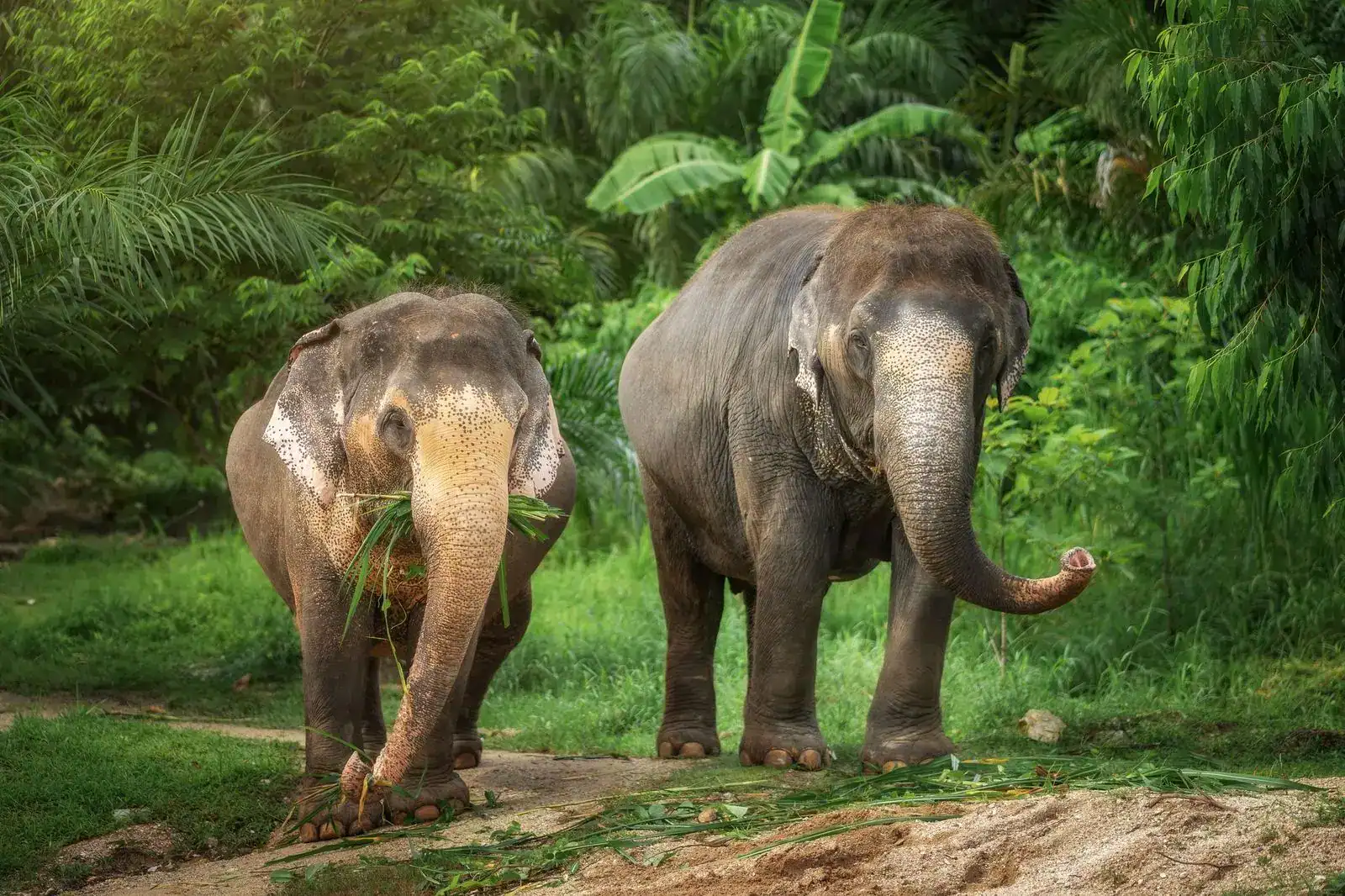
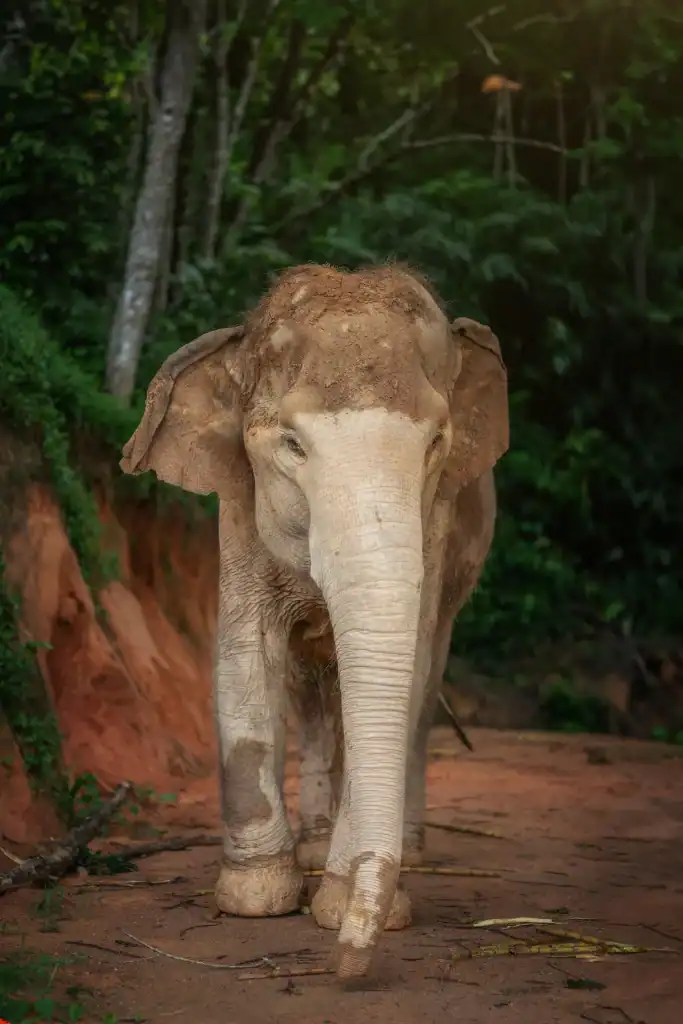
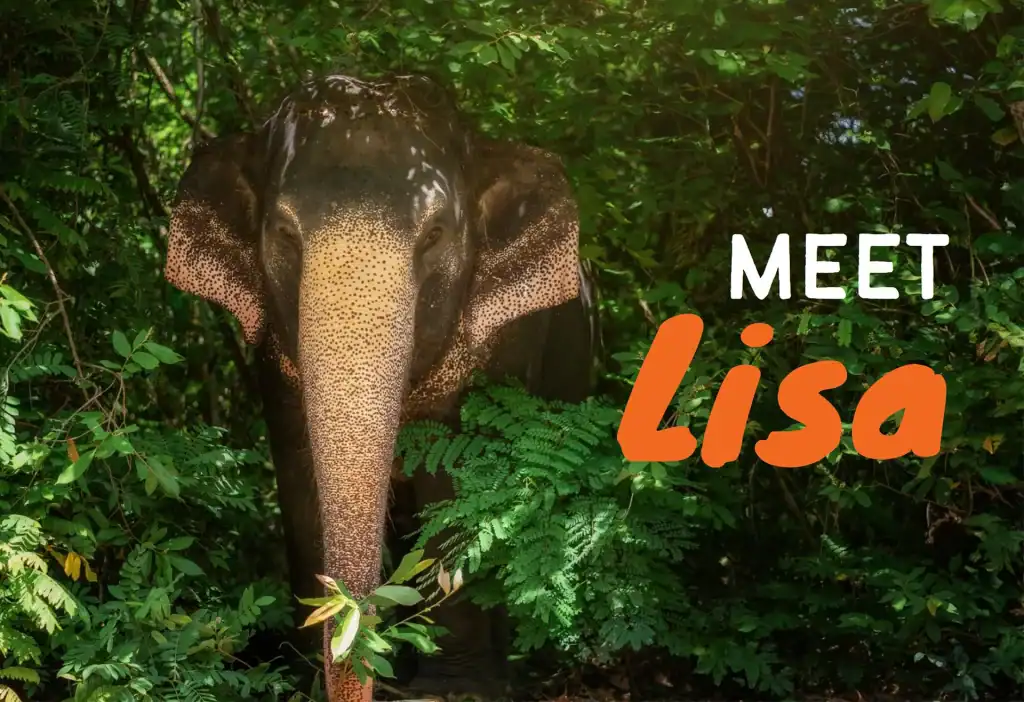
What is the national animal of Thailand? The Thai elephant (Chang Thai), is the national animal of Thailand. They are subspecies of the Asian elephant. While the Asian elephant is categorized into four main subspecies (the Sri Lankan, Sumatran, Borneo, and Indian elephant) the vast majority of elephants found in Thailand belong to the Indian elephant subspecies (Elephas maximus indicus). Slightly smaller than their African counterparts, elephants in Thailand are a profound symbol of strength, intelligence, and longevity, central to Thai culture.
They hold sacred significance, especially the royal “white elephant” (Chang Phueak), and symbolize mental strength and responsibility in the Buddhist faith. As vital national symbols, their image is found everywhere, from ancient temples to modern currency.
The elephant was chosen as the national animal not only for its beauty but also for its historical role in nation-building. Today, it remains an inspiration, embodying the deep connection between the Thai people and nature, and representing the kingdom’s history and hopes for a sustainable future.
History of Thailand’s Elephants
The Thai elephant’s history spans 16 million years, with fossil evidence like Prodeinotherium found in Northern Thailand. Since the first written mention in 1292 by King Ramkhamhaeng, elephants have been crucial to Thailand. They served as primary mounts for kings in war until the 19th century, with a ruler’s power often tied to the number of elephants they possessed. Following this, their role shifted to vital labor in the logging industry.
Beyond work and battle, Elephant In Thailand held high honor; King Rama VI’s 1921 Wild Elephant Protection Act declared all wild elephants government property, and rare white elephants were presented to the King as a sign of prosperity. This profound historical bond is why the elephant remains the most iconic Thai symbol, having even appeared on the national flag until 1917.
Current Status of Thailand’s Elephants
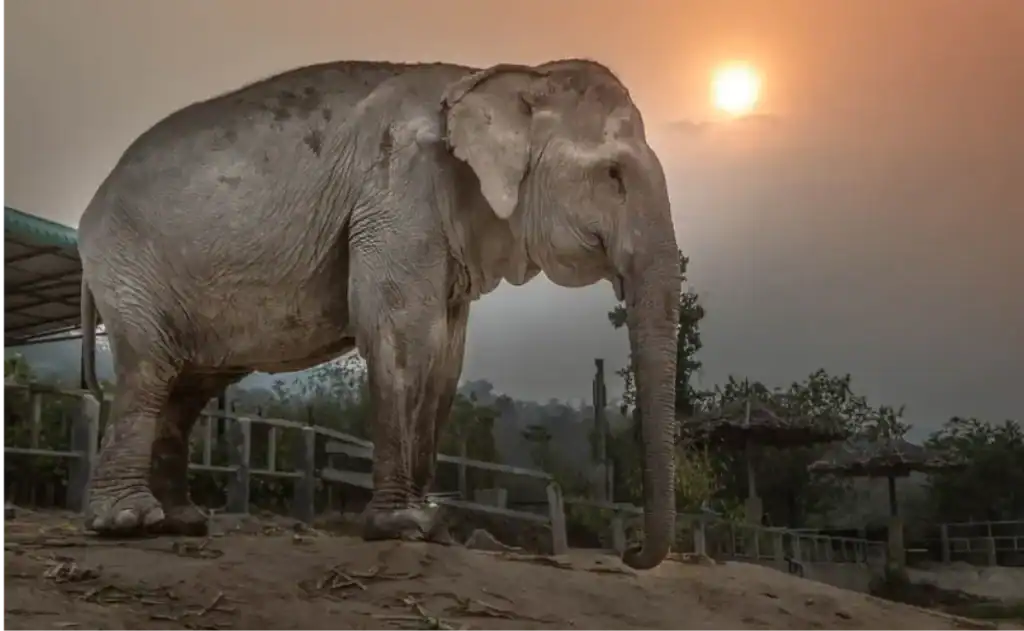
Are there wild elephants in Thailand? Thailand’s Asian elephants, the national icon, face a critical crossroads, officially listed as endangered. Approximately 3,000-4,400 wild elephants inhabit protected areas, while 3,800 are domesticated, a legacy of the 1989 logging ban that displaced elephants and their mahouts. This shift spurred elephant tourism.
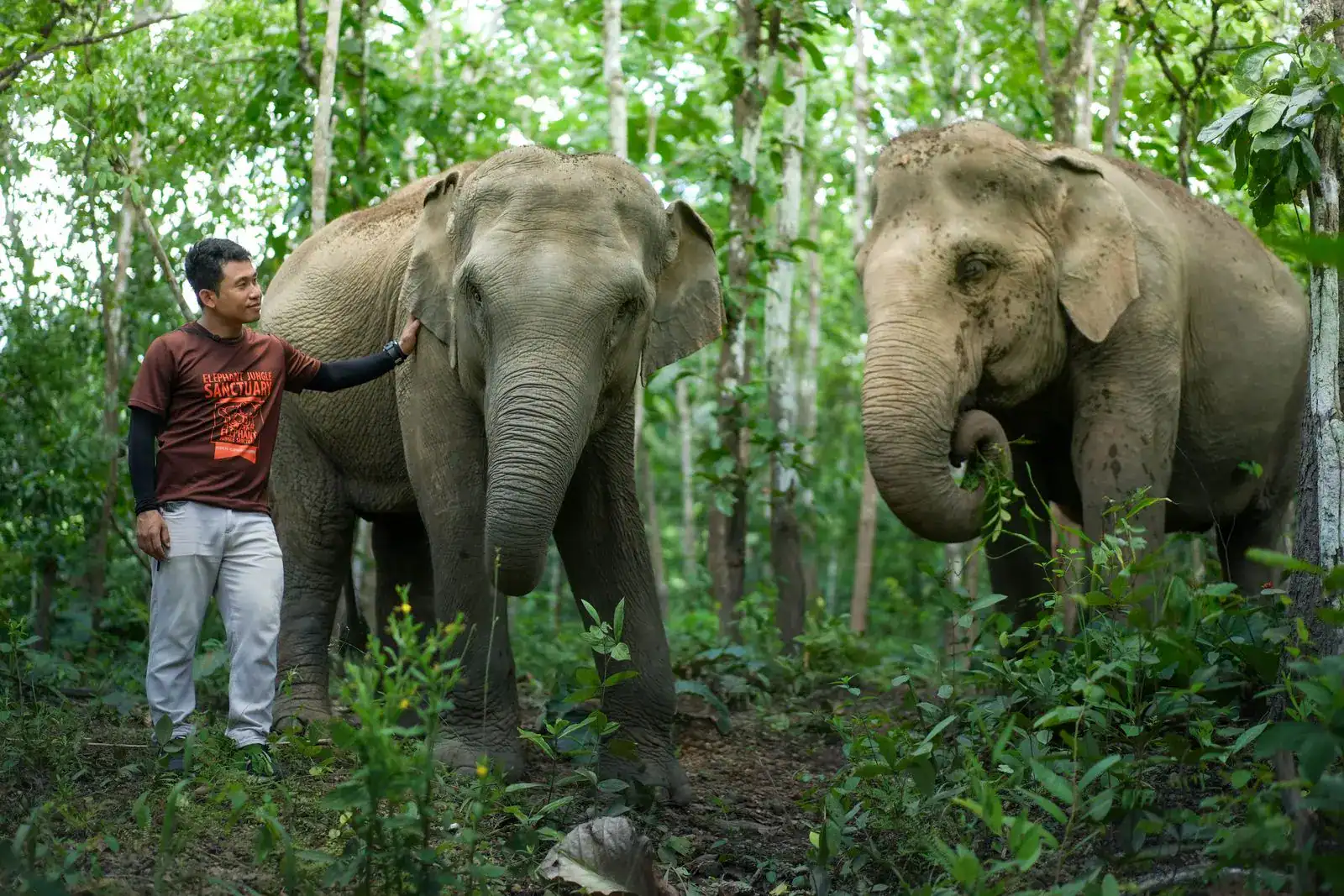
Nowadays, strict laws focus on sustainable tourism, ethical models. Facilities like Elephant Jungle Sanctuary (EJS) provide safe havens. Governmental efforts, including the 1992 Wildlife Reservation and Protection Act and the 2015 Elephant Ivory Act, have curbed poaching. Domesticated elephants must now be microchipped and registered.
Today, wild populations are growing slightly (8% yearly), creating new management challenges. Supporting an ethical elephant sanctuary is the most effective way for visitors to contribute to elephant welfare.
Deforestation And Elephant Habitats Issue
Thailand’s national animal, the elephant, faces a major threat from habitat loss. Driven by government initiatives for agriculture, the country’s forest cover has plummeted from over 50% to about 25-33% in 70 years. This massive deforestation created isolated forest “islands,” leaving elephants, which need vast areas (up to 100 sq km) to find 150-200 kg of daily food, nowhere to roam.
Forced out of the jungle, wild elephants enter farmland, leading to a rise in “Human-Elephant Conflict” (HEC) where crops are destroyed and both humans and elephants can be harmed. While rising elephant numbers signify “conservation success,” the conflict is a “clarion call for action” on habitat management.
With their territory encroached, elephants are now found near villages and in plantations. Organizations are addressing this through responsible tourism projects that fund reforestation and create wildlife corridors. Community Based Tourism also educates locals on coexistence.
Elephant Tourism in Thailand
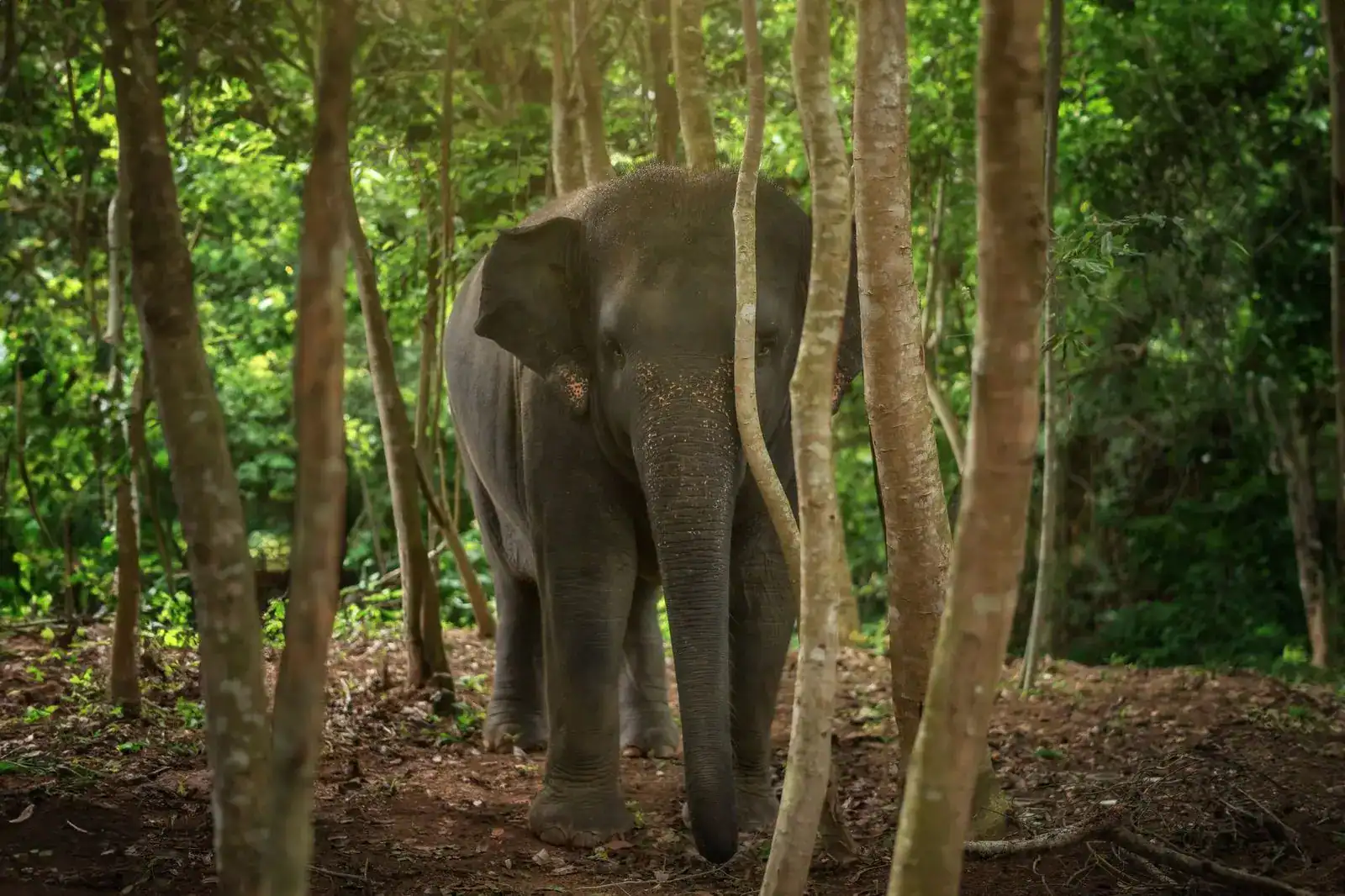
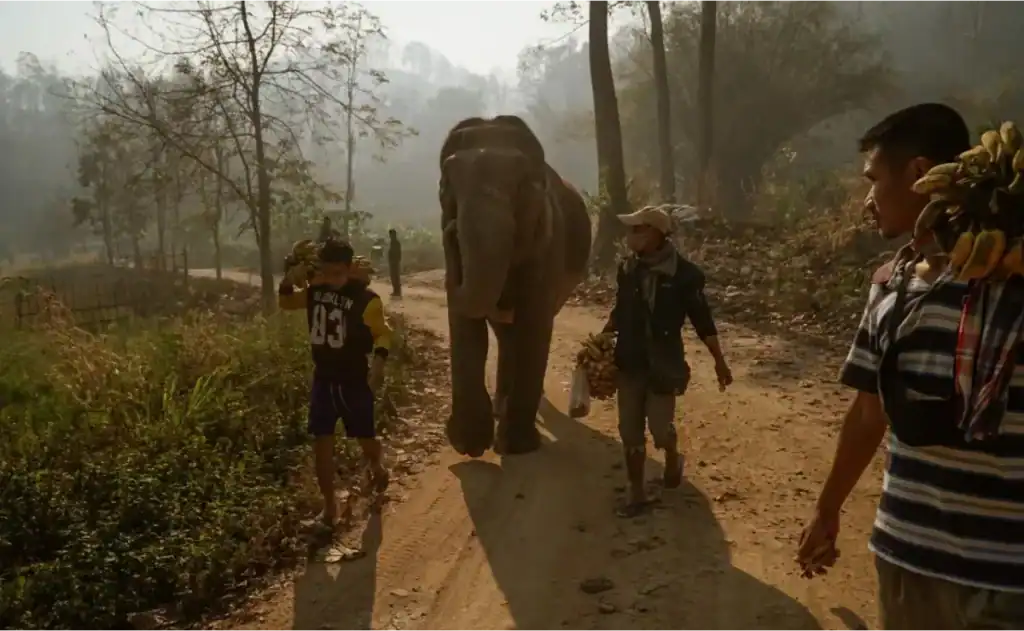
Elephant tourism in Thailand drastically changed after the 1989 logging ban left approximately 3,000 domesticated elephants and their mahouts jobless. To meet the animals’ high dietary needs (up to 200 kg of food daily), owners turned to responsible tourism.
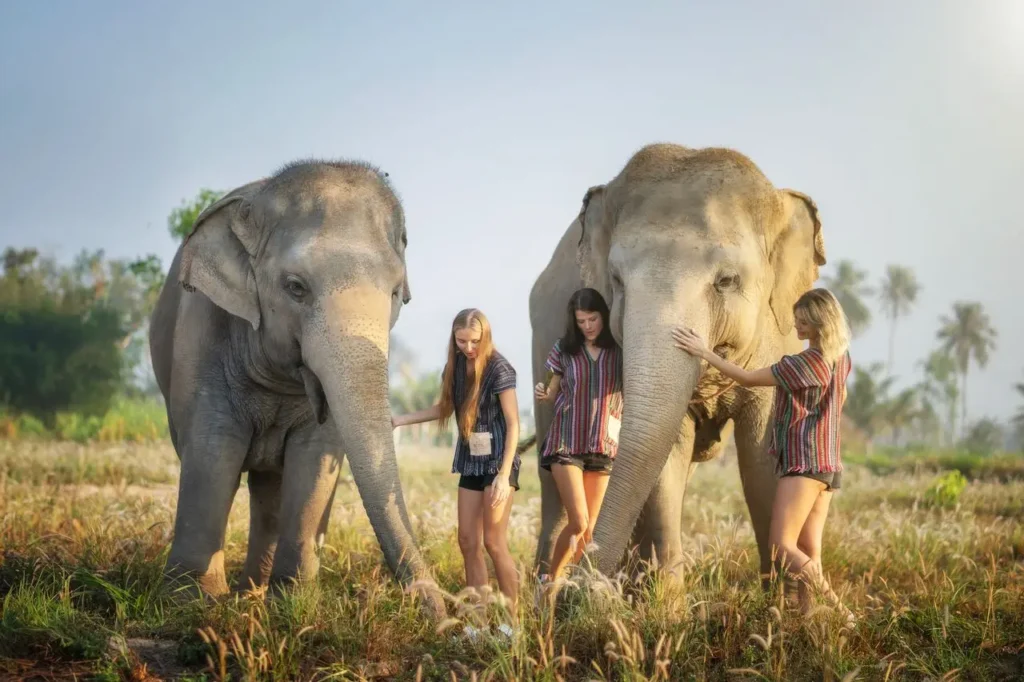
Today, travelers participate in ecotourism, focusing on hands-on experiences, engaging directly with these majestic animals in natural settings while respecting their status as the Thai national animal. The activities are supervised by professional guides and experienced mahouts for safety. This shift is vital, as insufficient natural habitat remains for the roughly 3,800 captive elephants. Ethical venues, funded directly by tourists, cover the high costs of food, healthcare, and maintenance, ensuring the elephants’ sustainable future.
Why Ethical Elephant Sanctuary in Thailand Matters?
Selecting an Ethical Elephant Sanctuary is essential for elephant welfare and their survival, as domesticated elephants cannot be released into the wild. High-standard sanctuaries are their only safe refuge. They’re focusing on rehabilitation and allowing elephants to roam, forage, and socialize naturally. This significantly improves their mental and physical health by reducing stress.
Elephant Jungle Sanctuary (EJS) models sustainable, ethical elephant tourism by providing residents with a safe, permanent home based on trust. Our routines respect their natural cycles, allowing for respectful interaction, like preparing food or bathing elephants.
Frequently Asked Questions (FAQs)
Asian vs African elephants: What are the differences?
African elephants differ from Asian elephants (like the Thai elephant) primarily in ear size and head shape. African elephants have large, continent-shaped ears and rounded foreheads, while Asian elephants have smaller ears (half their head size) and a distinct “m-shaped” head with two domes. Asian elephants are also generally smaller, reaching 3.5 meters versus the African species’ 4 meters.
Are elephants considered good luck in Thailand?
Elephants are deeply revered symbols of Thailand, believed to bring good fortune and rain. In Thai culture, their physical strength represents mental strength and responsibility. They are widely used in art, religious ceremonies, and products to symbolize prosperity, and some believe walking under an elephant’s belly brings luck.
What does “Chang” mean?
In the Thai language, “Chang” (ช้าง) simply means elephant. Because the elephant is the national animal of Thailand, the word is used throughout the country in various contexts, from place names to the famous local “Chang Beer“. The term Chang Thai refers specifically to the Thailand elephant, highlighting its status as the heartbeat of the nation’s identity.
National Animal of Thailand and A Future Built on Respect
The national animal of Thailand is a magnificent symbol of the country’s strength, spiritual heritage, and history. To protect the Thai elephant, we must embrace Responsible Tourism that puts the needs of the animal first.
At Elephant Jungle Sanctuary, we invite you to experience the beauty of these gentle giants through an Ethical Elephant encounter that supports conservation and community well-being. Join us in our mission to ensure that the soul of Thailand continues to thrive for generations to come.