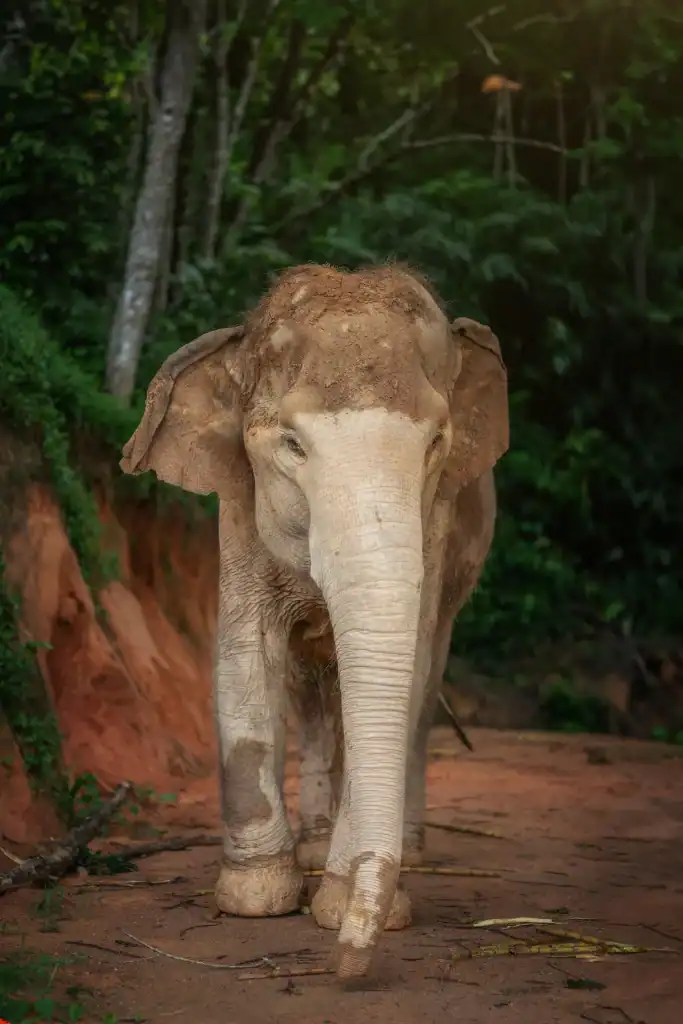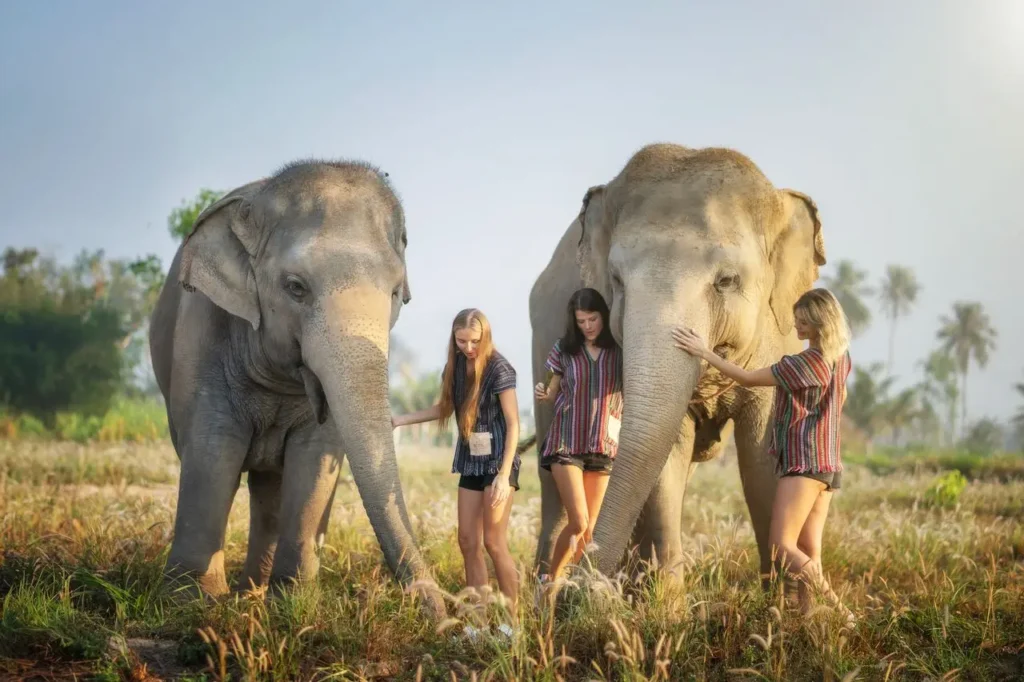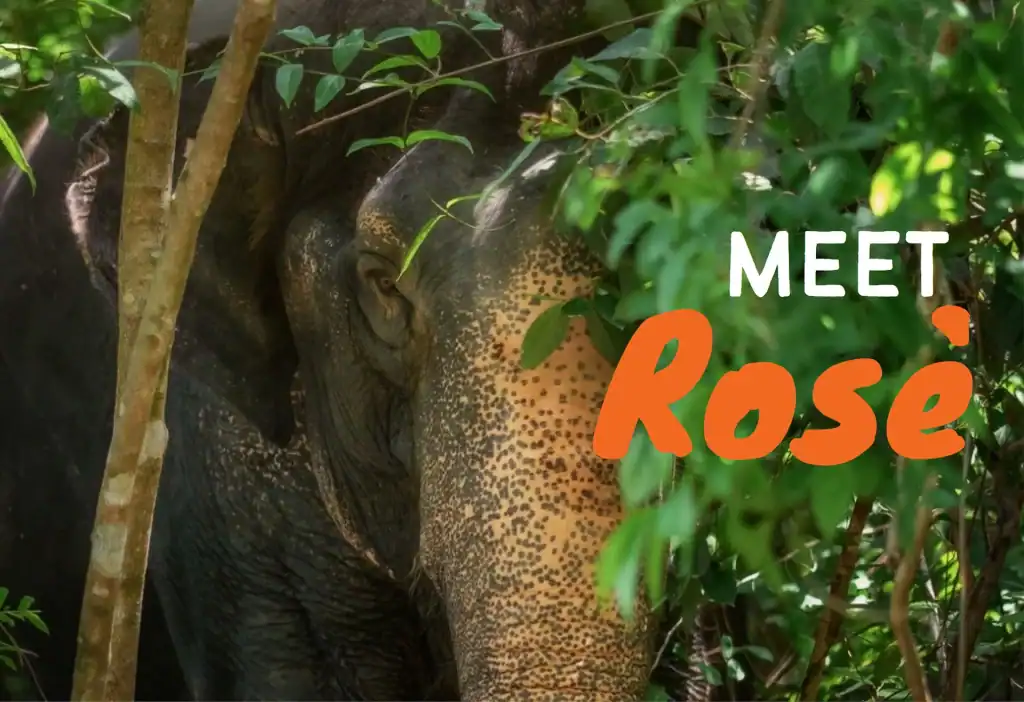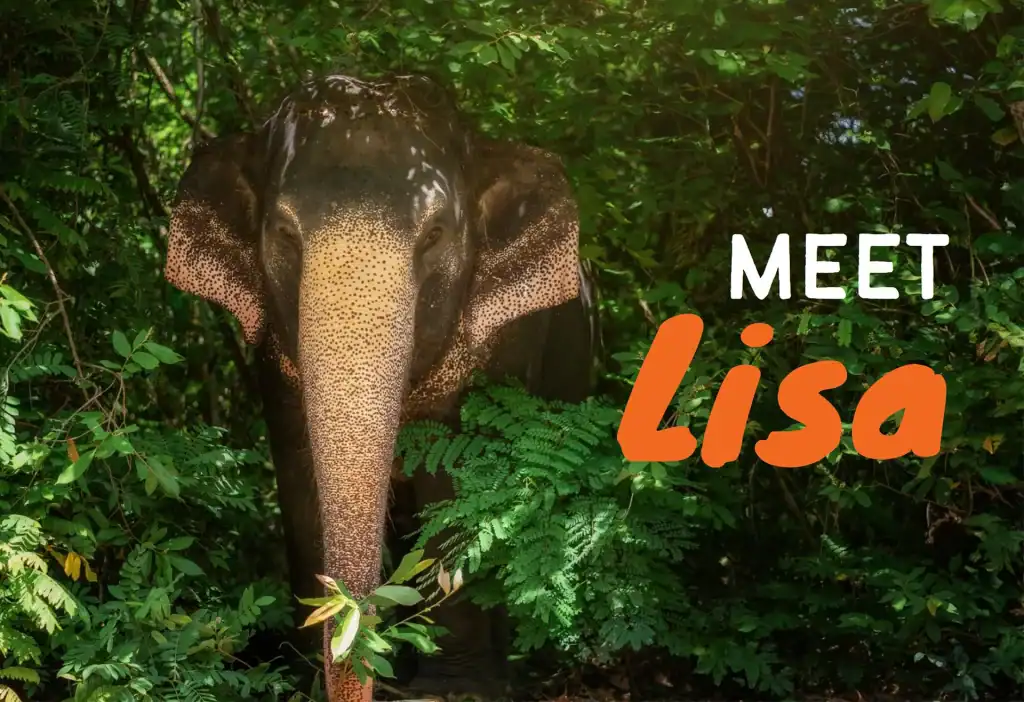
The journey of an elephant begins with an extraordinary biological feat and continues through a childhood filled with complex social learning. From enduring the longest pregnancy in the animal kingdom to mastering the intricate movements of their trunks, a baby elephant represents the future of their species.
Understanding how much does an baby elephant weighs, how big is a baby elephant and the unique needs and behaviors of baby elephants allows us to appreciate the delicate balance required to protect and sustain these majestic creatures.
Key Takeaways
- Elephants endure a 22-month pregnancy to ensure baby elephants are born highly developed, weighing 90kg and standing waist-high to human adults.
- Baby elephants are born without trunk coordination, requiring nearly a year of practice to master over 40,000 muscles needed for survival.
- Survival depends on “allomothering,” where the entire herd participates in soothing, protecting, and educating the calf through deep emotional connections.
- Quirky habits like trunk-sucking for comfort and mud-bathing are critical developmental milestones that protect their skin and provide emotional stability.
How Many Babies Can Elephants Have?
Elephants have a remarkable reproductive process that demands a significant amount of elephant gestation period. A female elephant is recognized as the mammal with the longest gestation period in the world, carrying her calf for 18–22 months, which is nearly two years, to ensure the baby is fully developed. Due to this lengthy pregnancy and the intensive care required for a newborn, mothers typically give birth only once every 4–5 years, allowing their bodies enough time to fully recover.
Throughout her lifetime, a single female elephant can give birth to approximately 3–5 baby elephants. They remain reproductively active until they reach about 50 years of age before entering their senior years. This limited number of offspring and the slow pace of reproduction are key reasons why elephant populations are so vulnerable and require dedicated conservation efforts to ensure their long-term survival.
- Time is running out. Learn the critical challenges facing elephants and how to help : Endangered Elephants
7 Fascinating Facts about Baby Elephants
Discover the enchanting world of baby elephants. These “calves” are more than just adorable, but they possess incredible physical traits and social intelligence. Let’s explore seven fascinating facts that reveal how these young giants grow and survive.
1. Baby Elephants Weights
What is the size of a baby elephant? A baby elephant enters the world with an impressive weight, averaging around 90 kilograms (200 pounds). This massive size is the result of a long 22-month gestation period, which gives the fetus ample time to accumulate nutrients and fully develop its body for life in the wild.
After birth, Elephant Weight increases rapidly as they consume nutrient-rich mother’s milk, which is high in fat and protein, essential for building the strong muscles and bones needed to keep up with the herd which makes a huge size of baby elephant when born.
- They don’t just have tusks! Dive into the fascinating world of elephant dentistry : Do Elephants Have Teeth
2. Baby Elephants Sizes
At birth, a baby elephant stands approximately 90 centimeters tall, roughly reaching the waist of an average human adult. Unlike adult elephants, baby elephants are often covered in a layer of thick, dark hair. This hair doesn’t just provide warmth; it plays a crucial role in thermoregulation, helping to dissipate heat from their fast-growing bodies in hot climates. As the elephant matures and its body adapts better to the environment, these hairs gradually thin out and shed, giving way to the thick, grey skin characteristic of adults.
- discover the unique life and culture of the Asian elephant : Asian Elephant
3. Developing Trunk Skills
An Elephant Trunk contains over 40,000 muscles, but a calf doesn’t actually know how to use it until they are about 8 months old. In the beginning, the trunk is like a clumsy extra limb that you will often see baby elephants stepping on their own trunks or swinging them aimlessly in confusion.
They must work incredibly hard to develop the muscle coordination and sensory skills required to grasp food, spray water, and communicate. This learning process is a long journey of trial and error that takes years to master.
4. Social Learning and Behavior
Baby elephants learn how to survive by copying the behaviors of older members of the herd. They are naturally playful and curious, often “testing” their surroundings to see the reaction.
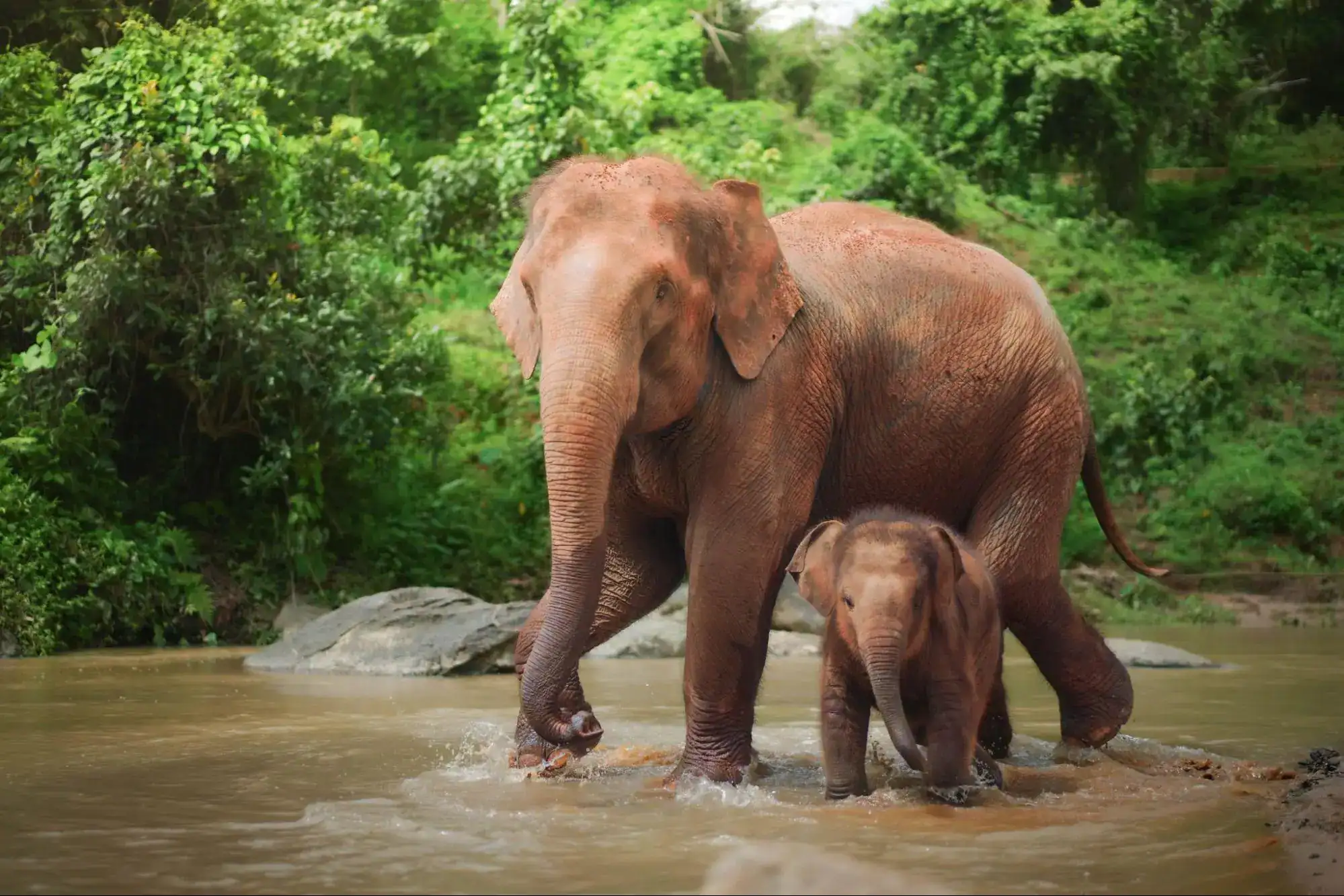
Despite this adventurous streak, a calf remains extremely close to its mother during its first few months, often walking directly under or beside her. This bond is vital for both physical protection and the social education required to navigate the complex hierarchy of elephant society.
- Uncover the truth behind ivory and why these majestic tusks are vital for survival : What is Elephant Tusks? All The Facts You Didn’t Know
5. Dietary Habits
Mother’s milk is the primary source of nutrition for a calf for at least 2 years, and sometimes even longer. To transition to solid food, baby elephants will stick their trunks into the mouths of older elephants to “taste” what the adults are eating.
Most interestingly, baby elephants engage in coprophagy, which is the act of eating the fresh Elephant Dung of other elephants. This provides them with the essential bacteria needed to develop a healthy digestive system capable of processing tough plant fibers which are bacteria they are not born with.
- Discover the massive daily diet of nature’s gentlest giants : What Do Elephants Eat? Diet, Habitat & Welfare Facts
6. Emotional Intelligence
Elephants possess high emotional intelligence, particularly regarding their youngest members. If a calf “complains” or sounds distressed, the entire herd will often rush over to soothe and comfort them.
Other females in the herd, such as sisters or aunts, act as “allomothers” (babysitters), helping to protect and raise the calf as if it were their own. This instinctual bond is incredibly strong that the herd can sense danger quickly and will form a defensive circle around the young ones the moment they feel threatened.
7. Odd Behaviors
A baby elephant exhibits several quirky behaviors, such as trunk sucking, which is remarkably similar to a human baby sucking its thumb; it provides comfort and helps the calf relax when not nursing. You may also notice elephants sleeping “flat out” on the ground, whereas adults often sleep standing up.
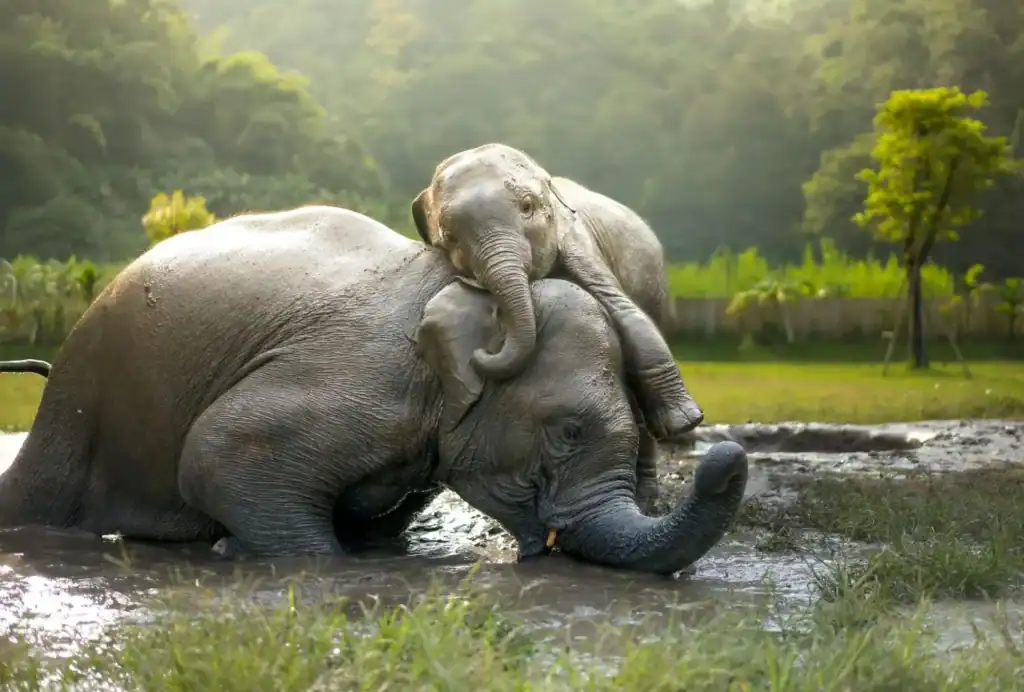
Additionally, their enthusiastic water play and “mud-bathing”, where they clumsily spray themselves with dirt, serves a dual purpose. Elephant Bathing is both a fun developmental activity and a practical way to protect their sensitive skin from the sun and insects.
Frequently Asked Questions (FAQs)
What is a baby elephant called?
A baby elephant is called a calf. This term is used from the moment of birth until the elephant reaches weaning age, typically around two to three years old. Within a herd, calves are often cared for not only by their mothers but also by other female groups of elephants known as “allomothers.”
How much does a baby elephant weigh?
At birth, a baby elephant is already a giant, weighing approximately 90 kilograms (200 pounds). This significant weight is necessary for their survival in the wild, providing them with the strength to stand and follow the herd within hours of being born.
Support Baby Elephants Conservation with EJS
The growth of a baby elephant is a testament to the strength of family bonds and biological resilience. Because their reproductive cycle is so slow and their childhood so long, every calf is a precious addition to the global elephant population. Protecting these young elephants means protecting the entire herd structure, ensuring that future generations can continue to learn, play, and thrive in their natural habitats across the world.
At Elephant Jungle Sanctuary (EJS), our Ethical Elephant Sanctuary invites you to witness the beauty of these family bonds firsthand. Our sanctuary provides a safe, natural environment where you can learn about Elephant In Thailand behavior through hands-on activities, such as preparing nutritious food or participating in a mud spa. All interactions are conducted under the close supervision of our expert guides and Mahouts, ensuring a respectful experience that supports the Elephant Welfare in our care.