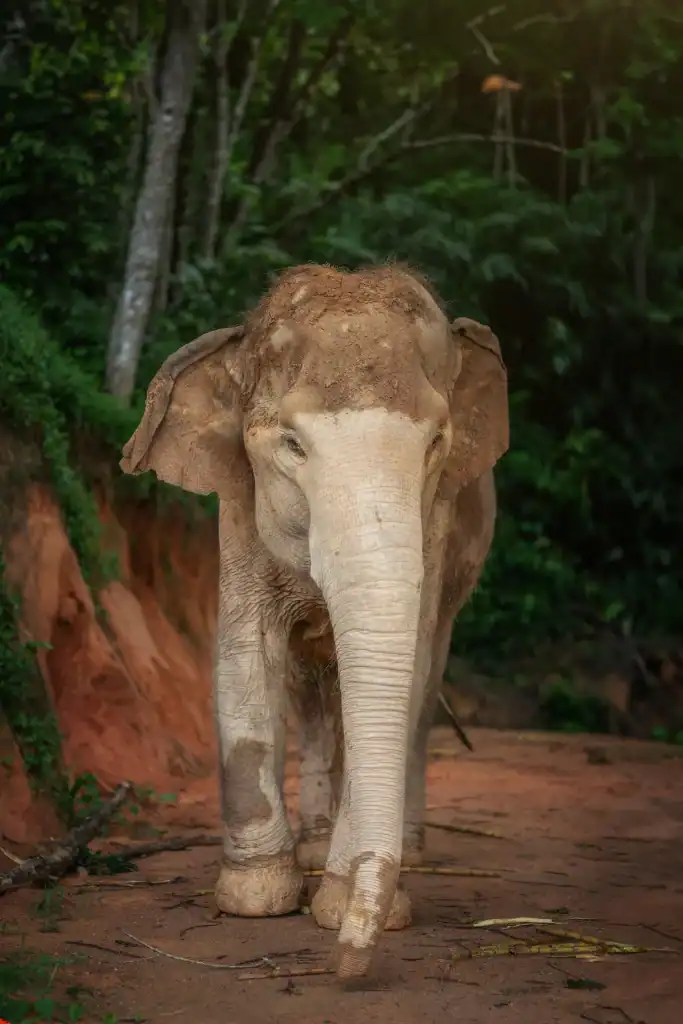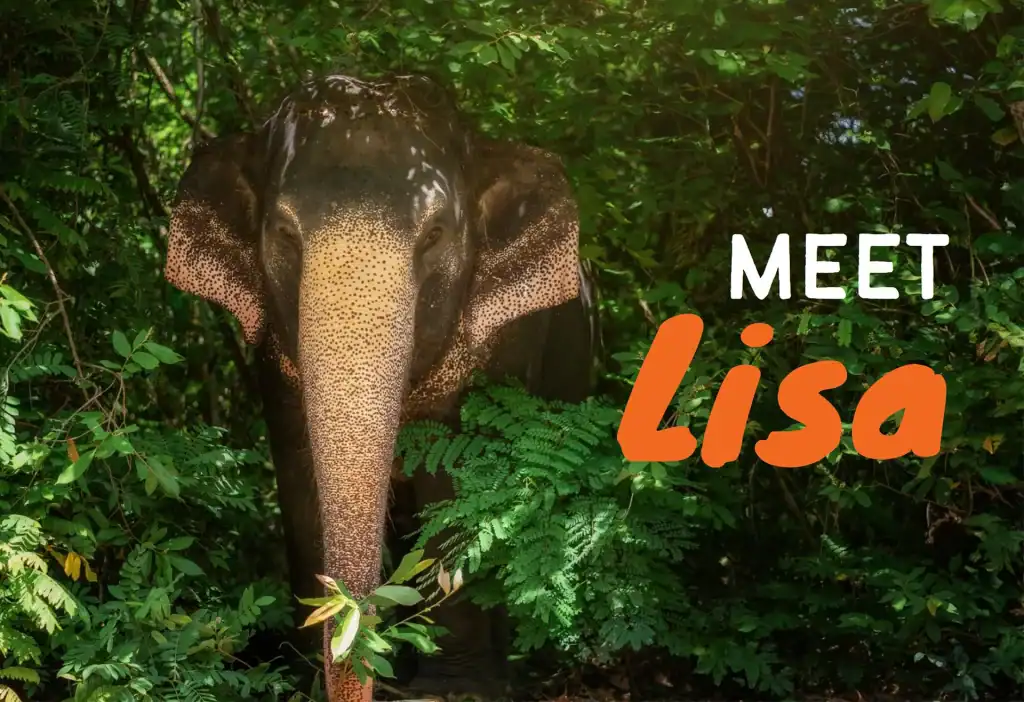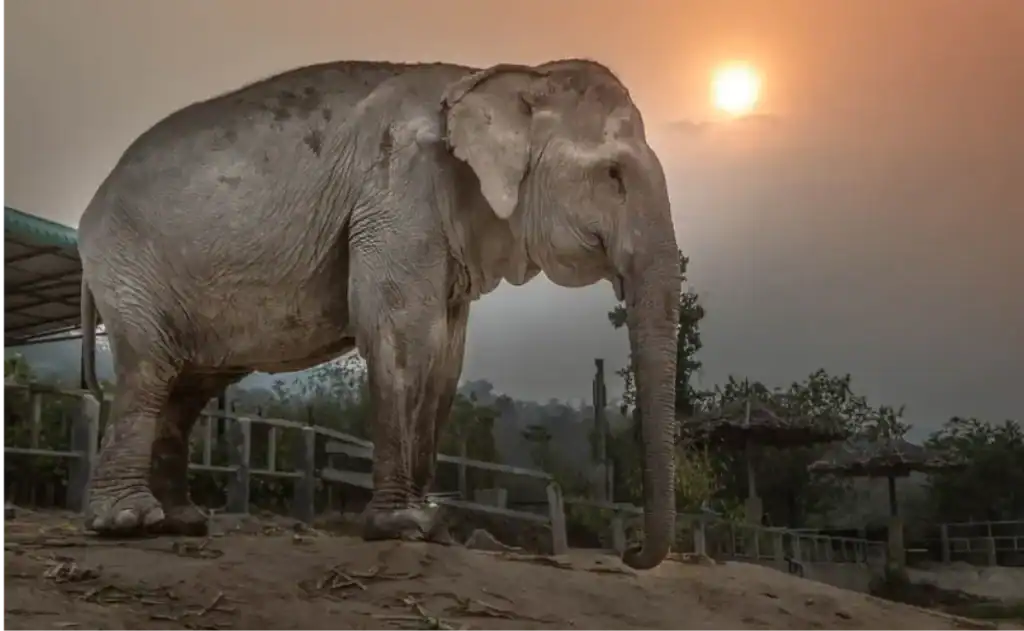
The elephant trunk or elephant’s nose is one of nature’s most incredible and versatile adaptations, distinguishing the majestic elephant from all other mammals. This unique organ, which is far more than just a long elephant nose, is a testament to the animal’s remarkable intelligence and physical power.
Understanding the elephant trunk is the first step toward appreciating the complexity and sensitivity of these gentle giants and committing to elephant welfare. This article will get you to know more about elephant trunks. Understanding what it is? How many muscles are in an elephant’s trunk? What is elephant trunk function for? And a guideline to observe an elephant’s life as a mindful tourist.
Key Takeaways
- The elephant trunk is a fusion of the upper lip and nose with around 40,000 muscles.
- The elephant trunk is used for breathing (snorkel), feeding, smelling, and communication (greetings/trumpeting).
- Support Ethical Elephant Sanctuaries that focus on observation and participate in hands-on activities under professional supervision. You can learn to feed them, prepare their supplements, and observe their natural behavior up close.
What Is An Elephant Trunk?
Is an elephant’s trunk its nose? The answer is yes, but the elephant trunk is far more than a long elephant nose. It is a unique fusion of the elephant’s upper lip and nose. It contains about 40,000 muscles, making it one of the most versatile appendages in the animal world. This structure gives it the power to handle weights over 300 kilograms, yet it remains subtle enough to pick up a single blade of grass.
The average answer to how long an elephant’s trunk is up to 2 meters for an adult African elephant. Understanding the elephant trunk meaning is key to appreciating elephant welfare and their incredible adaptability.
Why Is An Elephant Trunk Important?
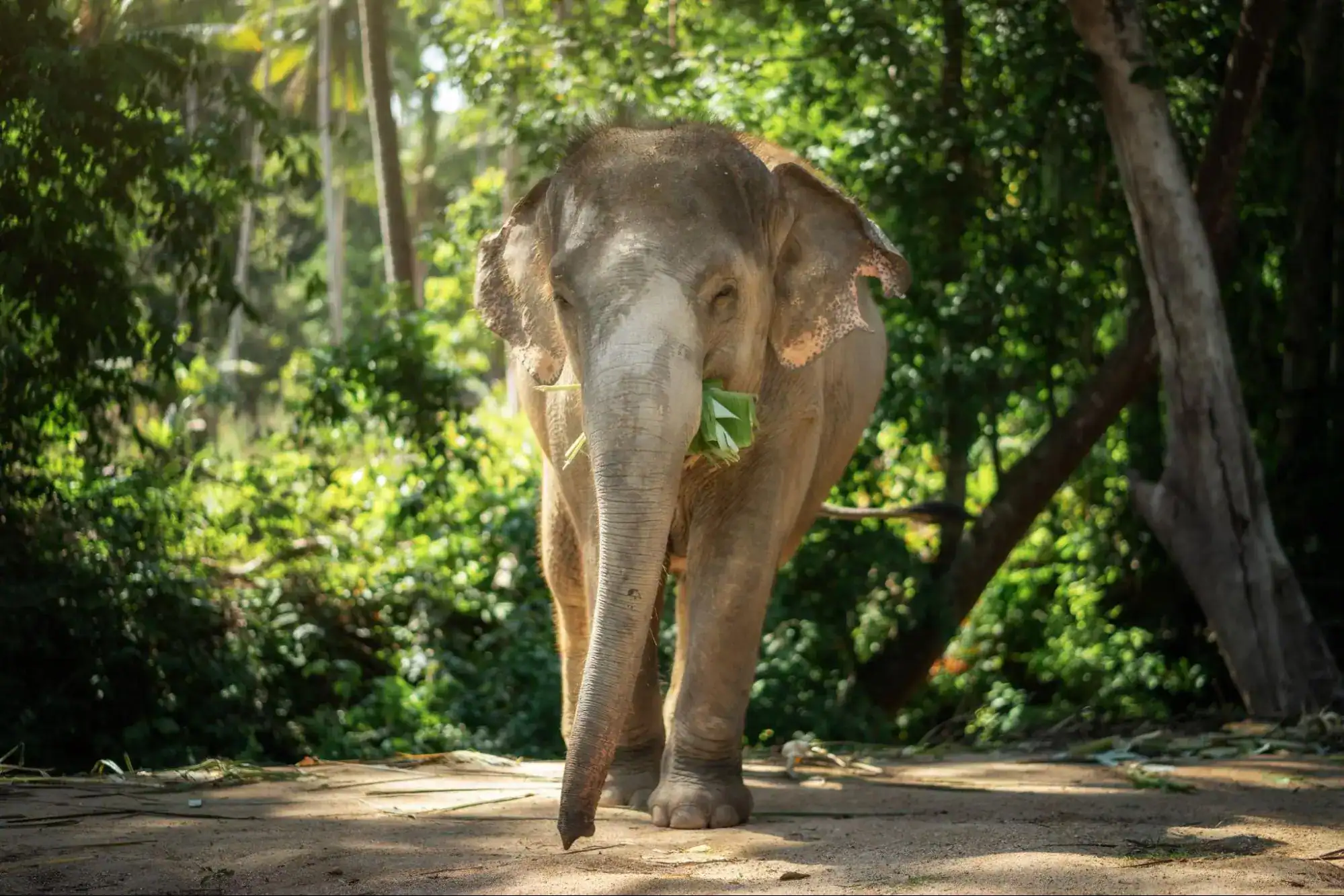
The elephant trunk is the elephant’s most vital and versatile organ. It is essential for survival, performing a multitude of functions from respiration and feeding to communication and defense. This resourceful appendage allows elephants to navigate their environment, maintain hygiene, and interact socially, demonstrating their remarkable intelligence and adaptability in daily life.
1. Elephant Trunk for Eating And Drinking
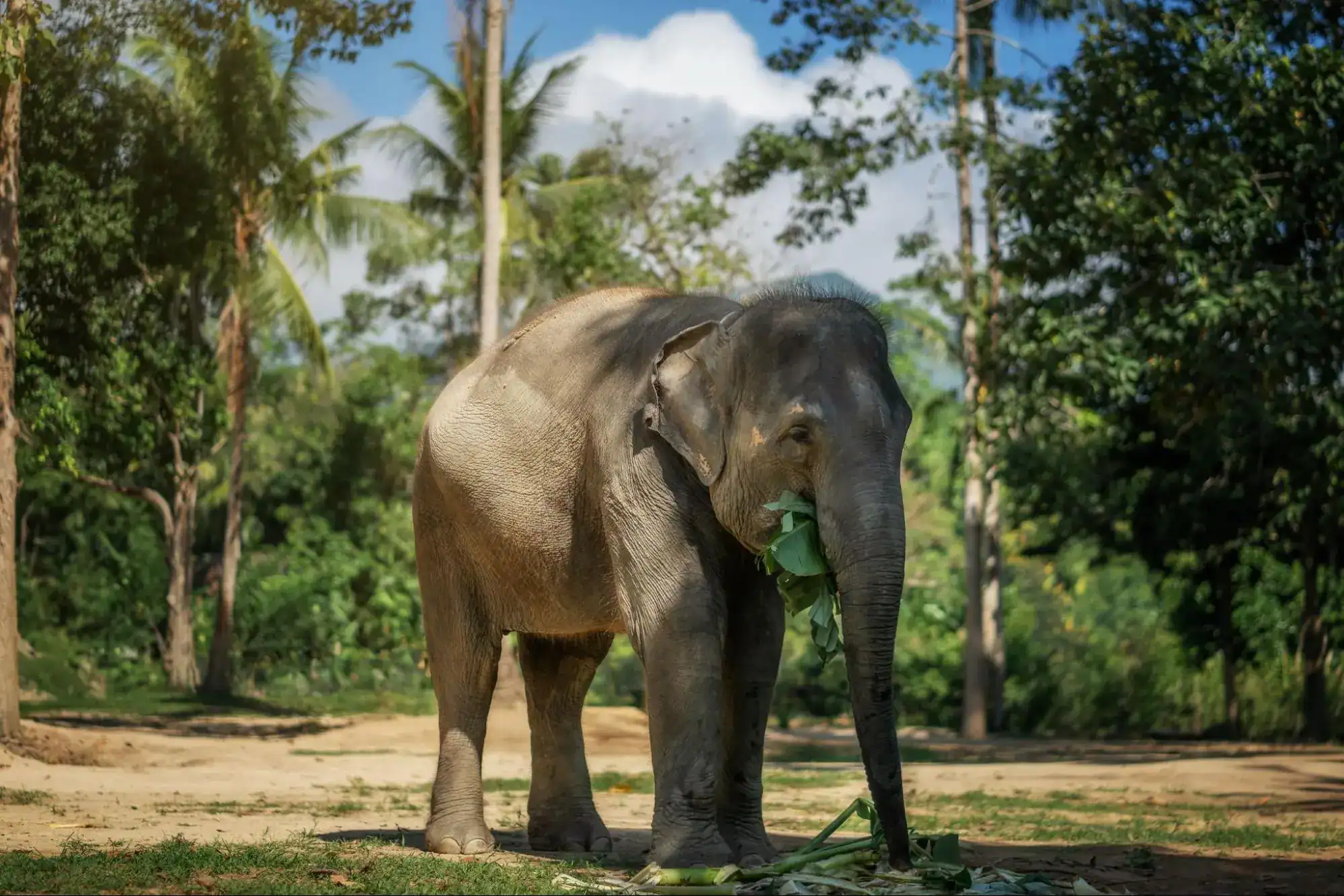
Why do elephants have trunks? Elephants use their trunks as a primary tool for feeding. What do elephants eat? They grasp trees or pull up grasses, then curl the trunk to deliver food to their mouths for consumption. The trunk can also efficiently suck up water in batches of up to 10 liters, which is then sprayed into the mouth to drink. This feeding method highlights the elephant’s resourceful use of its most essential tool.
2. Elephant Trunk for Breathing
Essentially, the elephant nose trunk functions as its primary nose. It allows the elephant to breathe through its nostrils. Crucially, this design enables elephants to swim underwater while holding the tip of their snout above the surface like a snorkel, ensuring they can breathe despite their massive bodies being submerged.
3. Elephant Trunk for Smelling
Another elephant trunk fact, the trunk enhances the elephant’s already superior sense of smell. It allows them to capture and track distant scents, including sources of water and the presence of predators, even from miles away. As they move through the forest, elephants constantly swing their trunks, sniffing and exploring everything in their immediate environment to gather crucial information.
4. Elephant Trunk for Communication
Why elephant has a trunk? Elephants in Thailand are highly social animals that use their trunks for communication and emotional bonding. They often greet each other by intertwining trunks, similar to a handshake or a hug. Females guide their young by touching them with their trunks, and herds exchange vital social and environmental information through trunk-to-trunk contact.
5. Elephant Trunk for Protection And Defence
While generally gentle, the elephant trunk serves as an effective part of the elephant’s natural defense system when threatened. They can use the trunk to powerfully fling dust, mud, or even objects at potential adversaries or threats. Although not their first reaction, this capability provides an important means of self-protection when necessary.
6. Elephant Trunk for Bathing
What do elephants use their trunks for? Elephants love water and use their trunks for hygiene and temperature regulation. They spray water onto their backs to clean themselves and cool down. Following a water bath, they often use the trunk to spray dust or mud over their skin, which acts as a protective layer against sun exposure and irritating insects.
What Tourists Should Know About The Elephant Trunk?
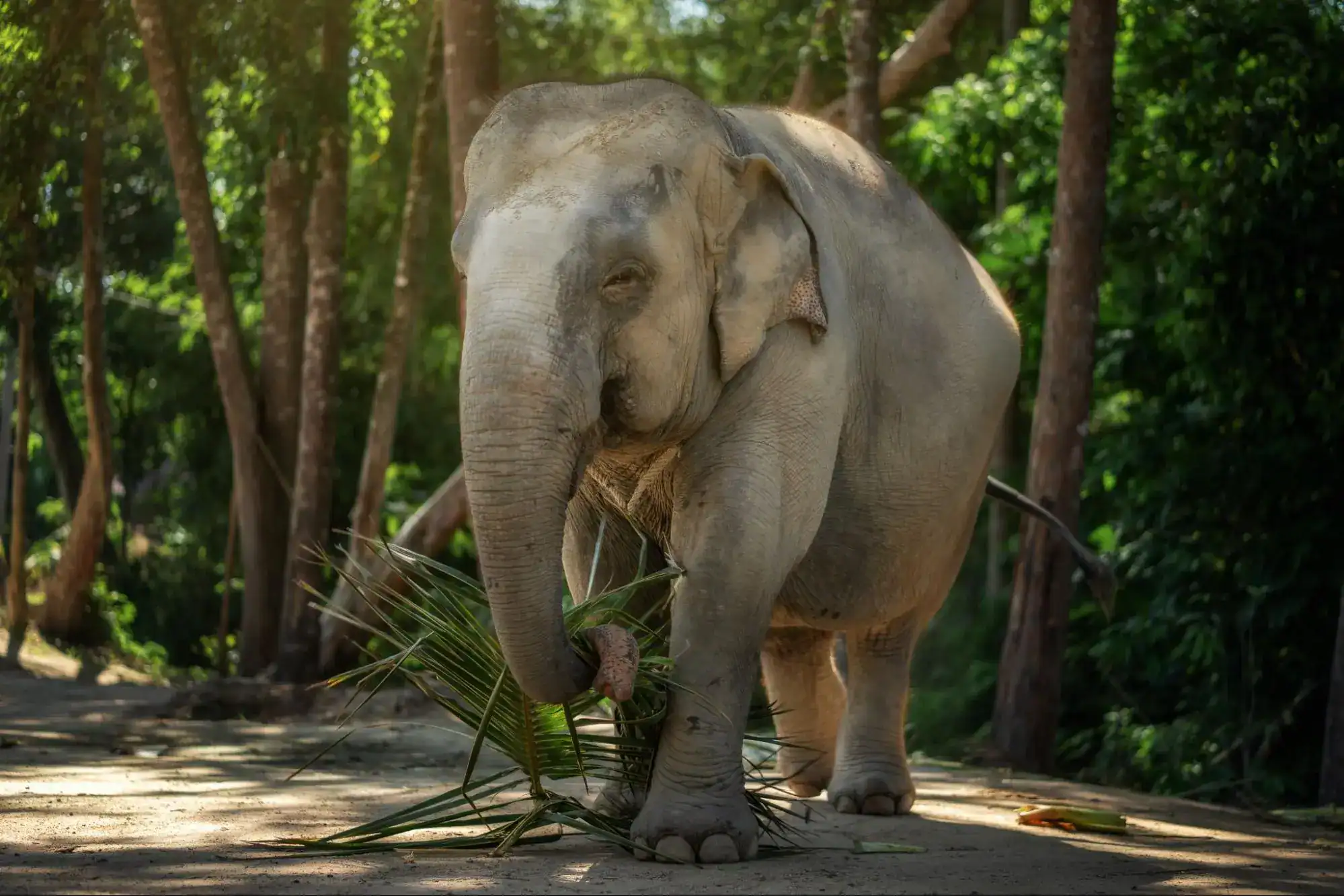
When observing elephants, especially in Ethical Elephant Sanctuary, it is crucial to understand that the trunk is central to their identity, survival, and emotions. It is not merely a novelty; it is an incredibly sensitive, multi-functional organ. By mindfully observing the elephant trunk’s movements, tourists can better understand the elephant’s mood (e.g., a loosely swaying trunk indicates calmness) and ensure their interactions are respectful and safe.
1. Observe Elephant Life Mindfully
Observe the movement of the elephant trunk as they eat, play, or explore from a safe distance. However, if you want to join the hand-on activities with elephants, the activities should be supervised by professional guide and mahout instruction. Note how carefully they can manage even the slightest objects, highlighting their dependence on this sensitive organ.
2. Interaction under Professional Supervision
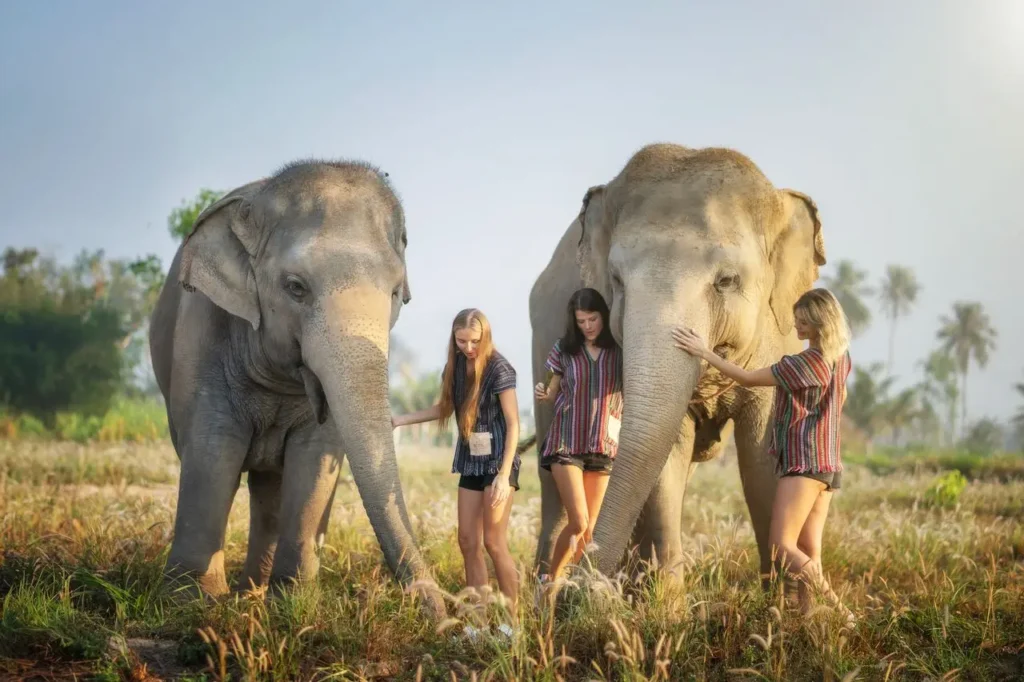
While the trunk is powerful, it is also a highly sensitive organ. When touching and interacting with the elephants , the activities should be done under the experience guide or professional mahouts guidance. To ensure a positive experience, always let the elephant initiate the connection and follow the instructions provided by our staff. This ensures that your close encounter is both magical for you and comfortable for the elephant.
3. Choose Ethical Elephant Experiences
Support Ethical Elephant sanctuaries that prioritize the elephants’ well-being, allowing them to roam freely and express natural behaviors, emphasizing observation and respectful interactions.
Frequently Asked Questions (FAQs)
Is the Asian elephant trunk different from the African elephant trunk?
Yes, they differ mainly at the tip. African elephants have two finger-like projections (‘fingers’) used for grasping, while Asian elephants have only one. African elephant trunks also typically have more visible rings and a rougher texture. Asian elephants are noted for performing complex tasks due to greater muscle coordination.
Do elephant trunks have a role in elephant social dynamics?
Absolutely. Elephant trunks are vital for social interaction and emotional expression. They are used for affectionate caresses to comfort offspring, for greetings (by intertwining), and for producing trumpeting sounds for communication. Elephants also use their trunks for “self-soothing” by touching their own faces when stressed or unsure.
Observing Elephant Trunk And Their Daily Life at EJS
The elephant trunk is one of the animal kingdom’s most extraordinary adaptations, a muscular, sensitive, and indispensable tool for survival, communication, and self-care. It embodies the complex intelligence of the elephant. To truly appreciate these magnificent creatures, we must move beyond viewing the trunk as a curiosity and recognize its vital role, committing to Ethical Elephant Sanctuary experiences that prioritize the elephant’s well-being and allow them to use their trunks freely and naturally.
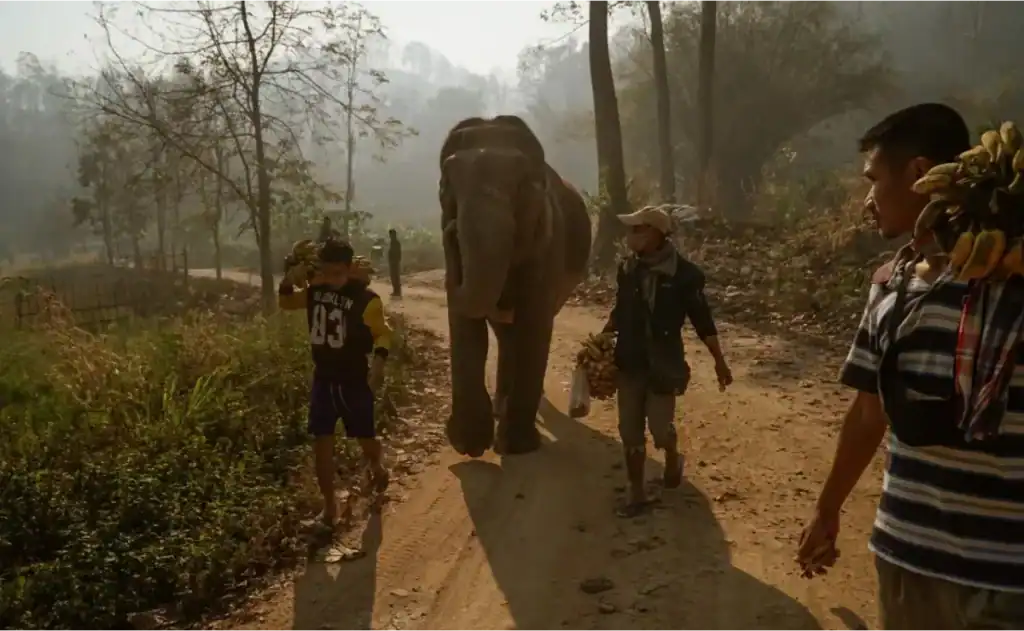
At Elephant Jungle Sanctuary (EJS), we center our entire experience around the highest standards of elephant welfare. Our professionally trained mahouts, who work closely with veterinarians, understand that activities like providing a cooling water bath are acts of care and hygiene for the elephants. We encourage visitors to engage directly with elephants under our professional guides and experienced mahouts supervision, providing a unique opportunity to experience the incredible dexterity of their trunks while feeding them or preparing their natural supplements.