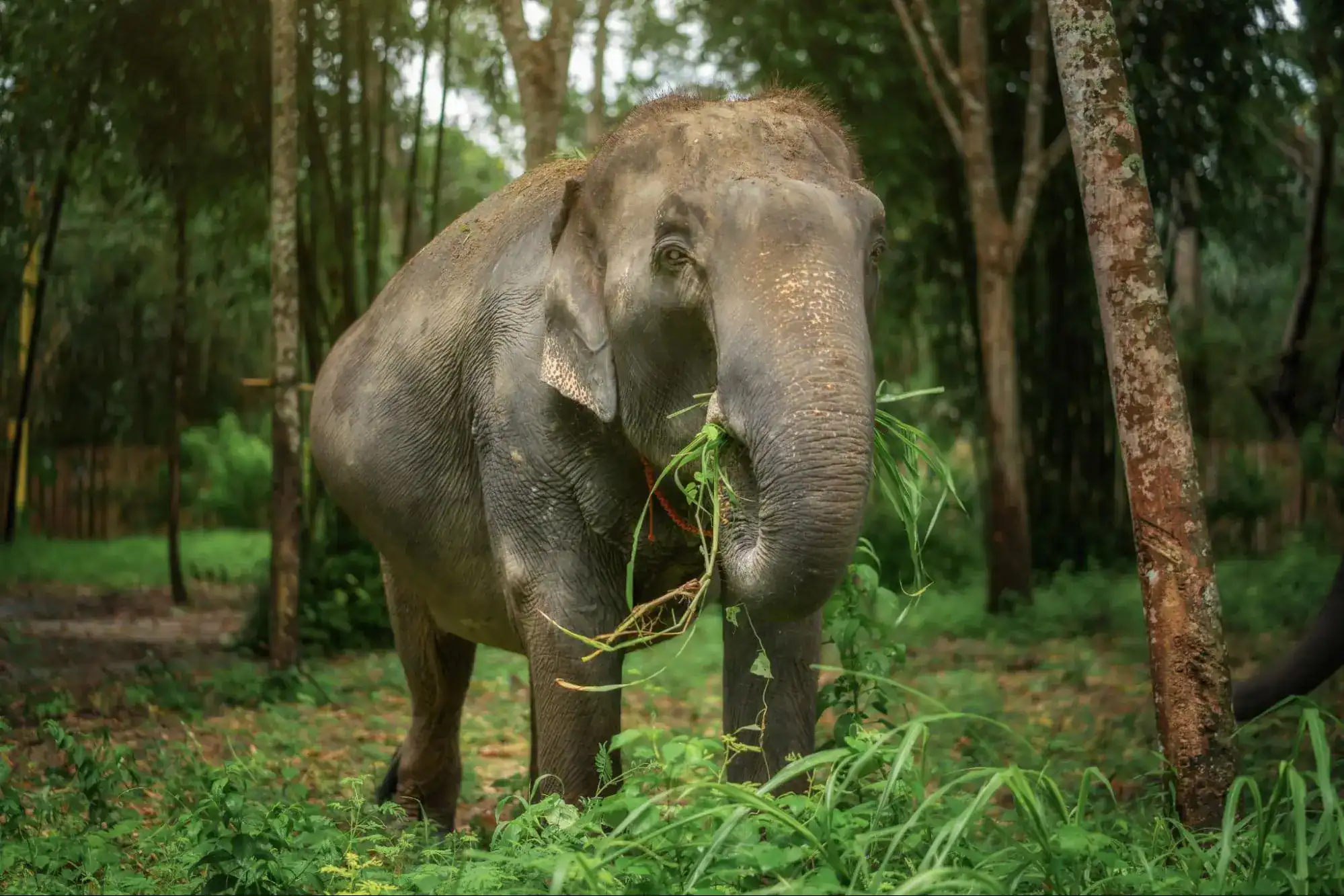
Did you know that an elephant’s survival is deeply tied to its dental health? Many people wonder, “do elephants have teeth?” and the answer lies in one of the most unique dental structures in the animal kingdom, featuring a “conveyor belt” system of tooth replacement.
From massive molars heavier than a brick to iconic tusks that serve as versatile tools, understanding that “do elephants have teeth in their mouth,” offers a fascinating glimpse into their complex biology and how they thrive on a rugged, fibrous diet.
Key Takeaways
- Elephants utilize a horizontal “conveyor belt” replacement system, cycling through six sets of molars to maintain sharp grinding surfaces throughout their lives.
- Tusks are actually elongated incisors that never stop growing, serving as essential tools for survival and daily tasks.
- A single elephant molar can weigh over five pounds, providing the immense strength needed to pulverize hundreds of pounds of tough vegetation daily.
- Because elephants rely on their final set of teeth in their later years, dental condition is a primary indicator of their age and overall health.
Do Elephants Have Teeth?
Elephants typically have 26 teeth, including two upper incisors (the Elephant Tusk), 12 deciduous premolars, and 12 molars, elephants use a unique “conveyor belt” system; new teeth grow in at the back of the mouth and move forward to replace worn-out ones.
8 Fascinating Facts about Elephants Teeth

Beyond the answer that “how many teeth do elephants have,” here are eight fascinating facts about how elephant teeth function and evolve throughout their lives.
1. Elephants Have Four Molars
Unlike humans who have rows of teeth, an elephant only utilizes four functional molars at any given time, one on each side of the upper and lower jaws. These huge molars, often a foot long, feature specialized textured surfaces. This design is essential for grinding down incredibly tough, fibrous materials like tree bark, roots, and thick grasses that make up their daily diet.
- discover the secrets of ivory. Nature’s most versatile “teeth” and an essential tool for survival. : What is Ivory
2. Elephants Have Six Sets of Teeth
Elephants are unique among mammals because they cycle through six sets of molars in a lifetime. Instead of teeth emerging vertically, they use a “horizontal” replacement system. New teeth grow at the back of the jaw and slowly move forward like a conveyor belt, eventually pushing out the old, worn-down teeth at the front. This allows them to maintain sharp grinding surfaces for decades.
3. Elephants Have Heavy Weight Molars
Everything about an elephant is oversized, including their teeth. A single molar can weigh over 5 pounds (2.2 kilograms), making it heavier than a standard brick. Since an adult elephant must consume up to 300 pounds of vegetation daily, these massive, heavy-duty instruments are required to withstand the constant pressure and friction involved in their intense digestion process.
- Ever wonder how heavy they truly are? Learn about the immense scale of these gentle giants : Elephant Weight
4. Final Set Determines Elephant Life
The sixth set of molars is the most critical, appearing around the age of 60. Once these final teeth wear down, the elephant can no longer effectively grind food, leading to malnutrition or starvation in the wild. Consequently, the condition of an elephant’s teeth is often the primary factor in determining its life expectancy and is used by experts to estimate an individual’s age.
- Explore the massive daily menu! See how elephants process hundreds of pounds of forest greens : What do elephants eat
5. Elephants Tusks Are Elephant Teeth
Many people view tusks as separate from teeth, but they are actually modified incisors. While molars handle the grinding, tusks are versatile tools used for digging, stripping bark, and defense. They begin to grow when a calf is about a year old and never stop growing throughout the elephant’s life, sometimes reaching incredible lengths of up to 10 feet.
6. Elephants Babies Are Born Without Teeth
Just like human infants, elephant calves (Baby Elephant) are born without visible teeth. They rely entirely on their mother’s milk for the first few months of life. Their first set of small molars only begins to emerge after a couple of months. It is only then that the calves begin to experiment with chewing soft vegetation, gradually transitioning away from a milk-only diet.
7. Elephants Use Their Tusks As a Tool
Beyond being a weapon for defense, elephants use tusks as functional tools to lift heavy logs, clear paths, and dig for water during droughts. They even have a “master tusk” (similar to being right or left-handed), which shows more wear and tear because the elephant prefers using it for most tasks.
8. Elephants Species Determine Teeth Pattern
You can identify an elephant’s species just by looking at its molars. African elephants have diamond-shaped ridges on their teeth (hence their genus name Loxodonta, meaning “lozenge-toed”).
In contrast, Asian Elephants (including Elephant in Thailand) have teeth featuring parallel, wavy lines. These distinct patterns reflect their different habitats and the specific types of vegetation they have evolved to consume over millions of years.
Frequently Asked Questions (FAQs)
Which mammal starves to death after it loses all its teeth?
Elephants are the primary mammals that face this reality. Once their sixth and final set of molars wears down, they lose the ability to grind tough vegetation. Without functional teeth to process nutrients, wild elephants eventually suffer from malnutrition, making dental health the ultimate factor in their natural lifespan.
What type of teeth do elephants have?
Elephants have incisors (tusks) and molars (grinders). They lack canines. Their 24 molars rotate in a unique “conveyor belt” system, replacing worn teeth six times throughout their long lives.
The Evolution of Survival: Do Elephants Have Teeth?
The dental anatomy of elephants is a marvel of evolution, specifically designed to support their massive dietary requirements. When exploring “do elephants have teeth,” we find they rotate through six sets of specialized molars and utilize their tusks as multipurpose tools to process a wide variety of vegetation. This intricate system not only facilitates nutrition but also dictates their natural lifespan, highlighting the vital connection between an elephant’s oral health and its ability to thrive in the wild.
At Elephant Jungle Sanctuary, our Ethical Elephant Sanctuary believes that understanding the remarkable biology of these elephants fosters a deeper respect for Elephant Welfare. Under the close supervision of our experienced guides and dedicated Mahouts, you will have the opportunity to participate in hands-on activities, such as preparing supplemental food and feeding these magnificent creatures. This immersive experience allows you to witness their gentle nature firsthand while learning about the essential care required to keep them healthy and happy for generations to come.