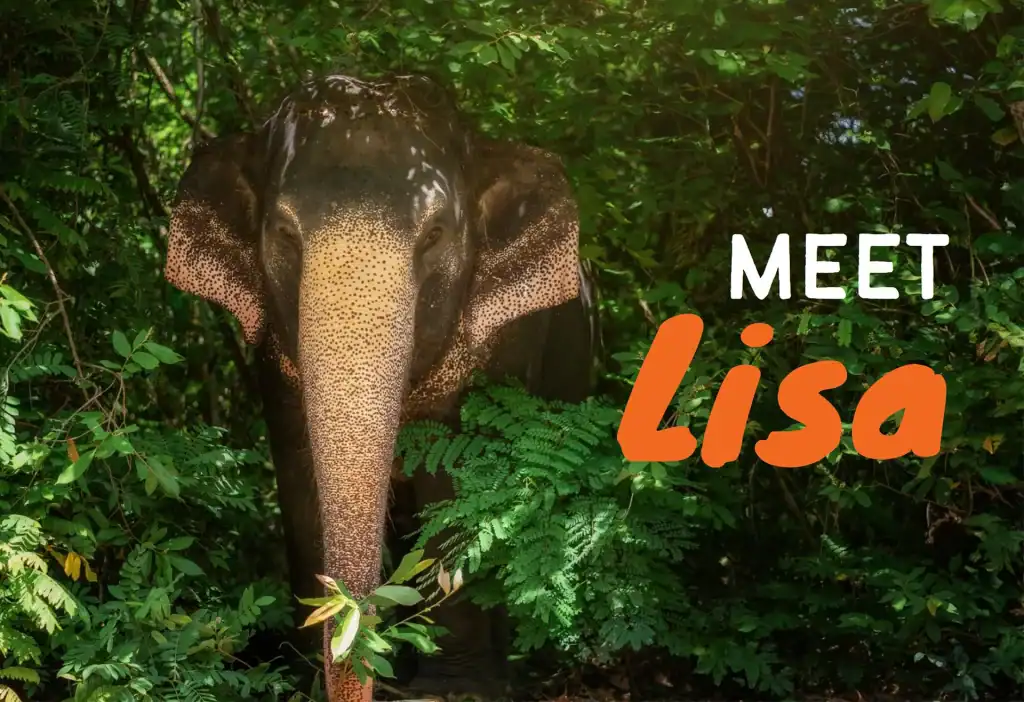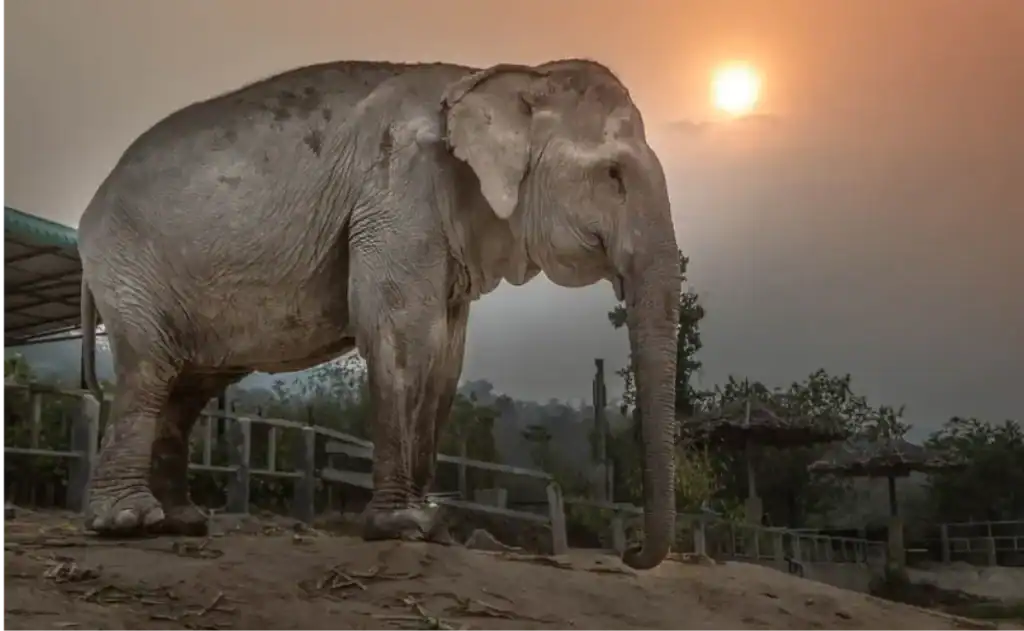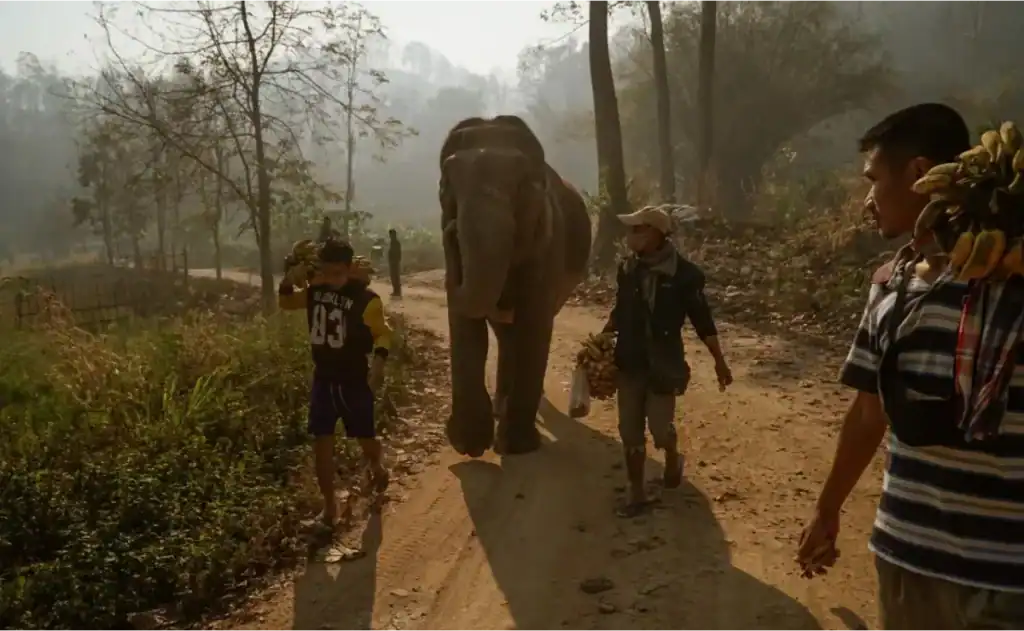
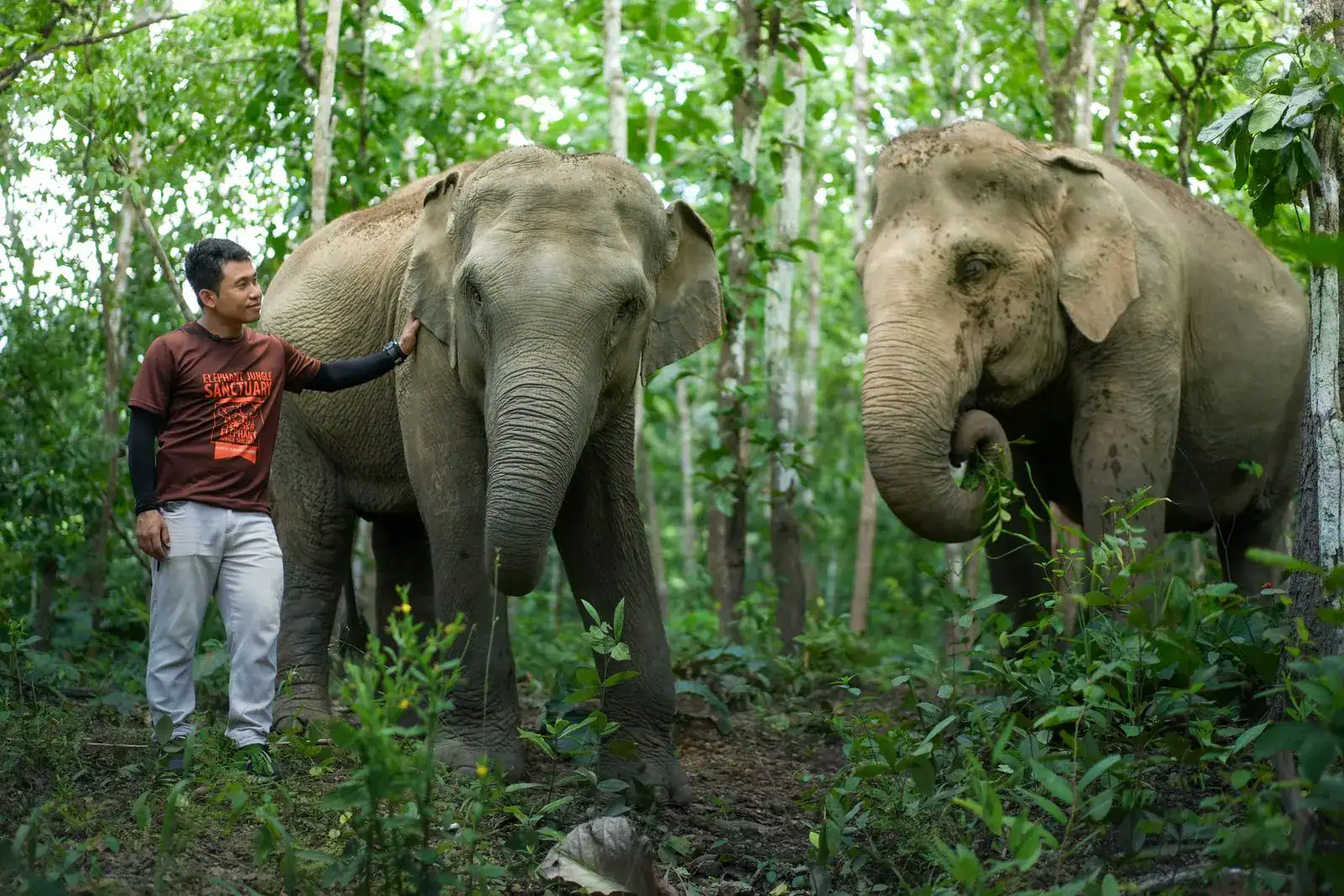
When you consider the majesty of the largest living land animals, the question, how much does an elephant weigh, immediately comes to mind. At Elephant Jungle Sanctuary (EJS), we know that understanding elephant weight is about more than just impressive numbers; it’s a crucial aspect of responsible elephant welfare.
Key Takeaways
- African bush elephants are the largest land animals (averages 5.2–6.9 tonnes) while Asian elephants (averages 4.0-5.0 tonnes for bulls).
- Weight is a crucial welfare metric, requiring monitoring to prevent obesity and associated health issues like arthritis.
- The largest recorded elephant was an African bull at 10.4 tonnes (11.5 short tons).
- EJS ensures Asian elephant welfare through tailored care, including a balanced diet, natural exercise, and skilled mahout supervision.
How Much Does an Elephant Weigh?
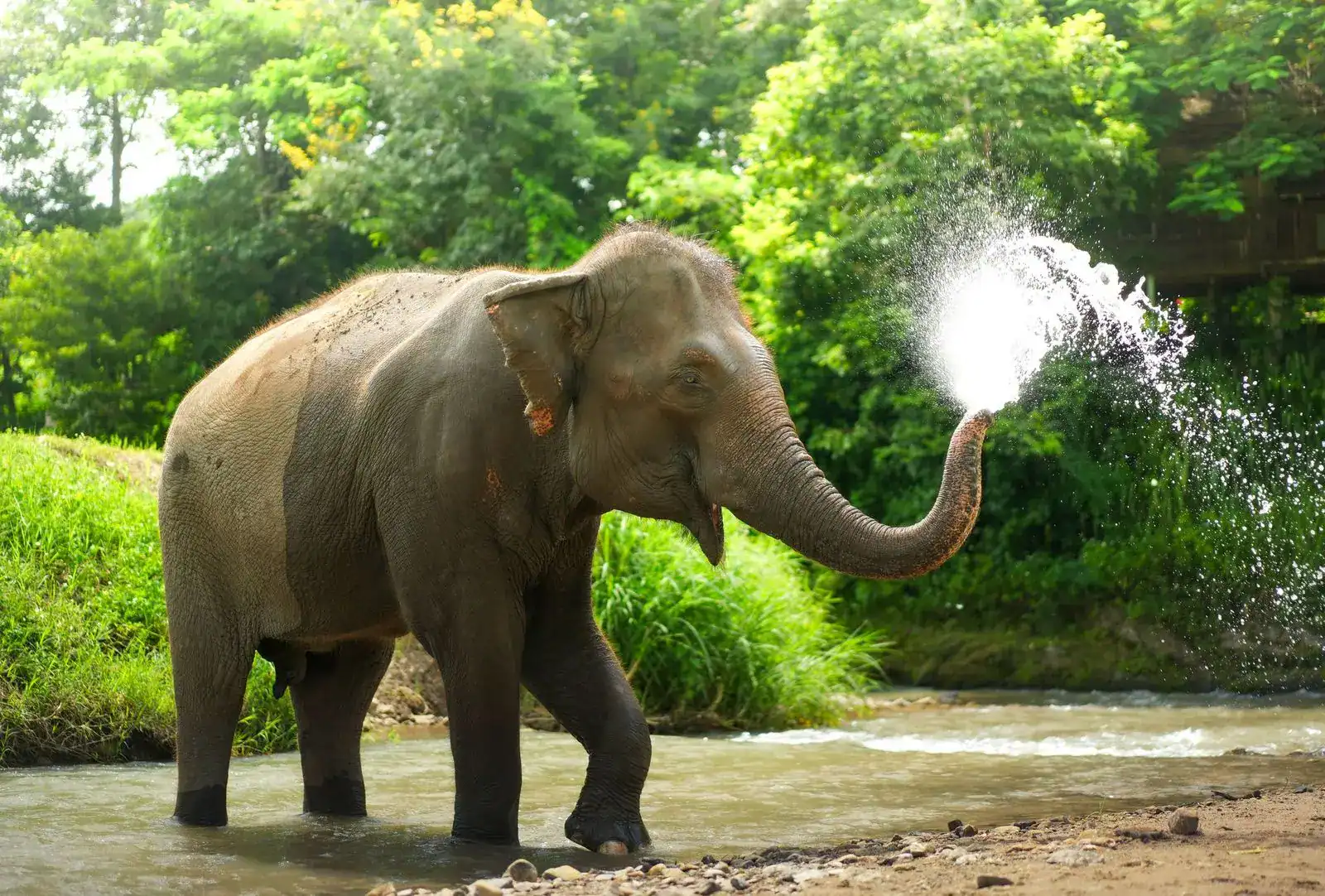
Many visitors often ask, how much do elephants weigh? The immense scale of these elephants is truly amazing, but the answer varies significantly depending on the species.
Elephants belong to the order Proboscidea. When trying to understand how heavy an elephant is, it is important to remember that there are currently three recognized extant species: the African bush elephant, the African forest elephant, and the Asian elephant.
The African bush elephant is the largest living terrestrial animal. Fully grown bulls of this species, under optimal conditions, weigh 6.0 tonnes (6.6 short tons) on average elephant weight, but can range between 5.2 and 6.9 tonnes (11,000–15,000 lb).
How Much Does an Asian Elephant Weigh?
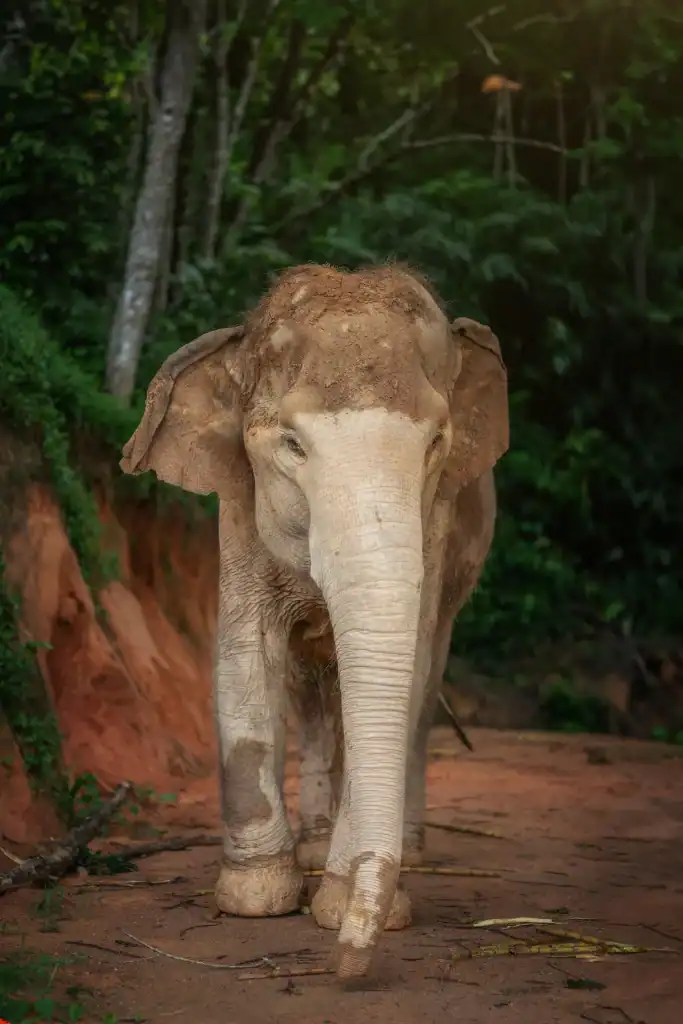
At Elephant Jungle Sanctuary (EJS), we are dedicated to the conservation and care of the Asian elephant (Elephas maximus), the only living Elephas species and the second largest elephant in the world. This species is found across South and Southeast Asia, including the Elephant In Thailand. While it is smaller than the African bush elephant, it remains the undisputed largest living land animal in Asia.
Determining the precise adult elephant weight for this species shows a difference between the sexes. On average, fully-grown bulls are about 4.0 tonnes (4.4 short tons) in weight, while cows are smaller at about 2.7 tonnes (3.0 short tons). In kilograms and pounds, this translates to adult males typically weighing between 1,800 to 4,500 kilograms (4,000 to 10,000 pounds).
These magnificent creatures devote approximately 50% to 75% of their day to foraging and eating in order to maintain their incredible size. Even though this species is relatively smaller than its African cousin, its considerable elephant weight in tons emphasizes the critical role of our devoted Mahouts in monitoring their diet and encouraging natural activity, which are essential practices for ensuring optimal health in our sanctuary.
Factors of Elephant Weight
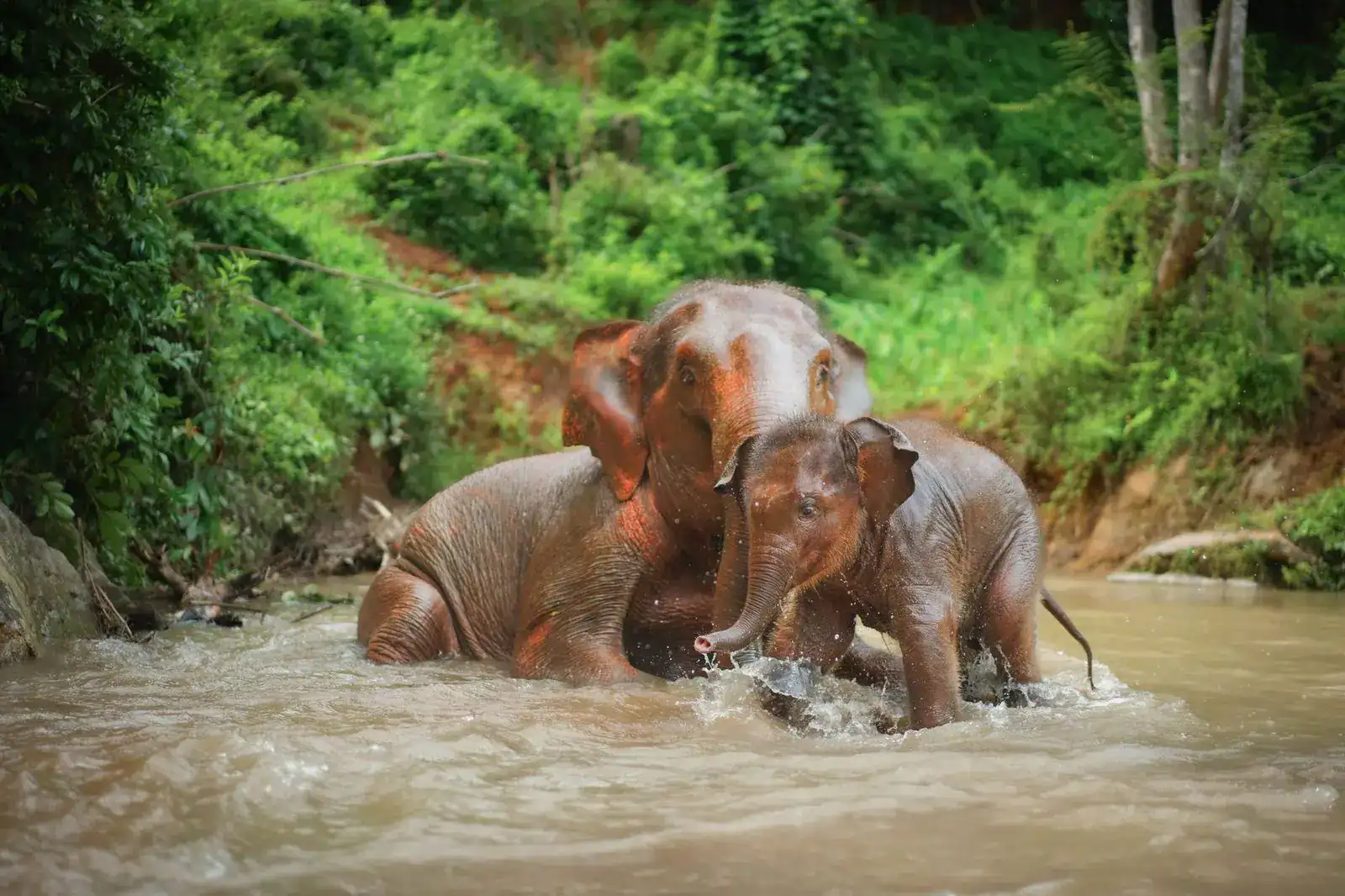
The vast figures describing average elephant weight are just starting points, as an individual elephant’s mass can fluctuate significantly based on various intrinsic and environmental factors.
1. Age
Elephants exhibit continuous growth, typically gaining weight as they age. This growth pattern means that older elephants generally weigh more than younger ones. Notably, elephants achieve their maximum stature when the fusion of long-bone epiphyses is complete; this usually occurs around the age of 40 years for males and around 25 years of age for females.
Asian elephant males fully mature after the age of 25 years, while females sexually mature earlier, around 10 to 15 years old. Maintaining a healthy elephant weight across this long lifespan, which can reach 60 to 70 years, requires continuous monitoring and dietary adjustments, especially as age can increase the risk of conditions like arthritis, which is exacerbated by being overweight.
2. Sex
Sex is a major determinant of Elephant Weight. For African Savanna Elephants, this difference is particularly pronounced. In the case of the Asian elephant, bulls average 4.0 tonnes compared to cows at 2.7 tonnes. This sexual dimorphism is less dramatic in Asian elephants compared to African bush elephants, but it is still significant. Furthermore, male African bush elephants reach maximum stature much later than females (around 40 vs. 25 years), reflecting a prolonged period of weight gain.
3. Habitat
The environment in which an elephant lives—whether in the wild or in a controlled setting like a sanctuary—profoundly affects its weight. Wild elephants residing in areas with abundant food and reliable water sources typically maintain a higher weight than those in resource-limited environments.
For elephants under human care, welfare studies show that the environment plays a critical role in preventing obesity. For captive Asian elephants, inadequate outdoor time and limited outdoor enclosure area significantly restrict exercise opportunities, which is a major contributor to high body condition scores and obesity. Conversely, elephants living in conditions resembling natural habitats, like those in the Wild Elephant Valley, have significantly lower body condition scores.
4. Diet and Health
A nutrient and calorie-rich diet naturally leads to a higher Elephant Weight. Since elephants are megaherbivores consuming up to 150 kg (330 lb) of food daily, their diet must be carefully balanced.
For elephants in captive environments, an imbalance between nutritional intake and physical activity is the root cause of obesity. A lack of exercise combined with consumption of high-calorie feeds (like fruits, vegetables, and pellets) contributes to overweight status, threatening their athletic and reproductive health.
Elephant Welfare depends heavily on preventing health issues such as foot disorders, which impair mobility, reduce exercise, and perpetuate weight problems.
Elephant Body Parts and Weight
Examining an elephant’s weight reveals the sheer biological necessity of their colossal size, supporting impressive organs and large bone structures.
- Brain: The largest land mammal brain, 4.5–5.5 kg (10–12 lbs), facilitates excellent long-term memory via large temporal lobes.
- Heart: Substantial, 12–21 kg (26.5–46.3 lbs), about 0.5% of total body weight.
- Elephant Tusks: Continuously growing modified incisors. An adult male’s can weigh 50–79 kg (110–175 lbs), while a female’s weighs 18–20 kg (40–44 lbs). The longest known African tusk was 3.51 m (11.5 ft) and weighed 117 kg (258 lb).
- Molar Teeth: Each brick-sized molar, used for grinding, weighs 1.8–2.0 kg (4–4.5 lbs). Elephants replace these six times horizontally during their lifetime with a conveyor belt system; the new, larger tooth pushes the old, worn-out one forward, until the old one breaks off in pieces.
- Elephant Trunk: A powerful, versatile muscular extension with an estimated over 40,000 muscles/tendons. An adult Asian elephant can hold up to 8.5 liters (2.2 gallons) of water in it.
What is The Largest Elephant Weight
The undisputed record holder for The Largest elephant weight belongs to the African bush elephant (Loxodonta africana), the heaviest extant land mammal on Earth.
This colossal creature was an adult male African bush elephant, sometimes referred to as the “Giant of Angola”. The maximum recorded shoulder height for an adult bull is 3.96 meters (13.0 feet), with this individual having an estimated elephant weight of 10.4 tonnes (11.5 short tons). Some sources cite a male African Savannah Elephant shot in Angola, nicknamed Henry, who weighed an astonishing 11,000 kilograms (24,000 pounds) and stood nearly four meters (13 feet) tall.
This immense size—far exceeding the typical average elephant weight—demonstrates the ultimate scale these animals can reach under ideal conditions. The largest recorded Asian bull elephant was shot in India and was estimated to weigh 7 tonnes (7.7 short tons), standing 3.43 meters (11.3 feet) tall.
Elephant Species and Weights
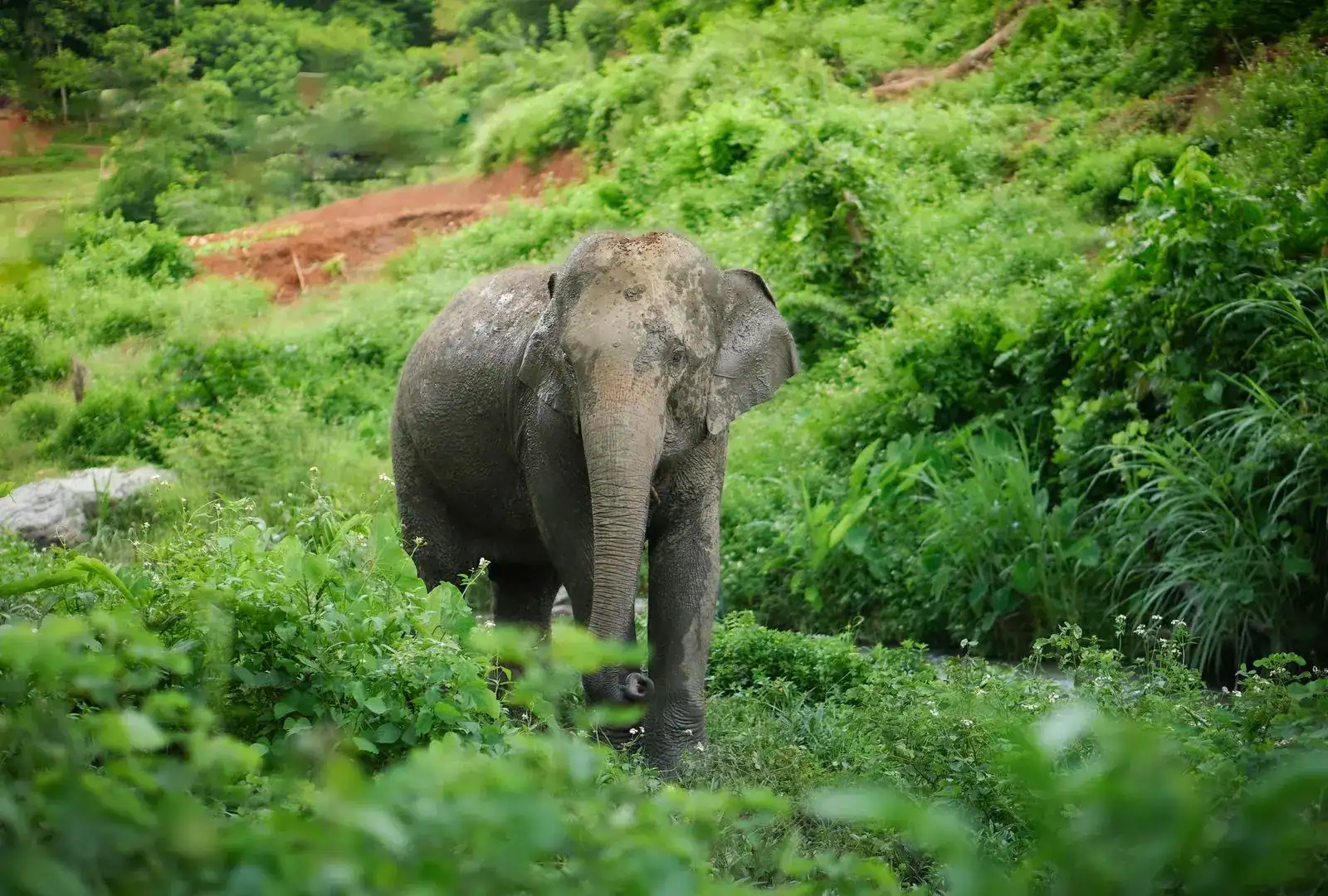
The term elephant weight covers a wide range, primarily defined by the species. There are three recognized extant species globally: two in Africa and one in Asia, each having distinct size and mass characteristics. Understanding these species variations is crucial for global conservation efforts and maintaining the health of all elephants.
| Species | Weight Range |
| African Bush Elephant (Loxodonta africana) | 5,200–10,000 kg (11,500–22,000 lb) |
| Asian Elephant (Elephas maximus) | 2,400–8,000 kg (5,300–17,600 lb) |
| African Forest Elephant (Loxodonta cyclotis) | 1,700–6,000 kg (3,700–13,200 lb) |
The African bush elephant is the heaviest land mammal, with bulls reaching shoulder heights between 3.04–3.36 meters (10–11 ft). The African elephant weight overall is significantly higher than that of its Asian cousins.
The Asian elephant weight is often viewed as the close counterpart to its African relatives. While typically categorized as slightly smaller, the Asian elephant remains a formidable giant, with adult males averaging about 4.0 tonnes (4.4 short tons).
In Thailand, our focus is on these majestic Asian elephants; though they possess a more compact frame, they are remarkably similar in presence and power to the African species, maintaining their status as one of nature’s most impressive heavyweights.
Frequently Asked Questions (FAQs)
What is the smallest elephant?
The smallest elephant subspecies is the Borneo elephant (Elephas maximus borneensis), also known as the Bornean pygmy elephant. Adult males stand around 2.5 meters (8 feet) high and can weigh as little as 3,000 kilograms (6,600 pounds).
What do elephants eat?
Elephants are megaherbivores, meaning they consume large amounts of plant matter. They are generalist feeders, eating grasses, leaves, roots, fruits, and tree bark. Elephants typically spend approximately 50% to 75% of their day foraging, consuming up to 150 kg (330 lb) of food daily.
How many different species of elephants are there?
There are three extant (currently living) species of elephants. These include the African bush elephant (Loxodonta africana), the Asian elephant (Elephas maximus), and the African forest elephant (Loxodonta cyclotis).
While the African Bush elephant is technically the largest, all three species are remarkably comparable in their grand scale. The Asian elephant and the African Forest elephant, in particular, share a very similar size profile, often making them indistinguishable in mass to the casual observer.
Managing Elephant Weight and Welfare at EJS
Understanding elephant weight is vital because these majestic creatures require tailored care to maintain their health and huge bodies. At Elephant Jungle Sanctuary, an Ethical Elephant Sanctuary, we are deeply committed to elephant welfare, providing a safe, healthy, and permanent home for Elephants.
In Thailand. Our mission ensures that these gentle giants receive proactive veterinary treatment and compassionate care from our skilled Mahouts. We promote sustainable tourism and environmental conservation, aspiring to provide every elephant with the happiness, health, and freedom they truly deserve.