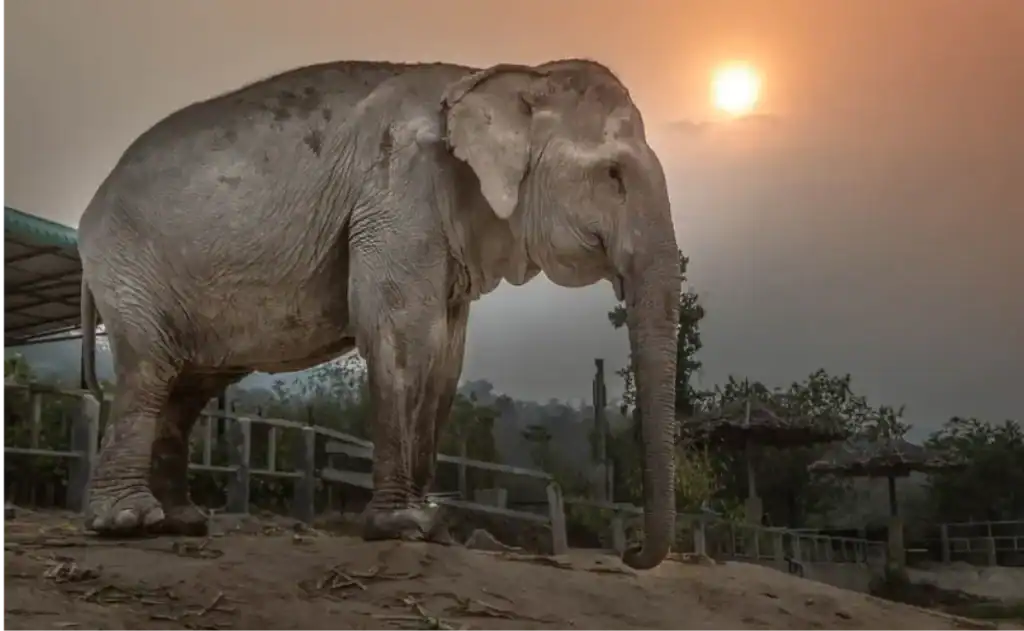
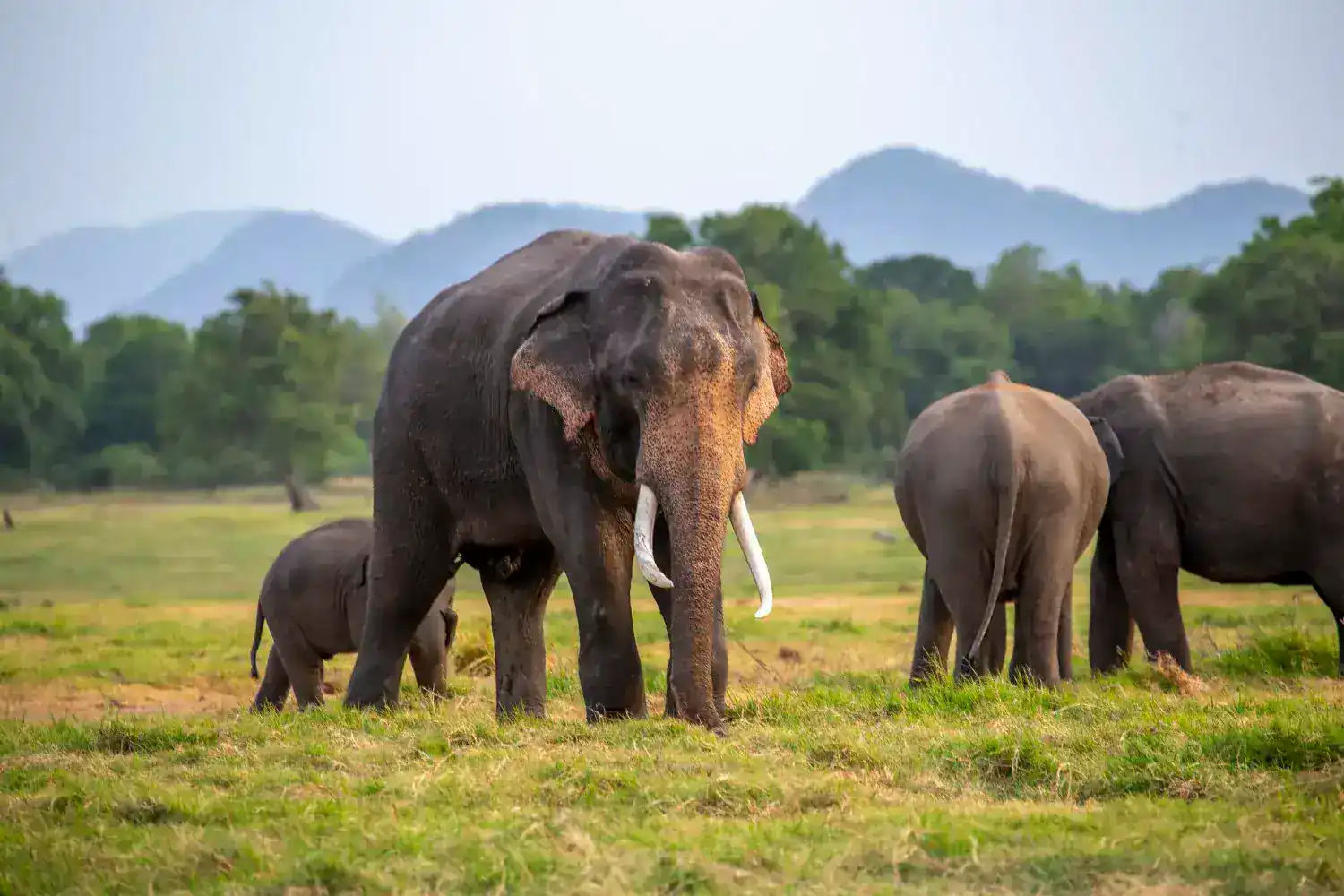
Elephant tusks are among the most remarkable features in the natural world, serving as much more than just physical ornaments. These incredible “extra teeth” are vital for an elephant’s survival, helping them find food, water, and protect their families. By understanding the role of tusks, we can better appreciate the intelligence of these gentle giants and the urgent need to protect them from modern threats like poaching.
This article will get you to know what is ivory, or what is a tusk, answer the common question “what do elephants use their tusks for?”, and many more interesting facts that you need to know.
Key Takeaways
- Elephant tusks are powerful instruments for digging for water, foraging for food, and defending their herd from dangerous predators.
- While elephant tusk size matters, a male elephant’s age is the most significant factor in his social status and reproductive success as he matures.
- Visiting ethical locations like Elephant Jungle Sanctuary allows travelers to observe these majestic animals safely and supports vital conservation efforts for their future.
What are Elephant Tusks?
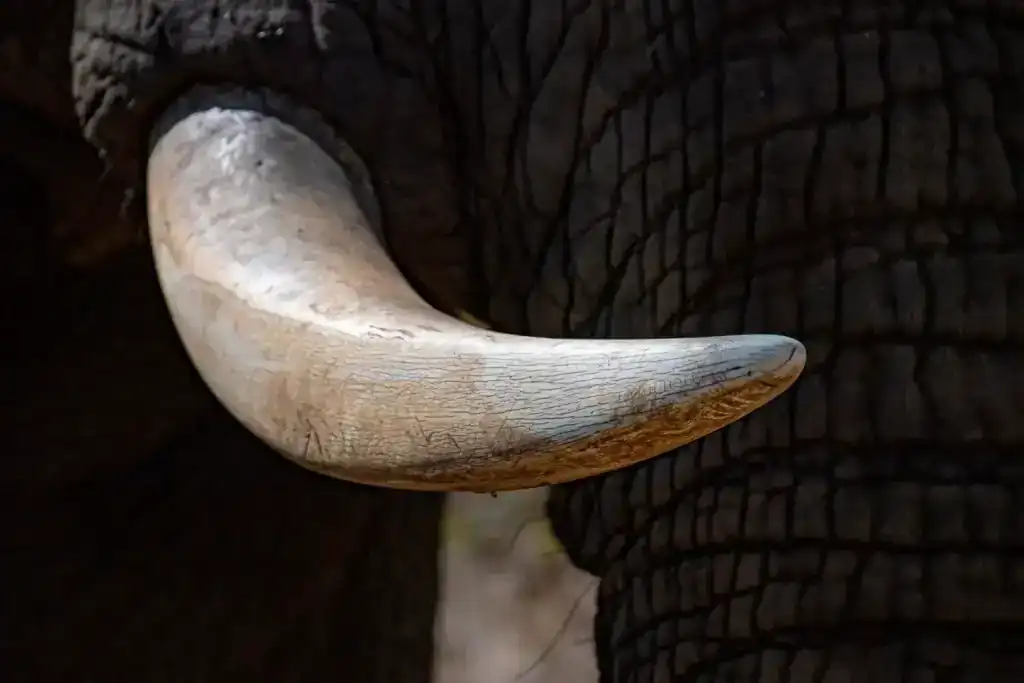
What is a tusk? Elephant tusks are a very famous feature of these animals. However, they are more than just a beautiful part of their body. These versatile tools are necessary for an elephant to survive. They use them every day for many tasks, such as finding food (like digging for roots) and interacting with others (by showing dominance or defending their young.)
Some people might think that tusks are like horns, but they are actually teeth. Specifically, they are very long incisor teeth that never stop growing during the elephant’s life. These teeth are deeply connected to the skull, giving the animal a lot of power when using them.
Tusks are mostly made of a material called dentin. This is the same material that people usually call ivory. Because these teeth are so strong, elephants can use them for heavy work. They are a vital part of an elephant’s physical build and daily survival in the wild.
Are Elephant Tusks Important?
Many people believe that having large tusks is the main reason male elephants are successful at mating. While it is hard to know exactly what these intelligent animals value, researchers have noticed some interesting patterns. There does seem to be a small link between tusk size and a male’s sexual interest.
However, a male elephant’s age is actually the most important factor for his reproductive success. Unlike most other mammals, male elephants become much more sexually active as they get older. Their success is closely tied to how often they reach a state of high sexual activity called “musth”.
Younger males can reach this state starting at age 15, but they are not very consistent. They usually do not develop a regular rhythm for these periods until they are around 35 years old. By the time a male reaches 50, his sexual efforts are very regular and obvious.
How Do Elephants Use Their Tusks?
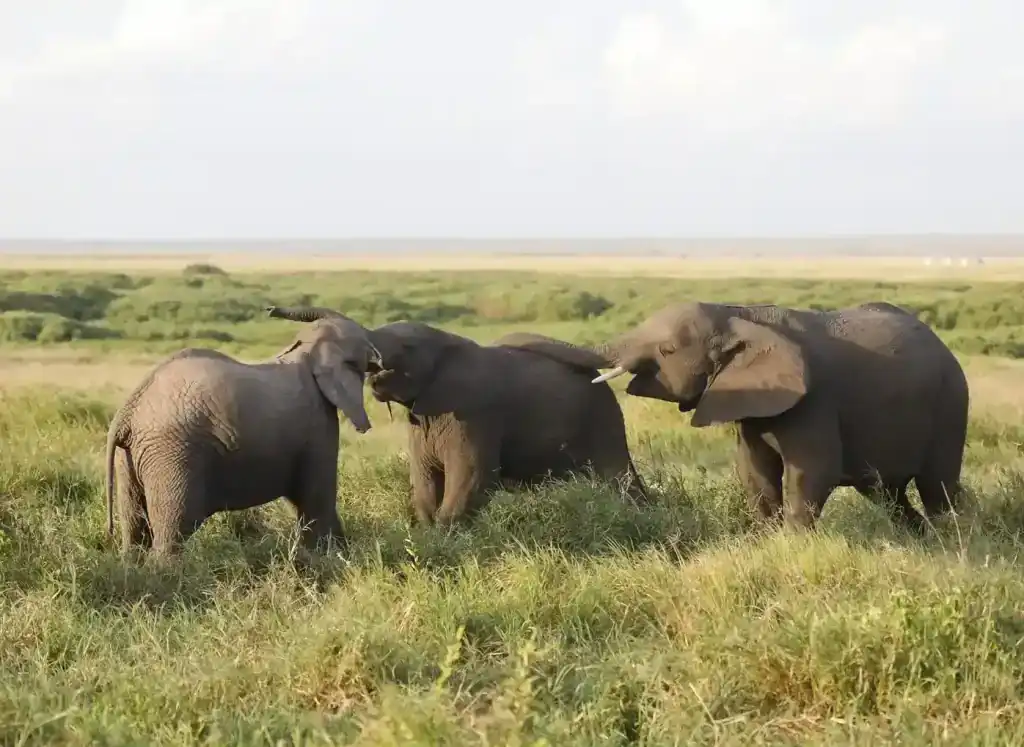
Elephants, including Elephants In Thailand are highly intelligent animals that use their elephant tusk as versatile tools for daily survival. These long teeth are not just for show; they help elephants perform heavy tasks that would be impossible otherwise. From finding food to protecting their families, tusks are essential for their life in the wild. Let’s see how do elephants use their tusks:
1. Digging and Foraging
During dry seasons, elephants use their strong tusks to dig deep into the ground for water and minerals, this is why do elephants have tusks. They also use them to find nutritious roots buried beneath the surface. This behavior is very important for their health when food and water are difficult to find in their habitat.
Additionally, elephants use their elephant tusk to knock down large trees and clear thick brush while foraging. By doing this, they actually change their environment, which helps other smaller animal species find space and food. Their tusks act like heavy machinery to shape the forest or savanna around them.
2. Territorial Displays and Defensive Purposes
In their social groups, male elephants often use their elephant tusk to show strength when competing for resources or mates. These aggressive displays help them define their territory and establish their rank among other males. It is a key part of how they communicate their power to the herd.
Tusks also serve as a powerful weapon to defend against dangerous predators like lions or hyenas. By using their tusks, elephants can protect themselves and keep their young calves safe from harm. This defensive ability is a major reason why elephants are so respected in the animal kingdom.
3. Bark Stripping
Elephants frequently use their elephant tusk to strip the bark off trees to reach the soft, edible layers underneath. This provides them with extra nutrients that are part of their natural diet. Stripping bark is a common activity that elephants perform throughout the day as they move.
This process also leaves very clear signs of their presence on the trees within their habitat. Other animals and researchers can look at these marked trees to see where elephants have been traveling. It is one of the many ways elephants leave a physical impact on the world around them.
Do All Elephants Have Tusks?
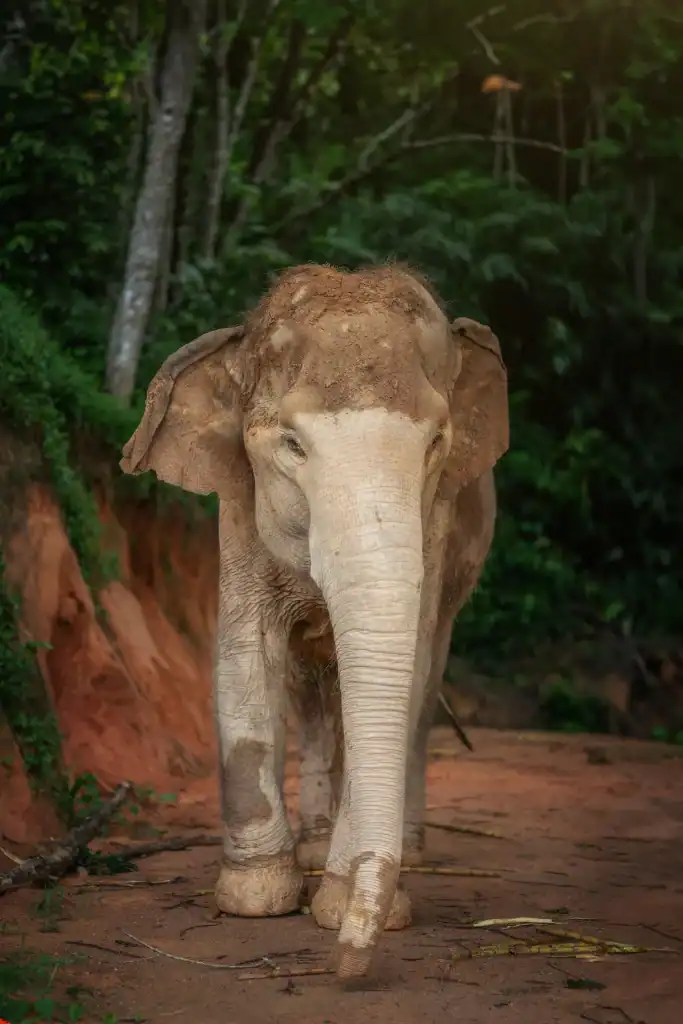
Elephant tusk presence depends on the elephant’s species and gender. And do female elephants have tusks? Both male and female African elephants usually grow ivory tusk. In contrast, only a few male Asian elephants have them, while females have tiny “tushes” or none. These differences help identify the species and their sex in their natural habitats.
Recently, more African elephants are being born without elephant ivory due to heavy poaching. This genetic shift is a survival response, as those without ivory are less likely to be hunted. This change shows how human actions can directly impact the physical traits of wildlife over many generations.
Fascinating Elephant Tusks Facts
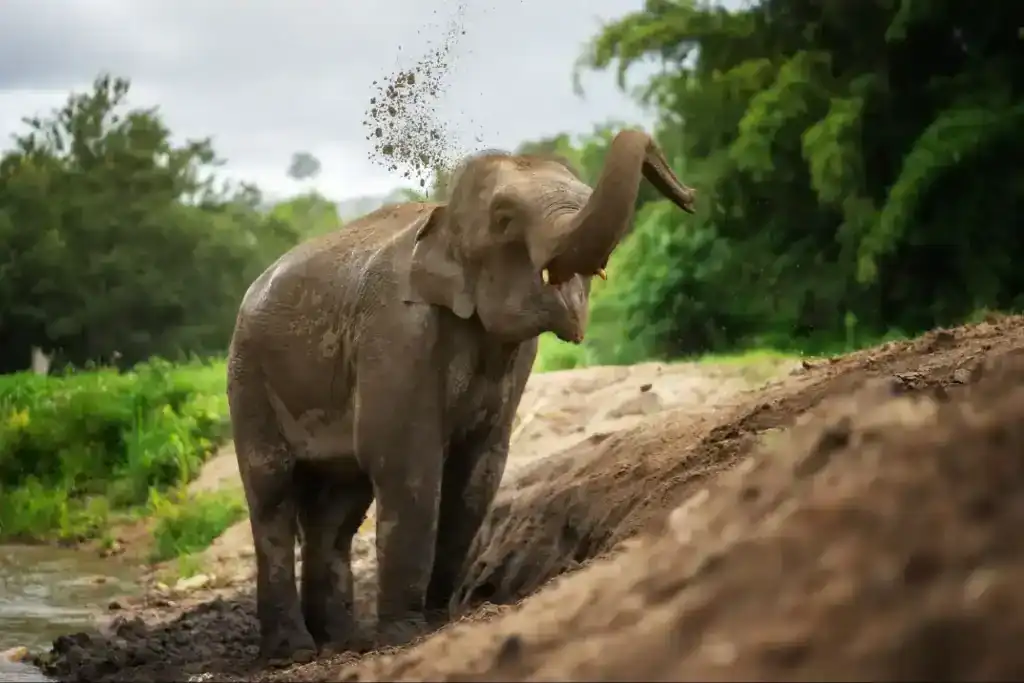
Elephants are either left-tusked or right-tusked, much like human handedness. Their dominant tusk is often shorter because it gets more wear from daily use. This wear provides clues about an elephant’s age and unique habits. Remarkably, the longest recorded tusks reached over 11 feet, and they grow throughout the animal’s entire life.
What Is Ivory & Why Does It Matter?
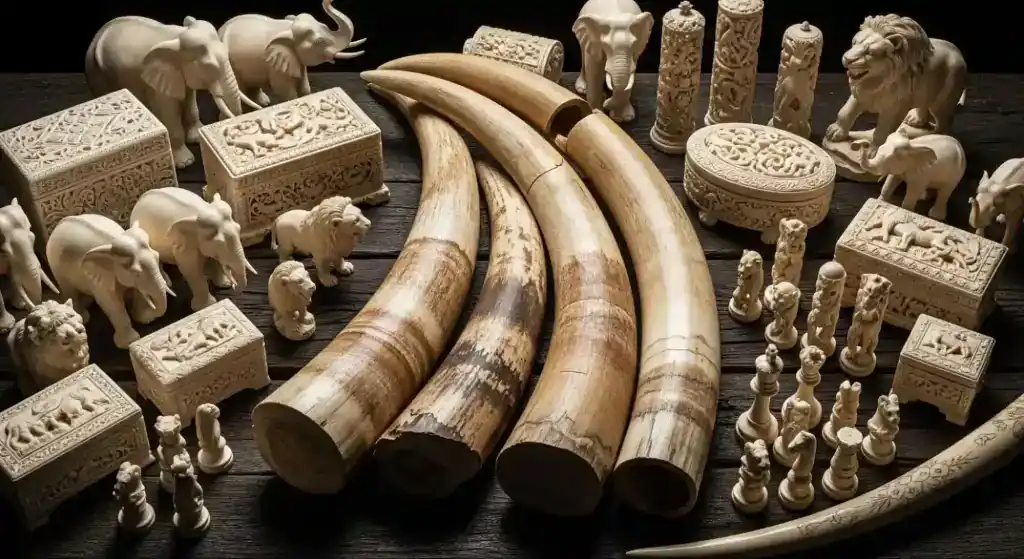
What is ivory? Ivory has long been a highly valued commodity in the illegal wildlife trade. The demand for it has fueled a devastating poaching crisis, leading to a steep decline in elephant populations. According to Edwards’ study (Edwards et al., 2024), African elephant populations have decreased by approximately 90% over the past century. This dramatic decline is largely attributed to poaching for ivory, although habitat loss and human-elephant conflict also contribute. This has created a massive conservation crisis, leading to a decline in their numbers and a negative shift in elephant genetics, especially in African elephants.
Visiting Elephants Responsibly with Elephant Jungle Sanctuary
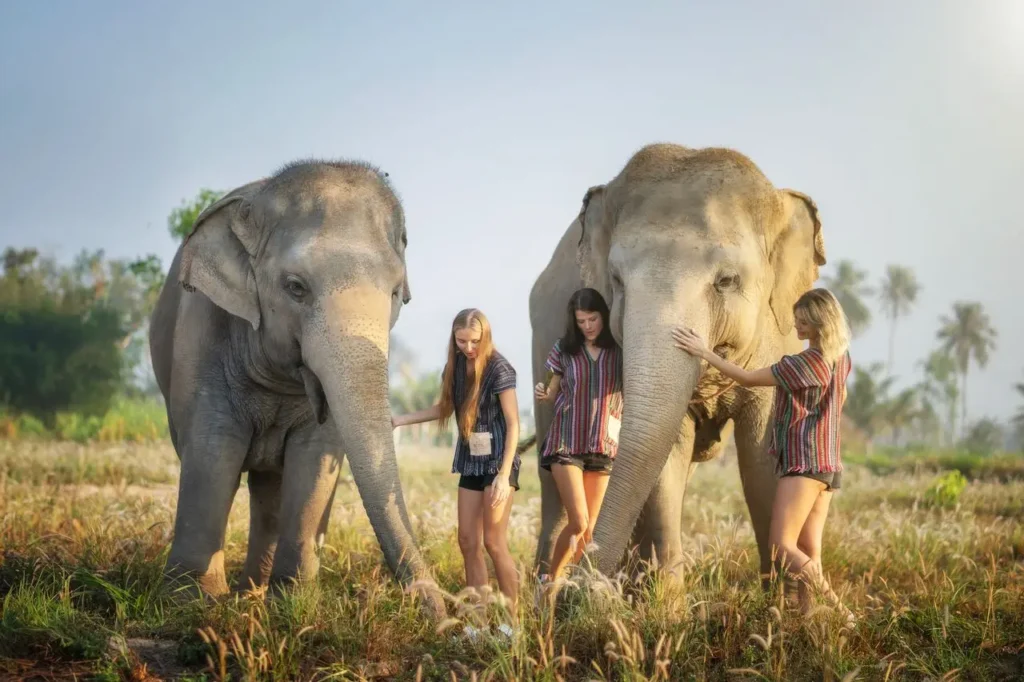
Elephant Jungle Sanctuary is one of the Ethical Elephant Sanctuary, you can enjoy the excitement of spending time with elephants in an Ethical Elephant experience way.
- Expert Supervision: This Sustainable Tourism site allows hands-on activities that are strictly supervised by professional guide and mahout instruction to ensure the safety of both guests and elephants.
- Observational Programs: The ‘Watch Me’ program offers a unique chance to see elephants behaving naturally in the wild.
- Interactive Experiences: You can join the ‘Feed and Shower’ activity to interact closely with these giants in an ethical manner with a professional guides and Mahouts supervisor.
- Wellness Activities: Guests can participate in bathing and mud spa activities, which help create a deeper bond with the elephants.
- Enriched Environment: Every activity is designed to be responsible and takes place in an environment that supports elephant welfare.
Frequently Asked Questions (FAQs)
Can an elephant regrow their tusks?
Elephants only grow a single set of tusks throughout their entire life. Because these elephant tusks are rootless, similar to human baby teeth, they cannot regrow if they are removed or lost. However, if the tusks remain healthy and undamaged, they will continue to grow longer as the elephant gets older.
How big are African elephant tusks?
The elephant tusks of an African elephant are curved forward and usually reach a length of 5 to 8 feet. Each individual tusk can be quite heavy, weighing between 50 and 99 pounds. While both genders have them, male elephants typically grow tusks that are significantly larger and heavier than those of females.
Elephant Tusk: The Important Tools for Their Lives
Elephant tusks are extraordinary tools that define the lives of these majestic creatures. From their biological role as specialized teeth to their social importance in mating and territory, tusks are central to elephant identity.
To see the wonder of elephant tusks in person, visit Responsible Tourism at Elephant Jungle Sanctuary. Our ethical programs focus on observing elephants in their natural habitat. Through professional-led activities like feeding and mud spas, you’ll learn how these giants use their tusks daily while supporting their long-term Elephant Welfare.