
Sustainable tourism is essential for the future of global travel, ensuring that tourism benefits the planet, people, and profits equally. This comprehensive guide explores what sustainable tourism means, why the sustainable tourism market matters to the global, and how Thailand is actively responding to these growing demands. While facing challenges, Thailand is building strong frameworks and standards to transform its competitive industry into a truly responsible one.
Key Takeaways
- Global sustainable tourism is growing rapidly, with over 75% of tourists actively seeking greener and more responsible travel options.
- The government, via DASTA and TAT, is establishing standards, promoting certification schemes (STAR/Green Hotel), and preparing the sector for carbon management.
- Elephant Jungle Sanctuary demonstrates successful sustainable practices by linking animal welfare with community support and environmental resource management.
What Is Sustainable Tourism?
Sustainable tourism is a travel concept balancing the needs of visitors, businesses, and local communities. It focuses on minimizing negative environmental and social impacts while generating equitable economic benefits. Key principles include respecting and preserving natural resources, culture, and local lifestyles for future generations.
Concerns of Sustainable Tourism

Sustainable tourism aims to be good for everyone, but it faces concerns that need to be managed. These concerns fall into three main areas: protecting nature, sharing money fairly, and respecting local people.
Environmental Concerns
Environmental concern is about the environmental impact of tourism, protecting the planet from tourism damage. The main concerns are mainly eco friendly tourism: stopping pollution, managing waste (especially plastics), saving wildlife and natural areas, and making sure travel uses less fuel (like promoting low-carbon transport). We need to protect nature for the future.
Economic Concerns
Economic concern is about making sure local people get the money from tourism. Key concerns include: ensuring that profits stay in the local area instead of going to big international companies, creating fair and stable jobs for residents, and using tourism income to help reduce poverty in the community.
Social Concerns
Social concern focuses on respecting the people who live in the tourist destination. Concerns include: making sure visitors respect local culture and traditions, preventing the community’s way of life from being spoiled or changed by too many tourists, and preserving their local wisdom and unique identity.
Is Sustainable Tourism Important?

Sustainable tourism is highly important because it is rapidly evolving from a niche concept into a mass-market expectation, while also serving as a crucial tool for the tourism sector to align with pressing global sustainability and climate goals.
Market Growth & Consumer Demand
Tourism and sustainability is essential because it represents the future of the travel market. It is moving quickly from a specialized interest to a mainstream product, with forecasts predicting annual growth over 20%.
This massive shift is driven by travelers themselves, as surveys show that about three-quarters of tourists want to travel more sustainably. Consumers, particularly in Asia, are increasingly willing to pay a premium (often 10% or more) for eco-friendly services, meaning that embracing sustainability is now a core requirement for businesses to remain competitive and profitable.
Global Sustainability Alignment
The industry must adopt sustainable practices to meet global targets like the 2050 Net Zero goals. Tourism is both a major contributor to global warming and highly vulnerable to its effects, so it must keep pace with worldwide movements toward a greener economy.
International bodies like UN Tourism and the Global Sustainable Tourism Council (GSTC) are actively pushing for these changes, creating global standards and initiatives (like reducing single-use plastics). Furthermore, governments are backing this with laws, such as Bhutan’s tourist fees funding conservation, making it a legal and ethical necessity.
Sustainable Tourism in Thailand
Sustainable tourism practices in Thailand are still lagging behind many other countries globally and within the ASEAN region. While Thailand’s overall tourism industry is competitive, its performance in the sustainable segment needs significant improvement.
International rankings place Thailand below the average scores for both the ASEAN zone and the Asia-Pacific region in sustainability. This indicates there is substantial room for the country to enhance its eco-friendly practices, social inclusion, and resource management to meet global standards.
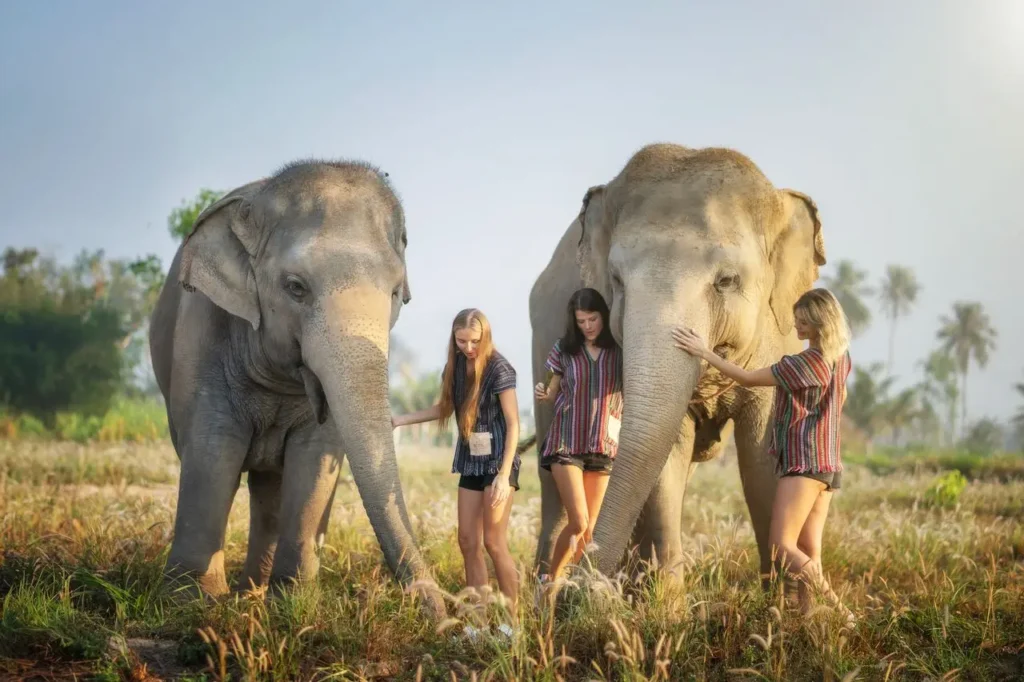
Thailand is now actively shifting towards creating a more sustainable tourism atmosphere by promoting models that prioritize well-being and local integrity. A prime example is the growing move towards Ethical Elephant Tourism. This model represents sanctuaries where the welfare of the animals is paramount, offering tourists a more responsible tourism and meaningful experience.
Thailand’s Sustainable Tourism Policies

Thailand is increasingly prioritizing green tourism and has introduced several policies to encourage businesses and destinations to adopt greener practices. These efforts focus on building a robust framework, promoting certification, and preparing the sector for carbon management.
Establishing Models and Frameworks
The Thai government, primarily through the Designated Areas for Sustainable Tourism Administration (DASTA), is building foundational sustainable tourism management models. DASTA promotes sustainable tourism in specific areas in line with Global Sustainable Tourism Criteria.
For example, the historical parks of Sukhothai have received global recognition for their sustainable approach. Additionally, the Tourism Authority of Thailand (TAT) champions carbon neutral tourism by promoting the ‘measure-reduce-offset’ principles, developing model net-zero destinations like Baan Tham Sua Homestay.
Sustainability Certification
To drive quality, government agencies are actively providing various sustainability certifications and awards. These accreditations, such as the Green Hotel award or the Sustainable Tourism Acceleration Rating (STAR), serve as public guarantees of quality and commitment to sustainability standards.
This system encourages hotels, tour operators, and other businesses to formally adopt and adhere to sustainable practices, making their efforts visible to tourists and boosting consumer confidence in sustainable travel options.
Carbon Management Preparation
Recognizing the need for accountability, the government is helping tourism businesses prepare for carbon management. Agencies have developed tools like the CF-Hotels website, a collaborative effort with Chiang Mai University, which helps hotel operators easily measure their carbon emissions and prepare for certification (Carbon Footprint for Organization – CFO).
Furthermore, the Zero Carbon app allows both businesses and tourists to assess their carbon footprint and purchase carbon credits to offset emissions from their activities, promoting responsibility throughout the sector.
Thailand’s Sustainable Tourism Standards

Thailand has made progress in adopting both domestic and global sustainable tourism standards, focusing on formal certification and creating positive real-world impacts, particularly in wildlife welfare such as Elephant Welfare.
Domestic Sustainability
Thailand promotes sustainability through several national certification programs designed to raise operational standards across the tourism industry. Schemes like the Green Hotel award and the Sustainable Tourism Acceleration Rating (STAR) encourage businesses to adopt environmentally and socially responsible practices.
These certifications serve as a local standard, making it easier for visitors to find tour operators who are truly committed to sustainable practices. Furthermore, the Thai government is actively encouraging sustainable tourism in the elephant field. A good example of this is the Elephant Jungle Sanctuary (EJS), the Ethical Elephant Sanctuary that follows many principles of sustainability, showing how ethical tourism can be successful.
- Community: They prioritize community engagement through collaboration with local schools, donations, and by hiring community members, providing essential job opportunities for local people.
- Economy: They operate on a Circular Economy Model by purchasing local products and ensuring income benefits the local economy directly.
- Environment: They implement renewable energy (like solar cells), offer meatless options (vegetarian lunches), and drastically reduce waste (minimizing single-use plastic, composting elephant poop for fertilizer, and using water recycling systems).
Global Sustainability
Thailand has successfully aligned some of its key destinations and frameworks with international criteria. The Designated Areas for Sustainable Tourism Administration (DASTA) has promoted nine specific areas, many of which have received recognition for adhering to the Global Sustainable Tourism Criteria (GSTC).
For example, DASTA’s own Sustainable Tourism Management Standards have been approved by the GSTC for use by local government agencies, ensuring Thai development efforts meet worldwide sustainability benchmarks. This international validation helps market Thailand as a responsible destination and attracts the growing segment of globally conscious travelers.
Future of Thailand’s Sustainable Tourism
While Thailand anticipates significant growth in its sustainable tourism market, several key challenges must be addressed to ensure genuine sustainability and competitive success
- Adaptation Pressure for Businesses: Hotels, restaurants, and tour companies must rapidly adapt to meet rising consumer demand for sustainability. They face pressure to measure and reduce their greenhouse gas emissions (especially indirect ones).
- Carbon-Intensive Transport: The transport segment remains highly dependent on fossil fuels, making it the most carbon-intensive area. Reducing emissions here requires widespread use of Sustainable Aviation Fuels (SAFs) and investment in electric or alternative-energy vehicles.
- Need for Broader Certification: Current certification schemes like Green Hotel often appeal mostly to large operators in major tourist hubs. There is a need to expand interest and participation to small, independent businesses and destinations in second-tier provinces.
- Ecosystem-wide Collaboration: Isolated efforts are insufficient. Success requires all players—from airlines and online travel agents to local communities—to move forward together through complex value chains to drive market development collectively.
- Overtourism Risk: As sustainable destinations (like Koh Mak) gain popularity, they risk facing the negative effects of overtourism if growth is not carefully managed, potentially degrading the environment or disturbing the local community they aim to protect.
Frequently Asked Questions (FAQs)
What is ecotourism?
Ecotourism is a responsible form of travel to natural areas that focuses on conserving the environment, sustaining the well-being of local people, and including education and interpretation. It is generally small-scale, minimizes negative impact, and provides financial benefits for conservation efforts.
Is ecotourism similar to sustainable tourism?
Ecotourism is a subset of sustainable tourism. Sustainable travel and tourism is a broad framework covering all three pillars (environmental, social, and economic) in all types of tourism. Ecotourism is a specific type of sustainable tourism focused strictly on nature-based travel.
Sustainable Tourism in Practice at Elephant Jungle Sanctuary
The future of Thai sustainable tourism is undeniably tied to sustainability. Despite currently lagging in global rankings, Thailand is proactively creating comprehensive policies, certifications, and frameworks to meet rising consumer demand and global climate goals. Success relies on widespread adaptation, addressing carbon-intensive transport, and ensuring all stakeholders, from large hotels to local communities, collaborate to build a truly competitive and responsible tourism ecosystem.
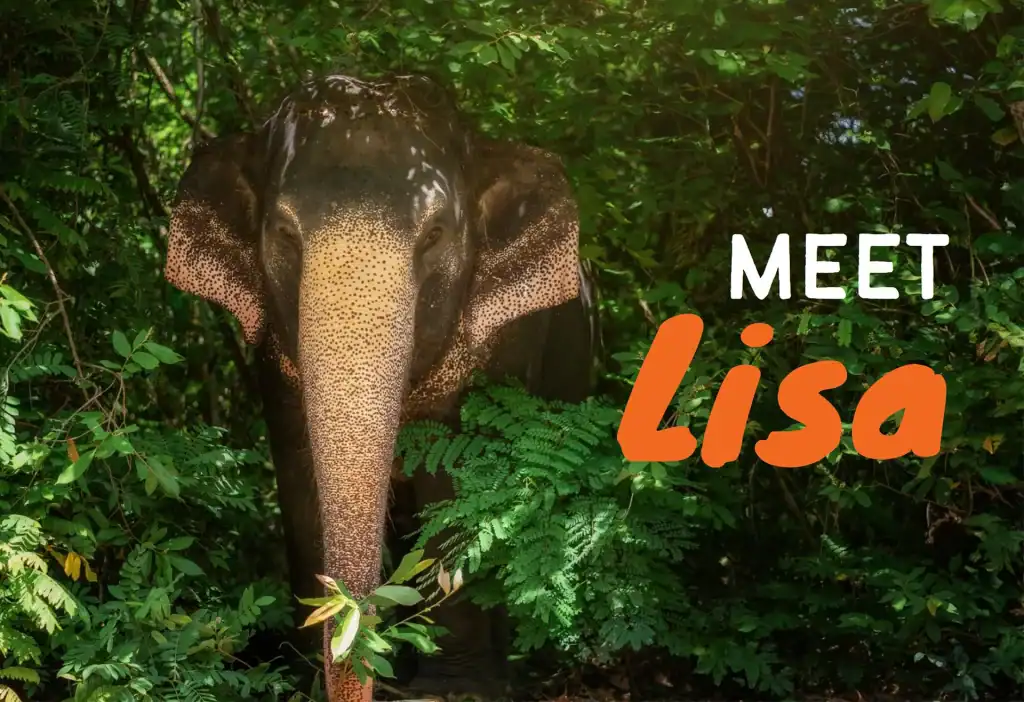
The Ethical Elephant Sanctuary model perfectly illustrates Thailand’s shift toward genuine sustainability. By focusing on the welfare of Elephants In Thailand, EJS minimizes social harm and environmental impact through solar power and waste composting. Economically, it supports local people by providing jobs and purchasing community products, showcasing how tourism can be both ethical and profitable.