
Have you ever looked at these elephants and wondered, what is ivory exactly? Often associated with luxury and history, ivory is actually a vital part of an elephant’s biology. In this article, we dive deep into the science behind these magnificent tusks, exploring what they are made of, how elephants use them for survival, and why protecting these incredible animals is more important now than ever before.
Key Takeaways
- To understand what is ivory, we must look at it as a living tooth made of dense dentin that grows throughout an elephant’s entire life.
- Elephants use their tusks for survival, including digging for water, lifting heavy logs, and gathering nutritious food.
- Ivory contains a complex nerve canal, making the tusks highly sensitive and an integral part of the elephant’s body.
- While elephants are the primary source, other mammals like walruses and narwhals also possess teeth with a similar chemical and physical structure.
What is ivory?
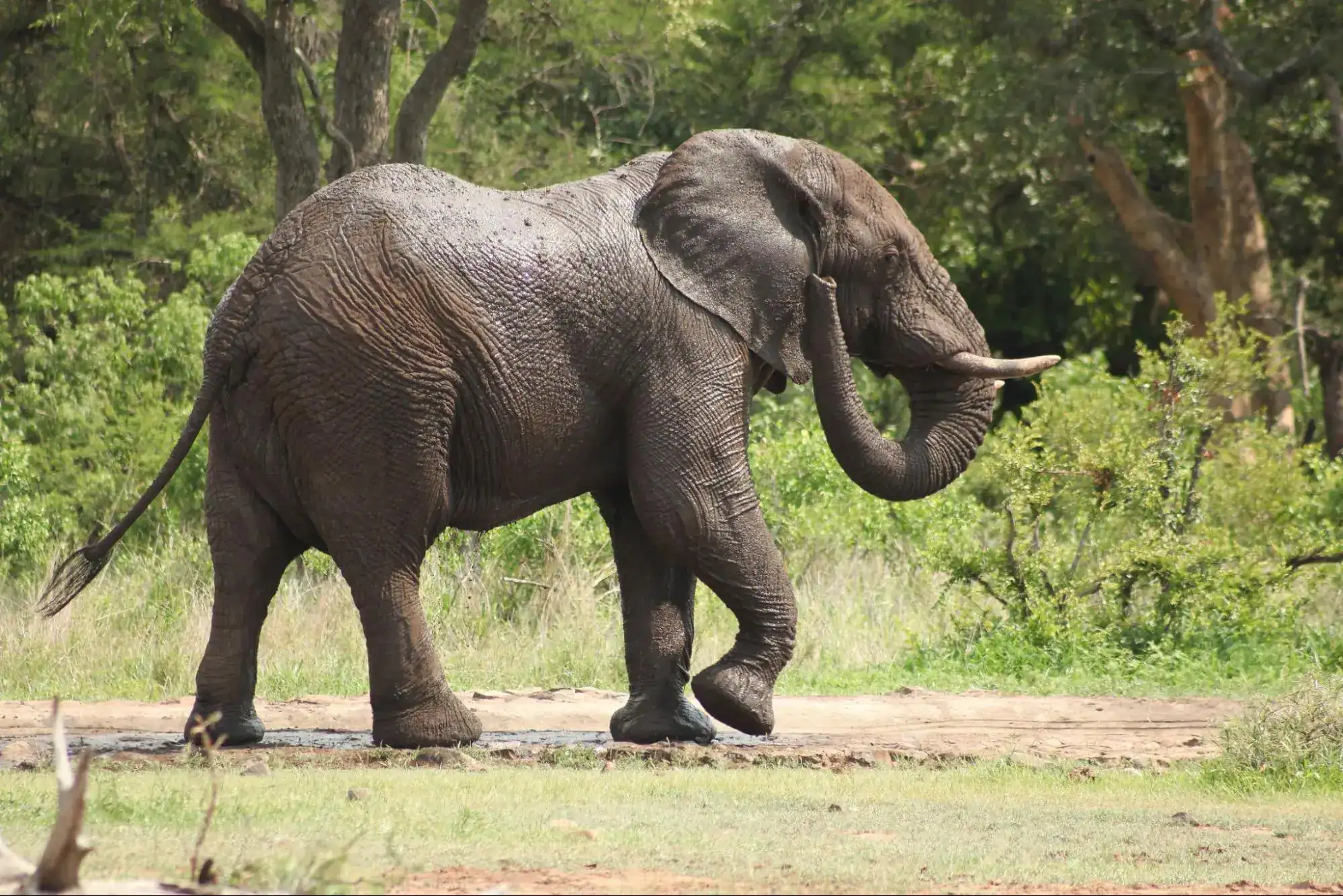
Ivory is a hard, white material that comes from the dense dentine tissue of an elephant’s tusks. While it looks like bone, these tusks are actually modified teeth that grow throughout their lives.
- Proud and powerful! Discover why the elephant is the most respected symbol of Thai culture : National Animal Of Thailand
What is ivory made of?
Ivory is primarily made of dentin, a hard and dense bone-like tissue that forms the bulk of all teeth. Unlike antlers that fall off every year, ivory tusks are permanent incisors that grow continuously. These tusks are hollow near the jaw but become solid toward the tip, containing a sensitive nerve canal that makes them very delicate and alive.
- What is an ethical elephant experience? Learn how to support welfare through responsible tourism : Ethical Elephant
Which animals have ivory?
While elephants are the most famous, they are not the only ones. Other mammals like walruses, hippopotamuses, narwhals, sperm whales, and warthogs also have teeth made of similar material. Generally, the word “ivory” refers to any large mammalian tooth used for carving. However, the Elephant Tusk remains the most sought after because of its incredible size and strength.
Why does an elephant have ivory tusks?
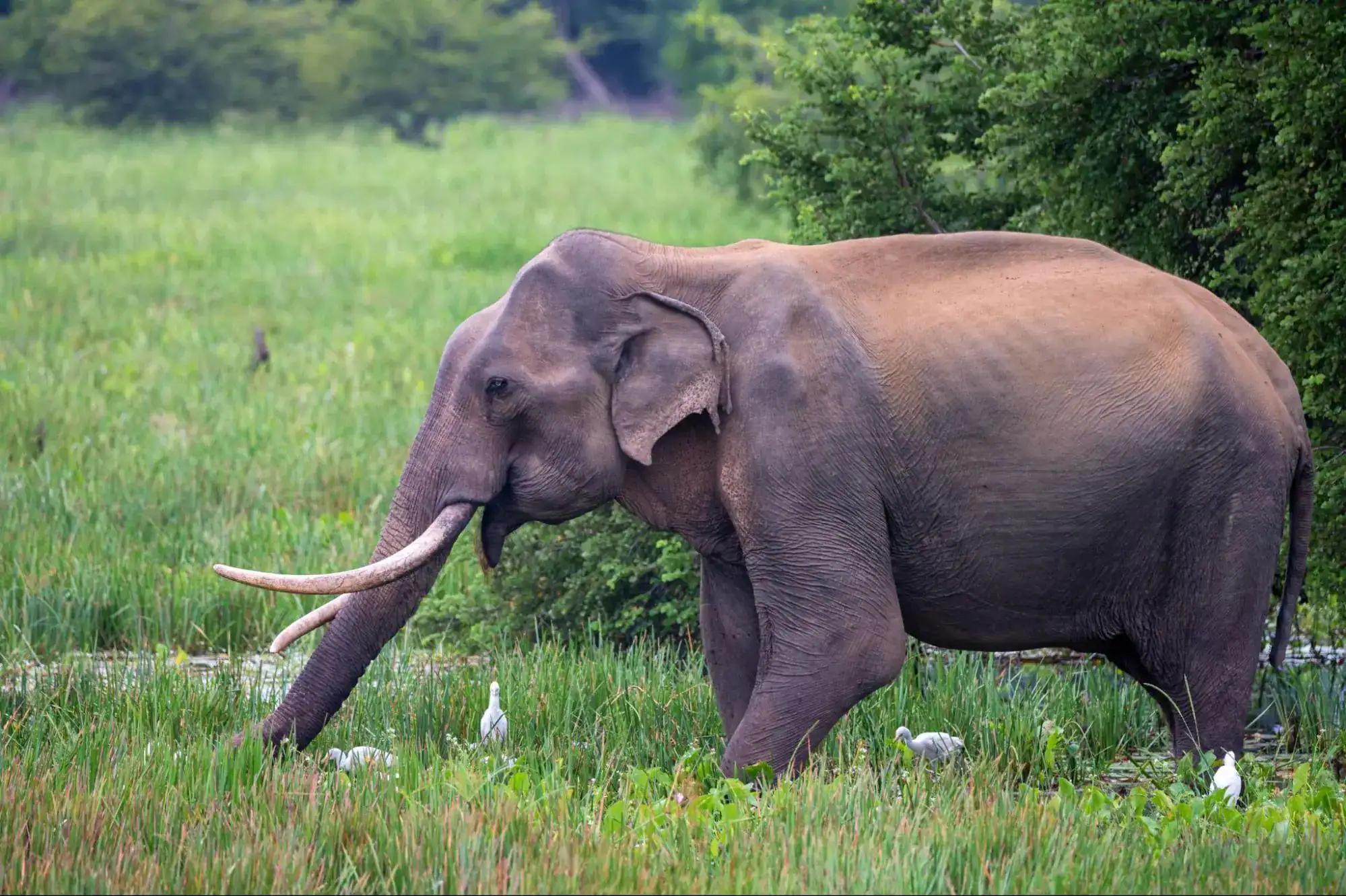
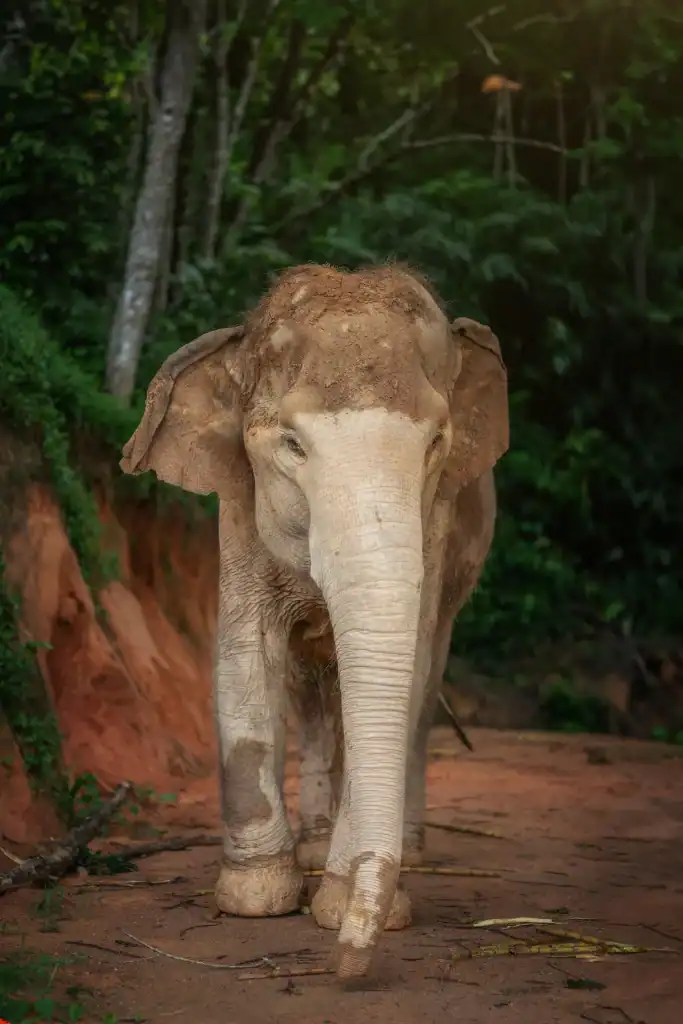
An elephant tusk is an essential tool for daily survival. Elephant ivory is used for digging for water, lifting heavy objects, and stripping bark from trees for food. These tusks also provide a protective shield for their sensitive trunks.
Interestingly, most elephants prefer one side over the other, meaning they can be “right-tusked” or “left-tusked” depending on which one they use more often for these tasks.
What is ivory used for?
In the past, ivory was highly valued because it is both strong and easy to carve into beautiful shapes. People used this smooth material to create everyday items like tools, handles, and tableware. Because of its elegant white color, it often became a symbol of luxury and high status. Many historical objects, such as delicate jewelry, small statues, chess sets, and even piano keys, were crafted from an elephant tusk.
In some cultures, ivory was also ground into a fine powder for use in traditional practices. ivory used for medicine and was believed to help clear toxins from the body or improve the skin, although there is no scientific evidence to support these benefits. Today, these historical items show us how much people admired the unique texture and durability of ivory throughout human history.
- The numbers are changing. See the latest count of elephants living in the wild today : How Many Elephants Are Left In The World
What makes ivory valuable?
The high value of an elephant tusk comes from its unique physical properties and its long history as a symbol of power. Unlike many other hard materials, ivory is porous and malleable, meaning it can be carved into incredibly fine and intricate details that other stones or bones cannot match. Historically, this required highly specialized skills and a lot of time, making any finished piece a rare and expensive luxury.
In many societies, owning ivory was a way for rulers and the wealthy to show their status and wealth to the world. Because each elephant tusk is a natural product that takes many years to grow, it was seen as a limited and precious resource. This combination of natural beauty, the difficulty of carving it, and its reputation as a “symbol of status” created a high demand that has lasted for centuries.
- Meet the Asian Elephant! Discover the unique features and amazing life of these gentle forest giants : Asian Elephant
Why is it illegal to remove ivory tusks from elephants?
Taking an elephant tusk is illegal because it is impossible to remove the entire tusk without causing fatal harm to the animal. Since a large portion of the tusk is embedded deep within the skull and contains sensitive living nerves, poachers often end the elephant’s life to obtain the ivory. This has led to a massive decline in elephant populations worldwide, with thousands of elephants lost every year to satisfy the demand for luxury trinkets.
To protect these elephants from extinction, many governments and international organizations like the WWF have established strict laws and bans on the ivory trade. Countries around the world are now working together to strengthen law enforcement and stop wildlife crime. By making the trade illegal, we can reduce the demand for ivory and ensure that future generations can still see these magnificent animals thriving in their natural habitats.
- Why are elephants at risk? Learn about the challenges they face and how we can help : Endangered Elephants
Frequently Asked Questions (FAQs)
Is it illegal to buy and sell ivory?
Yes, the international commercial trade of new ivory is illegal under CITES to protect elephants from extinction. Many countries, including Thailand, have strict domestic laws and “Ivory Acts” that regulate or ban the possession and sale of ivory. Buying or carrying ivory across borders without proper legal permits can lead to heavy fines or imprisonment.
Do elephants feel pain if their tusks are removed?
Absolutely. An elephant tusk is a living tooth, and about one-third of it is embedded deep inside the skull, containing sensitive pulp, blood vessels, and nerves. Because the nerve canal runs through the center of the tusk, removing it is an extremely painful and traumatic experience that is fatal to the animal.
Understanding What Is Ivory at EJS
Understanding what is ivory helps us appreciate the complexity of these gentle giants. It is not just a material for art, but a living, sensitive part of an elephant’s body that is necessary for their survival. As we move toward a more conscious future, protecting these animals ensures that their ivory remains where it belongs—helping them navigate the wild and maintain the balance of our natural world.
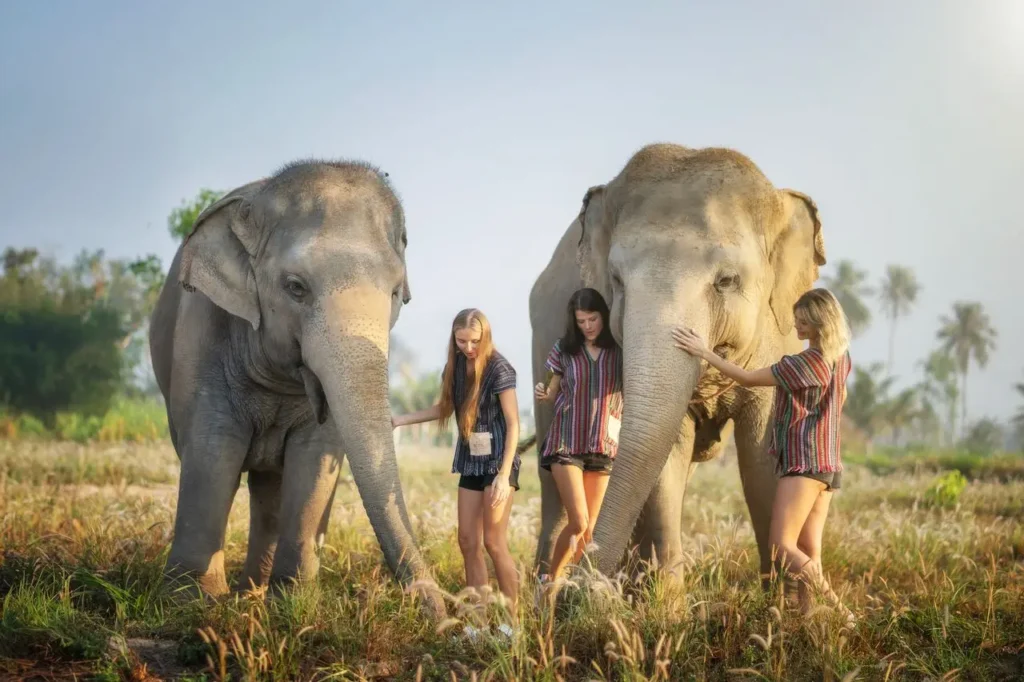
At Elephant Jungle Sanctuary, we believe that the best way to appreciate an elephant tusk is to see it where it belongs on a happy, healthy elephant. Our Ethical Elephant Sanctuary is dedicated to Elephant Welfare, providing a peaceful home where you can observe these incredible creatures in a supportive and natural environment.
As a Responsible Tourism, we offer guests the chance to participate in meaningful hands-on activities with Elephant in Thailand, such as preparing nutritious natural supplements and feeding the elephants. Every interaction is carefully supervised by our expert Mahouts and professional guides to ensure the safety and happiness of both the animals and our visitors. By joining us, you directly support our mission of conservation and help provide a better quality of life for elephants across Thailand.