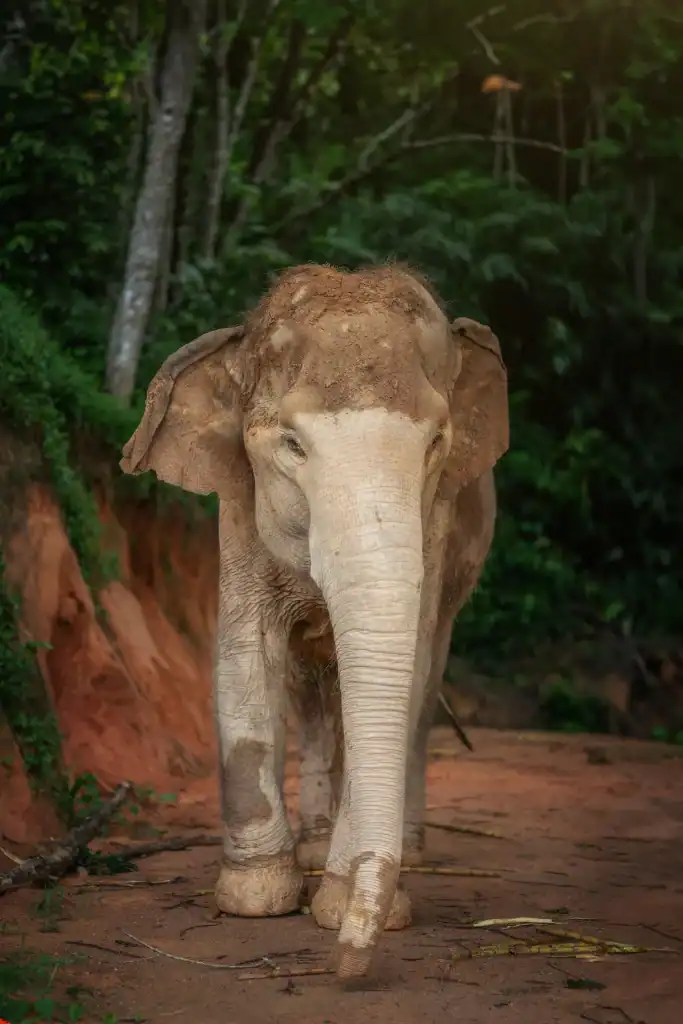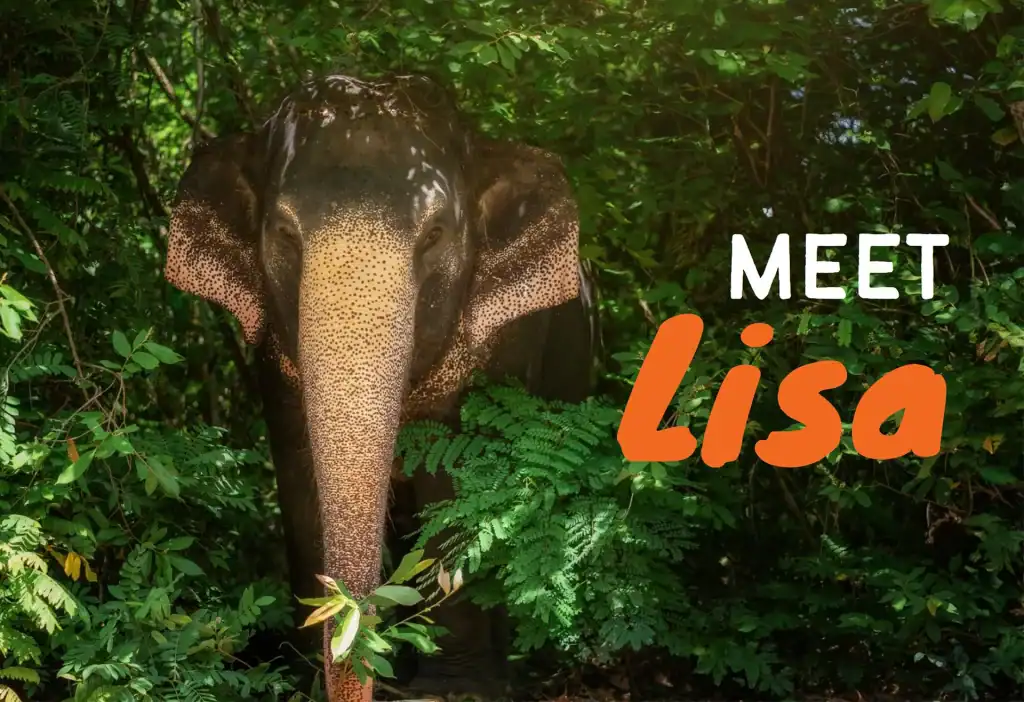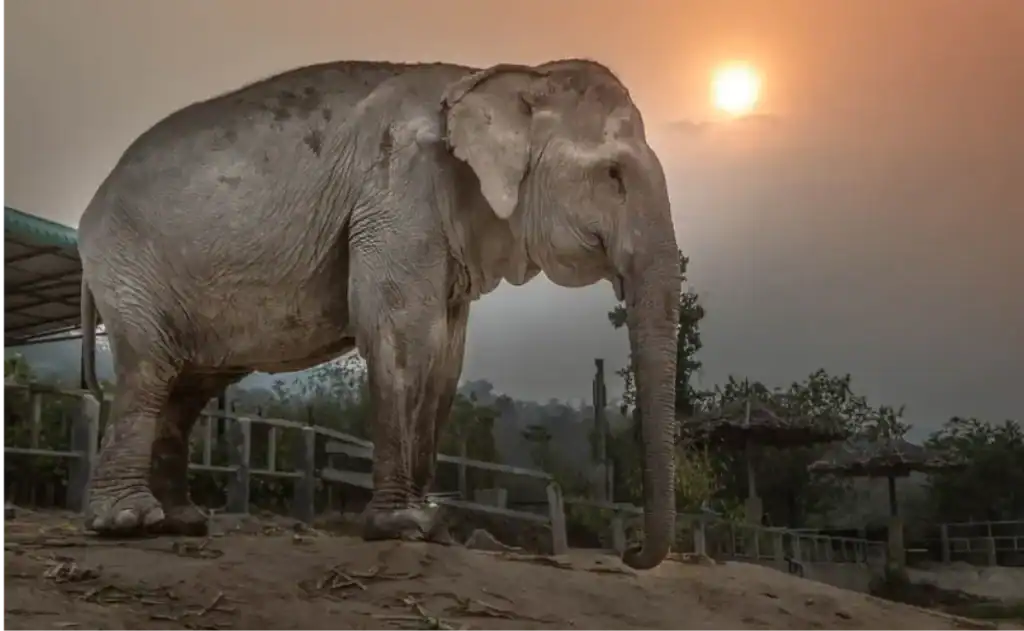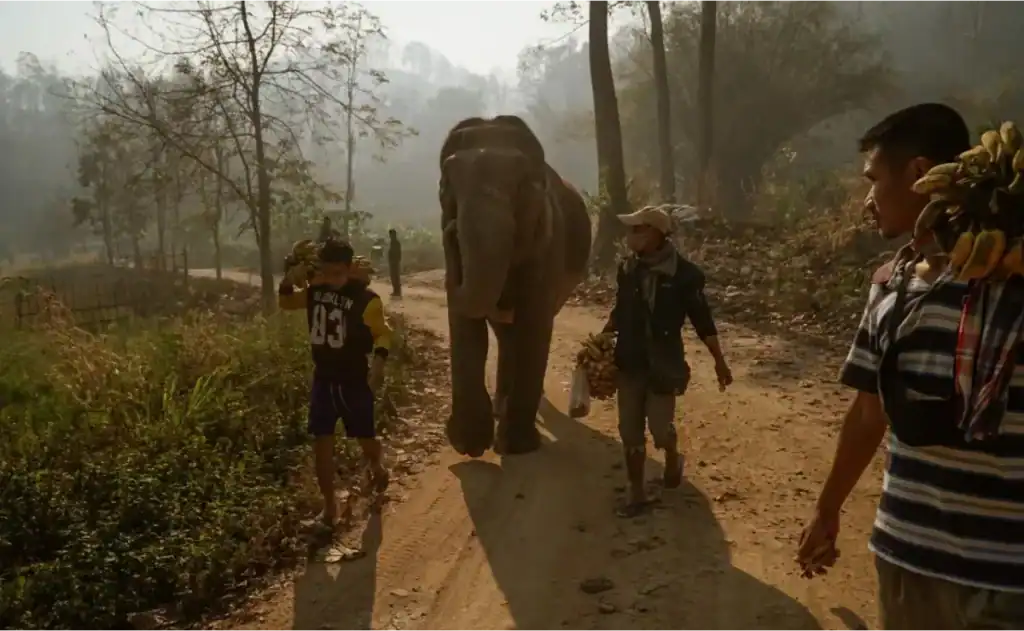
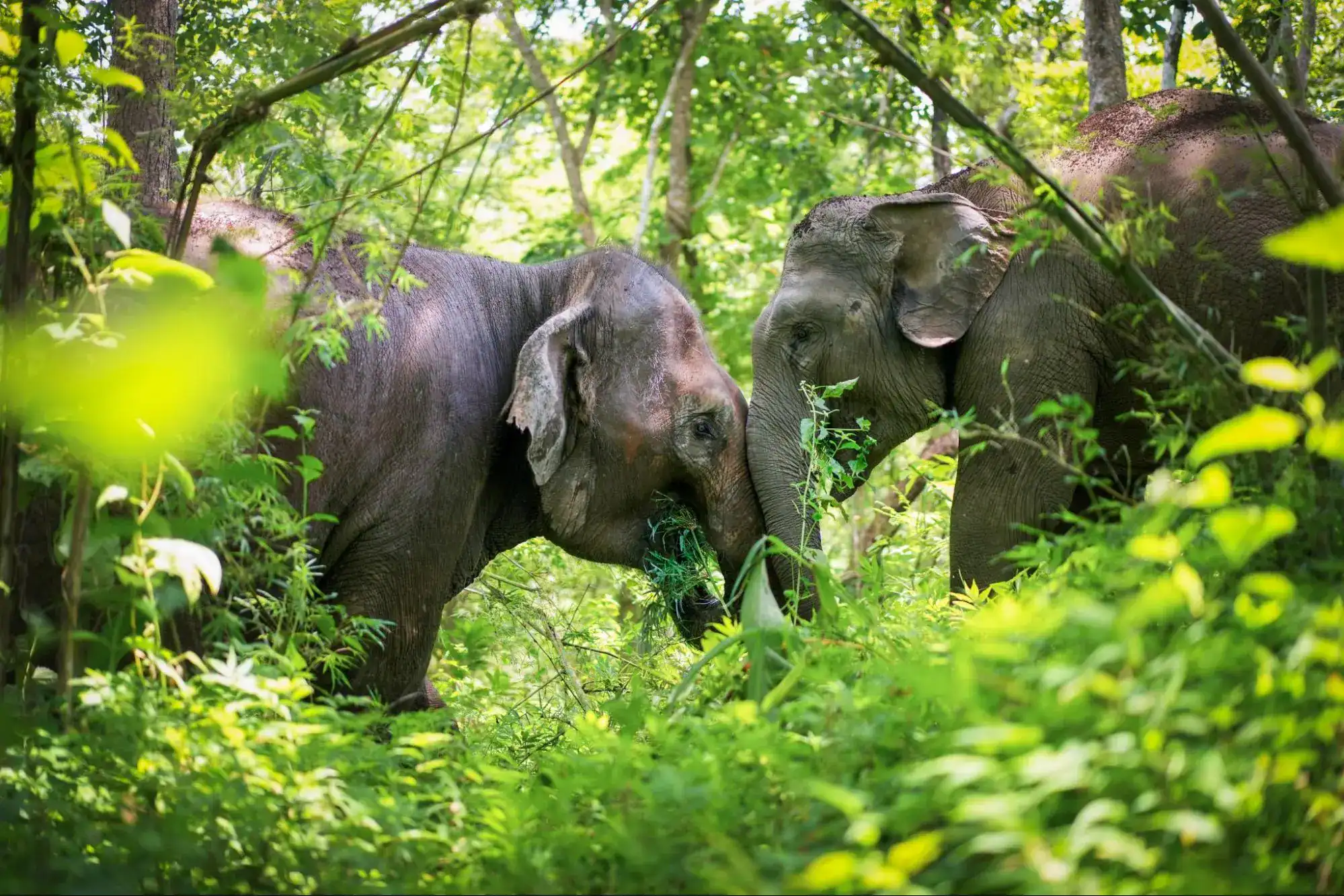
Thailand is a land defined by its majestic heritage, and at the heart of this legacy is the magnificent Elephant In Thailand. Revered in Thai Culture, the Asian elephant (Elephas maximus) holds a sacred place, often referred to as the national animal of Thailand. In fact, Thailand officially declared the Asian elephant as Thailand’s national animal in 2001, recognizing its significance to the country’s monarchy, history, and culture.
As travelers seek meaningful experiences with these gentle giants, Elephant Jungle Sanctuary (EJS) is dedicated to providing the happiness, health, and freedom they truly deserve. Discover the true story of the Thai elephant and learn how you can support their welfare at an Ethical Elephant Sanctuary.
Key Takeaways
- The Asian elephant is Thailand’s national animal and holds profound cultural significance.
- The wild population is “Endangered” (3,084–4,422), facing threats primarily from habitat loss and human-elephant conflict (HEC), despite conservation efforts in Protected Areas.
- Wild elephants are strictly protected. Captive elephants are managed under the older Beasts of Burden Act (requiring registration), though a new Elephant Act is being developed to enhance welfare.
- Truly ethical elephant tourism requires activities that are supervised by experts to ensure they prioritize elephant welfare and are based on elephant comfort and willingness at all times.
- Visitors should support an ethical sanctuary where interactions (like feeding or bathing) are part of the elephants’ natural routines and are supervised by experts.
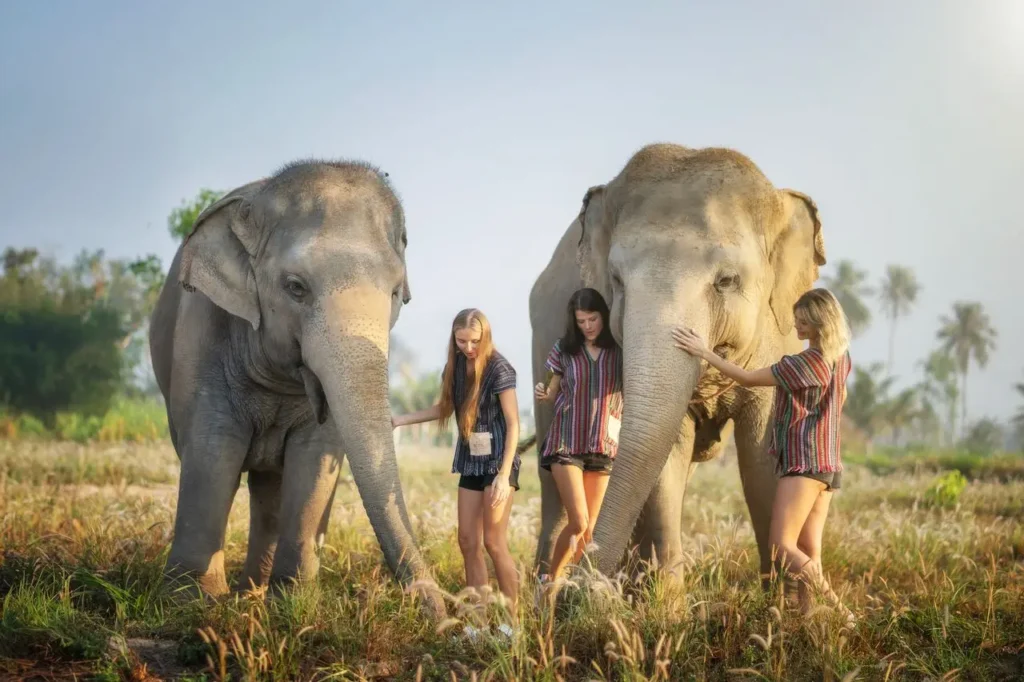
- Elephant Jungle Sanctuary (EJS) models ethical care, offering visitors a chance to learn the elephants’ daily lives up close. Activities like feeding and bathing are integrated into natural care routines, allowing direct observation of their behavior and needs.
Elephants in Thailand
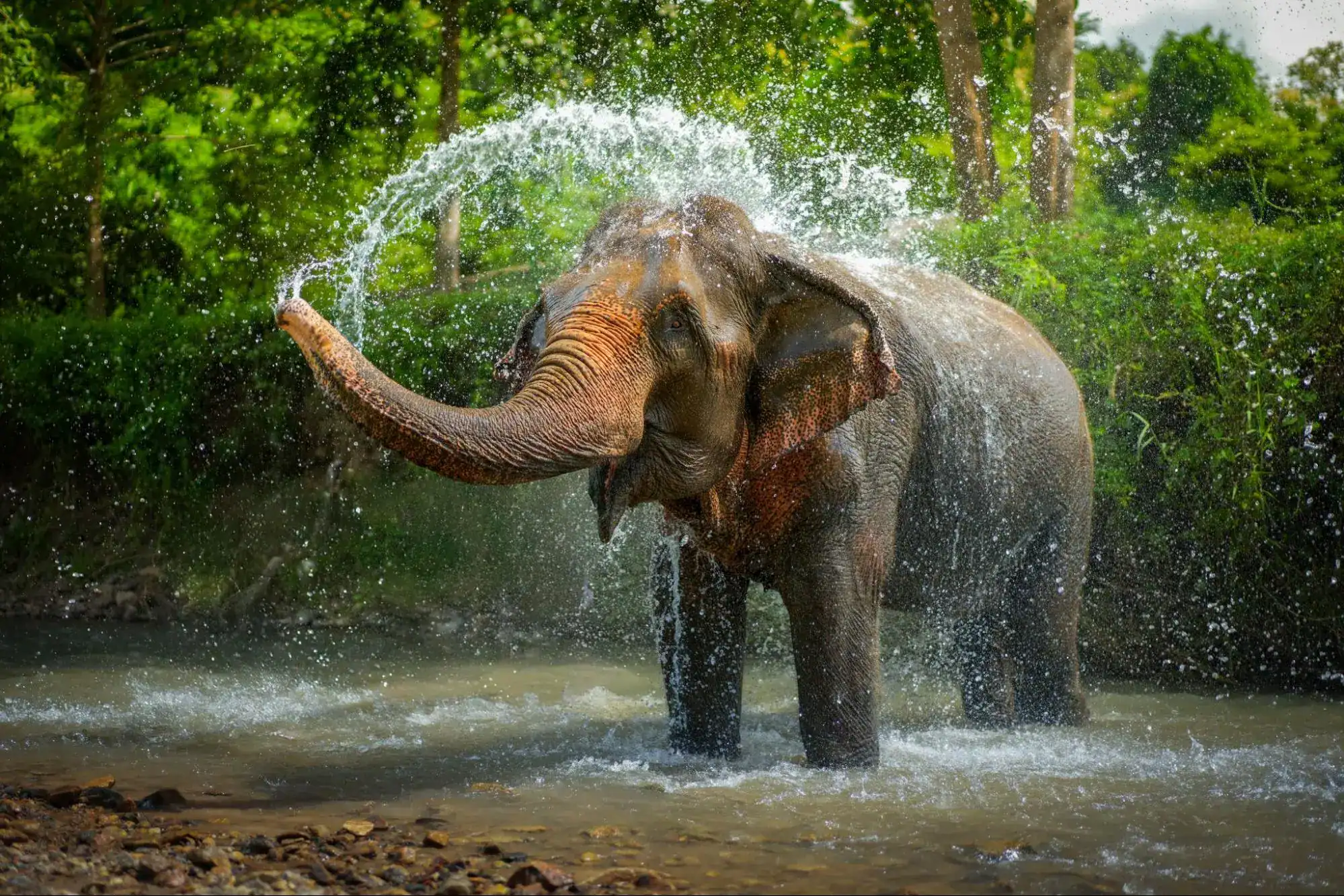
The Asian elephant in Thailand faces a dual reality of conservation success and significant challenges. Crucially important to the species’ global future, conservation efforts protect these endangered elephants across the kingdom. Notably, 69 of 189 Protected Areas (37%) serve as wild elephant habitat. Current estimates for the wild population range from 3,084 to 4,422 individuals across 91 protected areas, with an encouraging increasing trend over the last 14 years. The largest concentration is in the Western Forest Complex.
However, critical threats persist, primarily habitat loss and degradation due to rising human density and agricultural expansion. This growing human-elephant conflict (HEC) is acute where elephant habitats meet farmland (rice, corn, cassava), leading tragically to elephant and human deaths. Additionally, despite strengthened anti-poaching measures, the threat of elephant poaching for tusks remains in forested regions.
Elephants Status in Thailand
Thailand’s commitment to elephants is reflected in their legal standing, both internationally and domestically.
Globally, the Asian elephant (Elephas maximus) is listed as “Endangered” on the IUCN Red List (2021) and on CITES Appendix I, banning commercial international trade and underscoring the need for responsible tourism and conservation.
Domestically, the law differentiates between wild and captive elephants in Thailand. Wild elephants are classified as “Preserved animals” under the Wildlife Conservation and Protection Act B.E. 2562 (2019), which strictly prohibits hunting and trade of the animal and its ivory. Even the African elephant was listed as protected under this Act in 2015.
Captive elephants are managed under the separate Beasts of Burden Act, B.E. 2482 (1939). This law requires owners to register their animals under the Department of Provincial Administration, a critical step to prevent the illegal smuggling and laundering of wild elephants into the captive population.
Thailand is also currently developing the comprehensive Elephant Act to modernize regulations, prioritize welfare, and improve the management of camps and sanctuaries, demonstrating an ongoing commitment to ensuring better outcomes for all elephants in Thailand.
History of Elephant In Thailand
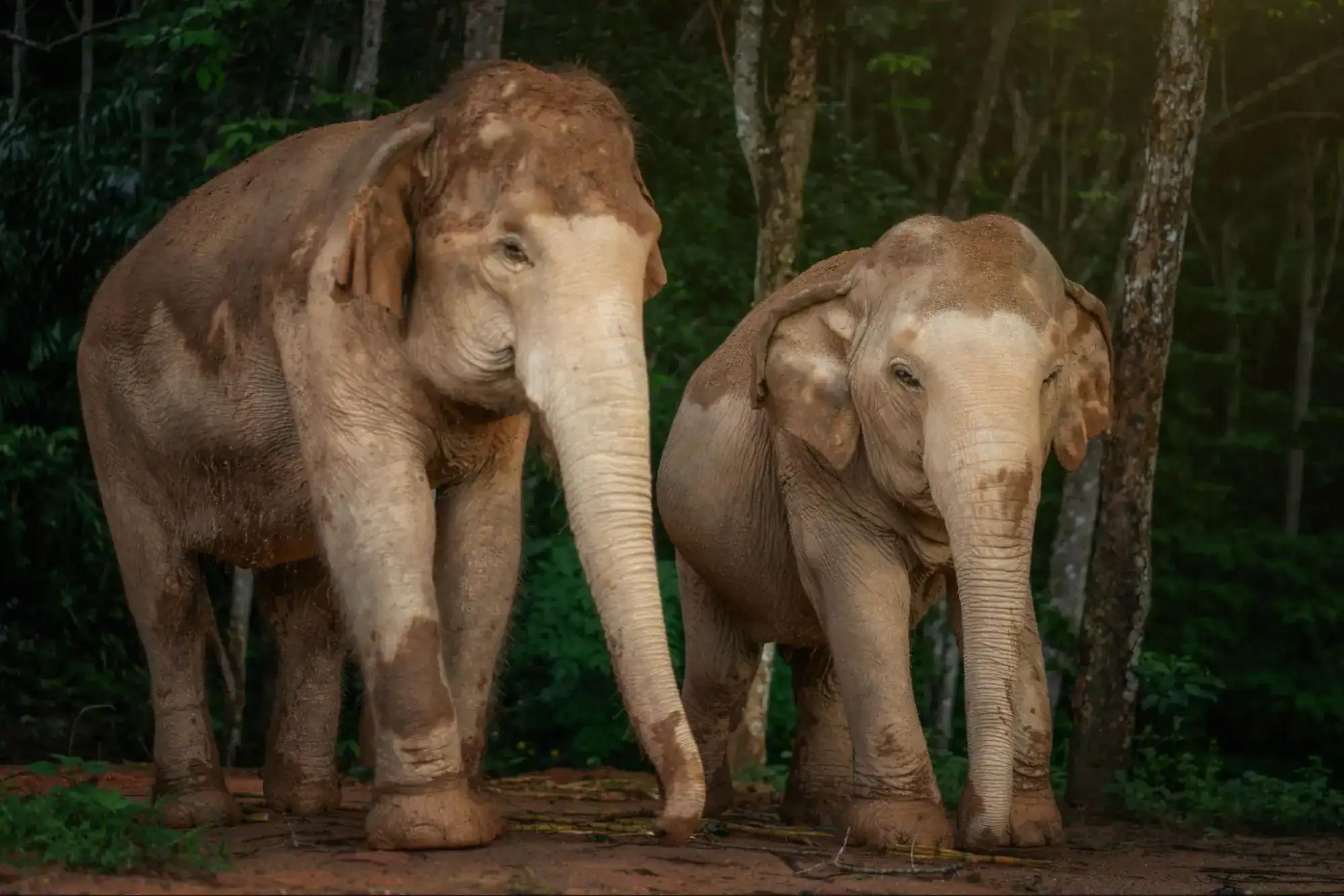
The Asian elephant holds a profound and integral place in Thai culture, history, and beliefs, serving as a national symbol. Historically, these intelligent and strong creatures were essential working animals, used in construction, agriculture, transportation, and warfare; their strategic importance led to the establishment of the Elephant Department in the early Ayutthaya period.
This majestic symbolism extends to royalty and religion. Notably, “Chao Phraya Chaiyanuphap,” formerly “Plai Phukhao Thong,” was King Naraesuan’s Royal War Elephant, leading to a crucial victory in 1593. White Elephants in Thailand, considered auspicious, symbolize the King’s authority, which is why King Rama II decreed Siam’s flag should feature a White Elephant on a Red Background. Elephants also appear frequently in Buddhist art, such as the Elephant-based Chedi of Wat Chang Lom in Sukhothai.
To honor this deep bond and support conservation, Thailand officially designated the Asian elephant as the National Representative Animal in 2001. Furthermore, March 13th is annually observed as “Thailand Elephant Day” to raise awareness. At EJS, we respect this heritage by ensuring dignified welfare for every elephant under our care.
Where to Visit Elephant In Thailand
As the need for sustainable travel grows, the ethics of elephant tourism are under scrutiny. Visitors to Thailand often ask if they can visit elephants without causing harm. The answer is yes. Elephant Jungle Sanctuary (EJS) prioritizes the elephants’ welfare, health, and freedom.
When searching for a location—be it in these location:
- Ethical Elephant Sanctuary Chiang Mai
- Ethical Elephant Sanctuary Pattaya
- Ethical Elephant Sanctuary Koh Samui
- Ethical Elephant Sanctuary Phuket
EJS is committed to giving its elephants the life they deserve, working together with The Care Project Foundation (TCPF) for onsite veterinary care and mobile clinic. Choosing an ethical sanctuary like EJS ensures your visit supports sustainable practices, community employment, and conservation.
What to Do when Visit Elephant In Thailand
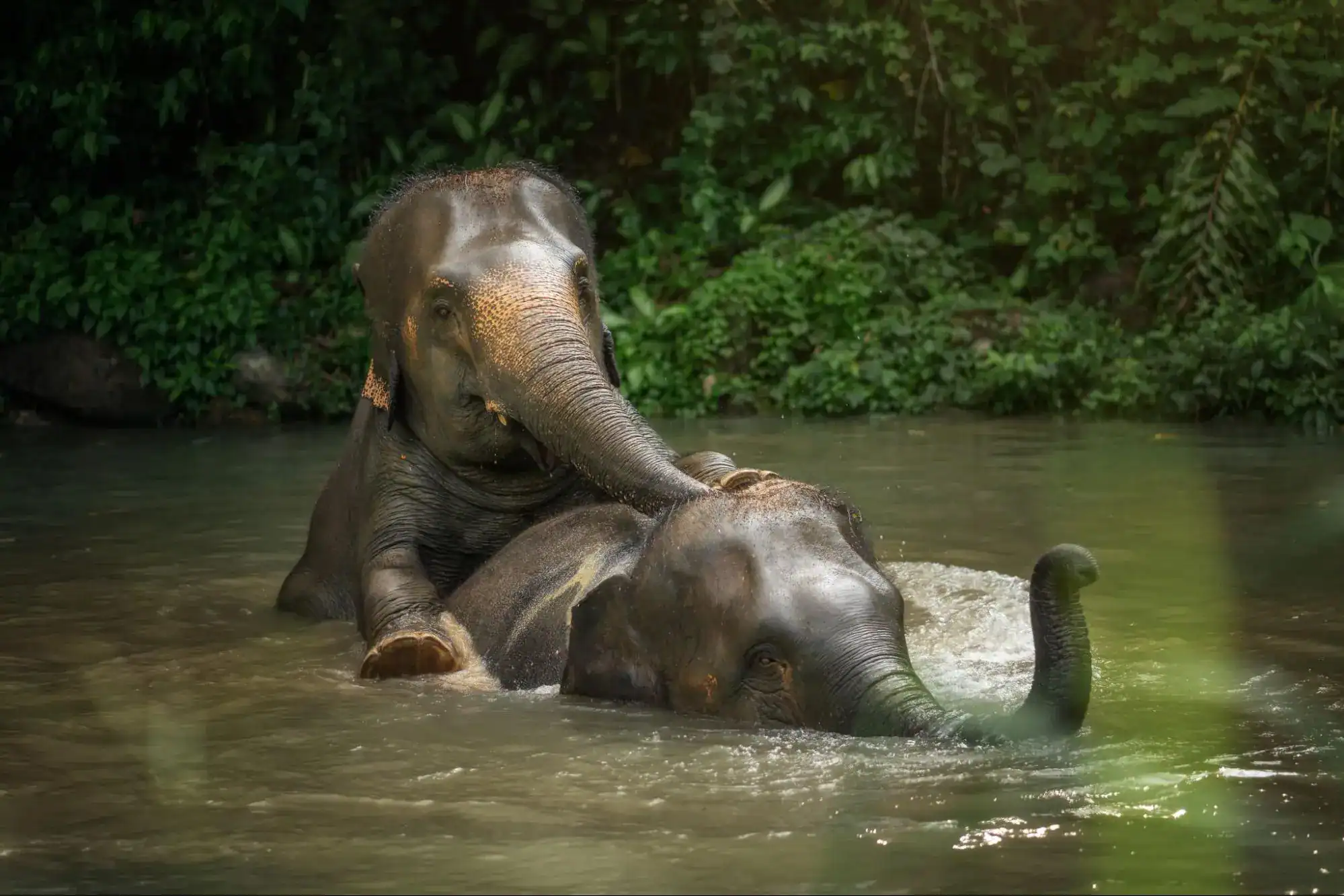
Making informed choices is the most powerful tool a traveler has to combat counter practices that compromise elephant welfare and support responsible tourism. Choosing to visit an ethical sanctuary means committing to observation, respect, and close interaction that is supervised by experts.
- DO Research Thoroughly: Always read independent reviews and information about the experience before booking to ensure the business practices what it promotes. Look for certifications or endorsements from reputable animal welfare organizations when possible.
- DO Choose Meaningful Interaction and Observation: Support venues where interactions are part of the elephants’ natural care routines (like feeding or bathing) and are conducted under strict supervision.
- DO Support Conservation and Community: Your fees should fund the elephants’ lifelong care, veterinary treatment, and local staff wages. Support places like EJS that prioritize community engagement, local employment, and sustainable tourism practices.
- DO Keep a Safe and Respectful Distance: Elephants in Thailand should be treated with caution and respect. Speak quietly and minimize noise to avoid stressing the animals.
- DO Amplify Ethical Voices: Share your positive experiences with truly ethical sanctuaries and educate others on why responsible choices matter, helping to steer fellow travelers away from harmful practices.
Visiting Ethical Elephant Sanctuary at Elephant Jungle Sanctuary
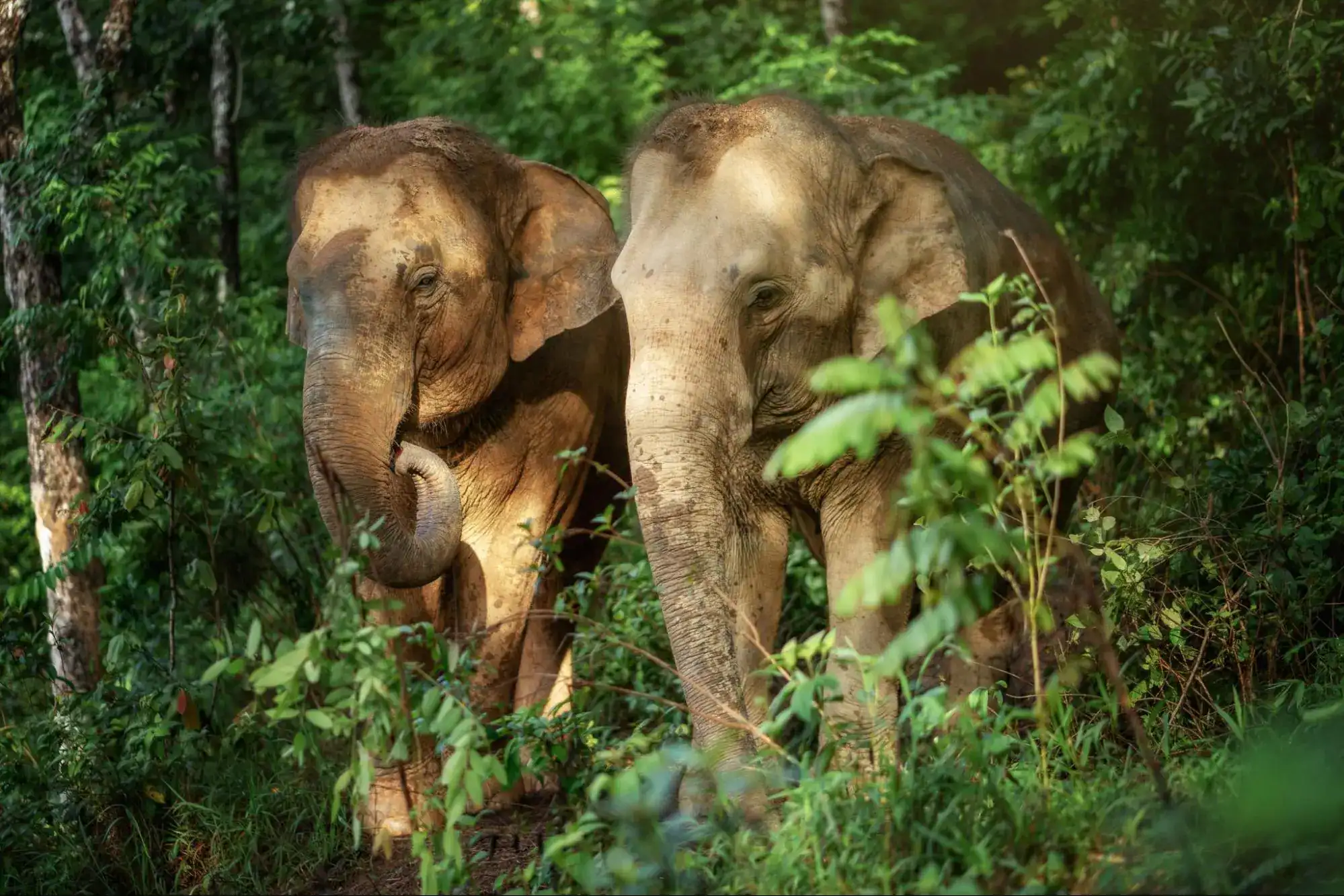
Elephant Jungle Sanctuary (EJS) offers a truly ethical, close-up learning experience in Thailand, prioritizing elephant happiness, health, and freedom. We emphasize responsible feeding, bathing, and touching, allowing visitors to witness and participate in daily care. We support sustainability through environmental preservation and recycling.
As a leading Ethical Elephant Sanctuary across Thailand with locations in Chiang Mai, Pattaya, Phuket, and Koh Samui, EJS is dedicated to world-class care. We partner with The Care Project Foundation (TCPF) for excellent veterinary treatment, including proactive disease protection and emergency response via the TCPF Mobile Elephant Clinic. Visiting EJS supports permanent homes for rescued elephants, including those in the Matriarch Project, aids local communities, and ensures Mahouts receive professional development and basic veterinary training. Our operational standards are globally recognized, as demonstrated by our inclusion in Klook’s ‘Klook Assessed’ program, in consultation with ACES.
Frequently Asked Questions (FAQs)
Do elephants roam free in Thailand?
The freedom of elephants in Thailand depends on whether they are wild or captive. Yes, an estimated 3,084 to 4,422 wild elephants roam freely across 91 protected areas. However, the greater number of captive elephants (around 2,798 in tourism) generally cannot be released.
Captive elephants lack survival skills, and with less than 15% of their natural habitat remaining, release would intensify severe human-elephant conflict (HEC). Therefore, domestic elephants must remain in safe, supervised environments for the safety of both elephants and human communities.
Are elephants treated well in Thailand?
While welfare for captive elephants in Thailand varies, most tourism elephants worldwide endure significant challenges. Ethical sanctuaries, like Elephant Jungle Sanctuary (EJS), prioritize elephant happiness, health, and well-being.
EJS employs a welfare-first approach: Mahouts are trained to support rather than dominate, allowing natural socialization and foraging. Rigorous care includes experience veterinary attention through on-site clinics and The Care Project Foundation (TCPF). By offering responsible, hand-on experiences, EJS ensures tourist interactions are always conducted under the close control and safety supervision of experts.
Building a Kinder Future for Elephants In Thailand
The magnificent Thai elephant remains a sacred icon and the Thailand national animal, but faces dual threats: habitat loss for wild herds and welfare crises for those in captivity. The shift towards Ethical Elephant Sanctuary models offers a vital solution for the thousands of domestic elephants unable to return to the wild.
Elephant Jungle Sanctuary (EJS) stands as a proud global leader in this transition, committed to a mission of ensuring the happiness, health, and freedom these majestic animals deserve. Our dedication to ethical, hands-on learning and responsible tourism, robust veterinary care, and strong local community support, guarantees that your visit directly contributes to a sustainable and respectful future for the elephants Thailand.