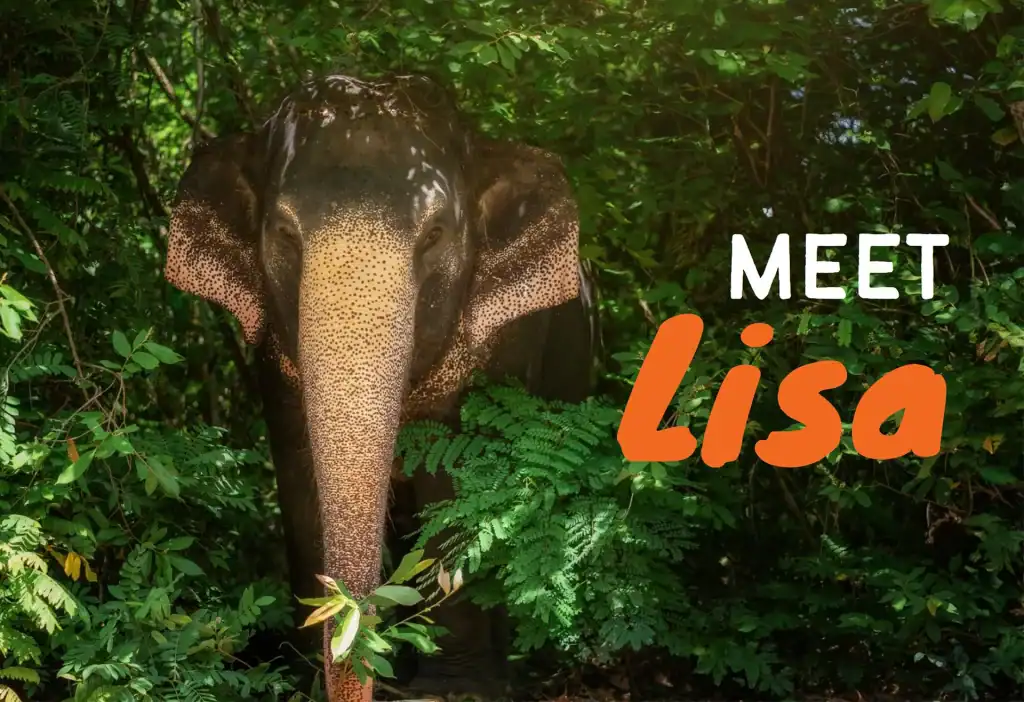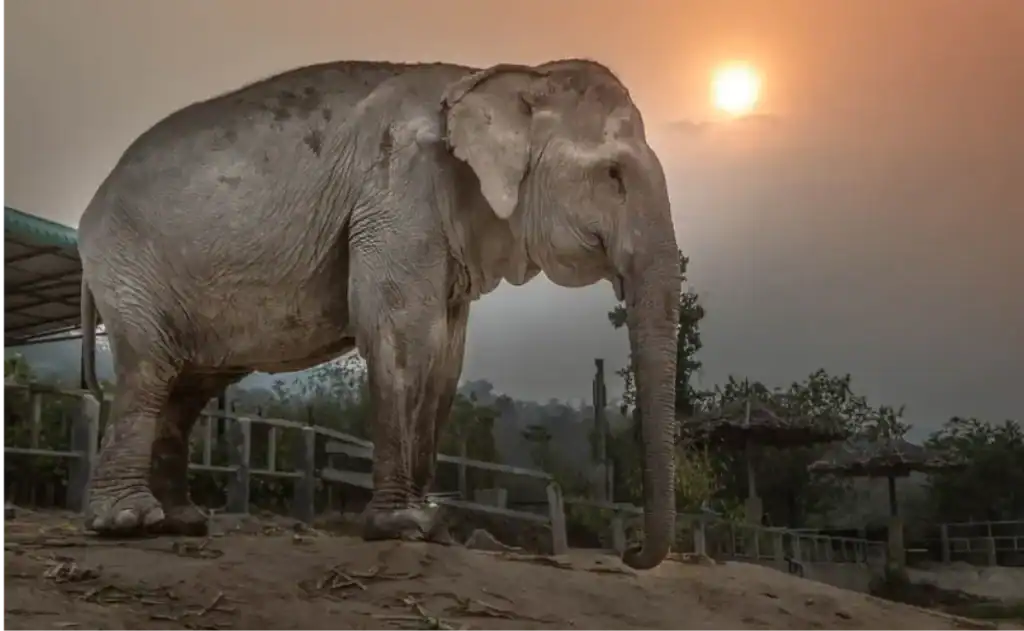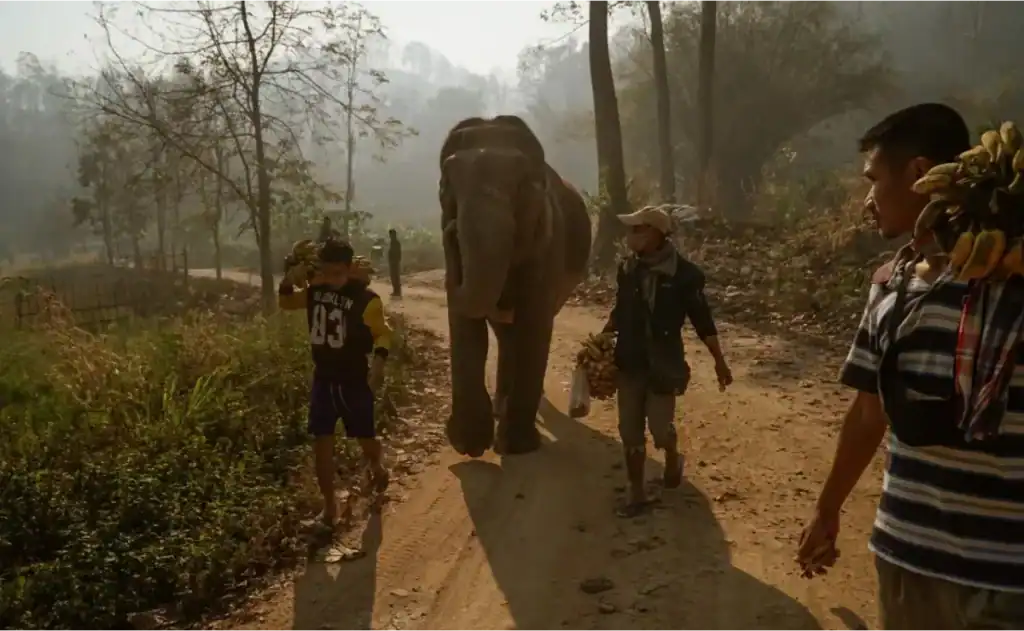
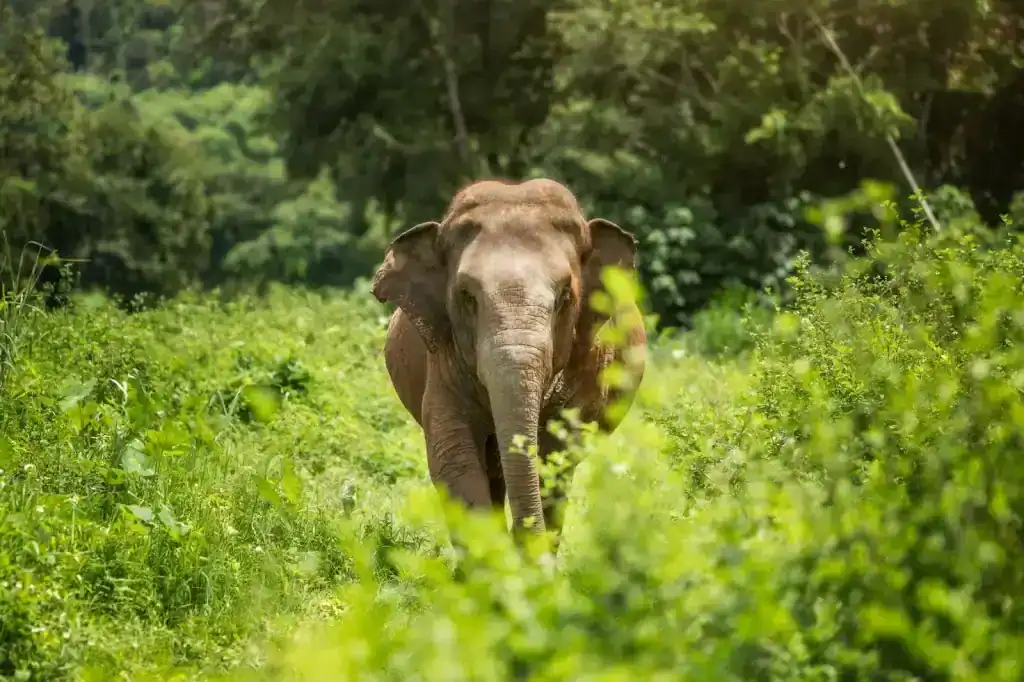
When you visit an elephant sanctuary in Thailand, you might see a large, fibrous pile on the ground that looks like coconut husks. This is elephant dung, and it’s much more than just waste. This “brown gold” is one of nature’s most surprising and useful materials, with benefits for both the environment and local communities.
Each adult elephant in Thailand can produce 300 to 400 pounds of elephant dung every day. From traditional uses to modern eco-friendly innovations, this waste has real value. Whether you’re visiting an elephant camp in Chiang Mai or exploring Khao Sok National Park, these 8 facts will show you why elephant dung is a question with many fascinating answers.
Key Takeaways
- Elephant dung is a surprisingly versatile natural resource, used for everything from traditional mosquito repellent to sustainable building materials.
- Elephant dung acts as a vital organic fertilizer and plays a crucial role in seed dispersal, supporting forest health and biodiversity.
- High-quality paper from elephant dung creates sustainable livelihoods for local Thai communities.
- For centuries, locals have explored the medicinal benefits of drinking elephant dung water or using its ash for various health remedies.
What Is Elephant Dung
What is elephant dung exactly? It is the fibrous and nutrient-rich waste produced by elephants, consisting primarily of undigested plant matter like grass, bark, and fruit. Because elephants only digest about 40% to 50% of what they eat, their droppings are packed with high-quality cellulose and minerals. This is largely determined by What Do Elephants Eat, as their plant-based diet creates the perfect raw material for various uses.
This makes elephant dung a vital natural fertilizer that supports soil health and forest ecosystems. Beyond nature, it is a versatile resource used for Sustainable Tourism products like eco-friendly paper from elephant dung, biogas, and even traditional medicine.
8 Amazing Elephant Dung Facts
Elephant dung is much more than just animal waste; it is a versatile and ecological powerhouse that has supported both nature and human communities for generations. Elephant In Thailand are deeply integrated into the culture, these “natural gifts” are utilized in creative ways that promote environmental health and responsible tourism.
Let’s explore the incredible facts that make elephant dung one of the most useful natural resources in the wild.
1. Natural Mosquito Repellent
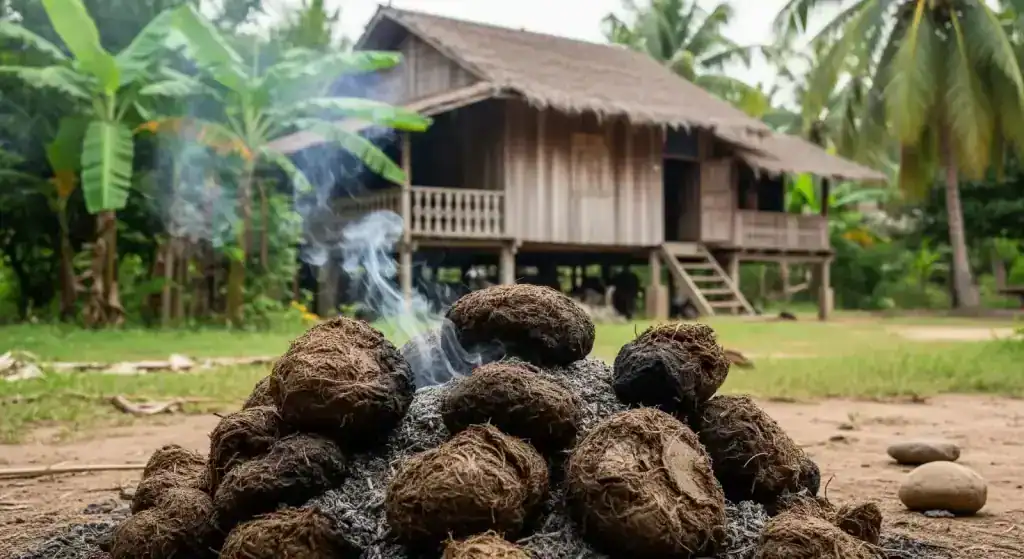
One of the most surprising uses of elephant dung is as a natural mosquito repellent. For centuries, people in Southeast Asia have burned dried dung to create a smoke that keeps mosquitoes away. This works because elephants eat a variety of plants, some of which contain smells that mosquitoes dislike. These scents remain in the dung and are released when it burns. In many parts of northern Thailand, this traditional method is still used to protect homes from mosquito-borne diseases like malaria.
2. Traditional Medicine
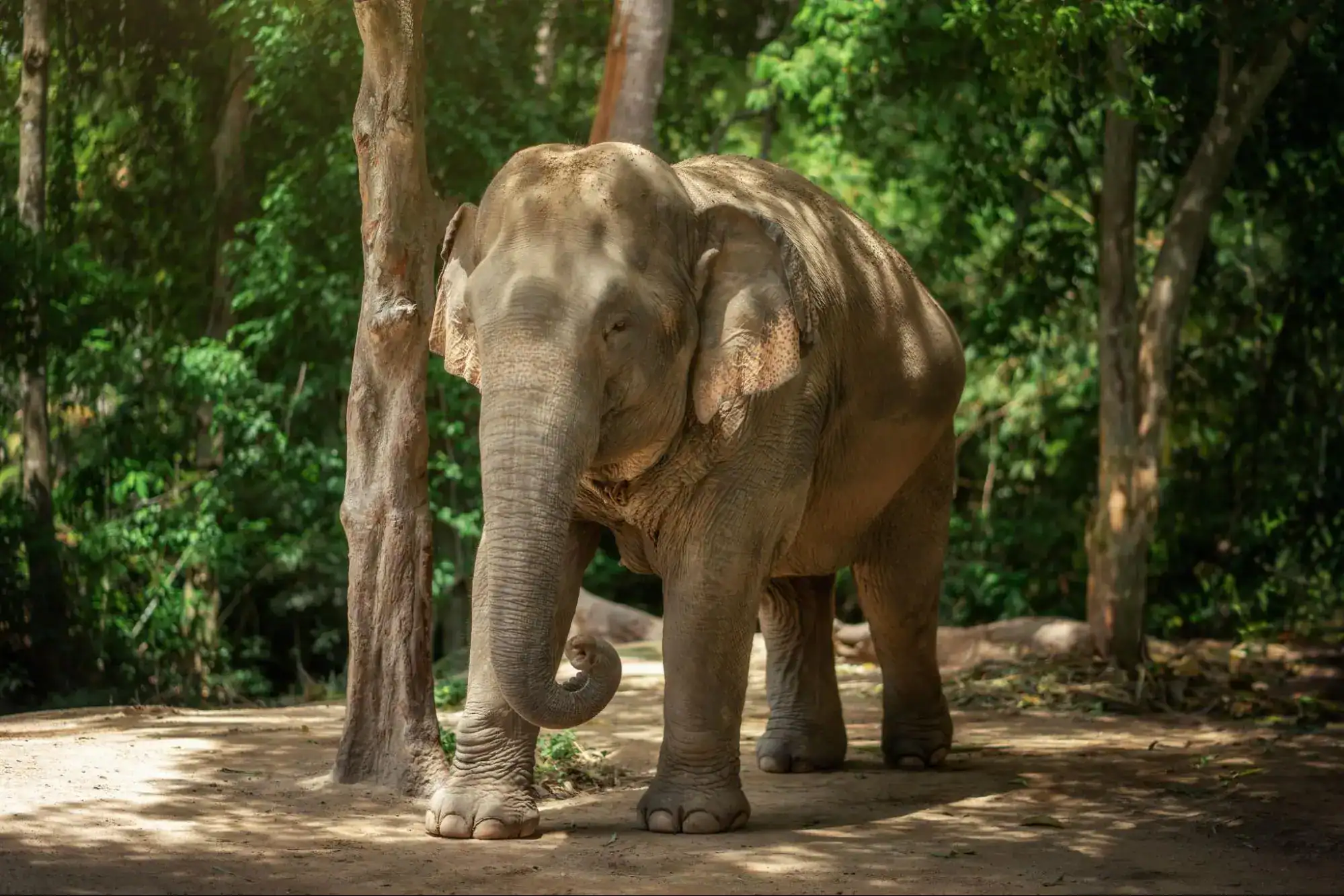
Elephant dung has a long history in traditional medicine across Asia. Since elephants eat many types of healing plants, some cultures believe their dung retains helpful properties. In parts of Thailand, dried elephant dung powder is sometimes used for digestive issues, while some researchers have even looked into the benefits of drinking elephant dung water for specific traditional cures. While modern science is still exploring its benefits, studies have found useful enzymes and bacteria, similar to probiotics, in the dung.
3. Sustainable Building Material
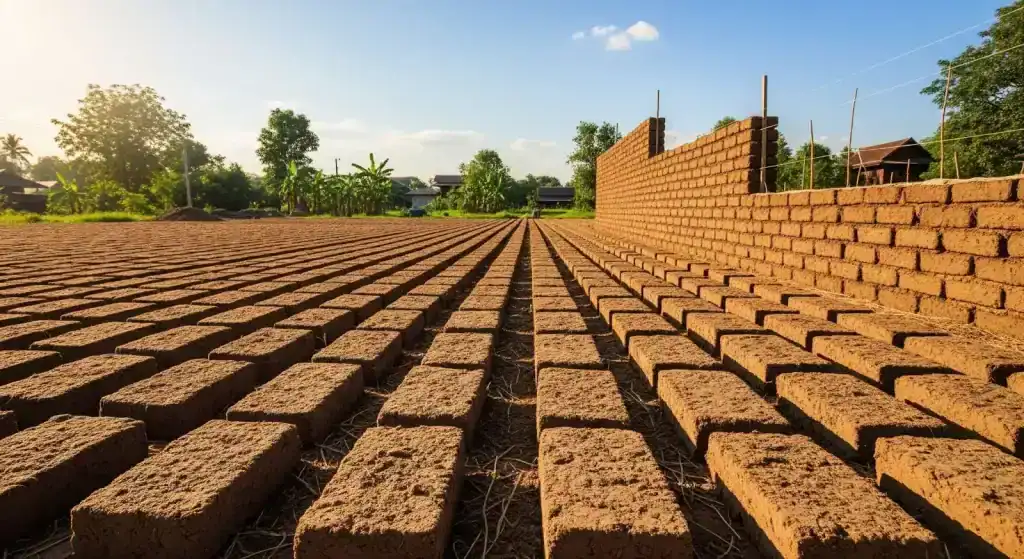
Elephant dung can be a powerful ingredient in sustainable construction. When mixed with clay, sand, and straw, it creates strong, natural bricks that are excellent for insulation. These bricks help keep buildings cool in the day and warm at night. In Thailand, some eco-projects use this mix to reduce waste and create durable, eco-friendly structures with minimal cement. It’s a simple, creative way to turn natural waste into useful materials.
4. Elephant Poo Paper
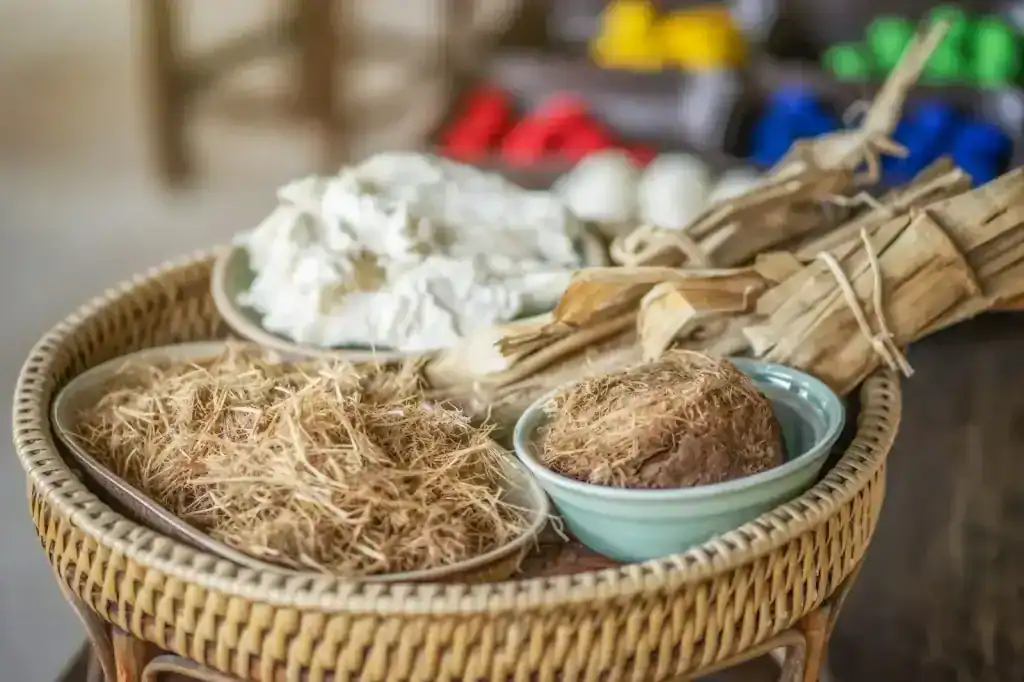
Because of its high plant fiber content, elephant dung is perfect for making eco-friendly paper. The process involves cleaning and boiling the dung, then turning the remaining fibers into a pulp that is pressed into sheets of elephant dung paper.
This handmade paper has a unique texture and is biodegradable. In Thailand, local communities sell it as notebooks, cards, and souvenirs, supporting both conservation and rural livelihoods through community based tourism.
5. Biofuel (Biogas)

Elephant dung is a promising source of clean energy. By placing the dung in a sealed, oxygen-free tank, it naturally produces methane gas, which can be used for cooking or electricity.
A single elephant, given the massive Elephant Weight, can produce enough elephant dung to provide several hours of cooking gas per day. This not only helps reduce waste but also supports eco-friendly practices in tourism and wildlife care.
6. Organic Fertilizer
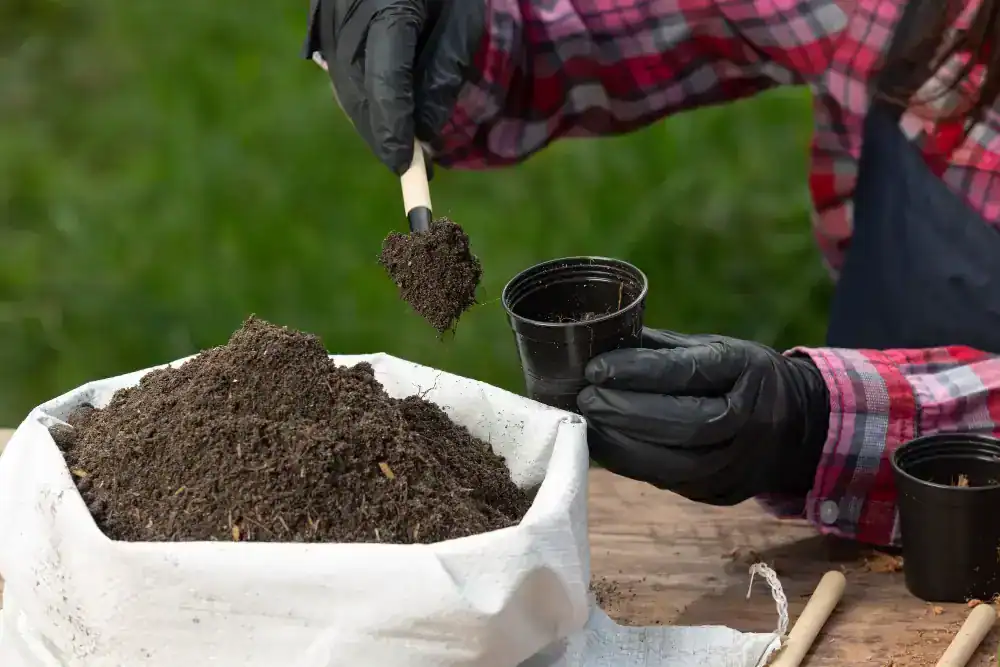
Elephant dung is an excellent organic fertilizer. Since elephants only partially digest their food, their waste is rich in nutrients that help crops grow. It also improves soil structure and helps it retain moisture.
7. Seed Dispersal Champions
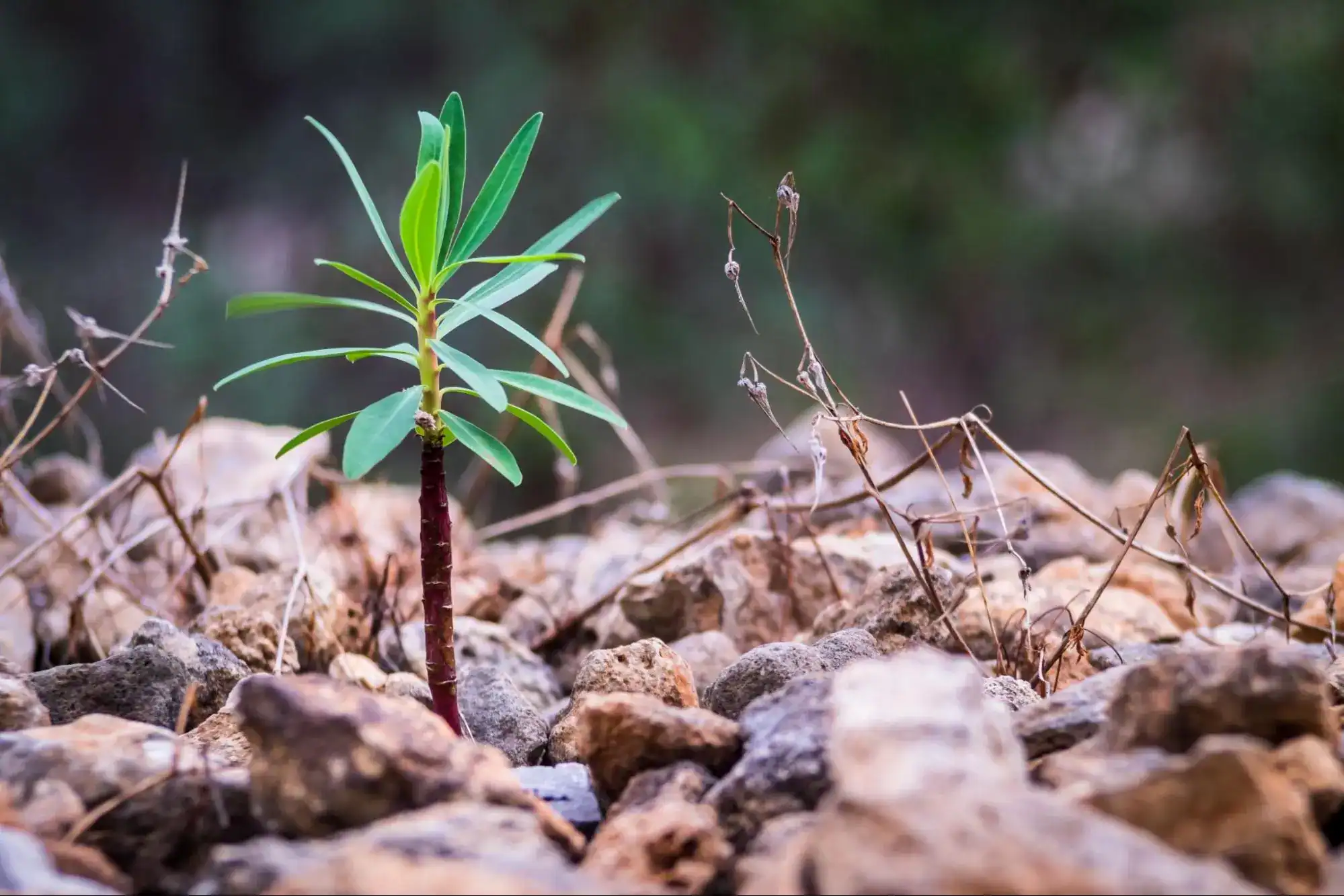
Elephants play a vital role in reforestation by dispersing seeds through their elephant dung. Many seeds pass through their digestive systems unharmed, emerging in the dung with a ready-made pile of natural fertilizer. Because elephants roam over long distances, they help distribute these seeds across wide areas, aiding the growth of new plants. This process is essential for maintaining healthy forest ecosystems, especially in areas that have been degraded.
8. A Natural Food Source for Animals
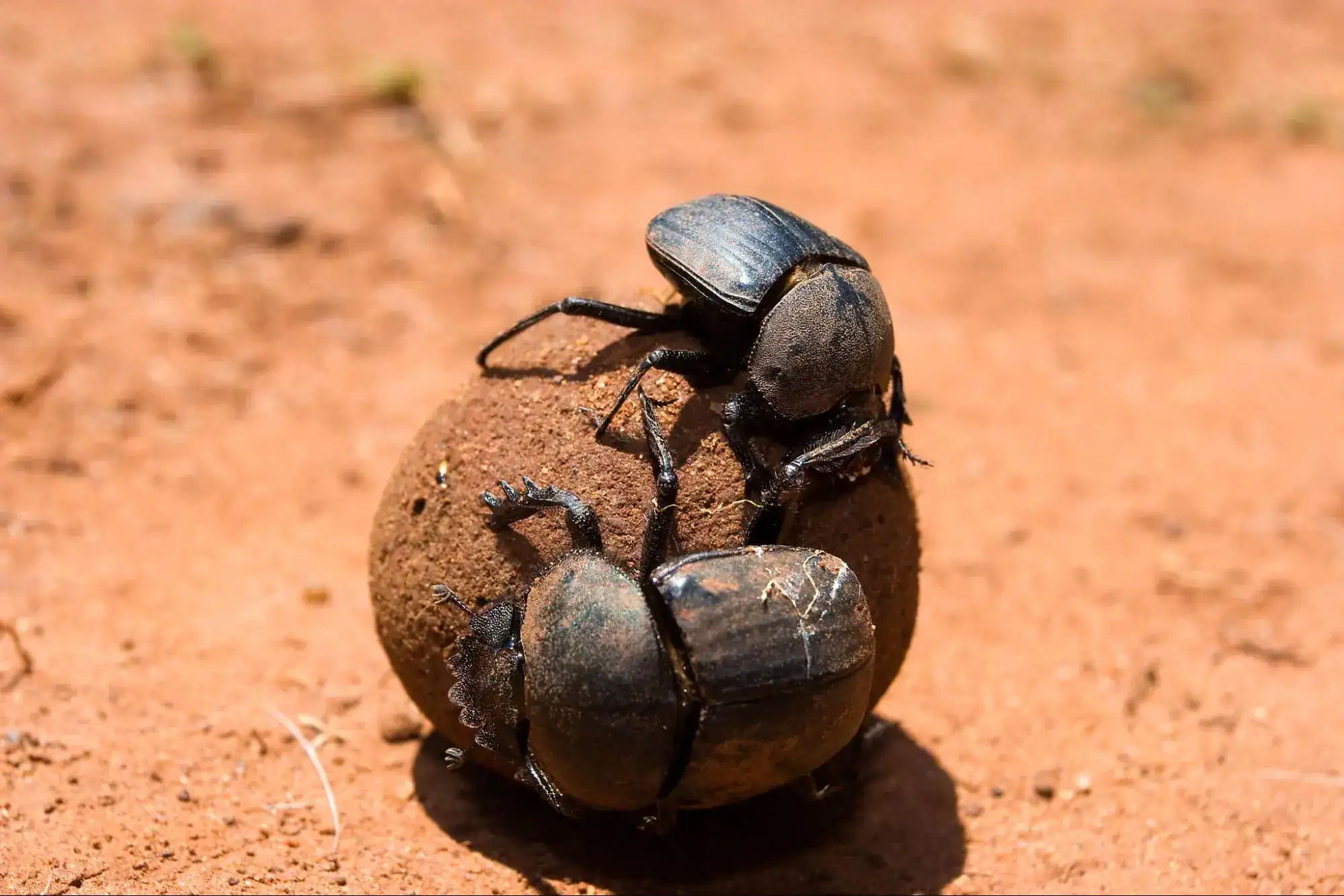
Beyond its many practical uses for humans, elephant dung is a critical component of the natural ecosystem. As elephants move through forests, they drop their dung, which acts as a rich, organic fertilizer. This not only nourishes the soil but also supports a wide variety of insects, fungi, and other organisms that rely on it for food and shelter.
Dung beetles, for example, play a vital role in cleaning up the forest floor by burying elephant dung, which helps to aerate the soil and disperse seeds. This entire process is a perfect example of a natural cycle, showing how elephants are not just residents of the forest but active architects of its health and biodiversity.
Frequently Asked Questions (FAQs)
Does elephant dung paper have a bad smell?
No, elephant dung paper does not smell at all. During the production process, the dung is thoroughly cleaned and boiled at high temperatures for several hours to eliminate bacteria and any odors. The result is a clean, scent-free, and high-quality fiber that feels like natural handmade paper.
Is elephant dung product safe?
Yes, it is completely safe. Whether it is paper made from elephant dung or organic fertilizer, the material undergoes a rigorous sanitation process. Boiling and drying in the sun ensure that all products are hygienic and safe for everyday use, making it a perfect example of Sustainable Tourism.
Elephant Dung And Its Ecological And Economic Value
Elephant dung, far from being mere waste, is a powerful natural resource with incredible ecological and economic value. Its rich fibrous content and nutrient profile enable its use as an organic fertilizer, a source of biofuel, and a raw material for sustainable paper made from elephant dung. This remarkable byproduct highlights nature’s efficiency and offers numerous benefits, from supporting forest ecosystems through seed dispersal to fostering innovative local industries.
At Elephant Jungle Sanctuary (EJS), we deeply understand the value of elephants and their impact on the environment. While our primary focus is on providing an Ethical Elephant experience and a loving home for our rescued animals, we also recognize the potential for sustainable practices.
By prioritizing Elephant Welfare, we educate visitors on the broader ecological benefits of elephants and how their elephant dung contributes to a healthy ecosystem, inspiring a deeper appreciation for these magnificent creatures and a more sustainable future.
Elephant Jungle Sanctuary (EJS), our Ethical Elephant Sanctuary has several locations across Thailand, you can visit us at