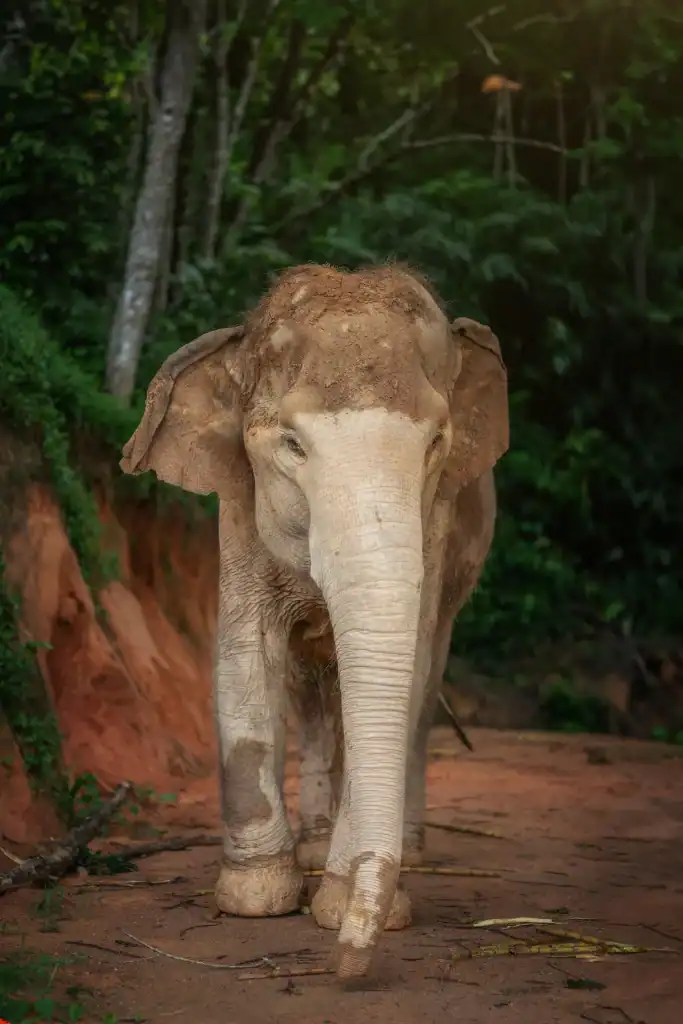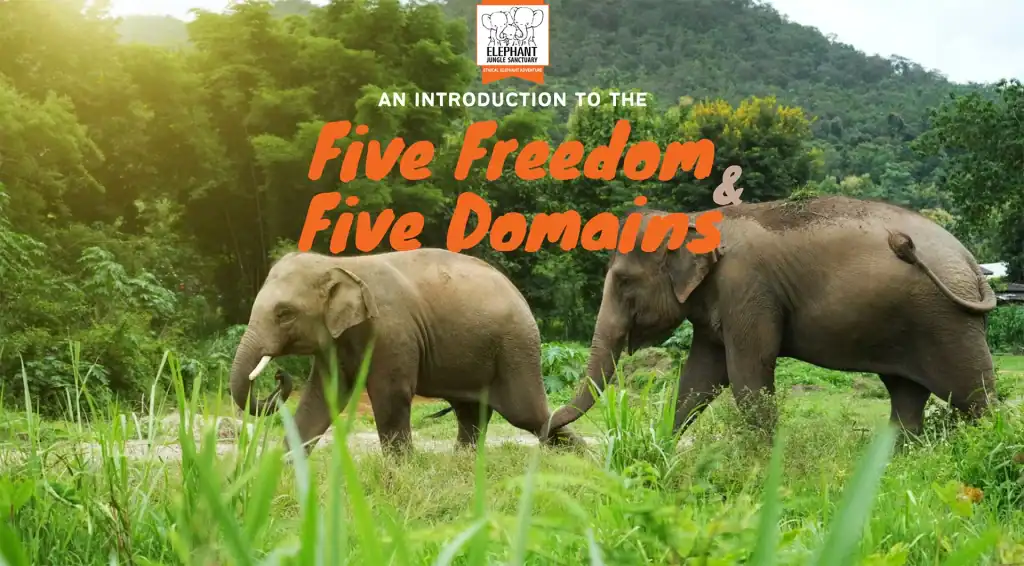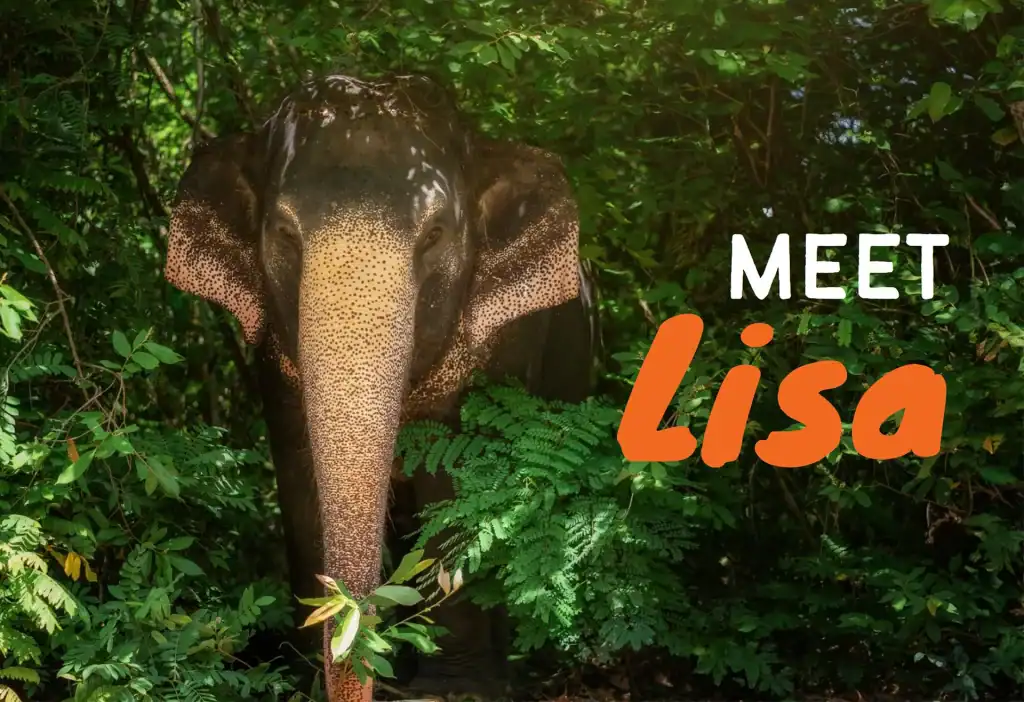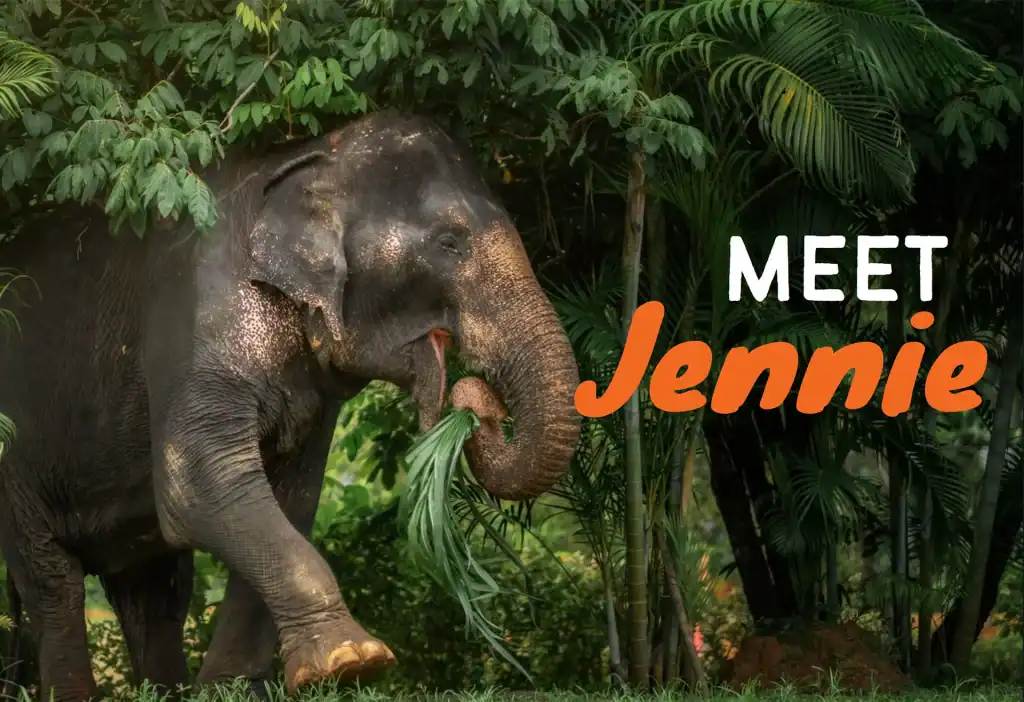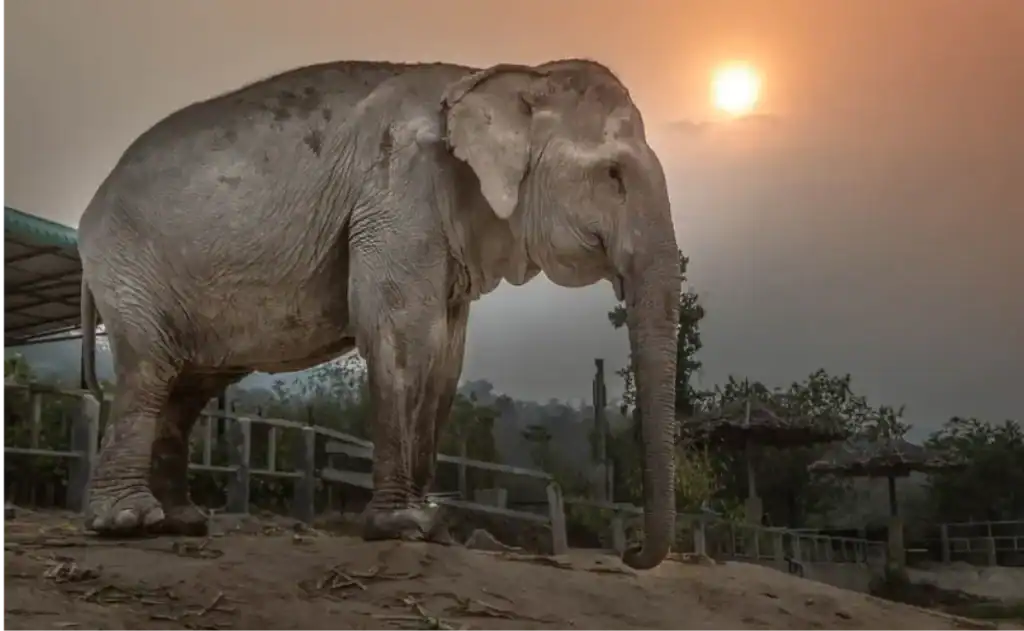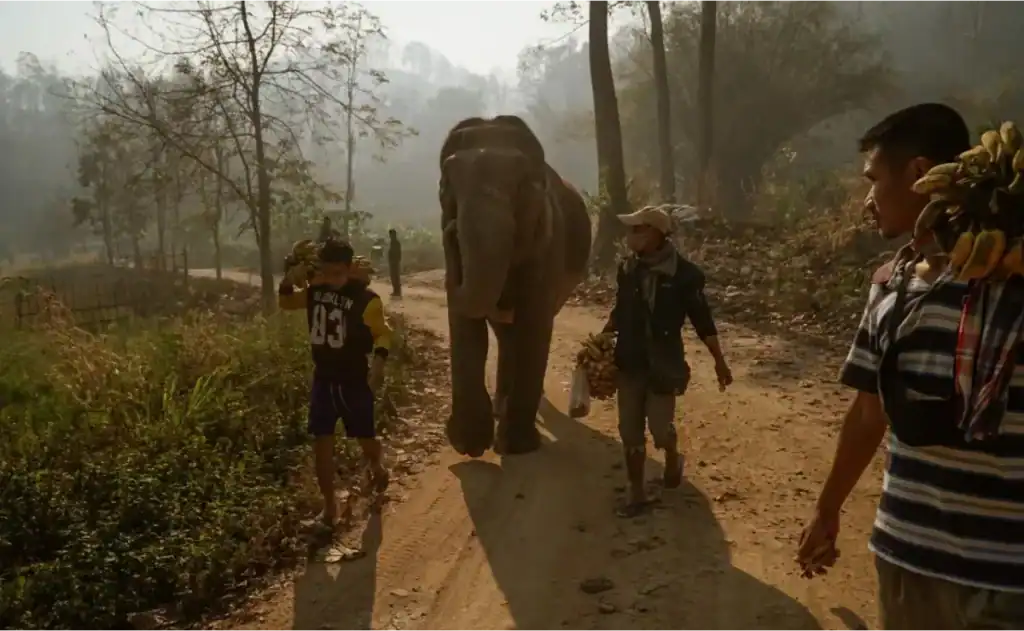
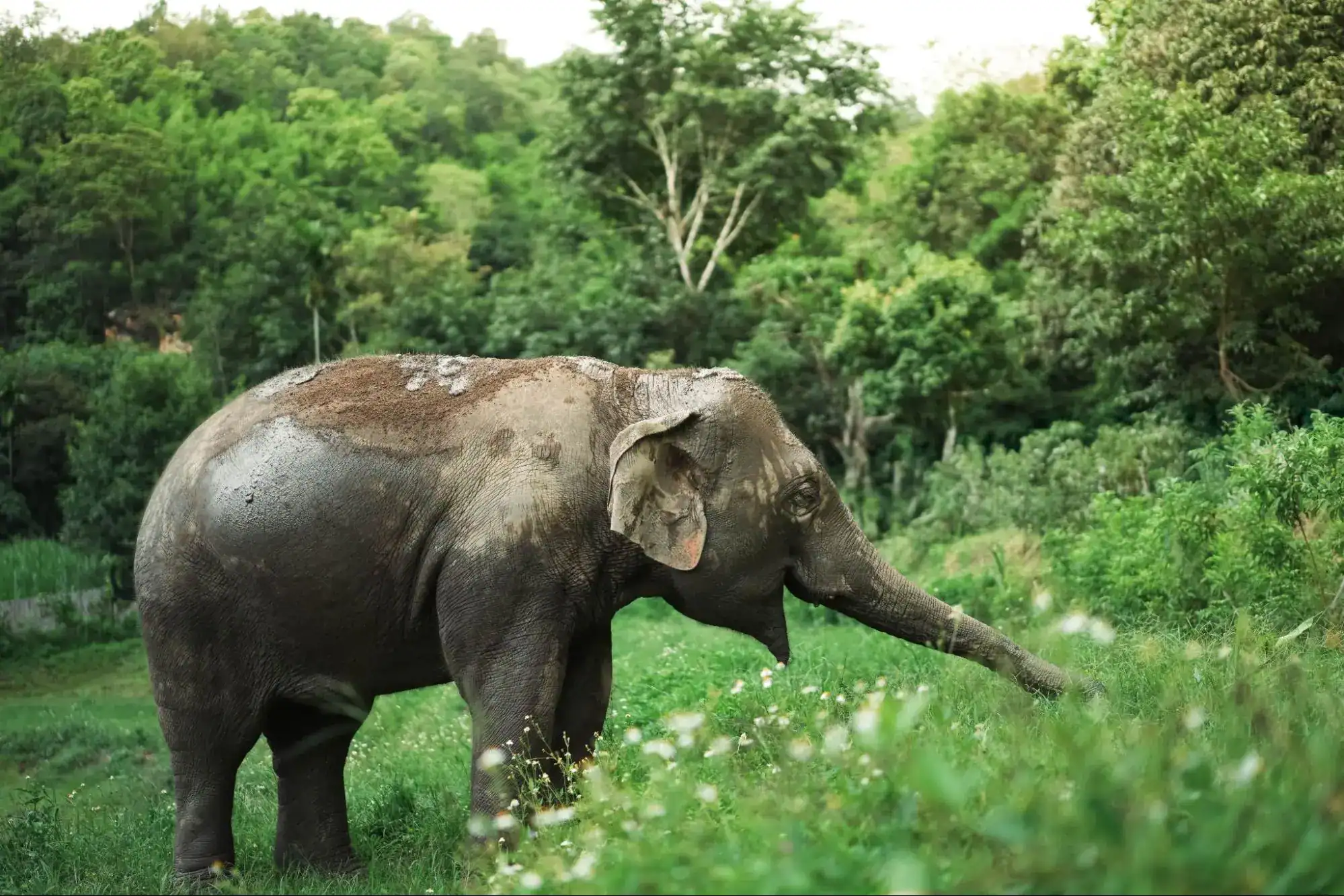
Elephant welfare is a deeply important issue in Thailand, evolving from a history of heavy labor to modern conservation. Today, the focus has shifted toward creating sustainable environments where these majestic animals can thrive.
By understanding the challenges and supporting elephant sanctuary Thailand practices, we can ensure a bright future for these creatures. This guide explores how responsible tourism helps provide the high-quality care and respect elephants truly deserve.
Key Takeaways
- Thailand has moved from the logging industry to elephant welfare focused tourism, ensuring elephants receive the 200kg of daily food they need through sustainable funding.
- Modern sanctuaries provide spacious environments where elephants can roam, socialize, and express natural instincts.
- Successful elephant welfare models involve hiring local staff and sourcing food from nearby farmers, creating a strong network that benefits both humans and animals.
Current Elephant Welfare in Thailand
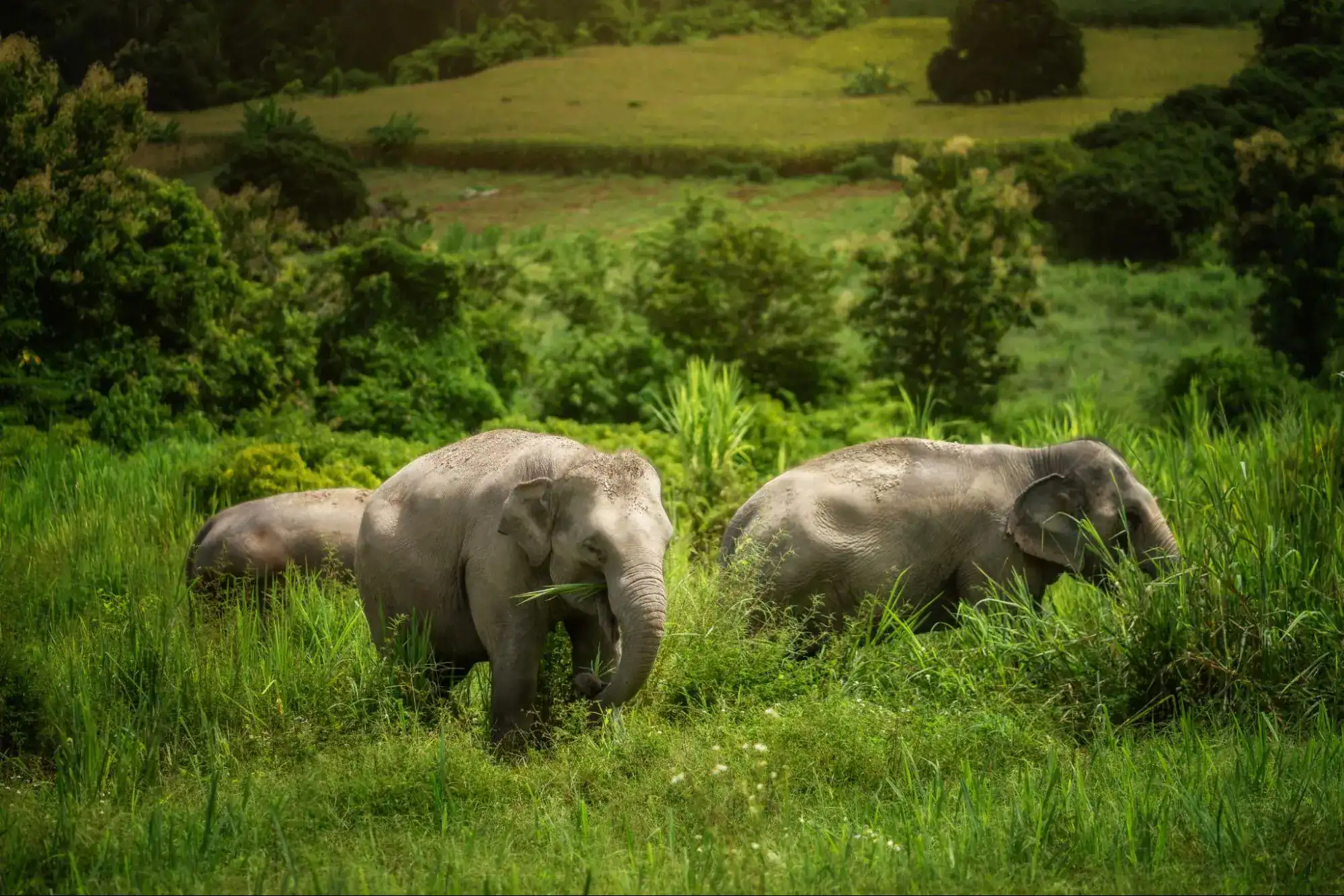
For a long time, elephant in Thailand were mainly used for heavy labor in the logging industry. However, the government legally banned this type of work in 1989. Since an adult elephant needs to eat over 200kg of food every day, owners had to find new ways to support them. This caused a major shift toward the tourism industry.
Currently, the goal is to provide these National Animal Of Thailand with a safe and healthy environment. Many modern sanctuaries focus on high elephant welfare standards, allowing elephants to express their natural behaviors freely. This approach protects the health of these magnificent creatures while educating visitors. By choosing responsible tourism, we can ensure a better and more sustainable future for Thailand’s elephants.
Causes and Solutions Elephant Welfare in Thailand
Improving the lives of Thailand elephants is a complex challenge. Despite many efforts, several deep-rooted issues continue to prevent significant progress in overall elephant welfare. These problems range from historical changes in labor to the high costs of daily care, which often force owners to prioritize profit over the health of the animals.
- Lack of Natural Habitat: High rates of deforestation and land development have left very little space for elephants to live and forage freely in the wild.
- Financial Burden: An adult elephant needs over 200kg of food daily. Without steady income from tourism, owners cannot afford the high costs of food and medical care.
- Transition from Labor: Since the 1989 logging ban, many elephants and their owners have struggled to find stable ways to fund their daily needs.
- Economic Pressures: Maintaining a healthy environment requires a steady income, which can be difficult to manage without a high volume of visitors throughout the year.
From the perspective of Elephant Jungle Sanctuary (EJS), the solution lies in a sustainable “Eco-Tourism” model. We believe in providing a safe haven where elephants can live peacefully while receiving the best care possible.
- Discover the secrets of elephant tusks! Learn how these amazing ivory tools help elephants survive and why protecting them is vital for the species’ future : [Elephant Tusk]
Elephant Tourism and Elephant Welfare in Thailand
Elephant sanctuary in Thailand tourism is the primary source of funding for the care of thousands of captive elephants in Thailand. This income is essential for providing over 200kg of daily food and necessary medical treatments. However, managing large numbers of visitors while maintaining the highest elephant welfare standards remains a complex challenge. Balancing the needs of the animals with the expectations of tourists requires constant care and careful planning.
Ethical sanctuaries help address these challenges by creating environments that focus on the elephants’ natural rhythms. In these spaces, elephants spend their time eating, elephant bathing, and socializing under the guidance of expert guides and mahouts.
Responsible Tourism and Elephant Welfare in Thailand
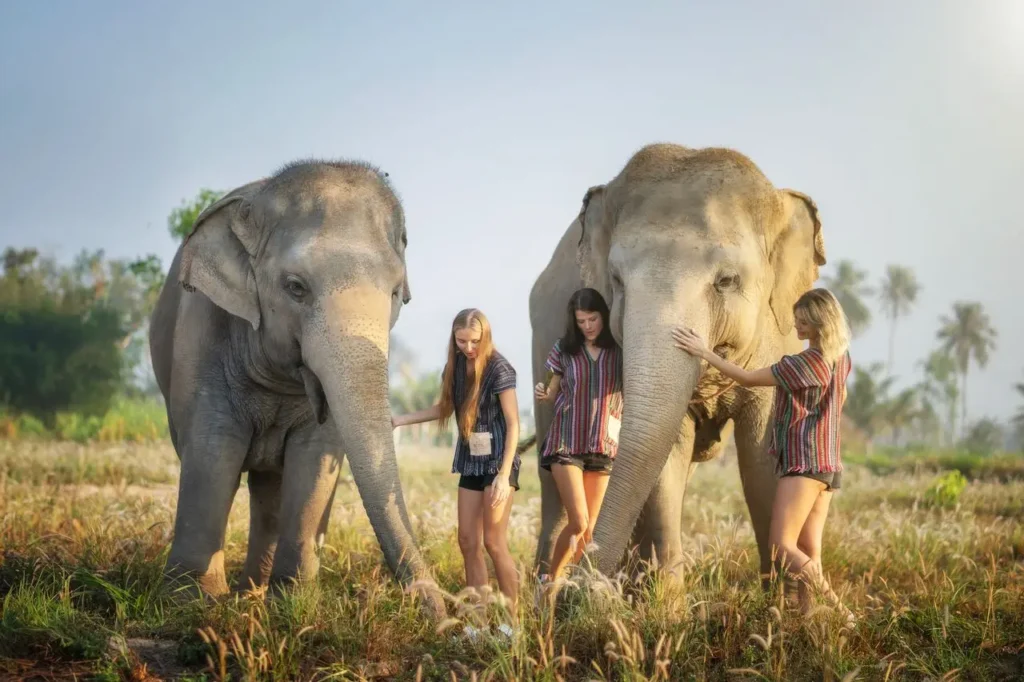
Many sanctuaries are now embracing responsible tourism by focusing on the physical and emotional needs of the animals. At places like Elephant Jungle Sanctuary (EJS), this involves “hands-on” interactions that are carefully managed by expert guides and mahouts. Guests can participate in activities like joining the elephants for a mud spa, ensuring that every interaction is safe, respectful, and educational for everyone involved.
These activities are always based on the elephant’s own choice and comfort level. If an elephant decides to move away, they are free to do so, ensuring they never feel pressured. This approach greatly improves elephant welfare by reducing stress and promoting a positive bond between humans and animals.
- Ever wondered how an elephant eats 200kg daily? Explore their massive diet and learn how we provide the nutrition these gentle giants need to thrive. : [What Do Elephants Eat?]
How to Improve Elephant Welfare in Thailand?
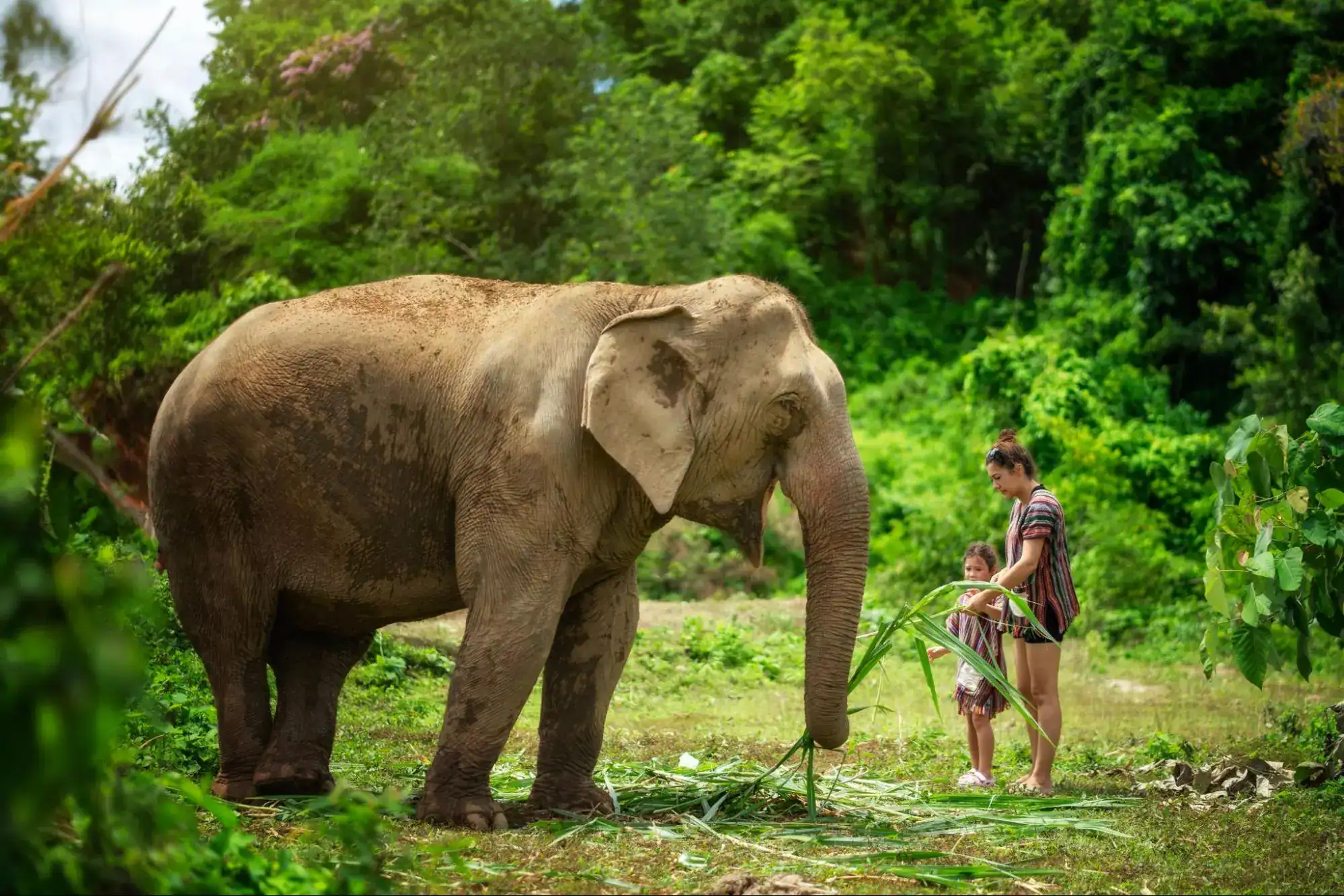
Are elephant sanctuaries in Thailand ethical? Yes! At Elephant Jungle Sanctuary (EJS), we are an Ethical Elephant Sanctuary that improves elephant welfare by providing a sustainable environment focused on health and dignity. Our model prioritizes natural living, expert care, and meaningful community involvement.
- Promoting Natural Behavior: We provide spacious environments where elephants can roam, socialize, and play in mud pits just as they would in the wild.
- Expert Veterinary Care: Every elephant is regularly monitored by specialist veterinarians, skilled mahouts and professionals to ensure they remain healthy and receive immediate medical attention.
- Ethical Interaction Models: We offer “hands-on” experiences like feeding and preparing supplements, which are always guided by experts and based on the elephant’s comfort.
- Community-Led Conservation: By employing local people and sourcing food from nearby farmers, we create a supportive network that benefits both the animals and the community.
- Educational Outreach: We focus on teaching visitors about elephant biology and conservation, helping to spread awareness and build a better future for all Thai elephants.
Experience the beauty of these gentle giants firsthand by visiting our various locations across the country. Each site follows the same high elephant welfare standards, ensuring a respectful and educational adventure for every visitor.
- Ethical Elephant Sanctuary Chiang Mai : Our original elephant conservation Thailand, set in the lush northern mountains.
- Ethical Elephant Sanctuary Pattaya : A peaceful haven located just a short distance from the city.
- Ethical Elephant Sanctuary Koh Samui : A beautiful island retreat focused on elephant care and conservation.
- Ethical Elephant Sanctuary Phuket : Elephant experience Phuket, A tropical sanctuary providing a safe forest home for rescued elephants.
How Can Tourists Help in Improving Elephant Welfare in Thailand?
Tourists play a vital role in supporting elephant welfare through their travel choices. By choosing to visit ethical elephant sanctuaries, you provide the necessary funds for food, medical care, and land. Your support helps create a sustainable future where these animals can live with dignity and receive the love they deserve in a natural environment.
- Choose Responsible Sanctuaries: Research and visit venues that prioritize the elephants’ health and natural behaviors.
- Support Local Communities: Visit sanctuaries that employ local mahouts and buy food from nearby farmers (following Community Based Tourism guideline), as this strengthens the support system for the animals.
- Donate to Conservation: Contribute to projects that focus on habitat restoration, such as tree planting, which helps both domestic and wild elephant populations.
- Respect Natural Boundaries: Follow the guidance of expert guides and mahouts during your visit to ensure that all interactions remain safe and comfortable for the elephants.
- Elephants are Thailand’s sacred symbols. Explore the deep, historic bond between Thailand and elephants and why they remain icons of our nation. [Thai Culture]
Frequently Asked Questions (FAQs)
What is the biggest threat to wild elephant populations in Thailand?
Habitat loss and fragmentation are the most severe threats. As forests disappear for farming, elephants often enter villages for food. This causes human-elephant conflict, which can harm both parties. To help, organizations are building wildlife corridors and fences to promote a safe and peaceful coexistence.
How can I be an “elephant-friendly” tourist in Thailand?
You can support elephant welfare by making conscious choices:
- Choose Ethical Interaction: Visit sanctuaries that offer ethical “hands-on” activities. Ensure that elephants can choose whether to participate and that professional experts supervise every interaction for safety.
- Support Local Conservation: Donate to or visit centers that actively lead reforestation projects or help reduce human-elephant conflicts.
- Educate Yourself: Learn about proper behaviors, such as avoiding loud noises and respecting the animal’s space. Understanding their needs helps you become a more responsible and respectful traveler.
Be Part of The Future of Elephant Welfare at Elephant Jungle Sanctuary
Improving elephant welfare in Thailand is a collective journey involving conservation, community support, and education. While the transition from labor-intensive industries has been challenging, the rise of responsible and responsible tourism offers a sustainable path forward. By prioritizing the biological and emotional needs of these majestic animals, we can ensure they live healthy lives. Your conscious travel choices directly fund their care, protecting Thailand’s cultural icons for future generations.
At Elephant Jungle Sanctuary, we are one of the best elephant sanctuaries in Thailand that turn these elephant welfare principles into reality. Our sanctuaries across Thailand provide a safe haven where elephants enjoy freedom, natural socialization, and expert care. By joining our hands-on programs, you support a model that respects the elephant’s choice and empowers local communities. We invite you to experience a meaningful connection with our gentle giants and help us build a brighter, more ethical future together.