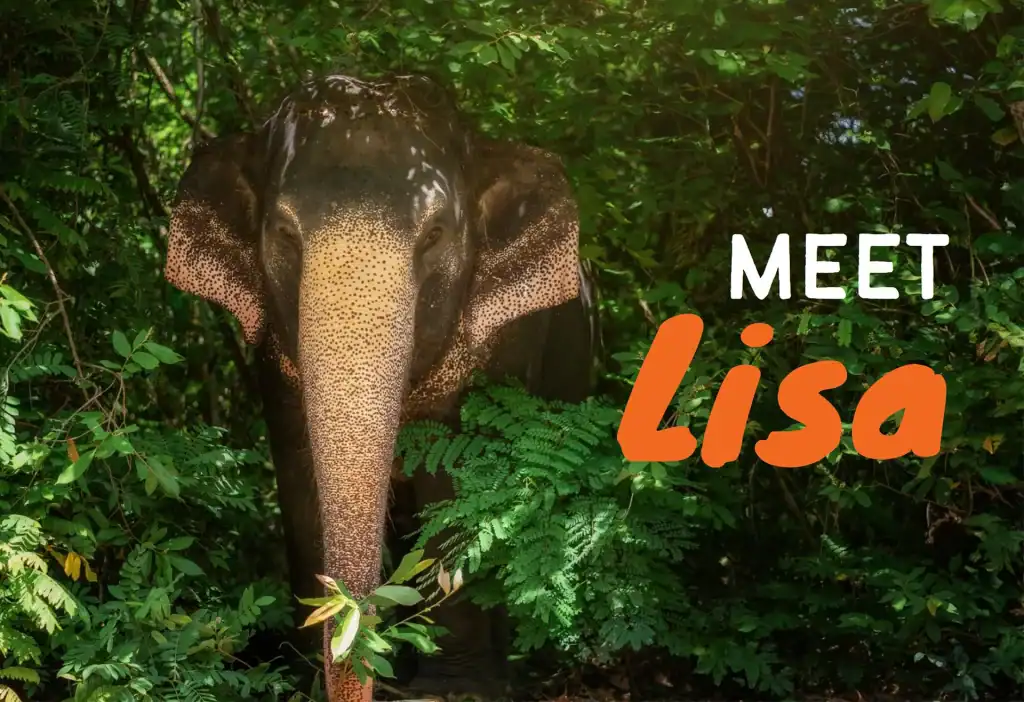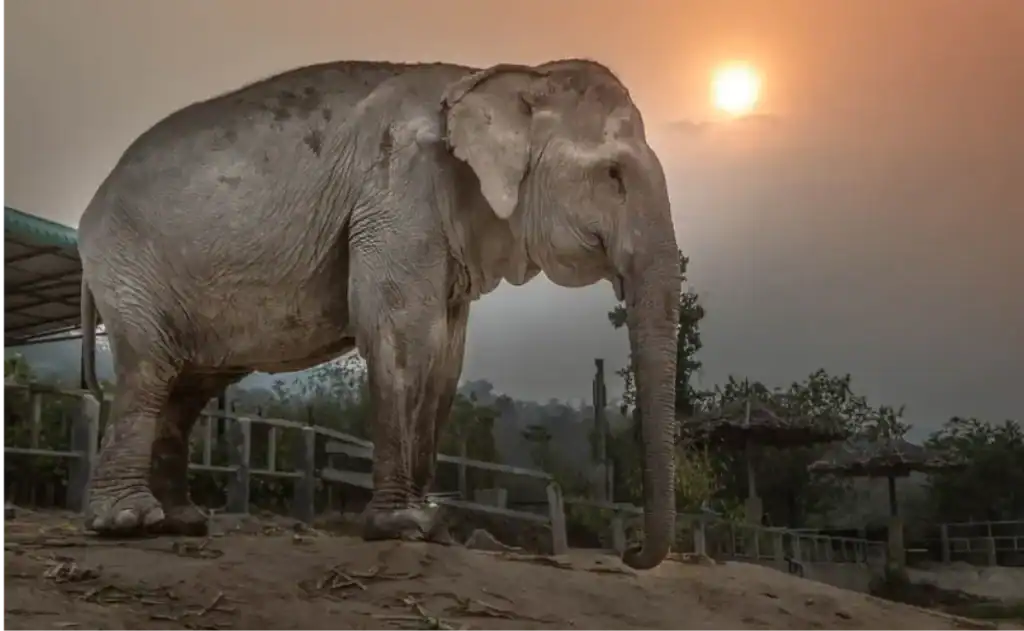
The Asian elephant is much more than just a large mammal but it is a cultural icon and a vital architect of the forest. Understanding these Asian elephants, from their unique subspecies to their complex social behaviors, is essential for their survival.
This article explores the fascinating life of the Asian elephant, the challenges they face as an endangered species, and the dedicated efforts being made to ensure they remain a thriving part of our world.
Key Takeaways
- The Asian elephant is uniquely different from its African elephants, featuring smaller ears, a twin-domed head, and a single “finger” on its trunk.
- These elephants live in matriarchal herds, relying on the wisdom of the oldest female to lead them to food, water, and safety.
- Asian elephants are classified as endangered, Asian elephants face threats from habitat loss, making dedicated conservation and research efforts more important than ever before.
Introduction to the Asian Elephant
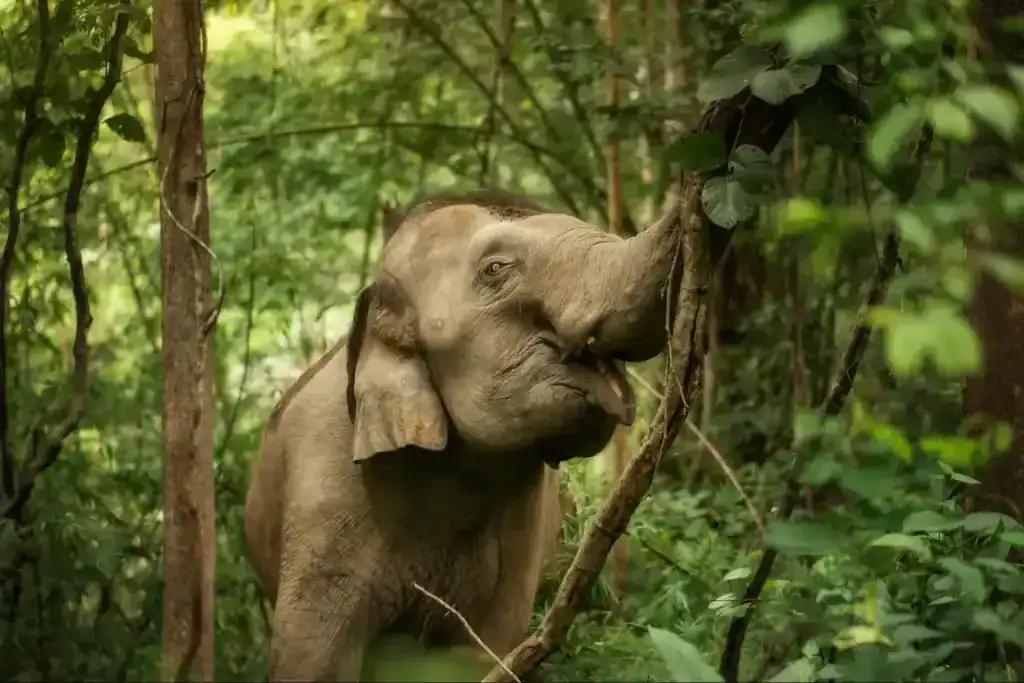
Asian elephants are divided into 4 different subspecies: the Indian elephant (Elephas maximus indicus), the Sri Lankan elephant (Elephas maximus maximus), the Sumatran elephant (Elephas maximus sumatranus), and the Borneo elephant (Elephas maximus borneensis). While Asian elephant vs African elephant share many similarities, they are a distinct species that also live in different habitats.
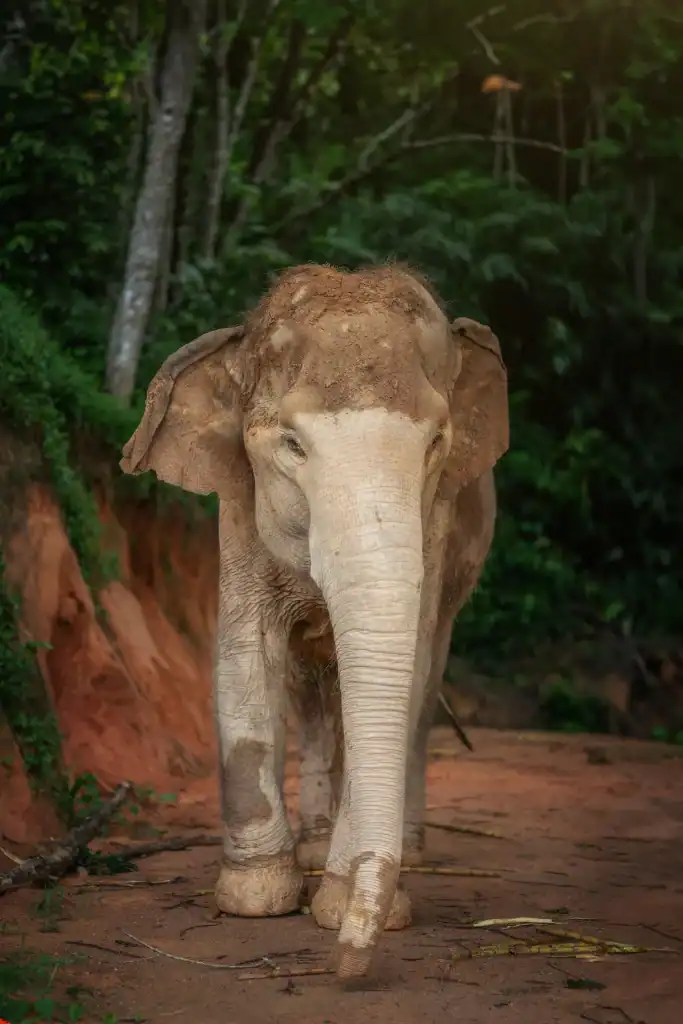
One of the most notable differences between African elephants vs Asian elephants is their size; Asian elephants are generally smaller and have smaller ears that are shaped like the Indian subcontinent. They also have a different number of toes and a single “finger” on the tip of their trunk, which they use for fine manipulation. They are a vital part of their habitat, creating pathways, dispersing seeds, and fertilizing the soil, which in turn supports countless other species.
- See the latest count of elephants living in the wild today : How Many Elephants Are Left In The World
Physical Characteristics and Behavior
These impressive animals can weigh up to 6 tons and live for an average of 60 years in the wild. A key feature of Asian elephants is Elephant Trunk, a versatile tool used for breathing, smelling, drinking, and grasping. Their skin is thick and wrinkled, helping them to retain moisture and stay cool.
Asian elephants are highly social animals, living in herds led by a matriarch, which is typically the oldest female. These family groups of elephants are crucial for raising their young and teaching them essential survival skills. They communicate through a complex system of rumbles, trumpets, and body language.
- The world’s longest pregnancy! Learn how a baby elephant develops over twenty-two amazing months : Elephant Gestation Period
Habitat and Geographic Range
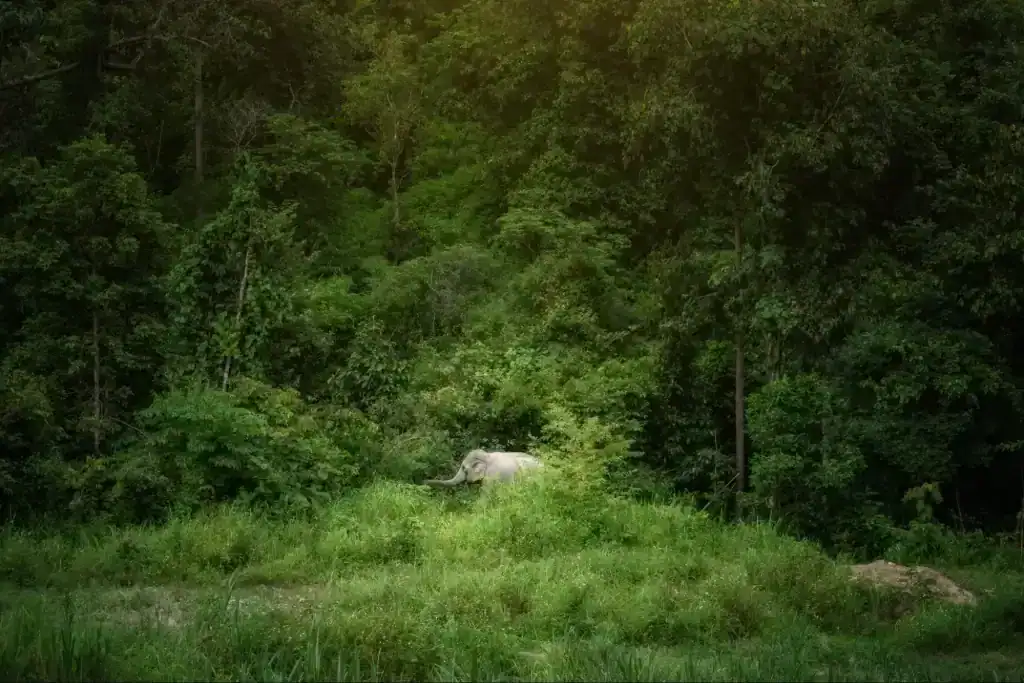
Historically, Asian elephants ranged across most Animals in Asia, but today their habitat is fragmented. They are primarily found in forests and grasslands across 13 countries, including Thailand, Nepal, Bangladesh, India, Sri Lanka, Myanmar, Laos, Cambodia, Malaysia, and Sumatra.
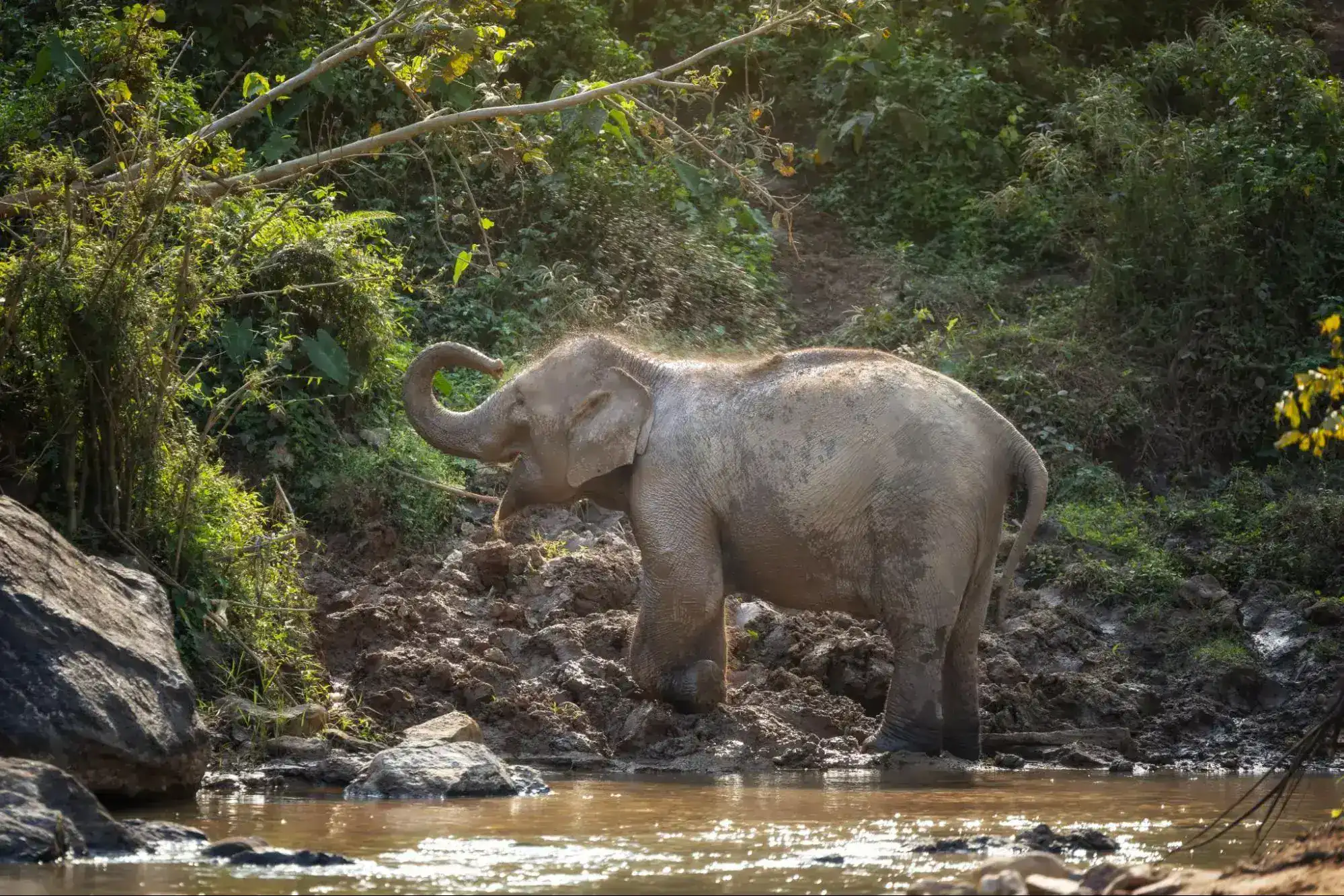
These environments provide the lush vegetation they need to graze on, as well as access to water for drinking and Elephant Bathing. However, habitat loss and fragmentation due to human activity remain a significant threat to their survival.
- Learn more about elephant dietary and interesting facts about their diets : What do elephants eat
Conservation Efforts and Success Stories
Asian elephants are classified as endangered by the IUCN Red List, which underscores the urgency of conservation efforts. In Thailand, a significant amount of research and work is being done to address threats to Elephant in Thailand conservation. One of the most impactful missions is the successful increase of the wild population, which is growing by 7-8 percent annually (Wipatayotin, 2024).
While this is a major success, it also increases the challenge of human-elephant conflict due to deforestation. Many government departments and local organizations are working together to protect these magnificent creatures.
Successful conservation, in both the wild and in tourism, comes from a deep understanding of science, history, tradition, and culture. Elephant Jungle Sanctuary (EJS) provides visitors with a great opportunity to gain this insight, offering a comprehensive look into Elephant Welfare and the collaborative conservation efforts needed for these giants.
- Explore the playful world of a baby elephant and their life in the herd : Baby Elephant
How EJS (Elephant Jungle Sanctuary) Supports Ethical Elephant Care
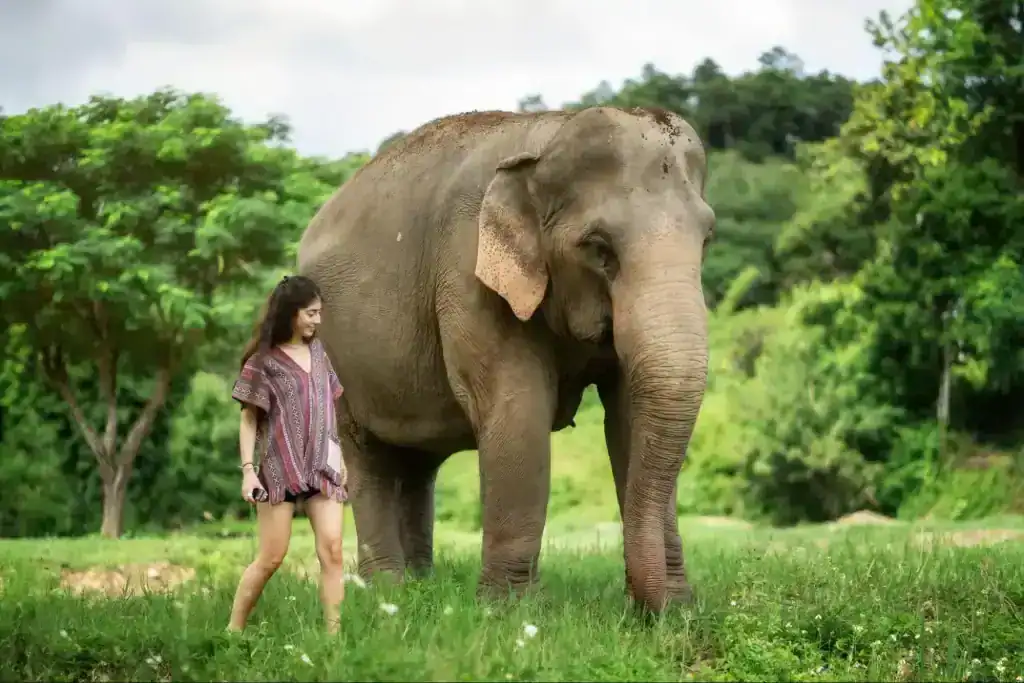
The Elephant Jungle Sanctuary (EJS), we are an Ethical Elephant Sanctuary that is dedicated to providing a safe and permanent home where Asian elephants can express their natural behaviors and receive the best possible care. EJS believes that by blending modern and traditional elephant care, they can create long-term innovation in elephant health and well-being.
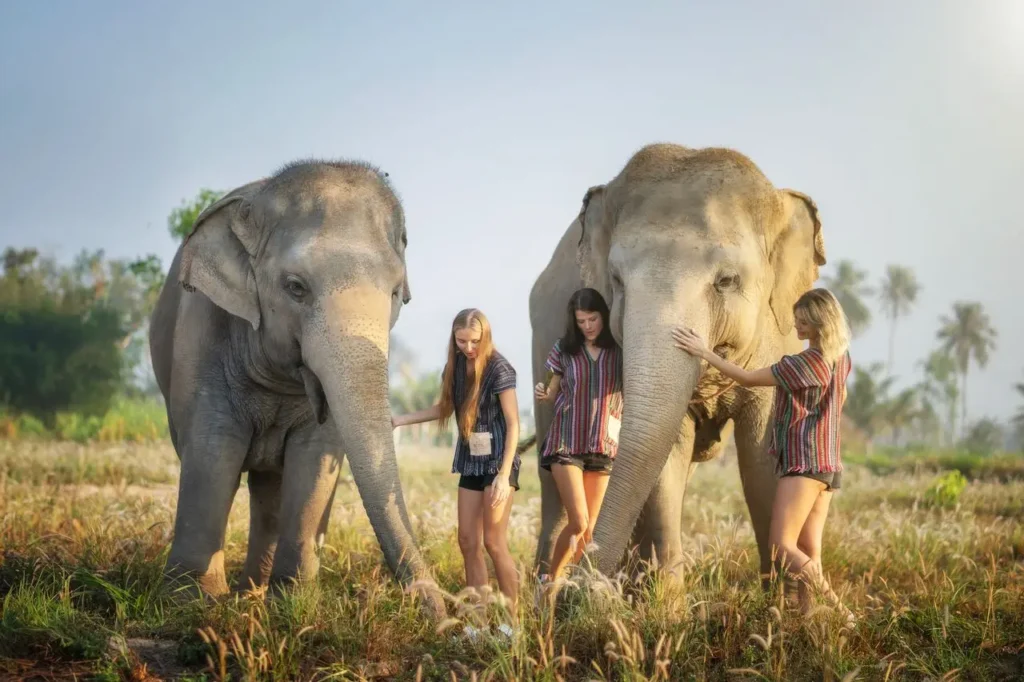
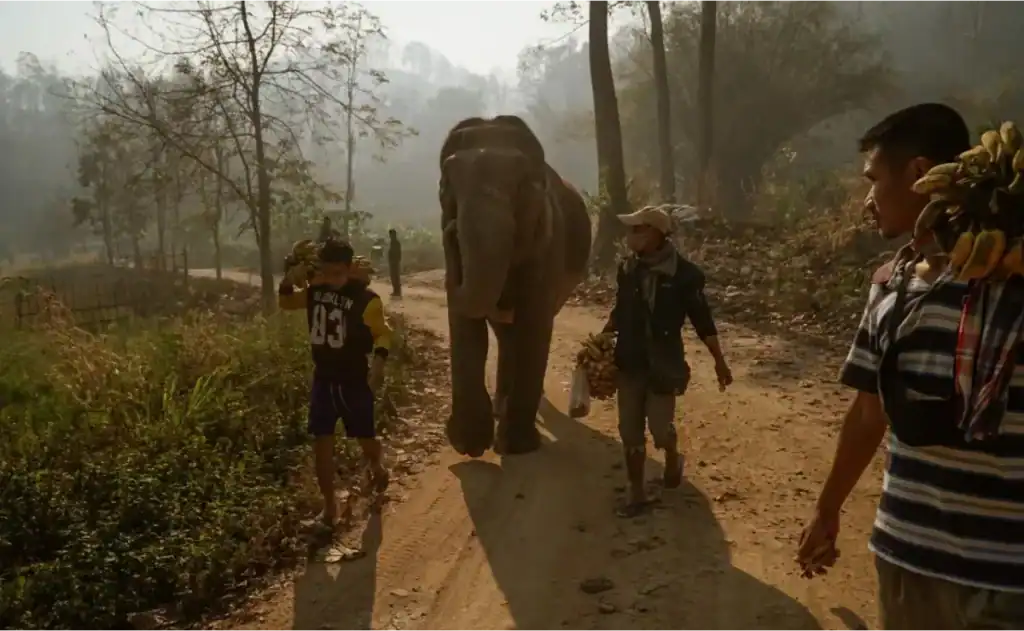
At the sanctuary, you’ll witness the strong bond between the elephants and their Mahouts, offering visitors a respectful interaction coupled with insightful information about elephants and EJS’s vital work. The sanctuary’s mission is to promote elephant welfare and raise awareness about ethical elephant tourism and conservation efforts.
- Discover how much these giants weigh and how they carry their size : Elephant Weight
Frequently Asked Questions (FAQs)
Are Asian elephants native to Thailand?
Yes, Asian elephants are the National Animal of Thailand and have been a symbol of Thai culture for centuries. They are native to the region’s lush tropical forests, where they play a vital role as a keystone species in maintaining the local ecosystem.
How many Asian elephants are left?
It is estimated that only about 50,000 Asian elephants remain in the wild across 13 countries. This makes them Endangered Elephants, requiring urgent conservation efforts to protect their dwindling habitats and ensure the long-term survival of the species.
Why do Asian elephants not have tusks?
In Asian elephants, only males typically grow large ivory Elephant Tusk, while females have small “tushes.” However, not all males have them due to genetics. This biological trait differs from African elephants, where both males and females usually possess prominent tusks for daily tasks.
Experience Asian Elephant Lives at Elephant Jungle Sanctuary
The Asian elephant is a remarkable species that embodies the spirit and natural beauty of Asia. While they face significant challenges as an endangered species, ongoing conservation efforts and the move toward Responsible Tourism offer a hopeful future. By understanding their unique needs and respecting their role in the ecosystem, we can ensure that these magnificent “gardeners of the forest” continue to thrive for generations to come.
Join us at Elephant Jungle Sanctuary to support the future of the Asian elephant. We offer a safe haven where you can observe these giants living naturally. Engage in hands-on activities like preparing food and supplements, all conducted under the expert supervision of our guides and Mahouts to ensure a respectful and educational experience for everyone.