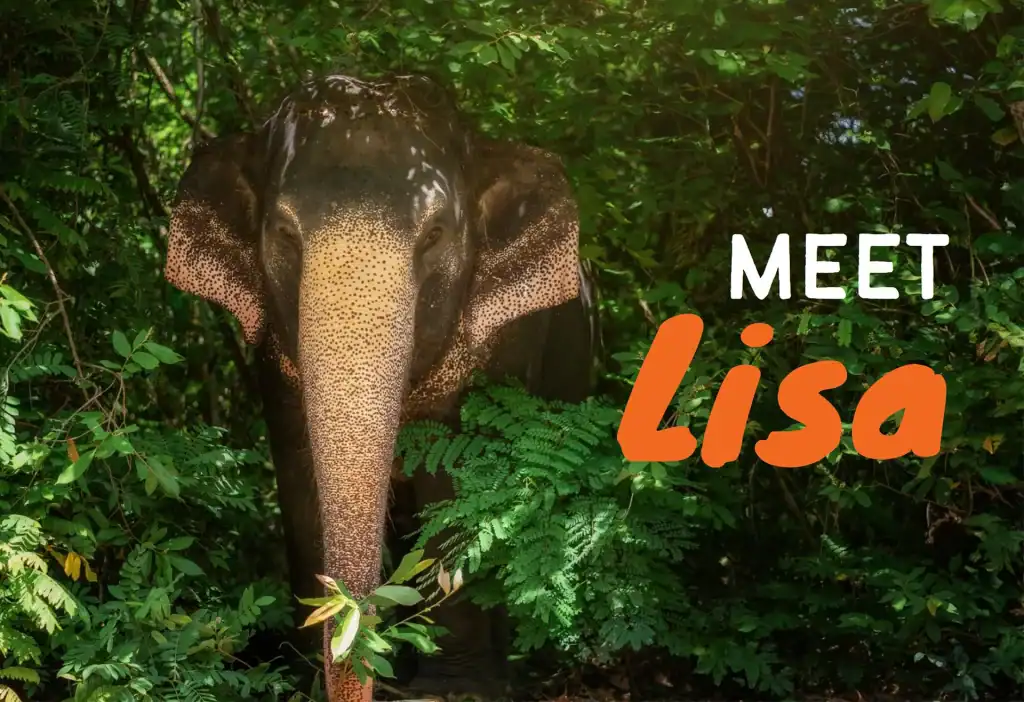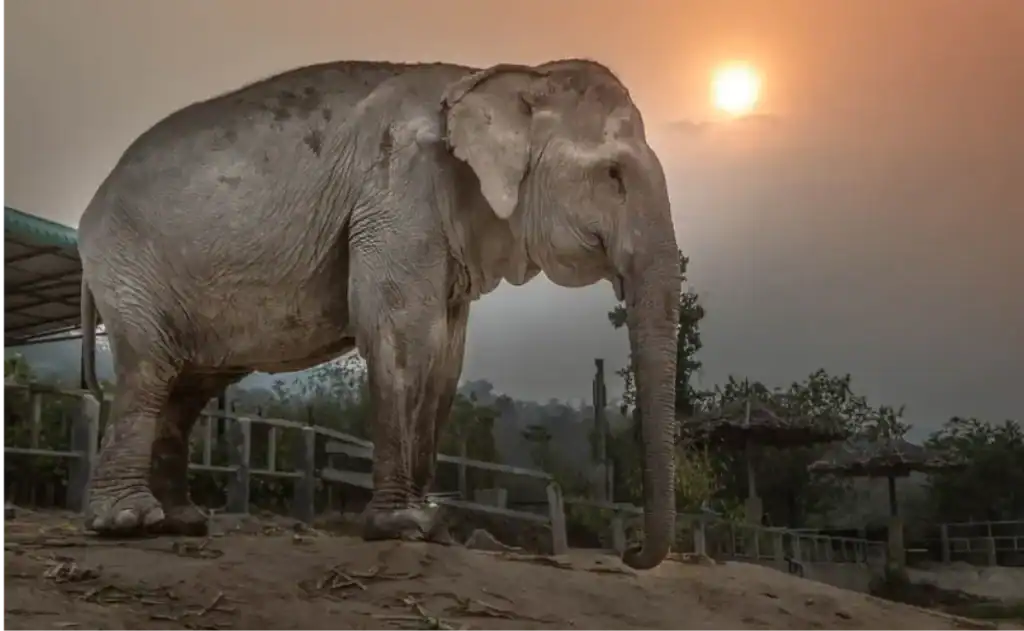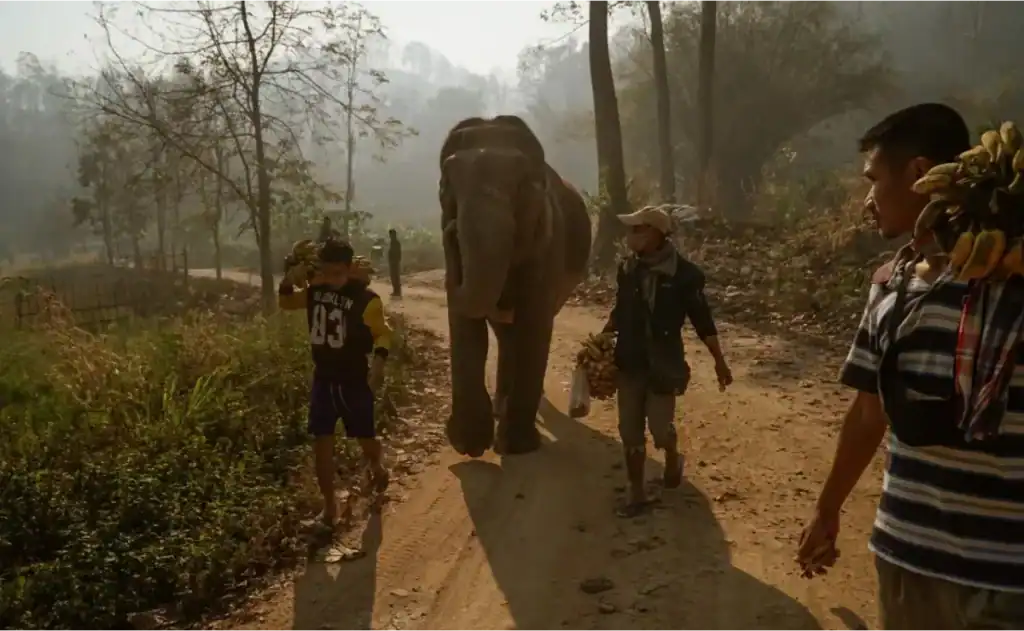
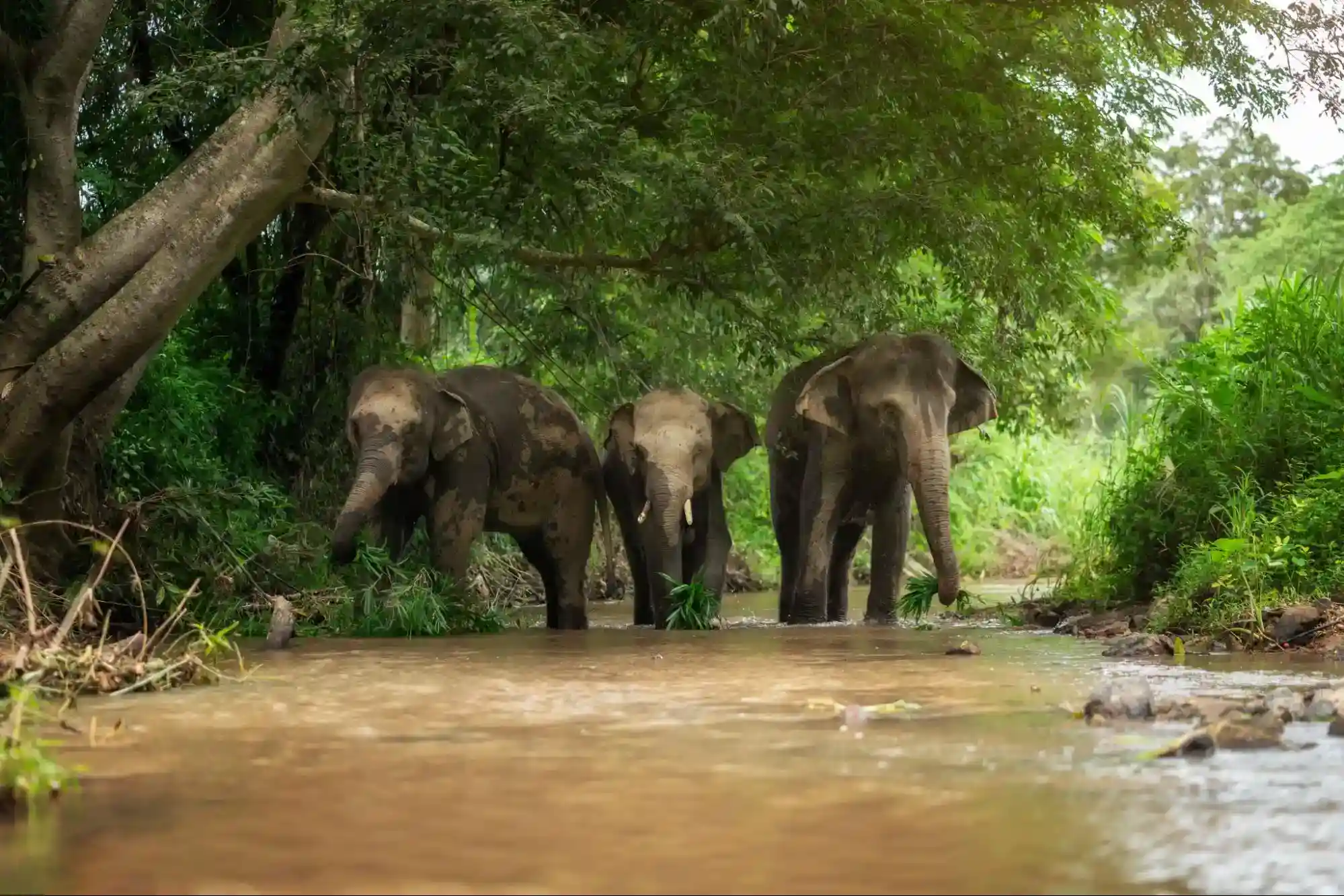
The elephant, a symbol of wisdom and longevity, has a fascinating lifespan that varies significantly depending on their environment. Understanding their longevity is vital for conservation efforts, and sanctuaries like the Elephant Jungle Sanctuary (EJS) play a key role in ensuring a long and healthy life for these incredible animals.
Introduction to Elephant Lifespan
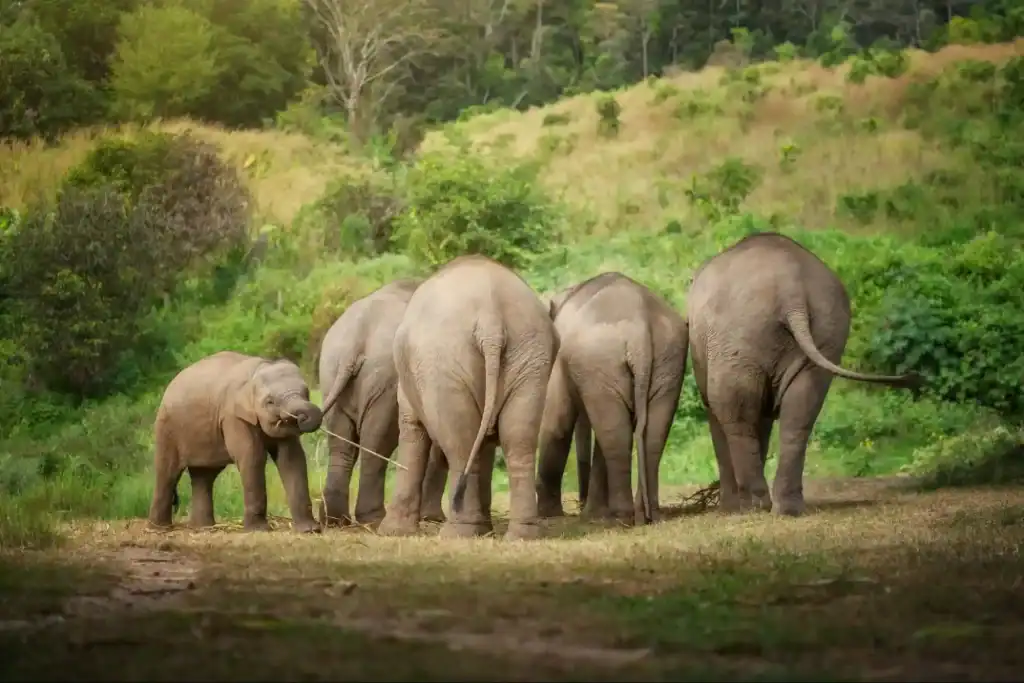
An elephant’s lifespan is a key indicator of its overall health and the quality of its environment. By studying how long these majestic creatures live, we can gain insights into the health of their populations and the effectiveness of conservation strategies. This knowledge is crucial for organizations like EJS, which are dedicated to providing the best possible care for elephants.
Average Lifespan of Elephants in the Wild
Asian elephants‘ estimated lifespan is around 60-70 years, while African elephants can live for 70-80 years (Bitesize, 2024). For those domesticated elephants living in well-managed parks and sanctuaries, their longevity is often comparable to their wild counterparts, due to the consistent and expert care. The better the management and care, the better elephant health and well-being.
Elephant Lifespan in Sanctuaries: Focus on Elephant Jungle Sanctuary (EJS)
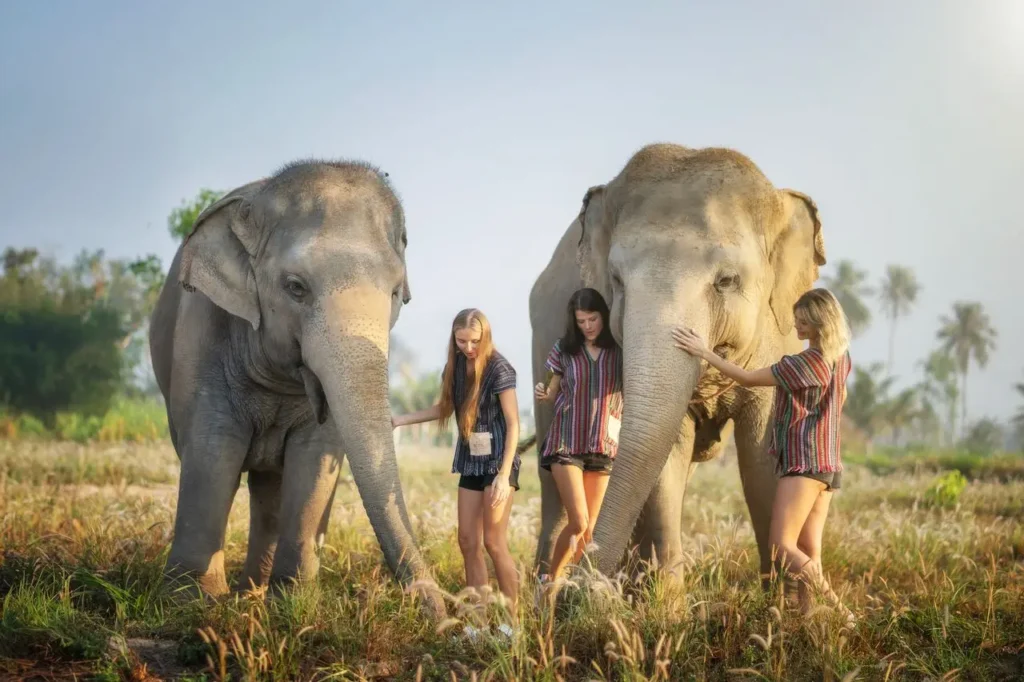
The Elephant Jungle Sanctuary (EJS) is a sanctuary committed to improving the quality of life and longevity of elephants. By providing a safe, natural, and protected environment, EJS helps elephants live out their full lifespans with love and joy. Their focus on health care and well-being, combined with expert veterinary care and a balanced diet, directly contributes to longer, healthier lives for the elephants under their care. Visitors at EJS witness firsthand how these efforts support a better future for the elephants, promoting a deeper understanding of their needs.
Signs of Aging in Elephants
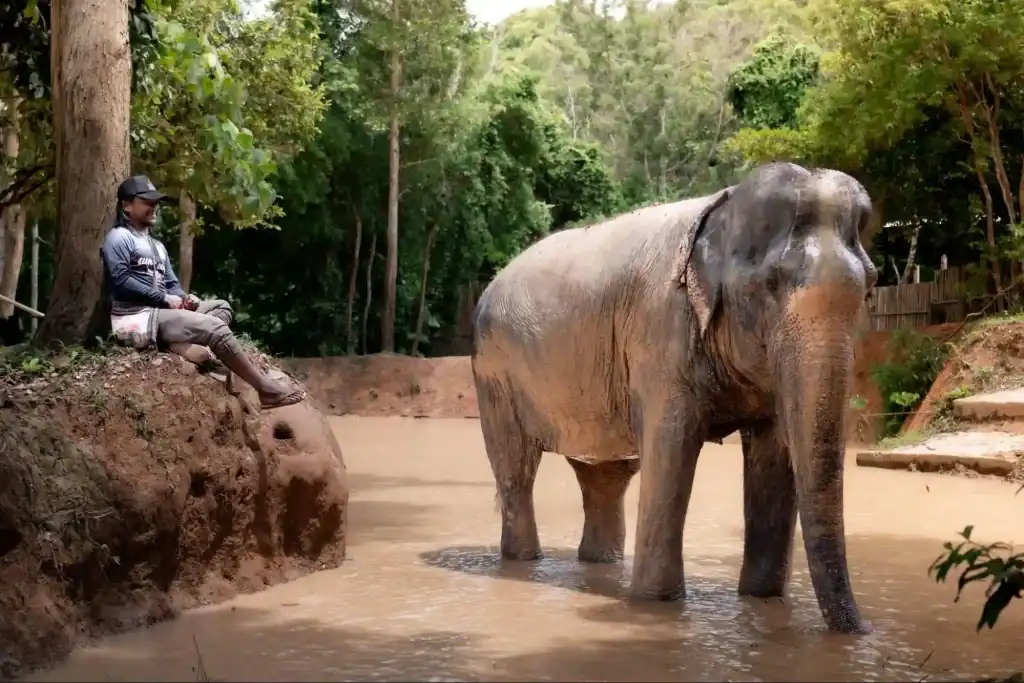
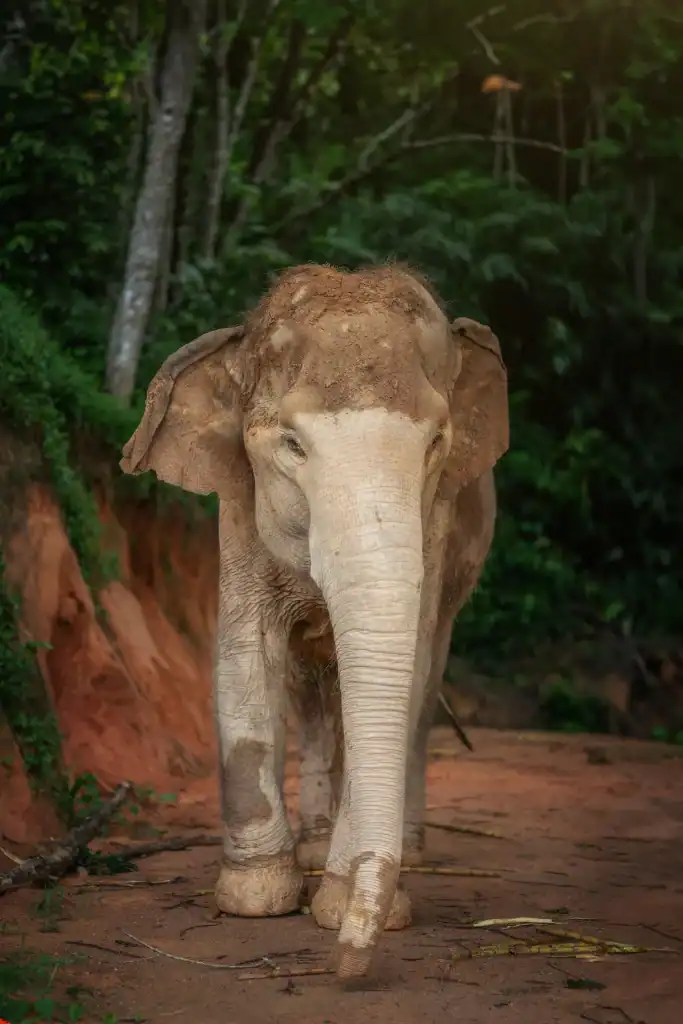
As elephants age, they undergo physical and behavioral changes. A major factor affecting an elephant’s lifespan is the condition of its teeth. As their molars wear down, they may struggle to eat, which can impact their health. Other signs of aging can include a thinning coat and a more stooped posture. Elephant caretakers or mahouts at EJS are well-trained to recognize these signs, providing special care and monitoring to ensure the comfort and health of their aging elephants. This includes daily health check-ups, adjusting their diets, and providing specialized medical attention as needed.
Why Elephant Lifespan Matters for Conservation
An elephant’s lifespan is directly linked to the sustainability of its population. A longer lifespan allows for more reproductive cycles and more time for older, matriarchal elephants to pass on their wisdom and social knowledge to younger generations. Protecting elephants and extending their lifespans, both domestic and wild populations, is therefore a fundamental part of conservation efforts. It ensures the health and genetic diversity of the species for future generations.
Conclusion
Understanding elephant lifespan is more than just academic curiosity—it’s essential for effective conservation. While wild elephants face numerous challenges that can shorten their lives, sanctuaries like the Elephant Jungle Sanctuary demonstrate how proper care, veterinary attention, and natural environments can help these magnificent creatures live longer, healthier lives. Every action we take today helps secure a future where elephants can live their full, natural lifespans in peace and dignity.