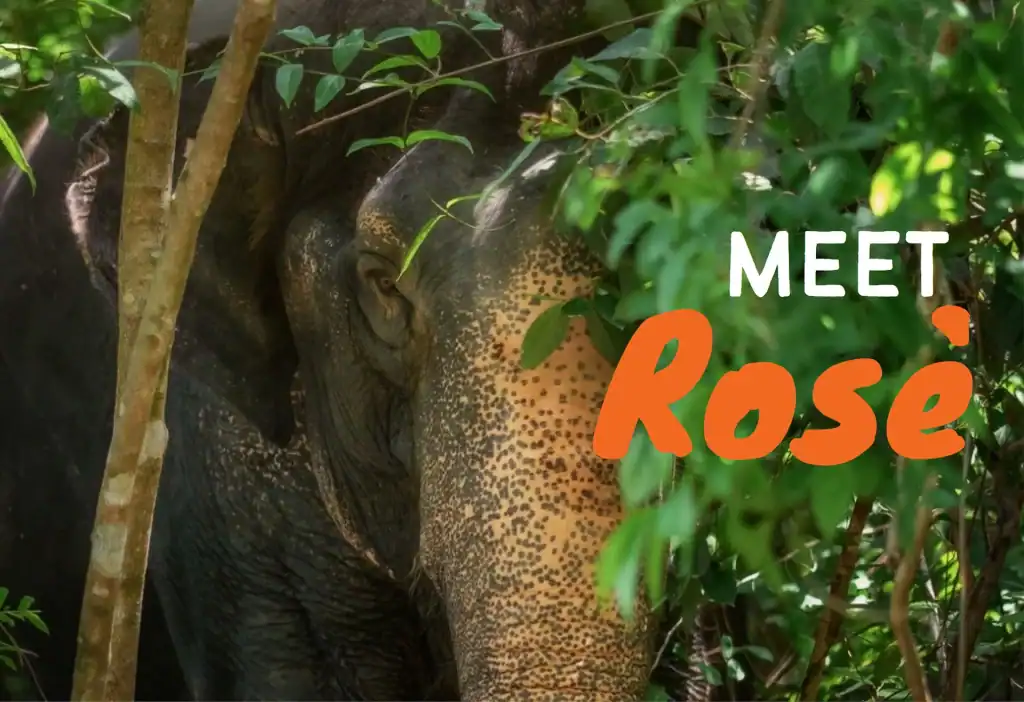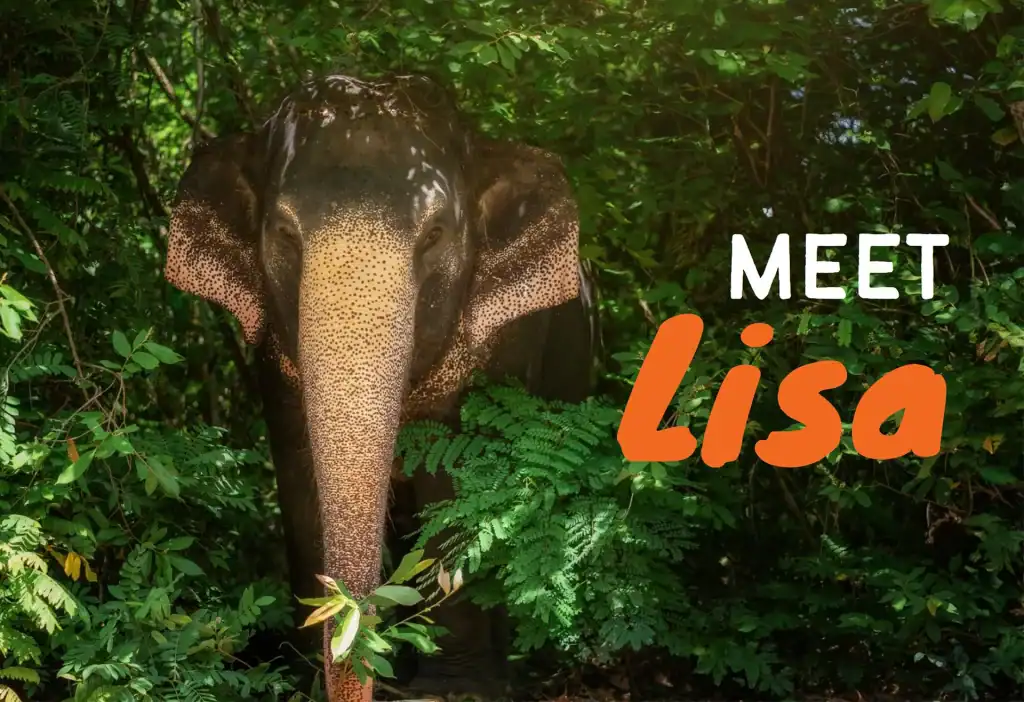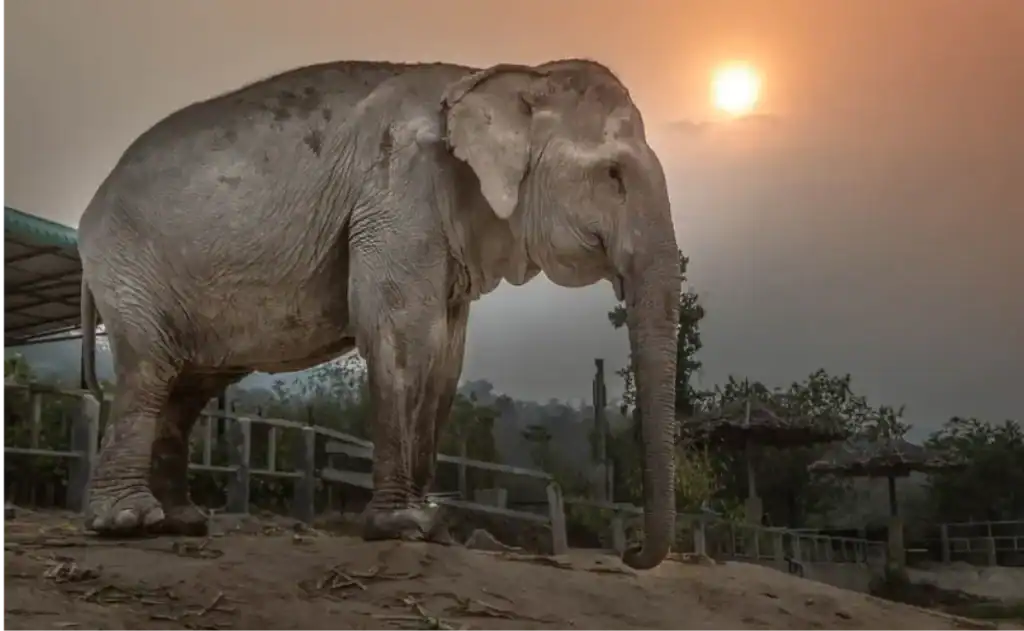
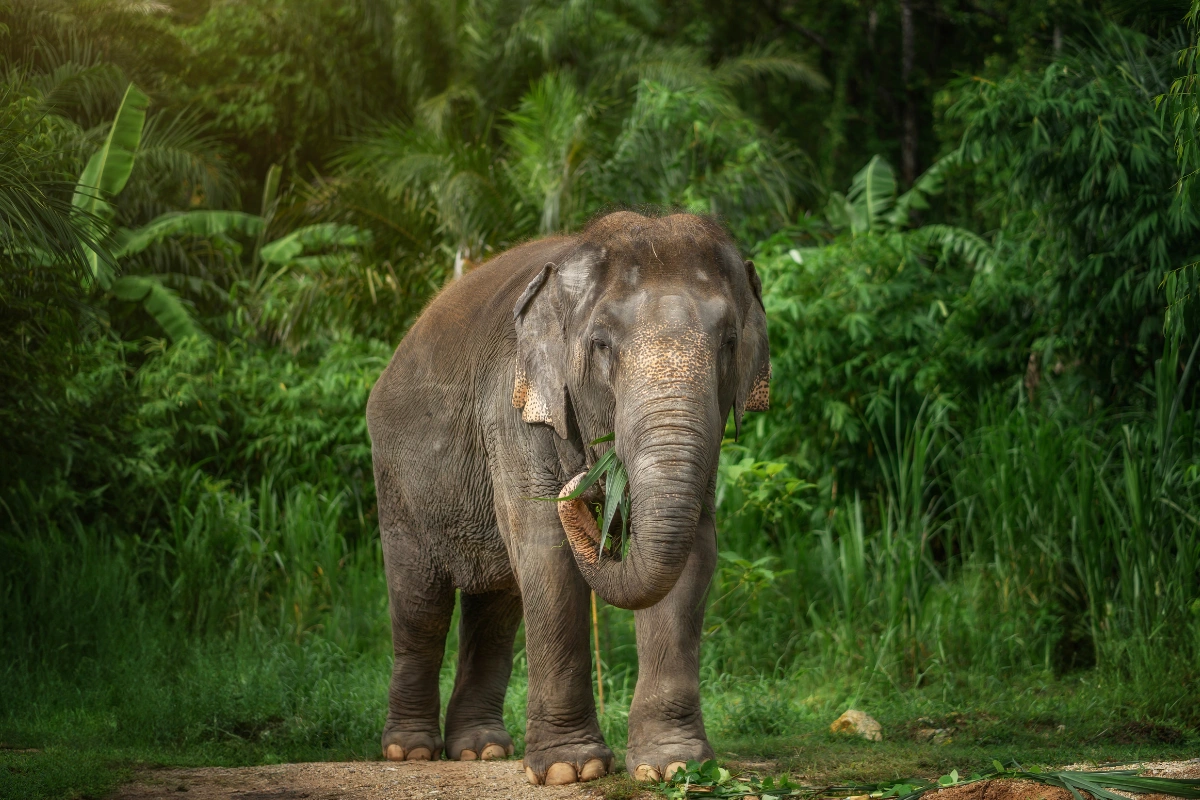
Did you know that elephants can “talk” to each other through deep frequency sounds that can travel miles? Or that they are unable to jump? Elephants are some of the most fascinating creatures on the planet, full of surprises that make them so lovable. Whether you’re an elephant enthusiast or just curious about these gentle giants, this blog will take you through some fun facts that showcase just how special they really are. So, get ready to fall in love with elephants all over again!
30 Amazing Facts About Elephants 2025
1. Baby Elephants Can Walk Within an Hour of Birth

A baby elephant is able to walk within 45-60 minutes after they are born. they can stand within 20 minutes and keep pace with the herd after just two days.
2. Young Elephants Have More Hair Than Adults

Hair is commonly found on the bodies of young and baby elephants, especially on their heads and backs.
3. An Elephant’s Heart Can Weigh Over 20 Kilograms
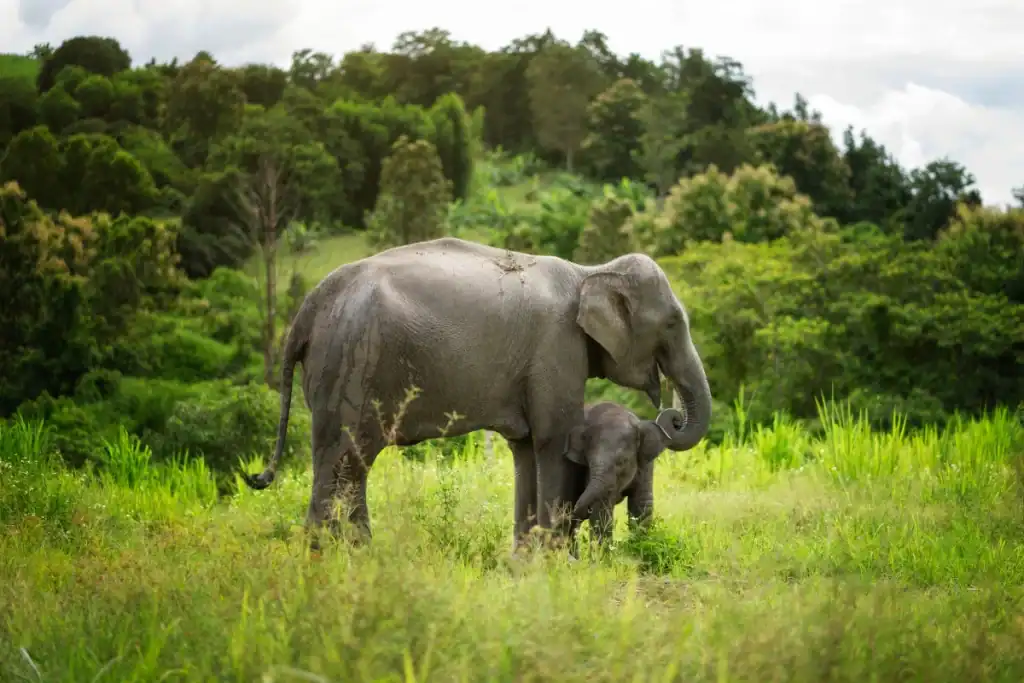
The elephant’s heart weighs about 12 – 21 kilograms, accounting for about 0.5% of its body weight. This large size is necessary to efficiently pump blood throughout the elephant’s massive body.
4. Elephant Skin Holds More Water for Cooling
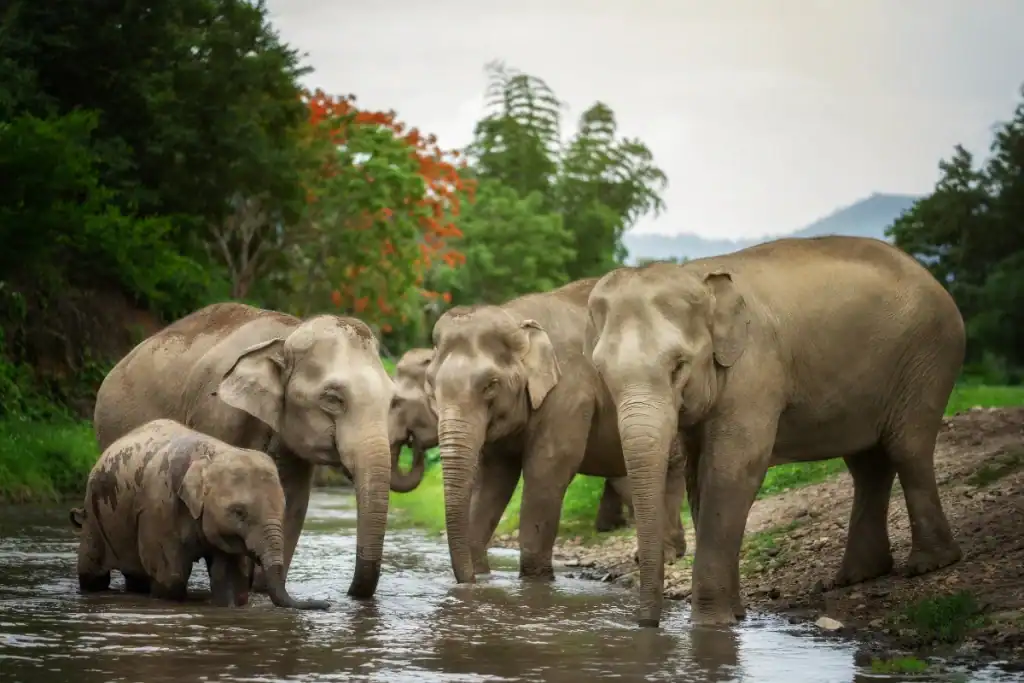
An elephant’s skin is 2.5 cm thick in most places. The folds and wrinkles in their skin can retain up to 10 times more water than flat skin does, which helps to cool them down.
5. Elephants Can’t Jump
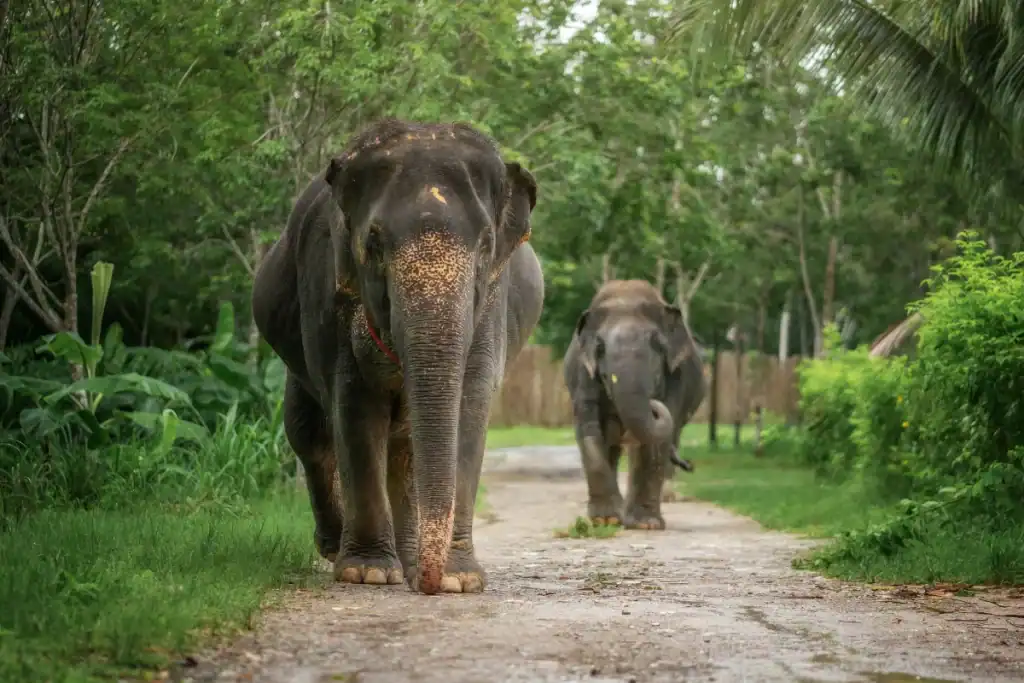
Elephants cannot jump or run, however, they can speed walk, and some can even swim And also walk on their tiptoes, supported by a thick fat pad beneath their heels.
6. An Elephant’s Trunk Acts Like a Sensory Super Tool

The elephant’s trunk is full of sensory perceptions for smell and touch. In some cases, elephants with blindness conditions use their trunks as a walking stick to guide them while walking. Additionally, It serves multiple functions, including breathing, smelling, grasping, drinking, and even acting as a snorkel while swimming
7. An Adult Asian Elephant’s Trunk Can Hold 10 Liters of Water
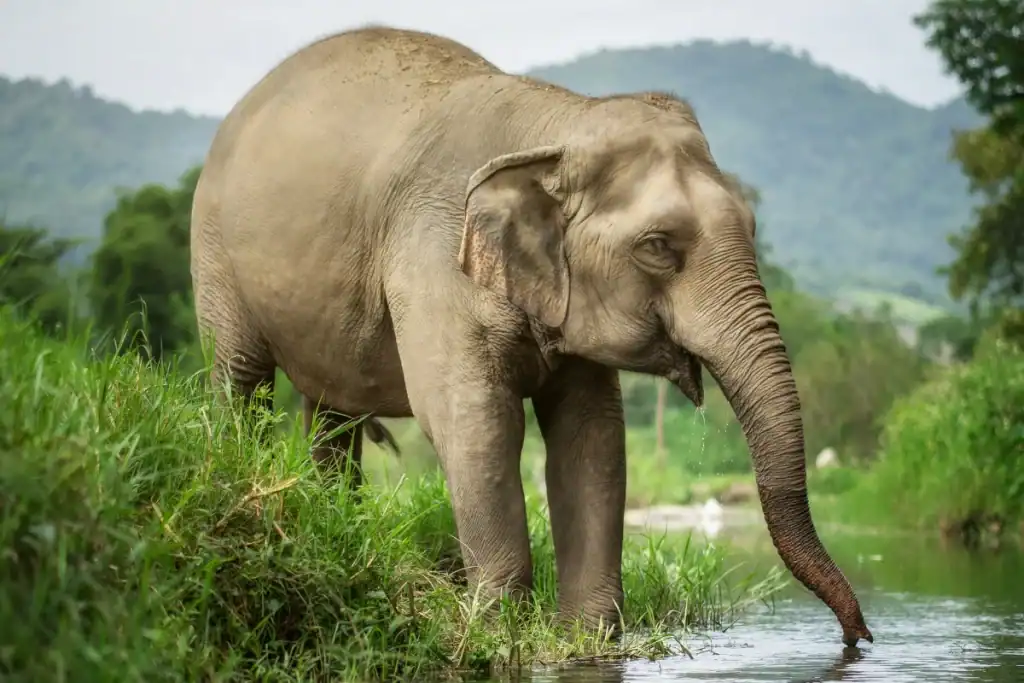
The trunk of an adult Asian elephant can hold about 10 liters of water. with a highly muscular structure composed of over 100,000 muscle units.
8. Elephants Communicate Using Infrasound That Travels Miles

Elephants can communicate using very low-frequency sounds, with some pitches below the range of human hearing. These low-frequency sounds, termed “infrasounds,” can travel several kilometers, being able to reach other packs of elephants.
9. Asian Elephants Are Found in 13 Countries

We now find Asian elephants living in Sri Lanka, India, Nepal, Bhutan, Bangladesh, Myanmar, Thailand, Laos, Cambodia, Vietnam, Malaysia, and the Indonesian archipelago.
10. Elephant Dung Is a Powerful Natural Fertilizer

Elephant dung compost is rich in nitrogen, phosphorus, potassium, magnesium, and sodium, which are essential for plant growth. Therefore, elephant dung is a good organic fertilizer.
11. Elephant Dung Can Be Used to Make Paper Products

Elephants have an inefficient digestive system that digests only 40-50% of what they eat. The raw fiber left in elephant dung can be processed and used to make paper products.
12. Elephants Eat Only Vegetables and Fruits
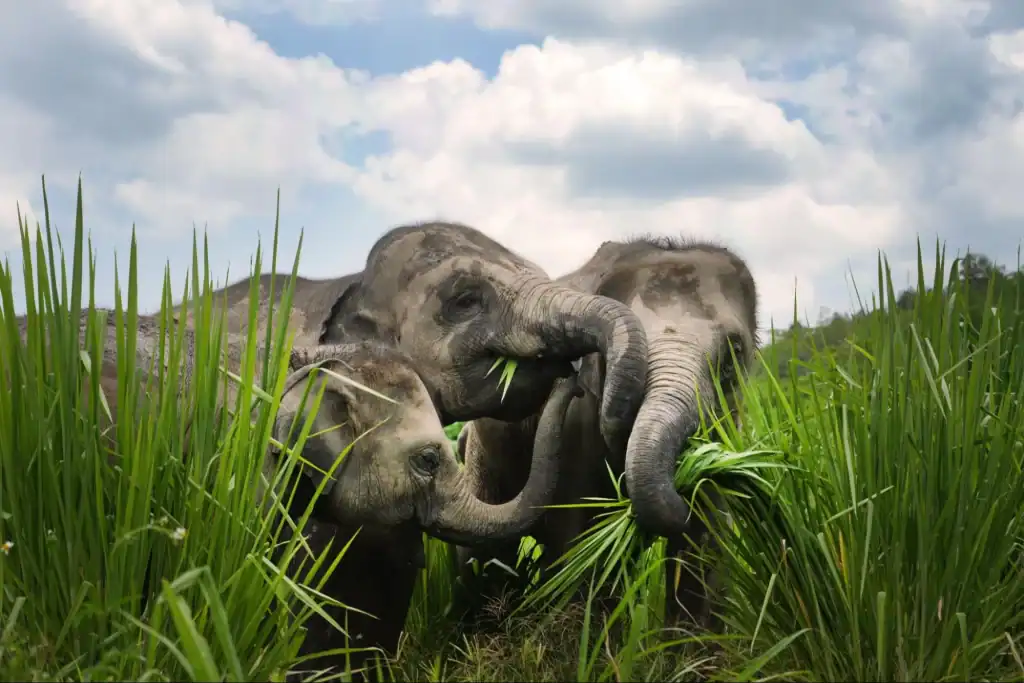
Elephants consume a wide range of leaves, fruits, bark, and grasses as part of their plant-based diet. They must eat 100 kilograms of food per day.
13. All Three Elephant Species Are in Decline
There are three species of elephants: African Savannah, African Forest, and Asian elephants. All three are in decline
14. Elephants Are Endangered or Critically Endangered
Asian and African Savannah elephants are classified as “Endangered,” while African Forest elephants are “Critically Endangered.” Their decline is driven by habitat loss, poaching, and human-elephant conflict.
15. Elephants Have the Largest Brains of All Land Mammals
Elephants possess the largest brains of any land mammal, weighing on average 4.8 kilograms. Their brains are the largest among all living or extinct terrestrial animals and are over three times larger than human brains.
16. Elephant Tusks Are Ever-Growing Tools
Elephant tusks are continuously growing front teeth that serve as multipurpose tools for digging, stripping bark, lifting objects, and defense.
17. Elephants Use Mud as Natural Sunscreen
Despite their thick skin, elephants can get sunburned, especially calves, so they regularly coat themselves in mud or dust as natural sunscreen and insect protection.
18. Long Eyelashes Help Protect Elephant Eyes
Elephants have long eyelashes that shield their eyes from dust, debris, and insects, helping maintain clear vision in their dusty natural habitats.
19. Elephants Show Empathy and Bond Through Touch
Elephants comfort distressed companions and mourn the dead by revisiting and touching their remains. They strengthen bonds through trunk intertwining, rubbing, and gentle contact. These behaviors reflect their deep social and emotional intelligence.
20. Elephant Herds Are Led by Matriarchs
Elephant herds are matriarchal societies led by the oldest female and consist of closely bonded females with their young. Male elephants leave at adolescence to live alone or in bachelor groups. These female-led herds can exceed 100 members and migrate vast distances for food and water.
21.Elephant Calves Stay Close to Family for Years
Elephant calves remain close to their mothers and other female relatives for several years, during which they learn essential survival and social skills. This extended childhood fosters strong familial bonds and enables rich social learning within the herd.
22. Elephants Have the Longest Pregnancy Among Land Mammals
Elephants have a 22-month gestation period and wait 4-5 years between calves, creating a slow reproductive rate that makes the species vulnerable. With generational gaps exceeding 20 years, elephant populations struggle to recover from threats.
23. Wild Elephants Sleep Less Than Three Hours a Day
Wild African elephants sleep only about two hours per day in short, fragmented bursts, usually while standing, and lie down to sleep just once every three to four nights.
24. Bees Are Natural Deterrents for Elephants
Elephants instinctively avoid bees, as stings to sensitive areas like the eyes and trunk can cause pain. Farmers use beehive fences to protect crops, effectively deterring elephants while also supporting honey production.
25. Elephants Eat for Up to 18 Hours a Day
Elephants are herbivores that spend up to 18 hours a day feeding on grasses, leaves, fruits, bark, and roots. An adult elephant can consume up to 300–375 pounds (136–170 kg) of food daily. Due to low digestive efficiency, they absorb only about 40% of what they eat, requiring large quantities to meet their nutritional needs.
26. Elephants’ Water Needs and Their Ecosystem Role as Well Diggers
Elephants require large daily water intake and travel far to find it, digging wells in dry riverbeds with their trunks, tusks, and feet. These wells supply essential water to both elephants and other wildlife.
27.Elephants’ Role in Sustaining Ecosystems Across Varied Habitats
Elephants live in diverse habitats from grasslands to deserts and act as ecosystem engineers by uprooting trees, digging waterholes, and dispersing seeds, which maintains ecological balance and supports biodiversity.
28. Elephant Trails as Vital Pathways for Wildlife
Elephants create well-worn trails as they travel, which are often used by other wildlife as footpaths. These pathways facilitate movement and access to resources for various species. In this way, elephants indirectly support ecosystem connectivity.
29. Strategies to Mitigate Human–Elephant Conflict
Human-elephant conflict mainly results from habitat loss and expanding agriculture. To mitigate this, conservation efforts use strategies such as beehive fences, GPS tracking, and establishing habitat corridors. These measures help reduce conflicts and promote coexistence between humans and elephants.
30. Elephants Demonstrate Memory, Self-Awareness, and Social Complexity
Elephants possess exceptional memories, remembering locations and social relationships for decades. They demonstrate advanced self-awareness by recognizing themselves in mirrors. Their complex social structures involve learning, cooperation, and strong familial bonds.
Elephants are truly remarkable creatures, from their incredible strength and intelligence to their deep social interaction. These fun facts are just a glimpse into the fascinating world of elephants, but there’s so much more to discover! If you’d love to see these gentle giants up close, learn more about their behavior, and spend some quality time with them, we invite you to visit our sanctuary. Here, you can be part of their daily lives while supporting ethical elephant care. Come join us at Elephant Jungle Sanctuary!
Our Locations
- Elephant Jungle Sanctuary Chiang Mai
- Elephant Jungle Sanctuary Pattaya
- Elephant Jungle Sanctuary Phuket
- Elephant Jungle Sanctuary Samui
References
https://www.wwf.org.uk/learn/fascinating-facts/elephants
https://www.natgeokids.com/uk/discover/animals/general-animals/elephant-facts/