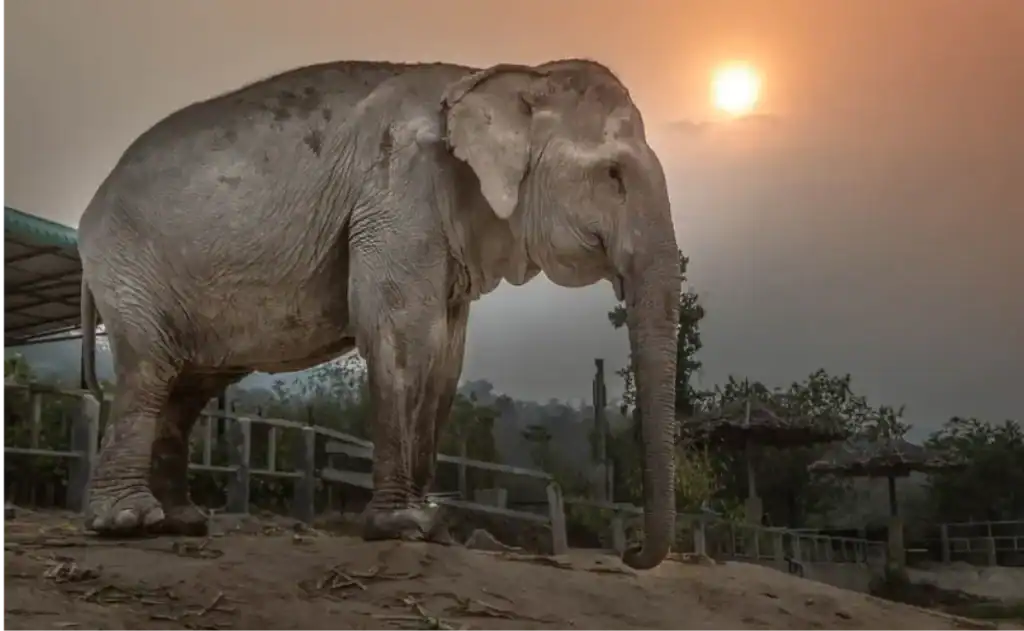

Musth is a fascinating and often misunderstood biological state in male elephants. It is a periodic condition characterized by a surge in hormones and heightened aggression, playing a critical role in an elephant’s life cycle. This state, often referred to in scientific discussions as Elephant Musth, is essential for understanding the species’ reproductive behavior.
What is Musth in Elephants?
Musth is a period of heightened reproductive and aggressive behavior in male elephants (bulls), typically lasting from a few weeks to several months. It is not just a form of “mating season” but a complex physiological state.
Why is it Important?
Musth is a natural and important part of an elephant’s life. It signals to other elephants that the bull is at the peak of his physical condition, making him a more dominant and desirable mate. This helps maintain the health and genetic diversity of the elephant population.
Why Do Elephants Go Into Musth?
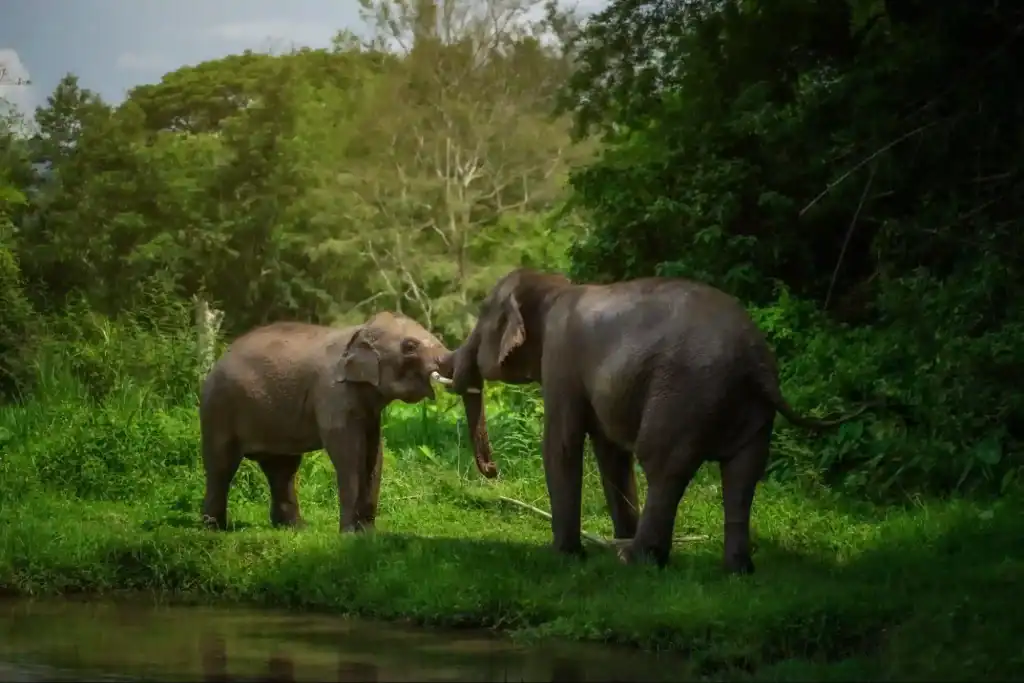
The primary cause of musth is a dramatic surge in testosterone, with levels increasing by as much as 60 times. This hormonal spike drives a range of physical and behavioral changes. While elephants in the wild typically experience musth annually, the frequency and duration can vary, often being influenced by an elephant’s age and social status. Elephants in captivity, including those in well-managed sanctuaries like EJS, also experience musth.
Why Female Elephants Don’t Show Musth Behavior
Musth is a biological phenomenon unique to male elephants. While female elephants have their own estrous cycles, they do not experience the same hormonal changes and aggressive behaviors associated with musth.
How to Recognize an Elephant in Musth
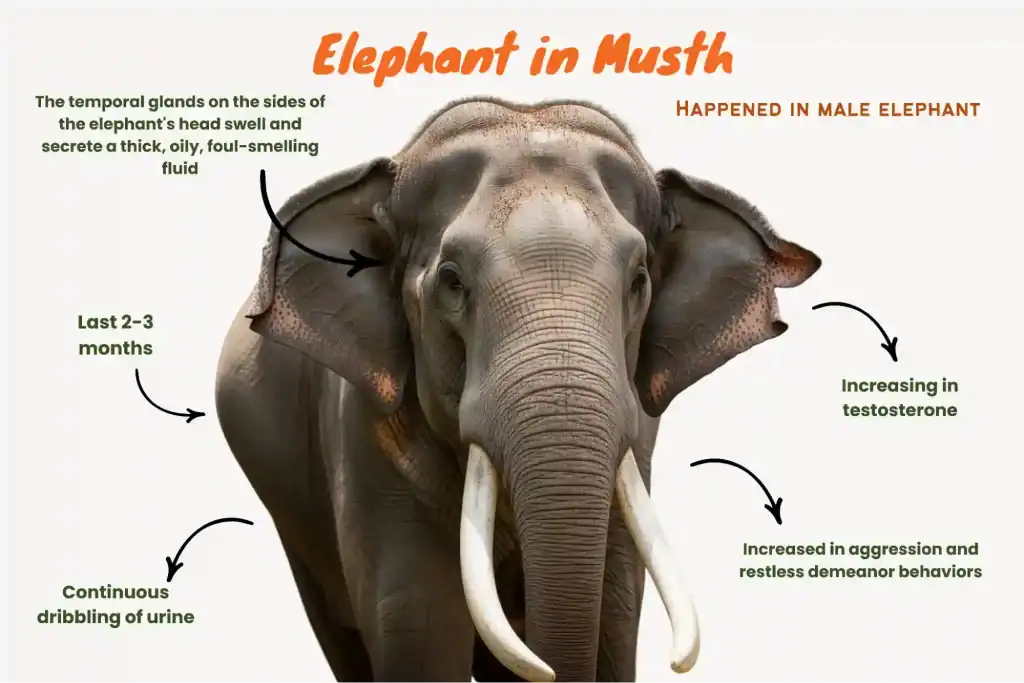
Identifying an elephant in musth is important for safety. The condition is accompanied by several clear signs:
- Physical Changes: The most obvious sign is a continuous dribbling of urine and the secretion of a thick, dark, tar-like substance from the temporal glands located on the sides of the elephant’s head.
- Behavioral Shifts: An elephant in musth will often display increased aggression, irritability, and a restless demeanor. They may also mark their territory more frequently.
- Monitoring at EJS: At the Elephant Jungle Sanctuary (EJS), experienced handlers (mahouts) are highly skilled at identifying these signs. They monitor the elephants’ behavior and physical state daily to ensure the safety of both the elephants and the visitors, adjusting care and management as needed.
Final Thoughts: Living Respectfully with Elephants in Musth
Understanding Elephant Musth is key to interacting respectfully with elephants. For tourists and elephant lovers, it is a reminder that even though these domestic elephants are friendly and tame, they are powerful creatures with complex biological needs.
At Elephant Jungle Sanctuary, you can be assured that the well-being of the elephants is the top priority. EJS’s practices are built on a deep understanding of elephant biology, including musth, and they provide a safe environment where elephants can live their lives naturally and with dignity. By visiting EJS, you support an ethical model that puts elephant welfare first.