An elephant’s habitat is more than just a place to live—it is the foundation of their entire existence. From the food they eat to the social structures they form, their natural home is crucial for their survival and well-being.
What is an Elephant Habitat?
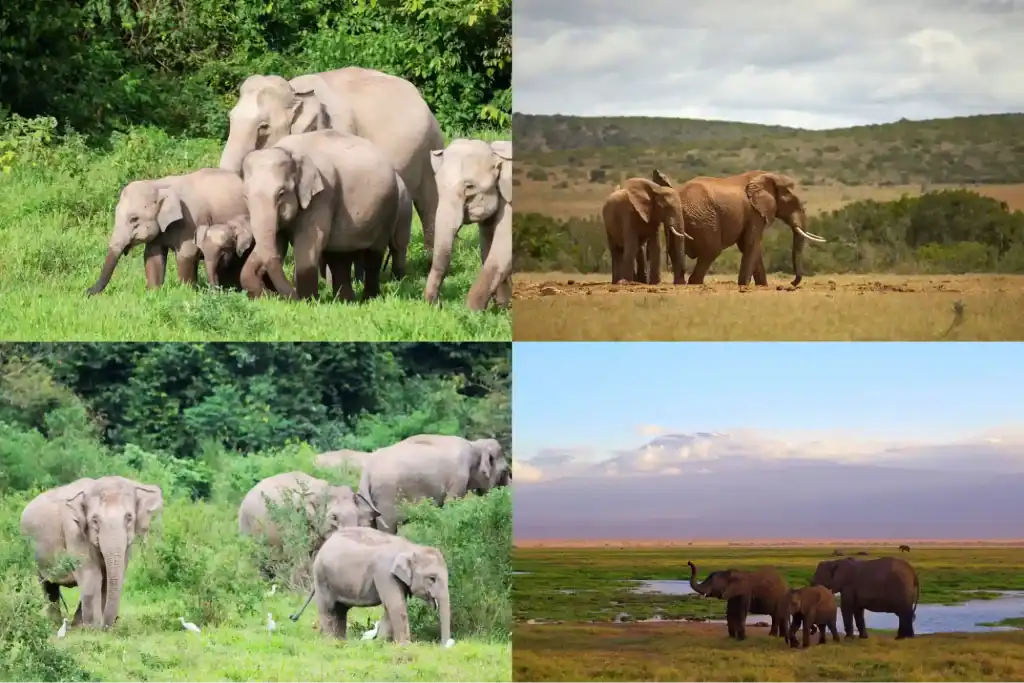
An elephant habitat is the specific environment where elephants live, forage, and raise their young. It provides all the necessary resources for their survival, including food, water, and shelter. The health of a habitat is directly linked to the health of the elephant population it supports.
Types of Elephant Habitats Around the World

Elephants are incredibly adaptable and can be found in a variety of ecosystems.
- Grasslands and Savannas: Open savannas and grasslands are the iconic home of African savanna elephants, offering vast spaces for grazing and migration.
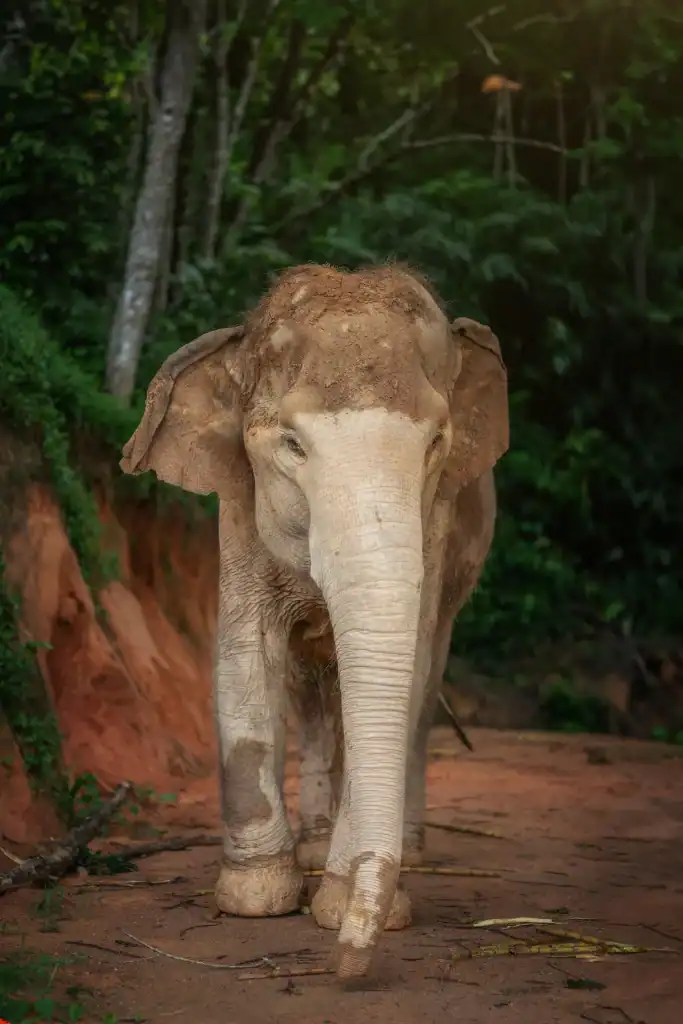
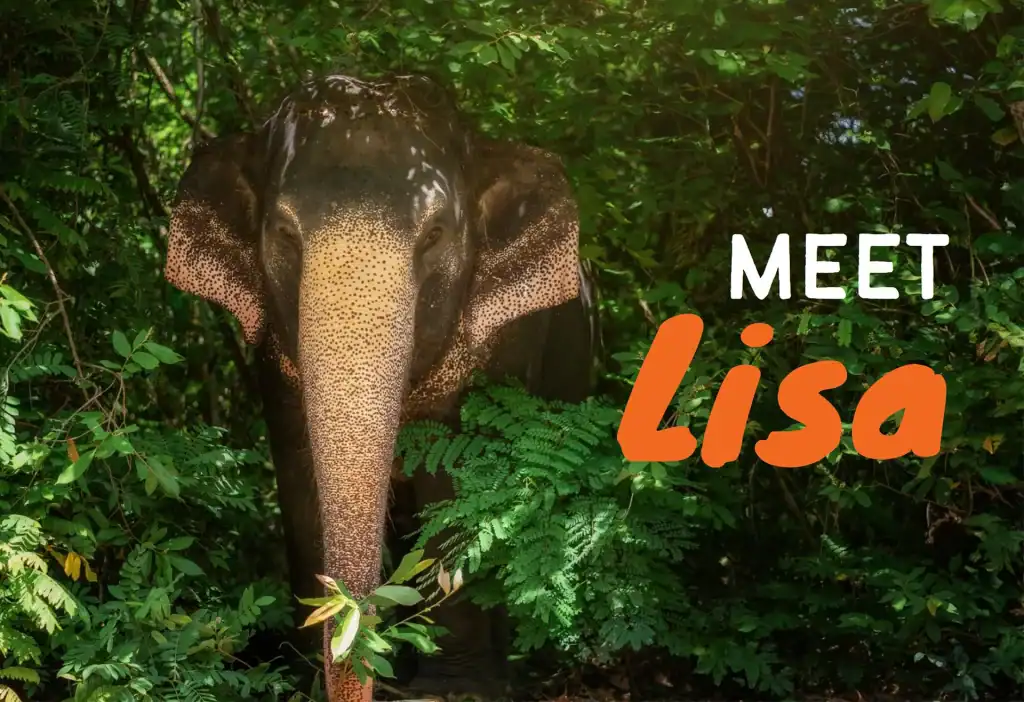
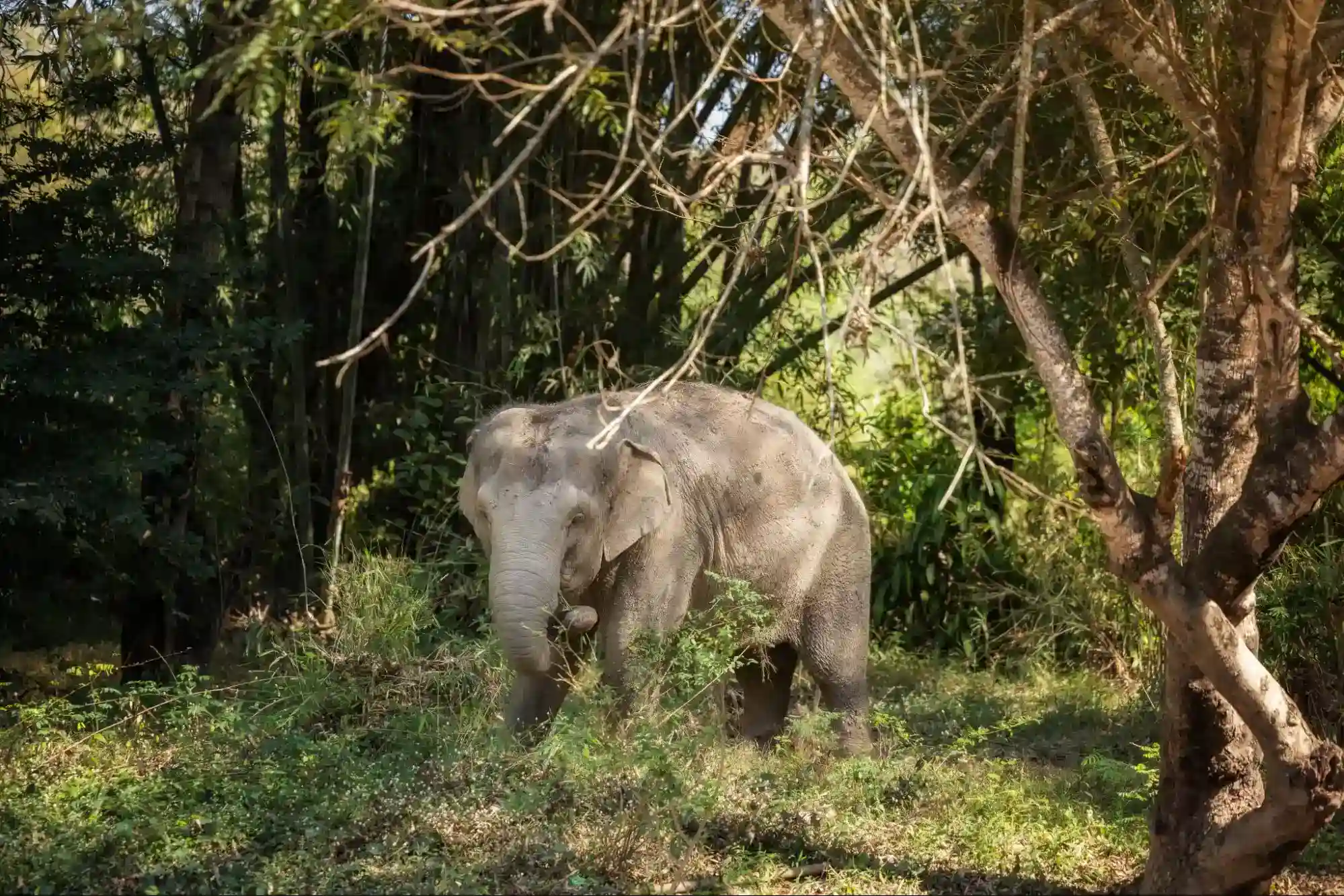
- Forests: Dense forests provide a rich source of vegetation and shelter. This is the primary habitat for Asian elephants and the elusive African forest elephants.
While both species live in diverse environments, African elephants are primarily found in savannas and forests across Africa, while Asian elephants are native to the forests of South and Southeast Asia.
Why Elephant Habitats Are Crucial for Their Survival
A healthy habitat is essential for an elephant’s survival for several reasons:
- Food, Water, and Shelter: A rich habitat provides a steady supply of vegetation for their massive appetites, as well as access to water sources for drinking and bathing.
- Social Behavior and Migration: Elephants are highly social animals that require vast spaces to migrate, forage, and maintain their family structures. Habitat fragmentation can disrupt these vital behaviors.
Threats to Elephant Habitats
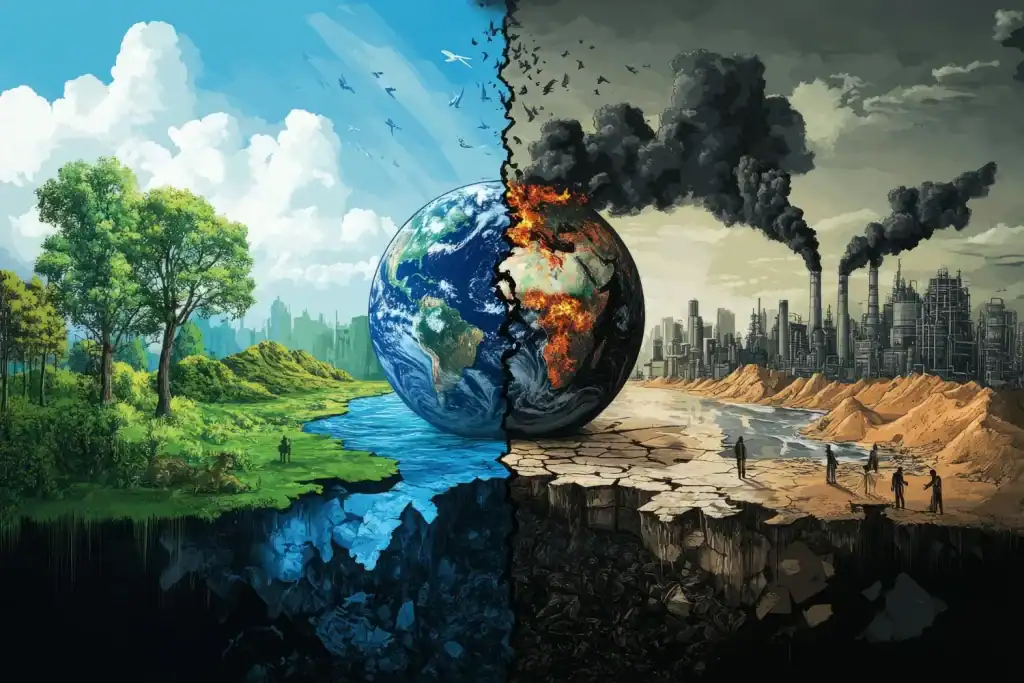
Elephant habitats are under threat from various human activities and environmental changes.
- Deforestation and Human Encroachment: As human populations expand, forests are cleared for agriculture and development, leading to a loss of elephant habitat.
- Climate Change Impacts: Changing weather patterns and droughts can alter ecosystems, making it difficult for elephants to find food and water.
- Human-Wildlife Conflict: When habitats shrink, elephants are often forced into contact with human communities, leading to conflicts that are dangerous for both elephants and people.
Conservation Efforts and the Role of Sanctuaries
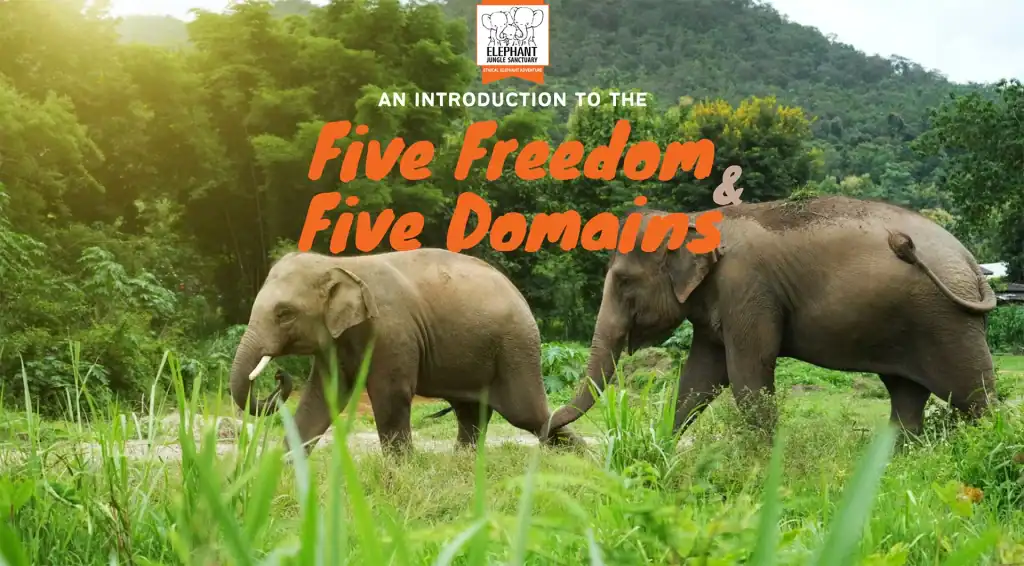
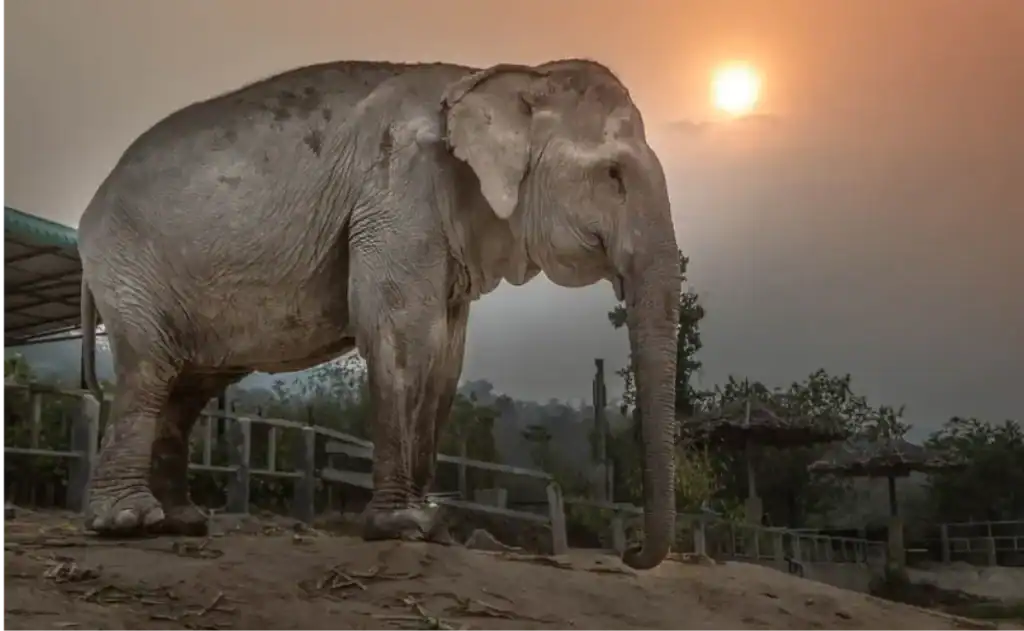
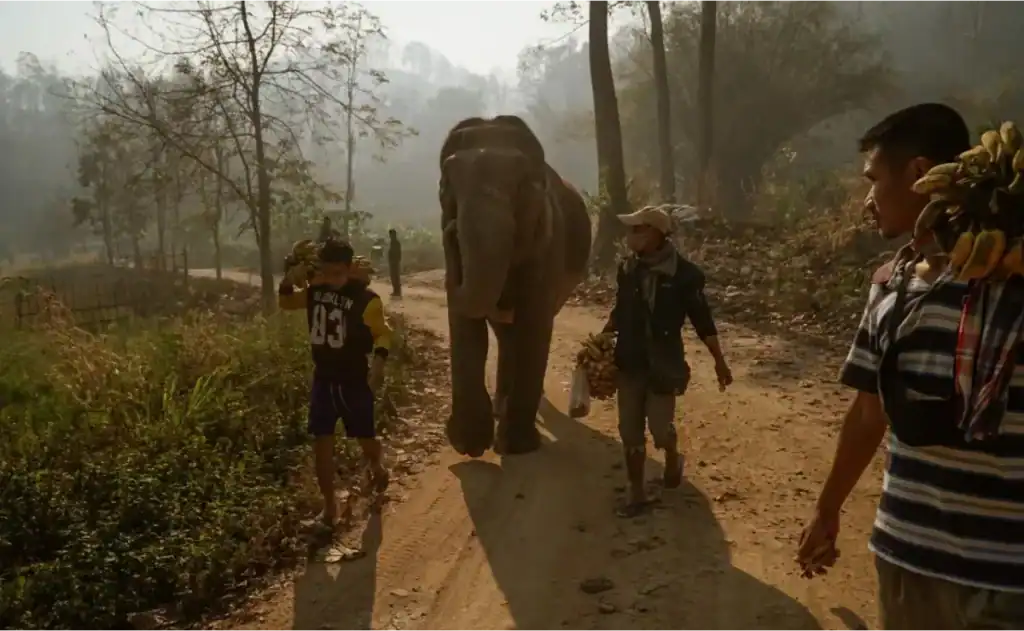
Global conservation initiatives are working to protect and restore elephant habitats. Sanctuaries like the Elephant Jungle Sanctuary (EJS) play a critical role in these efforts by focusing on inspiring and educating visitors about elephant conservation. While providing a safe and natural environment for the Asian elephants under its care, the sanctuary’s ethical tourism model primarily aims to create a deeper understanding of conservation for its visitors.
What Can Individuals Do to Help Protect Elephant Habitats?
You don’t have to be a conservationist to make a difference. Here’s how you can help:
Responsible Tourism and Awareness
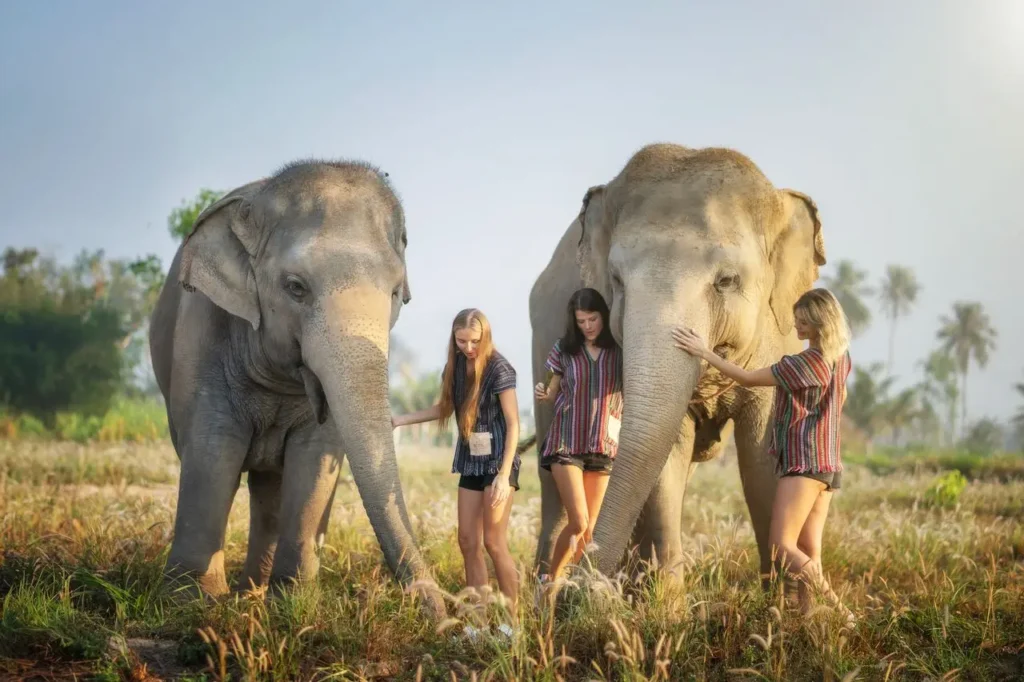
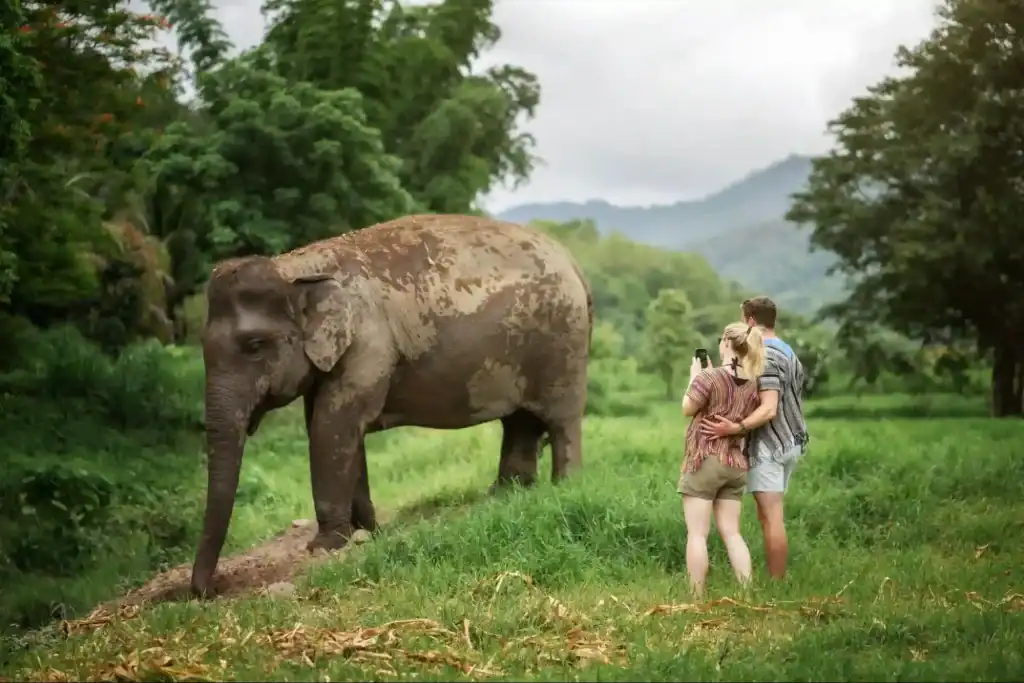
By choosing to visit ethical sanctuaries like EJS, you are supporting organizations that prioritize elephant welfare and habitat preservation. This helps raise awareness among visitors about the importance of conservation and the threats elephants face.
Advocacy and Policy Support
Support organizations that advocate for stronger environmental protections and oppose the illegal wildlife trade. These groups work to influence government policies, which can have a massive impact on elephant conservation on a global scale. This includes supporting initiatives that combat deforestation and address climate change, as these issues directly impact elephant habitats.
Speak up
You can use your voice to advocate for elephants. This includes:
Sharing information on social media to raise awareness about the threats elephants face and highlight successful conservation efforts.
Educating friends and family on the importance of elephant conservation.
Conclusion: Protecting Elephant Habitats for Future Generations
The health of an elephant population is inseparable from the health of its habitat. By understanding the critical role these natural homes play, we can better appreciate the urgent need for conservation. Supporting ethical sanctuaries and promoting awareness are two powerful ways we can all contribute to protecting elephant habitats, ensuring these magnificent animals can thrive for generations to come