The Cultural and Historical Significance of Elephants in Thailand
When thinking of Thailand, beyond beautiful landscapes and beaches. Elephants often come to mind. For over a thousand years, elephants have been living evidence in Thai culture. These magnificent beings aren’t just animals to us; they are rooted in our beliefs, religions, histories, and heritages — The elephant stands as the national symbol of Thailand.
The Royal White Elephant: Symbol of Divine Power
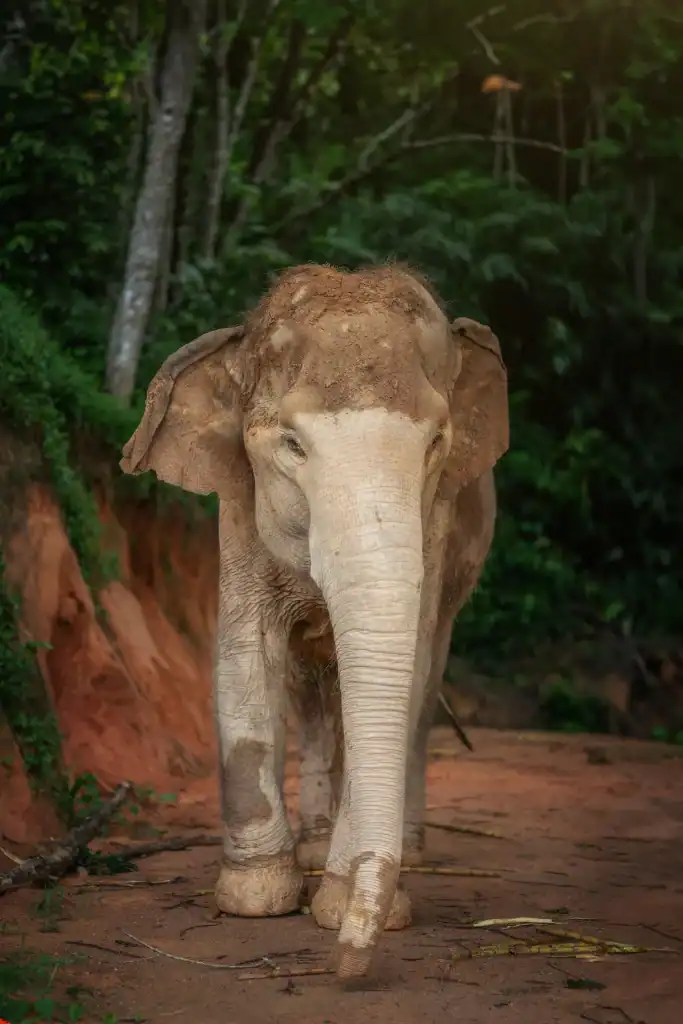
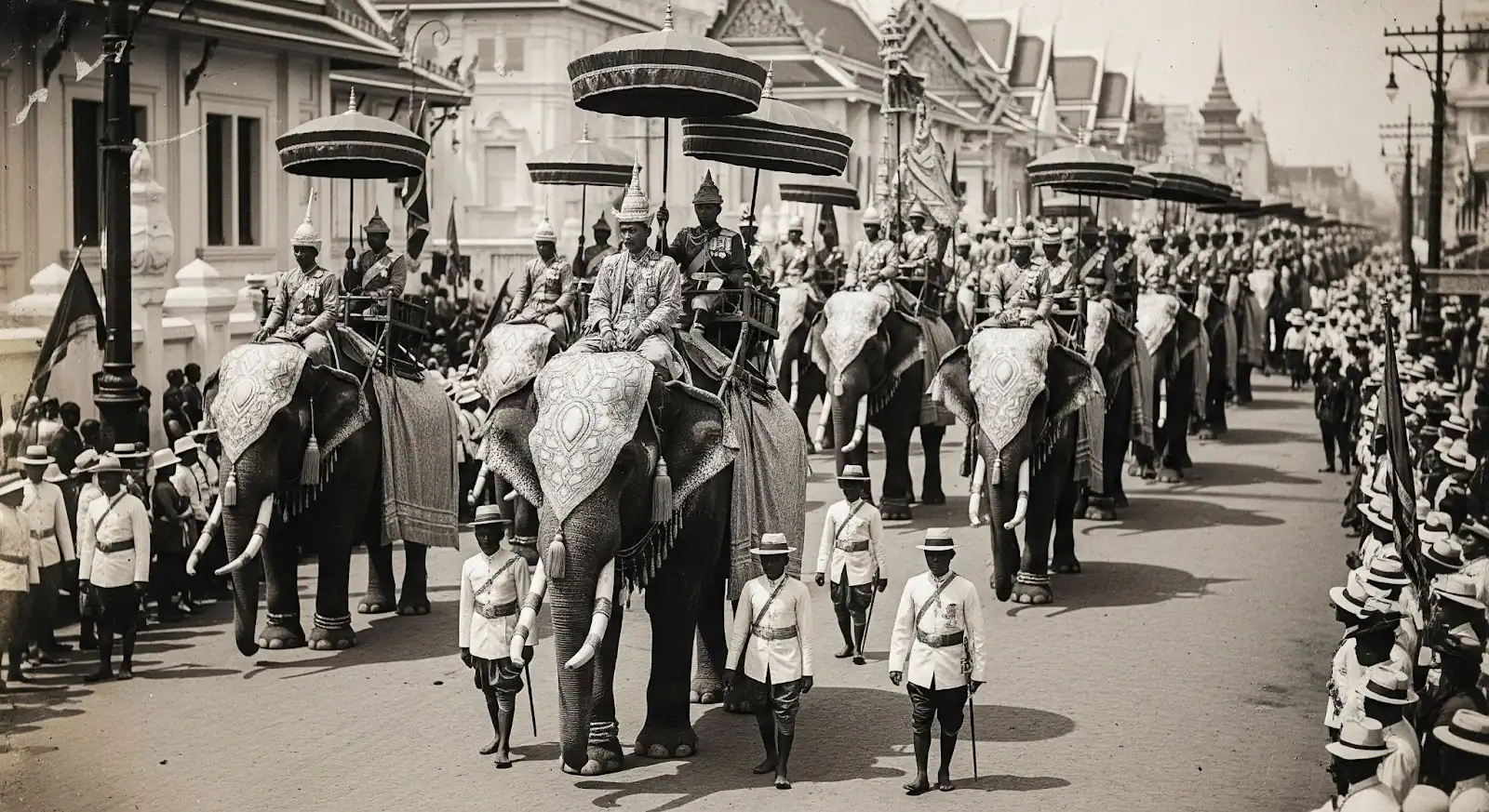
White elephants are considered sacred and auspicious, believed to be associated with royalty and prosperity. Historically, the number of elephants, particularly white elephants, owned by a monarch represents his divine power and wealth. Even today, they remain a potent emblem of the monarchy and appear on the Royal Thai Naval Ensign.
Elephants in Ancient Siamese Warfare
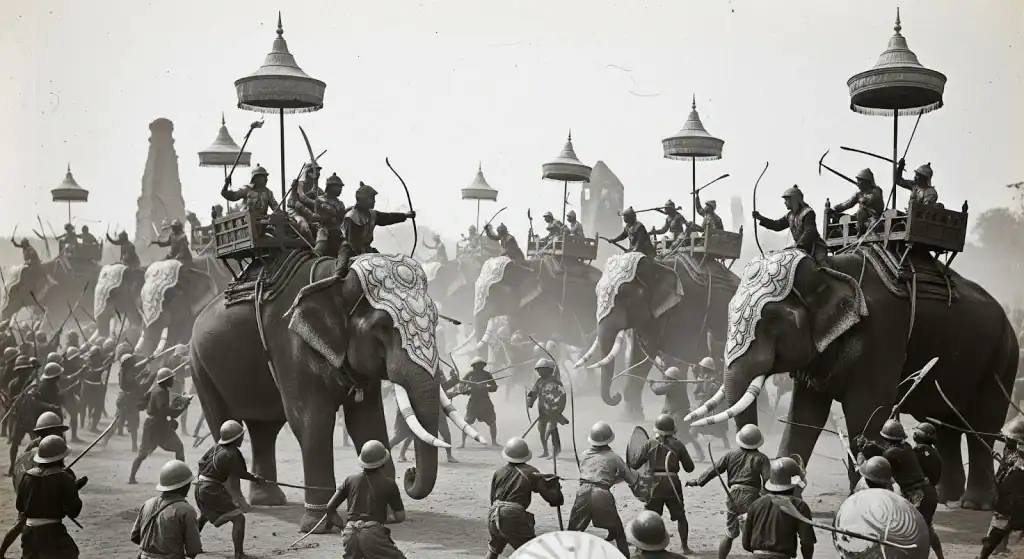
During ancient Siamese warfare, elephants played a pivotal role, serving as formidable mounts for the kings and warriors in battle. Their presence symbolizes the power of the king during that era. Elephants’ intelligence and strength were crucial assets used to defend the kingdom’s sovereignty. Elephant duels (Yuttha Hatthi), in particular, became legendary for royal bravery.
Elephant in Buddhism
In Thai Buddhist traditions, elephants represent strength, wisdom, and calmness. The most famous story tells of Queen Maya dreaming of a white elephant before giving birth to Buddha. This white elephant is seen as pure and holy. Monks often tell stories about Buddha’s past lives, where he was an elephant, showing kindness and self-sacrifice.
Elephants in Thailand Today
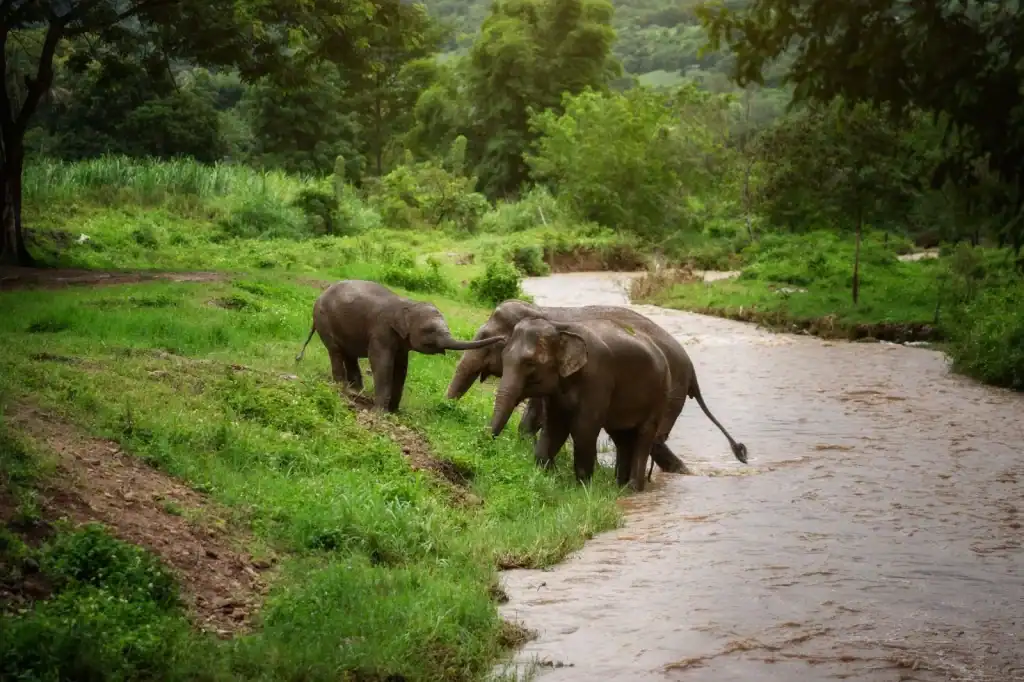
Today, approximately 7,000 elephants remain in Thailand, living in two distinct worlds: the wild and in captivity. Both deserve our protection and understanding. At the Elephant Jungle Sanctuary (EJS), we believe that education is the foundation of conservation. When you understand the complex reality of Thailand’s elephants, you become part of their protection story.
Endangered Status
Asian elephants were classified as endangered on the IUCN Red List of Threatened Species. The most widely cited estimate is that there are fewer than 50,000 Asian elephants left in the wild.
Wild Elephants in Thailand

- Population: According to a 2025 report by the Department of National Parks, Wildlife and Plant Conservation (DNP), an estimated 4,013 – 4,422 elephants were found in Thailand. (Admindnp, 2025).
- Areas: Living in 91 protected areas across the country.
- Threats to Survival: Deforestation, human-elephant conflict, and illegal poaching
Domestic Elephants
Population: Approximately 3,700 elephants.
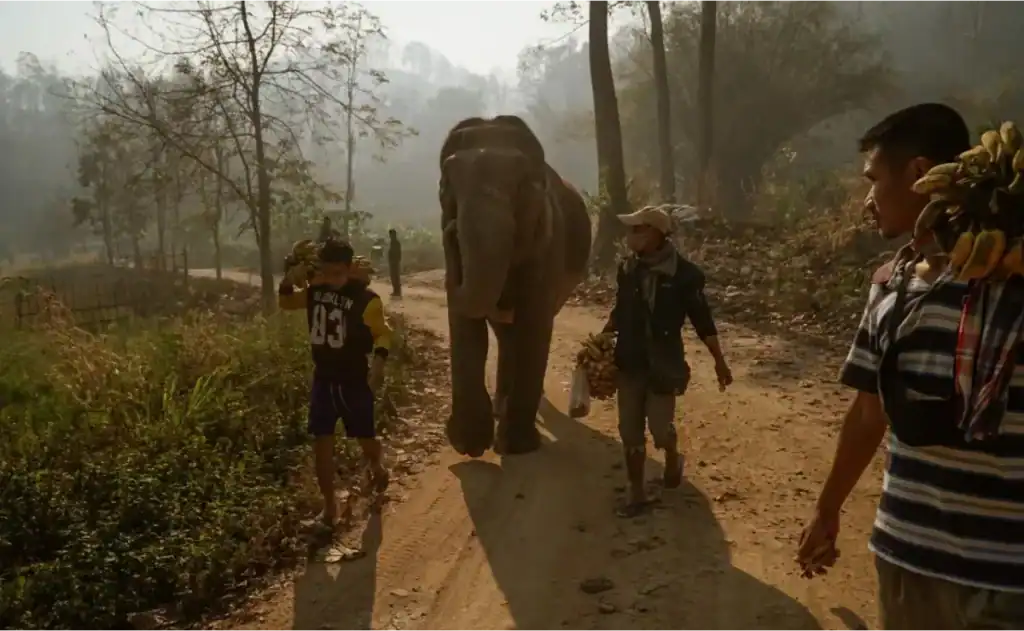
Living conditions: Living with various families of mahouts or elephant caretakers creates a unique bond between elephants and their mahouts that has been passed down for generations.
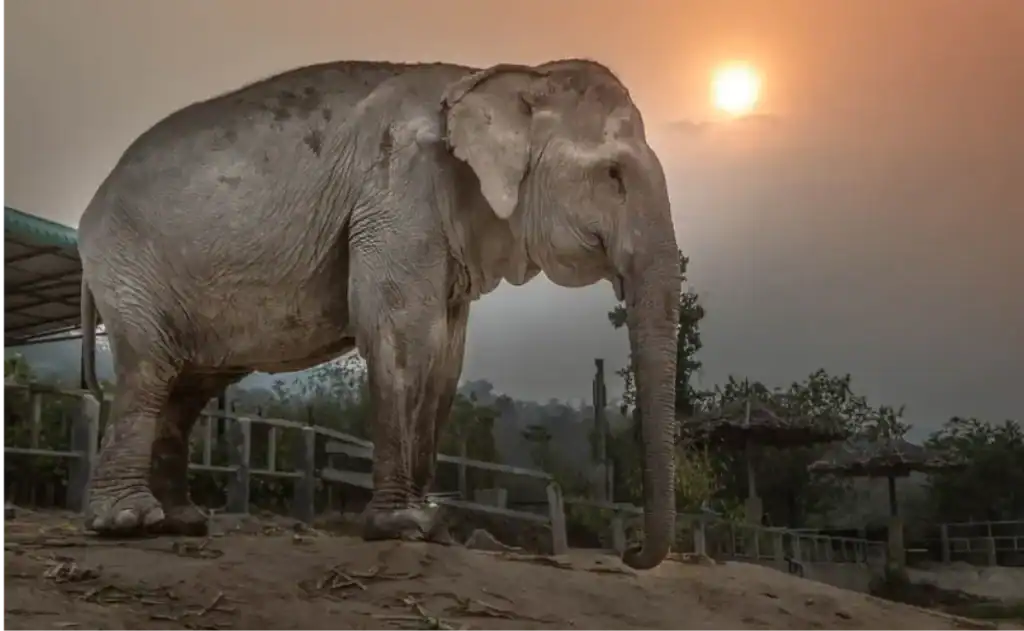
Welfare Challenges: Elephant healthcare and well-being under human guardianship.
Ethical Elephant Tourism in Thailand
The Evolution of Elephant Roles: From Traditional Work to Modern Conservation:
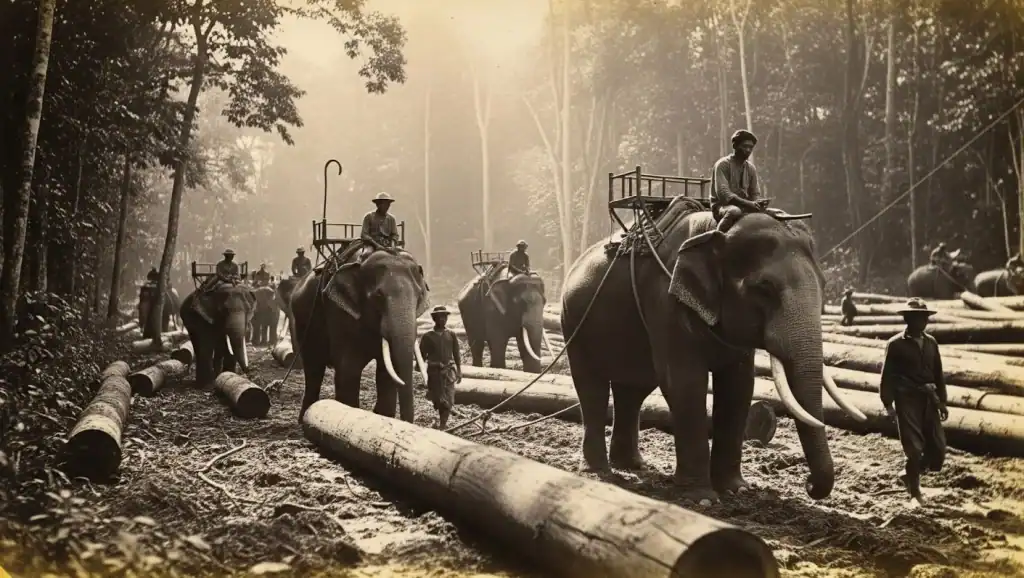
Thailand’s domestic elephants are living evidence of the nation’s history. For centuries, they powered our rice fields, navigated impossible jungle terrain, and stood alongside Thai warriors in battle. Today, they’ve transitioned into new roles, primarily within the tourism sector, as cultural ambassadors and conservation educators.
As Thailand modernized and the logging industry was banned in 1989, working elephants and their mahouts found themselves without a traditional source of income. This led to a significant transition into the tourism industry, a shift that brought both new opportunities and complex challenges. While tourism provides a vital source of income for mahout families, it requires careful management and a strong commitment to ensure that elephant welfare remains the top priority.
Elephant Jungle Sanctuary (EJS): A Commitment to Elephant Conservation
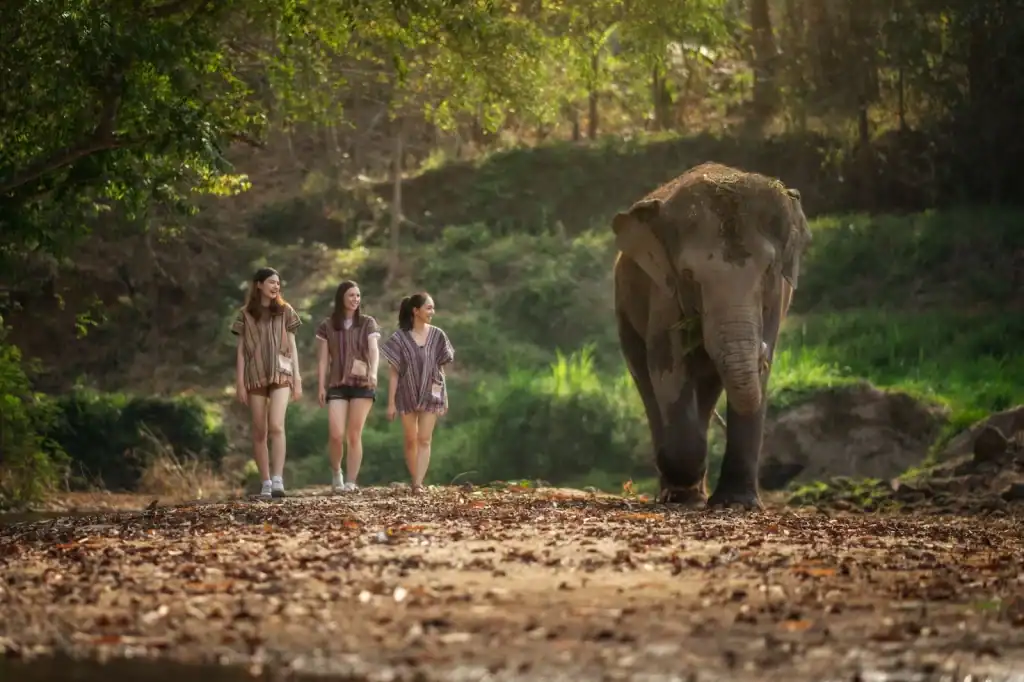
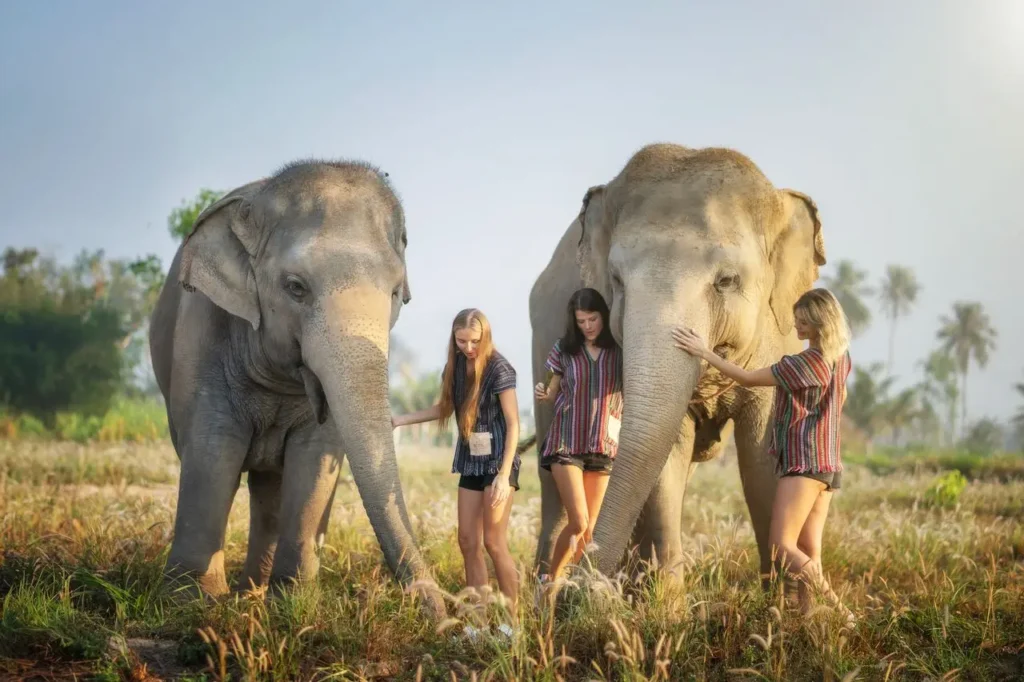
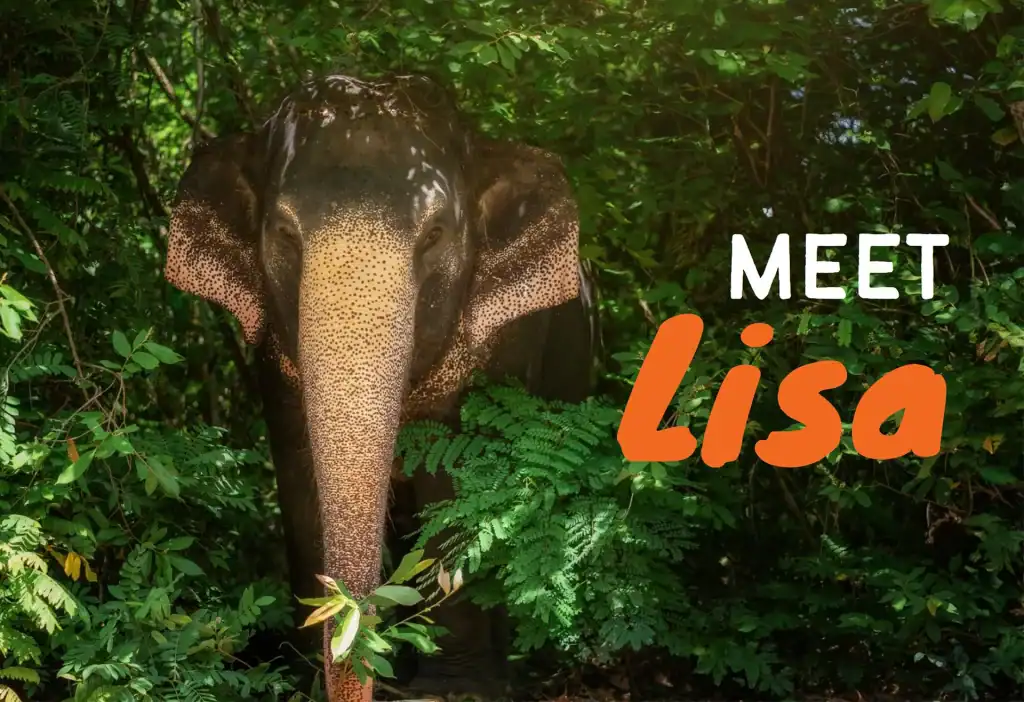
At Elephant Jungle Sanctuary, we put our beliefs into action. By blending traditional mahout knowledge with modern veterinary care, we provide environments where our elephant family can express their natural behaviors while receiving the specialized care they need. We believe that understanding their complex history is the first step toward creating a better future for them.
How You Can Make a Difference
Your support is the most powerful tool for creating a better future for Thailand’s elephants.
Educate Yourself: Understanding the complex history of elephants in Thailand and their conservation status is the first step toward making a positive impact. By learning the facts, you can make informed travel decisions and become a better advocate for their protection.
Make a Responsible Travel Choice: Choosing a sanctuary that prioritizes animal welfare, like EJS, is one of the most impactful decisions you can make.
Spread the Word: Become an ambassador for responsible elephant tourism by sharing your experience and this knowledge with your friends, family, and on social media.
A Sustainable Future for Thailand’s Elephants
Thailand’s elephants face serious challenges, but there’s reason for hope. Conservation awareness is growing, ethical tourism is expanding, and innovative programs are finding new ways to protect both wild and domestic elephants.
At EJS, we see a future where wild elephants roam freely through protected forests, domestic elephants live with dignity and purpose, and people from around the world unite to protect these magnificent beings.
Join the Conservation Effort at EJS
Visit Elephant Jungle Sanctuary to support our ongoing conservation work and help ensure these remarkable animals remain part of Thailand’s living heritage for generations to come.
Read more Articles