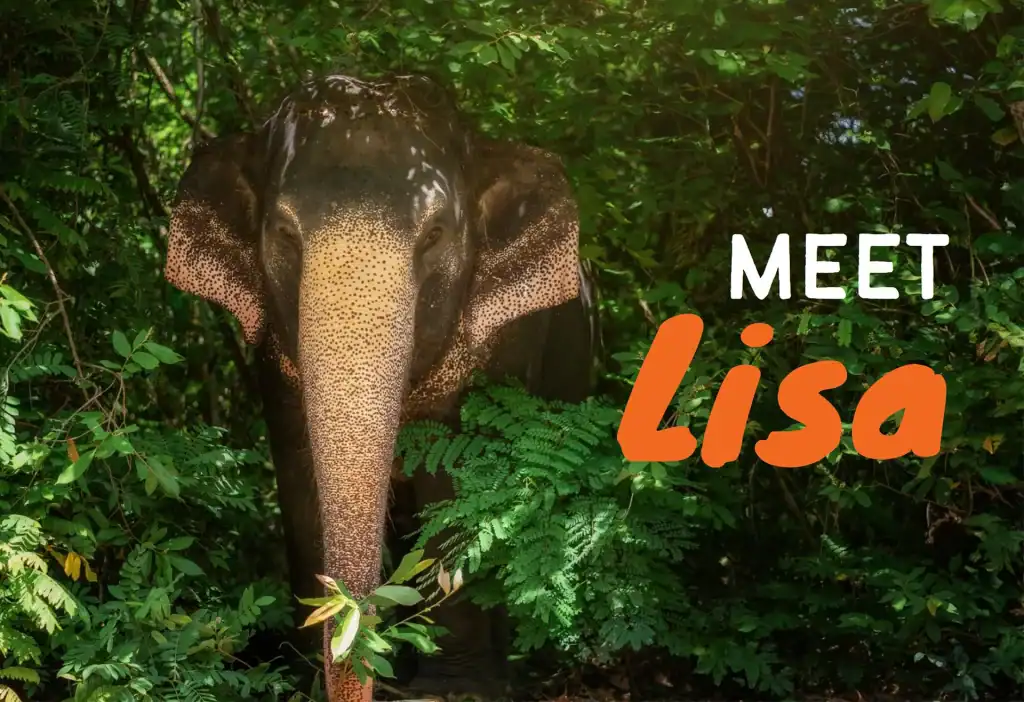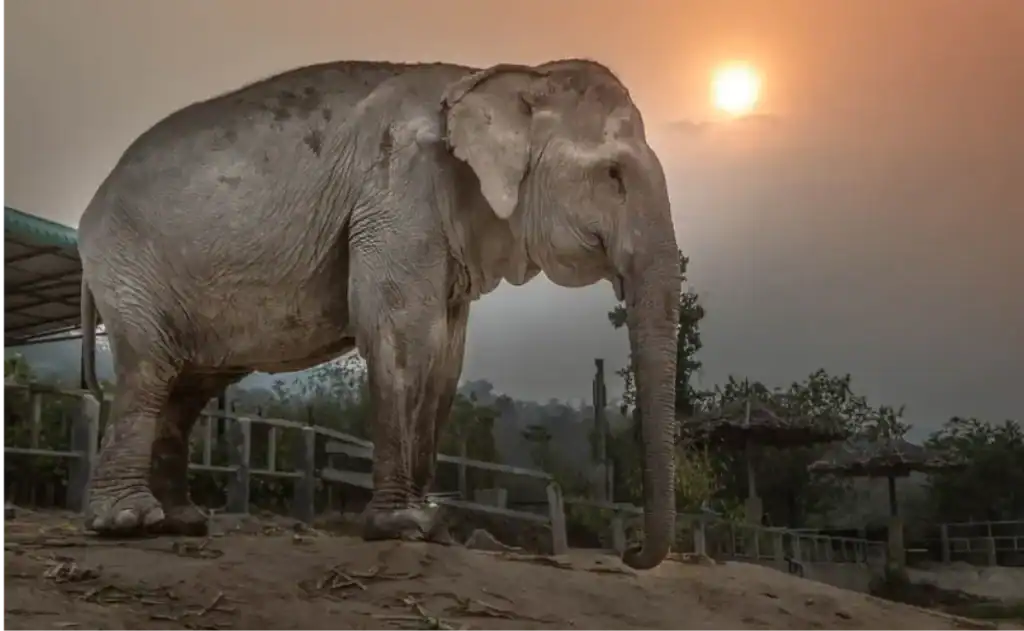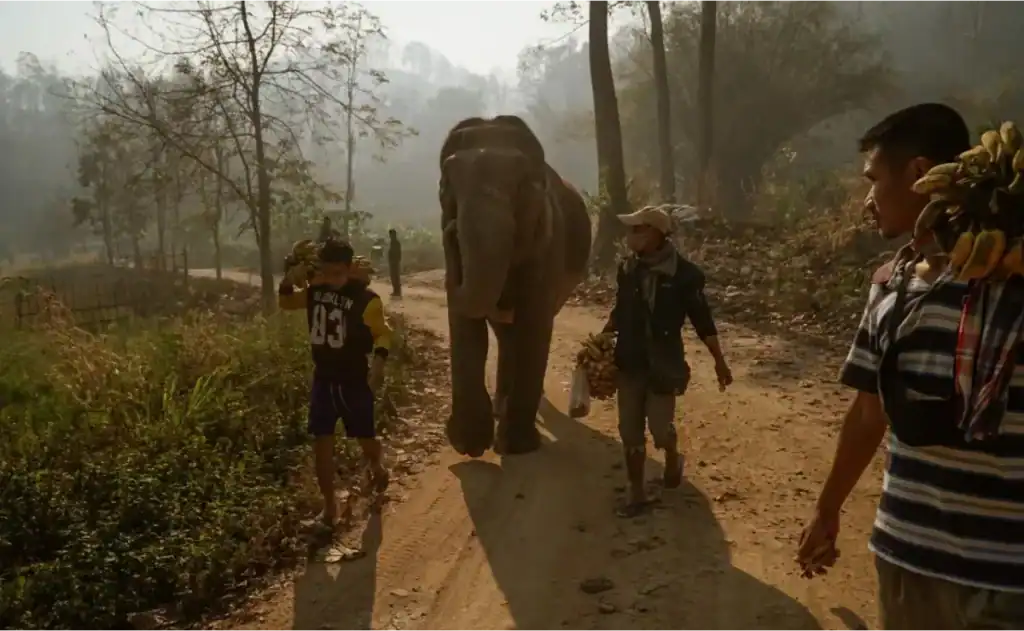

When we think of elephants, we often picture one majestic animal. But in fact, there are three distinct types of elephants, each with unique characteristics shaped by their environment. Understanding what makes each species special is vital for conservation and for appreciating the incredible diversity of these gentle giants.
Why Knowing Elephant Species Matters
Differentiating between elephant species is more than just an academic exercise. It’s crucial for conservation efforts, as each species faces its own set of threats and requires suitable protection strategies. Organizations like the Elephant Jungle Sanctuary (EJS) focus specifically on the Asian elephant, adapting their efforts to meet its unique needs.
Asian Elephant
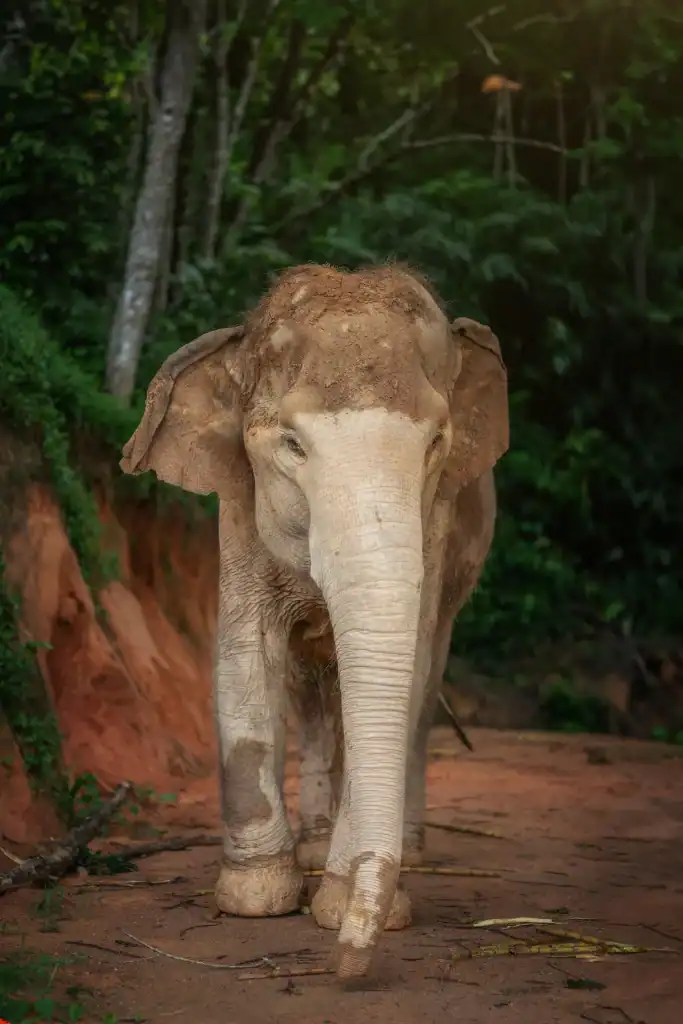
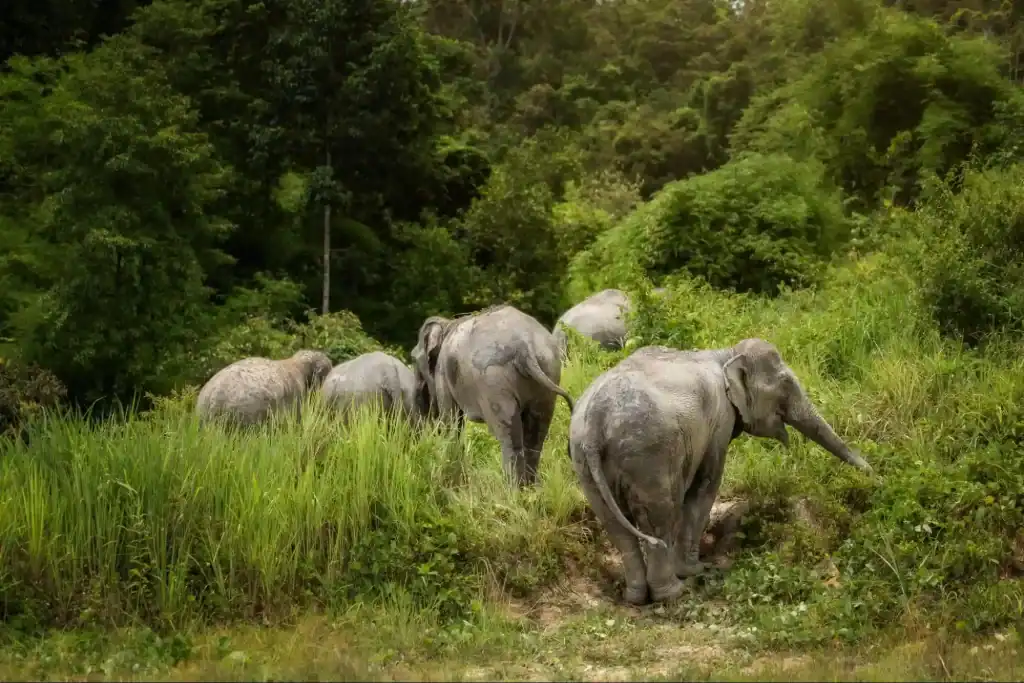
The Asian elephant (Elephas maximus) is the largest land mammal in Asia, recognizable by its smaller ears, which are shaped like the continent of India. Only male Asian elephants typically have large tusks, and they are generally smaller in size than their African counterparts.
Physical Characteristics: Asian elephants have a convex or flat back, a single “finger” on their trunk, and often have a more wrinkly skin texture.
Habitat & Range: They live in fragmented habitats across 13 countries in South and Southeast Asia, preferring lush forests and grasslands.
Subspecies: The Asian elephant has three recognized subspecies
The Indian elephant (Elephas maximus indicus): This is the most numerous subspecies, found across mainland Asia, including India, Nepal, and Thailand. They are known for their lighter skin tone with patches of depigmentation.
The Sri Lankan elephant (Elephas maximus maximus): The largest of the Asian subspecies, they have darker skin and are often tuskless. They are found exclusively in Sri Lanka.
The Sumatran elephant (Elephas maximus sumatranus): These are classified as Critically Endangered due to severe habitat loss on the island of Sumatra.
The Borneo pygmy elephant (Elephas maximus borneensis): Some researchers also recognize a fourth, the Borneo pygmy elephant, which is the smallest of all Asian elephants. It’s known for its baby-like face, large ears, and longer tail.
African Savannah Elephant
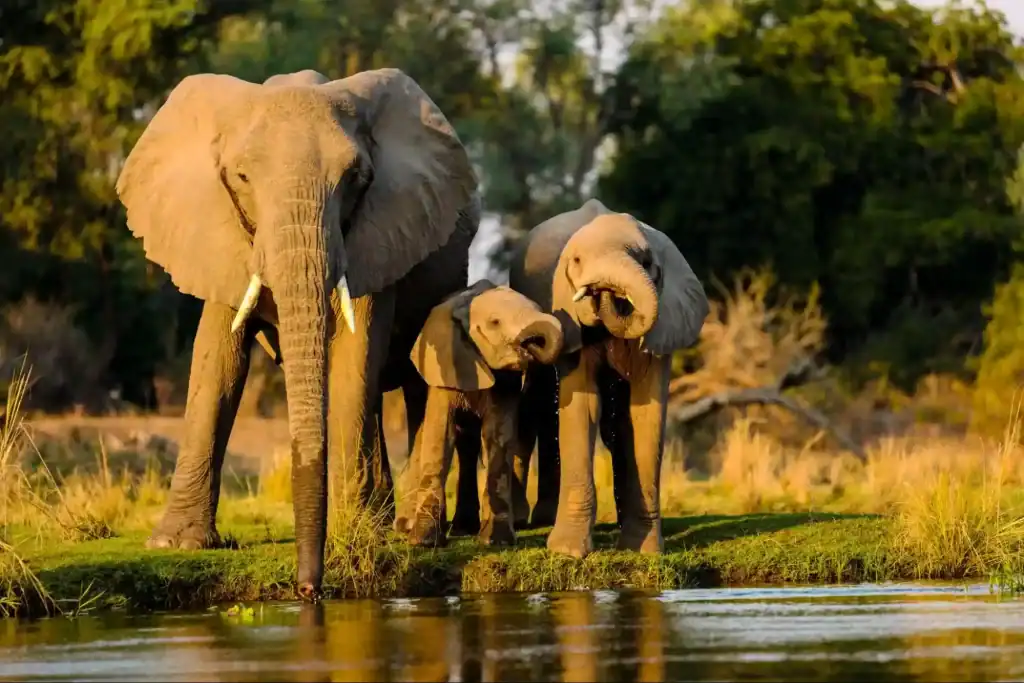
The African savanna elephant (Loxodonta africana) is the largest land animal on Earth. It is well-adapted to the vast grasslands and open plains of Africa.
Physical Characteristics: They have massive ears shaped like the continent of Africa, and a concave or saddle-shaped back. Both male and female African savanna elephants typically have large tusks.
Habitat & Range: They are found across a wide range of habitats in sub-Saharan Africa, from savannas to deserts.
African Forest Elephant
The African forest elephant (Loxodonta cyclotis) is a distinct species that is smaller and lives in dense forests, making it one of the most elusive elephants.
Physical Characteristics: They are smaller and darker than savanna elephants, with rounder ears and straighter, downward-pointing tusks.
H3 Habitat & Range: They are found in the tropical rainforests of Central and West Africa, where their smaller size and unique tusks help them navigate the dense vegetation.
Conservation Status and Why It Matters
All three elephant species face significant threats, though their conservation statuses differ. The African savanna elephant is listed as Endangered by the IUCN, while the African forest elephant is listed as Critically Endangered, primarily due to poaching for ivory. The Asian elephant is also listed as Endangered, with habitat loss being a major threat.
The reason some elephant species have a separate conservation status is that they are distinct genetic units with unique challenges. A single conservation plan would not be effective for all of them. This allows conservation groups to focus on the specific threats each species faces and to track their populations more accurately.
How You Can Support Elephant Conservation
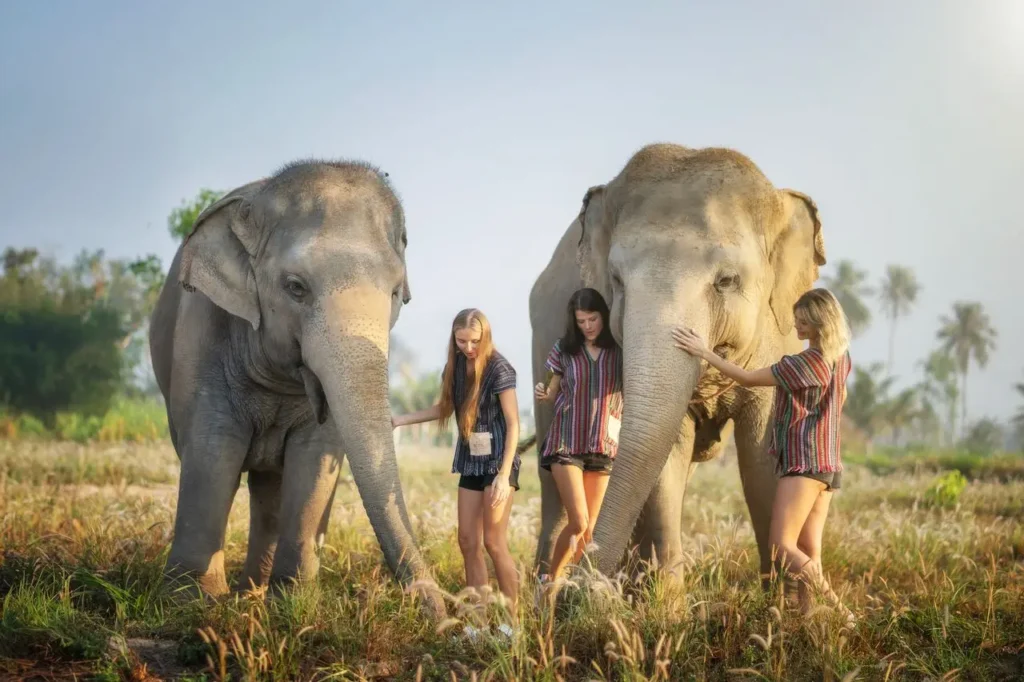
Supporting ethical sanctuaries is one of the most direct ways to help. The Elephant Jungle Sanctuary (EJS), for example, operates on an ethical model that provides a safe, permanent home for Asian elephants. By visiting and learning about their work, you are contributing directly to their care, elephants’ well-being, and the broader conservation of the species.

Conclusion: Celebrate Diversity, Protect the Future
Each of the three elephant species—the Asian elephant, the African savanna elephant, and the African forest elephant—is a unique and magnificent creature. By understanding their differences, we can better appreciate the importance of protecting them. Your informed choices, from supporting ethical tourism to promoting awareness, can help secure a future where all three of these gentle giants can thrive.